
Few foods arrive at the table with as much mystery, aroma, and holiday-level excitement as a tamale. It looks like a little edible present, wrapped neatly in a corn husk or banana leaf, tied or folded like it came from a delicious craft fair. But then comes the question that has made many first-time tamale eaters pause mid-bite: Do you eat the outer husk?
The short answer is simple: No, you do not eat the outer husk of a tamale. The corn husk is a wrapper, steamer, flavor protector, and handy little food handle. It is not the main event. The edible part is the tender masa dough and the filling inside, whether that filling is pork in red chile, chicken in salsa verde, cheese and poblano, beans, vegetables, or a sweet cinnamon-raisin surprise that makes dessert feel like it learned Spanish.
If you have ever stared at a tamale like it was a culinary puzzle box, you are not alone. This guide explains exactly how to eat tamales, why the husk matters, what to serve with them, how to avoid common mistakes, and how to enjoy them confidently whether you are at a family tamalada, a food truck, a holiday party, or your kitchen counter at midnight pretending one more tamale is “just a snack.”
What Is a Tamale?
A tamale is a traditional Mesoamerican dish made from masa, a corn-based dough usually prepared from nixtamalized corn or masa harina. The dough is spread onto a wrapper, filled with savory or sweet ingredients, folded, and steamed until the masa becomes soft, fluffy, and firm enough to hold its shape.
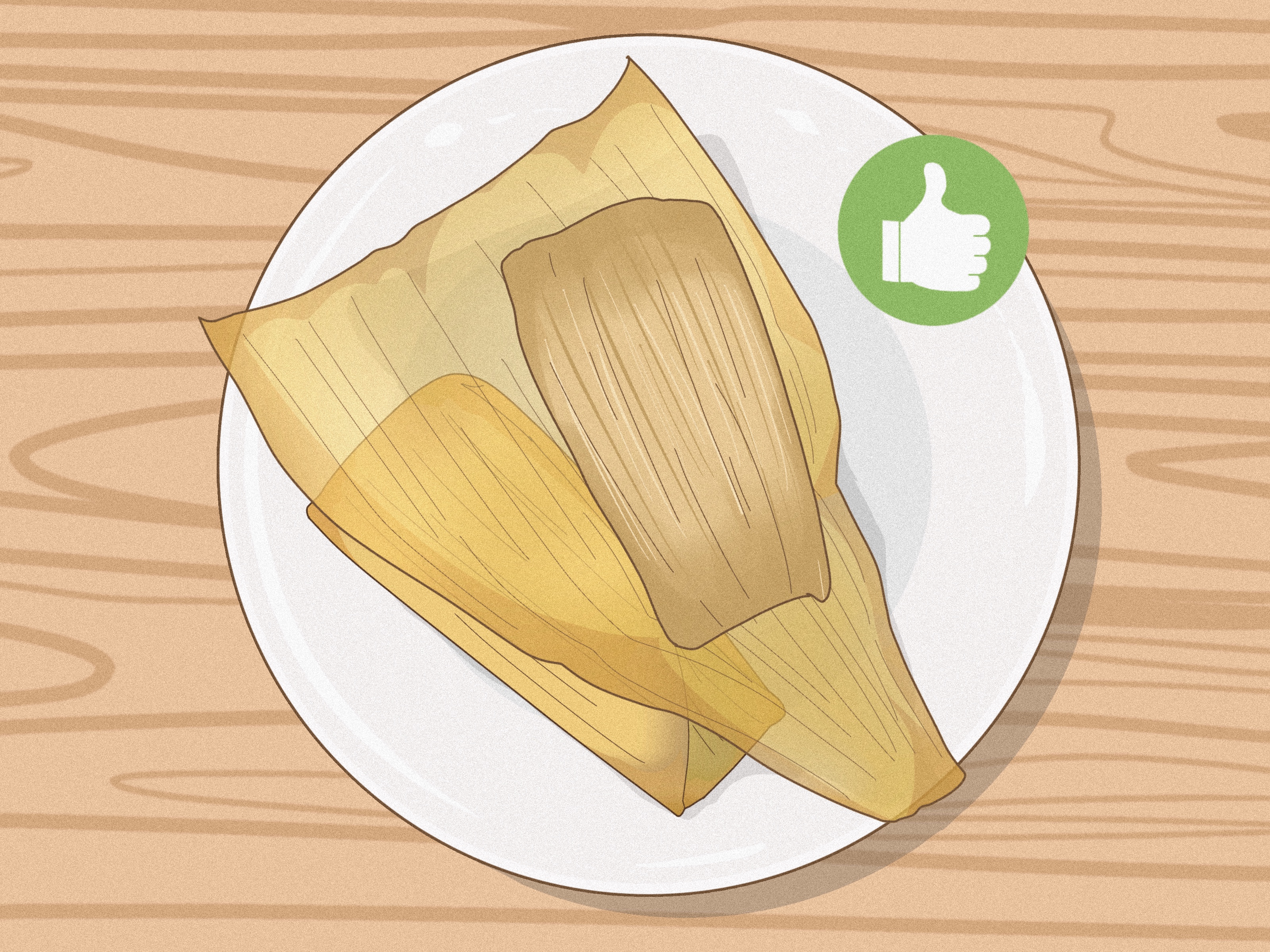
Most tamales served in Mexican and Mexican American cooking are wrapped in dried corn husks that have been soaked until pliable. In other regions and traditions, tamales may be wrapped in banana leaves, fresh corn leaves, or other plant-based wrappers. These wrappers help the tamale steam evenly, keep the dough moist, and give the finished food its signature shape.
The filling can be almost anything delicious enough to deserve a blanket of masa: shredded pork, chicken, beef, cheese, roasted chiles, beans, mole, salsa verde, sweet corn, fruit, nuts, or vegetables. That flexibility is one reason tamales have lasted for generations. They are portable, filling, practical, and celebratory all at once.
So, Do You Eat the Outer Husk on a Tamale?
No. The outer corn husk is not meant to be eaten. It is tough, fibrous, dry, and chewy in the least charming way possible. Think of it like a banana peel, an artichoke leaf, or the paper wrapper around a cupcake. It has done noble work. Thank it kindly, then move it aside.
The corn husk plays several important roles. It holds the masa and filling together while the tamale cooks. It allows steam to circulate around the dough without washing it away. It also makes the tamale easy to transport, stack, freeze, reheat, and serve. In some cases, the wrapper adds a subtle earthy aroma, but it is still a cooking vessel, not a side dish.
If your tamale is wrapped in a banana leaf, the same rule applies. Banana leaves may smell wonderful and help create a moist, fragrant tamale, but they are not intended to be eaten either. Peel the leaf away, enjoy the masa and filling, and leave the wrapper behind.
How to Eat a Tamale Step by Step
Eating a tamale is easy once you know the basic rhythm. The hardest part is usually waiting long enough for it to cool so you do not steam-clean your tongue.
1. Place the Tamale on a Plate
Start by placing the hot tamale on a plate. If it is fresh from the steamer, give it a minute or two to cool. Tamales hold heat well because the masa and wrapper trap steam. This is great for texture and terrible for impatient mouths.
2. Open the Husk Carefully
Find the seam or folded edge of the corn husk. Gently unfold it or pull it back. Some tamales are tied with thin strips of husk; remove those first. If the tamale is wrapped in foil, parchment, or plastic from a store package, remove that outer material before reheating or eating, unless the package directions specifically say otherwise.
3. Peel the Husk Away from the Masa
The cooked masa should release from the husk fairly easily. If it sticks a little, use a fork to help separate it. A small amount of sticking is normal, especially with very moist tamales. If the masa is extremely wet and smears everywhere, the tamale may be undercooked or not rested long enough after steaming.
4. Eat the Tamale with a Fork or Your Hands
Once unwrapped, you can eat the tamale with a fork, especially if it is saucy or very soft. In casual settings, many people use the husk as a little plate or handle and eat the tamale from it. Both methods are fine. The only wrong move is chewing the husk like it owes you money.
5. Add Sauce or Toppings If You Like
Tamales can be eaten plain, especially when the filling and masa are well seasoned. But toppings can turn a good tamale into a “please do not talk to me until I finish this” tamale. Popular additions include salsa verde, red chile sauce, mole, crema, queso fresco, chopped cilantro, diced onions, pickled jalapeños, avocado, or a squeeze of lime.
Why Are Tamales Wrapped in Corn Husks?
Corn husks are practical, traditional, and surprisingly clever. When soaked, they become flexible enough to fold around masa without cracking. During steaming, they protect the dough from direct water contact while still letting heat and moisture do their work.
The husk also helps portion the tamale. Instead of needing a baking dish or individual mold, the cook uses nature’s packaging. The result is a compact food that can be stacked in a steamer, carried to a party, stored in the refrigerator, or frozen for later.
There is also a cultural side. Tamale making is often a group activity, especially around holidays. Families gather for a tamalada, where one person spreads masa, another adds filling, someone folds, and everyone claims their version is the correct one. The corn husk is part of that ritual. It is not just packaging; it is part of the process, memory, and tradition.
What Does the Husk Taste Like?
A corn husk does not taste like much when eaten directly, which is another reason not to eat it. It is woody, papery, and fibrous. However, during steaming, it can lend a gentle corn-like aroma to the masa. That aroma is part of the tamale experience, but the texture of the husk itself is not pleasant.
Banana leaves are more fragrant. They can give tamales a grassy, tropical aroma and help keep the masa extra moist. Still, they are used as wrappers, not as edible greens. If you want leafy things to eat with tamales, make a salad. Do not start negotiations with the banana leaf.
What Happens If You Accidentally Eat Some Husk?
If you accidentally swallow a tiny piece of corn husk, do not panic. A small bit is unlikely to cause a problem for most people. However, corn husks are not digestible in the way masa is, and larger pieces can be uncomfortable to chew or swallow. The best approach is to remove the husk before eating and discard it.
If a child, older adult, or anyone with swallowing difficulties is eating tamales, unwrap them fully before serving. Cut the tamale into manageable pieces and check for any strips of husk, string, or wrapping material.
How to Serve Tamales
Tamales can be the star of the meal or part of a larger spread. For a simple plate, serve two or three tamales with salsa, beans, and rice. For a bigger meal, add Mexican street corn, cabbage slaw, guacamole, roasted vegetables, or a bowl of pozole.
Breakfast tamales are also a beautiful idea. Serve them with eggs, salsa, avocado, and coffee. Sweet tamales pair nicely with hot chocolate, champurrado, café de olla, or a warm mug of cinnamon-spiced milk. Basically, tamales are flexible enough to show up at breakfast, lunch, dinner, and the “I found leftovers” hour.
Best Sauces for Tamales
The best sauce depends on the filling. Pork tamales often pair well with red chile sauce, salsa roja, or mole. Chicken tamales shine with salsa verde, tomatillo sauce, or crema. Cheese and poblano tamales love roasted tomato salsa, hot sauce, or a drizzle of crema. Bean tamales work well with smoky salsa, avocado salsa, or pickled onions.
When serving tamales to guests, offer sauces on the side. That way, people can control heat, acidity, and richness. It also prevents the masa from getting soggy before it reaches the plate.
How to Reheat Tamales Without Ruining Them
Tamales are one of those leftovers that can taste nearly as good the next day if reheated properly. The goal is to warm them while keeping the masa moist.
Steaming
The best reheating method is steaming. Keep the tamales in their husks, place them upright or flat in a steamer basket, cover, and steam until hot throughout. This keeps the masa soft and prevents it from drying out.
Microwave
For a faster method, wrap the tamale in a damp paper towel and microwave it until heated through. If reheating more than one, arrange them with space between each tamale and rotate as needed. The microwave is convenient, but it can make masa rubbery if overheated.
Oven
The oven works well for reheating several tamales at once. Wrap them in foil to prevent drying and heat until warm. This method takes longer than the microwave but can be useful for feeding a group.
Food Safety Tip
Leftover tamales should be refrigerated within two hours after serving. Reheat leftovers to an internal temperature of 165°F, especially tamales filled with meat, poultry, seafood, or cheese. Properly stored tamales are usually best within a few days in the refrigerator, and they can be frozen for longer storage.
Common Mistakes When Eating Tamales
Eating the Husk
This is the classic rookie mistake. The husk is there to wrap, steam, and serve. Peel it away before eating. If you are unsure, watch the person next to you. If they are chewing confidently through the husk, maybe do not copy that person.
Drowning the Tamale in Sauce Too Soon
Sauce is wonderful, but too much too early can overwhelm the flavor of the masa and filling. Taste the tamale first, then add sauce as needed.
Not Letting the Tamale Rest
Freshly steamed tamales need a few minutes to firm up. If you unwrap one immediately and it seems too soft, it may simply need a short rest. Patience is difficult when the kitchen smells like chile, corn, and happiness, but it helps.
Ignoring the Filling
Different fillings deserve different toppings. A sweet tamale probably does not need salsa verde. A spicy pork tamale probably does not need maple syrup. Let the filling guide the extras.
Are All Tamale Wrappers the Same?
No. Corn husks are common in many Mexican and Mexican American tamales, especially in northern and central styles. Banana leaves are often used in southern Mexican styles, including Oaxacan tamales, and in many Central American versions. Some regional tamales are larger, softer, sweeter, spicier, or shaped differently from the corn-husk tamales many people know.
In the United States, you may also find Mississippi Delta hot tamales, which are usually smaller, heavily seasoned, and tied in bundles. They are part of a unique regional food tradition influenced by Mexican, African American, and Southern cooking histories. The wrapper still works as a cooking and serving tool, not as the edible part.
Can You Eat Tamales Straight from the Husk?
Yes, but with one important clarification: you eat the tamale off the husk, not through the husk. Many people open the husk like a tray, add salsa, and use a fork to eat the masa and filling while the husk stays underneath. This is especially handy at outdoor events, food stands, festivals, or family gatherings where plates are optional and napkins are suddenly very important.
If the tamale is firm enough, you can also pick it up after peeling the husk back. Just be ready for fillings and sauce to make a dramatic escape. Tamales are delicious, but they do not always respect clean shirts.
How to Know If a Tamale Is Cooked Properly
A properly cooked tamale should pull away from the husk without turning into paste. The masa should be tender and moist, not raw or soupy. It should hold together when lifted with a fork. The filling should be hot, and the overall texture should feel fluffy rather than dense or gummy.
If the masa sticks heavily to the husk, it may need more steaming time. If it tastes dry and crumbly, it may have been overcooked, reheated poorly, or made with too little fat or liquid. Great tamales balance softness, structure, moisture, and seasoning.
What to Do with the Husk After Eating
Once the edible part is gone, discard the husk. If you compost food scraps and your local composting rules allow it, corn husks may be compostable. If the husk is covered in meat, dairy, or oily sauce, check your compost guidelines first. Otherwise, toss it in the trash.
Do not put husks down the garbage disposal. They are fibrous and can cause plumbing drama. No tamale is worth explaining to a plumber at 9 p.m.
Frequently Asked Questions About Eating Tamales
Do you eat the corn husk on tamales?
No. The corn husk is a wrapper used for steaming and serving. Peel it away and eat the masa and filling inside.
Do you eat the banana leaf on tamales?
No. Banana leaves are also wrappers. They add aroma and help keep the tamale moist, but they are not meant to be eaten.
Can you eat tamales cold?
You can, but most tamales taste better warm. Heating softens the masa, wakes up the filling, and improves the overall texture.
Should tamales be eaten with a fork?
A fork is common, especially when tamales are served with sauce. In casual settings, you can peel back the husk and eat the tamale by hand if it is firm enough.
What is the best topping for tamales?
Salsa verde, salsa roja, crema, queso fresco, mole, cilantro, onions, and avocado are all popular choices. The best topping depends on the filling.
Why is my tamale sticking to the husk?
It may be undercooked, too wet, or not rested long enough after steaming. Properly cooked masa usually releases from the husk more easily.
Real-Life Experiences: Learning How to Eat Tamales Without Embarrassment
The first tamale experience is often memorable because it comes with a tiny moment of panic. You are handed a warm bundle wrapped in a corn husk. Everyone else seems calm. Someone passes salsa. Someone says, “Grab one before they’re gone.” Meanwhile, your brain whispers, “Is this leaf food?” That hesitation is part of the initiation. Once you peel back the husk and discover the soft masa inside, the whole thing suddenly makes sense.
At a holiday tamalada, the experience is even better. Tamales are not just food; they are teamwork wrapped in corn husks. One person spreads masa, another spoons the filling, another folds, and someone in the background insists the steamer is too full. The kitchen smells like chiles, broth, corn, and family opinions. By the time the tamales are ready, everyone has earned the meal. Eating them feels different because you can taste the work in every bite.
Food trucks and street vendors offer another kind of tamale lesson. A vendor may hand you a hot tamale in its husk with a little container of salsa. You peel it open right there, using the husk like a plate. Steam rises, the sauce goes on, and suddenly the sidewalk feels like the best restaurant in town. This is where you learn that tamales are practical food. They are portable, filling, and built for real life.
Office potlucks can be trickier. Someone brings homemade tamales, and people gather around the container with curiosity. The first person who knows what they are doing becomes the unofficial tamale guide: “Peel the husk off. No, don’t eat that part. Add this salsa.” Within minutes, everyone is happy, and the person who brought the tamales becomes the most popular coworker in the building. Tamales have that effect.
Leftover tamales create their own experience. The next morning, you open the refrigerator and spot a wrapped bundle waiting patiently. Reheated in a steamer or microwave with a damp towel, it comes back to life. Add an egg, a little salsa, maybe some avocado, and breakfast suddenly looks like it has excellent judgment. This is one of the quiet joys of tamales: they are festive enough for holidays but comforting enough for ordinary mornings.
There is also the experience of choosing toppings. Some people love their tamales simple, letting the masa and filling speak for themselves. Others treat toppings like a personality test: extra salsa, crema, onions, cheese, hot sauce, and lime. Neither approach is wrong. The best way to eat tamales is the way that makes you pause after the first bite and think, “Yes, I absolutely need another one.”
So if you are new to tamales, remember the main rule: unwrap first, eat second. The husk is the helper, not the hero. Once you know that, you can enjoy tamales with confidence anywhere they appear, from a family kitchen to a restaurant table to a parking-lot food stand with a line of people who clearly know something delicious is happening.
Conclusion
Tamales may look mysterious at first, but they are easy to enjoy once you know the basics. The outer corn husk or banana leaf is not edible; it is a wrapper that helps the tamale steam, hold its shape, and stay moist. Peel it back, enjoy the tender masa and flavorful filling, and add sauce or toppings as you like.
Whether you eat tamales with a fork, from the opened husk, at a holiday gathering, or straight from a takeout container, the rule stays the same: unwrap the tamale, do not eat the wrapper, and respect the salsa. That last part is not official law, but it should be.