
Getting glue stuck in your hair is one of those tiny disasters that feels huge in the moment. Maybe a craft project went rogue. Maybe hair extension glue overstayed its welcome. Maybe a child “helped” with school glue, or super glue got a little too ambitious. Whatever happened, take a breath before reaching for scissors. In many cases, you can get glue out of hair without damaging it if you slow down, soften the adhesive, and treat your hair like delicate silk instead of a tangled extension cord.
The most important rule is simple: do not yank. Glue bonds to the outside of the hair shaft, and pulling can snap strands, irritate the scalp, or turn a small sticky patch into a full-blown hair emergency. The safest approach depends on the type of glue, the amount involved, where it is located, and whether it touched the scalp or eyes. This guide explains how to remove common glue types from hair using gentle, practical methods that help protect your strands from breakage.
First, Identify the Type of Glue
Before you start soaking, oiling, combing, or whispering motivational speeches to your hair in the mirror, figure out what kind of glue you are dealing with. Different adhesives respond to different removal methods.
School Glue or Craft Glue
White school glue, clear glue, glitter glue, and many washable craft glues are usually water-based. That means warm water, mild shampoo, and conditioner can often loosen them. These are generally the easiest to remove, especially if you catch the mess before it fully dries.
Hair Extension Glue or Wig Glue
Bonding glue, wig glue, tape-in adhesive, and extension glue are designed to hold onto hair, so they need more patience. Oil, conditioner, or a professional adhesive remover may be necessary. If extensions are involved, work slowly and avoid pulling at the roots.
Super Glue
Super glue is usually cyanoacrylate, which forms a strong, fast bond. It can be stubborn and may irritate skin. If it is near the eyes, mouth, nose, or a sensitive scalp area, get medical advice instead of experimenting. For small areas away from the face, gentle soaking, oil, petroleum jelly, or carefully used acetone may help, but acetone can dry and weaken hair, so it should be a last resort.
Industrial Glue, Wood Glue, or Unknown Adhesives
If the product label includes warnings about fumes, burns, strong solvents, or chemical exposure, do not treat it like ordinary craft glue. Rinse exposed skin with lukewarm water, avoid harsh scrubbing, and contact poison control or a healthcare professional for guidance.
What to Do Before Removing Glue From Hair
The first few minutes matter. The goal is to prevent the glue from spreading and protect the surrounding hair.
- Stay calm: Panic usually leads to pulling, and pulling leads to breakage.
- Do not brush through the glue: A brush can drag glue through more strands.
- Separate the sticky section: Use clips or a soft hair tie to keep clean hair away from the glue.
- Protect clothing: Place a towel around the shoulders.
- Read the glue label: The product name and ingredients help determine the safest removal method.
- Work from the ends upward: This reduces tension on the scalp and helps prevent snapping.
If the glue is still wet, blot it gently with a paper towel or cloth. Do not smear it. If it is dry, avoid cracking it aggressively, because hardened glue can act like a tiny plastic clamp around the hair.
Method 1: Warm Water and Shampoo for Washable Glue
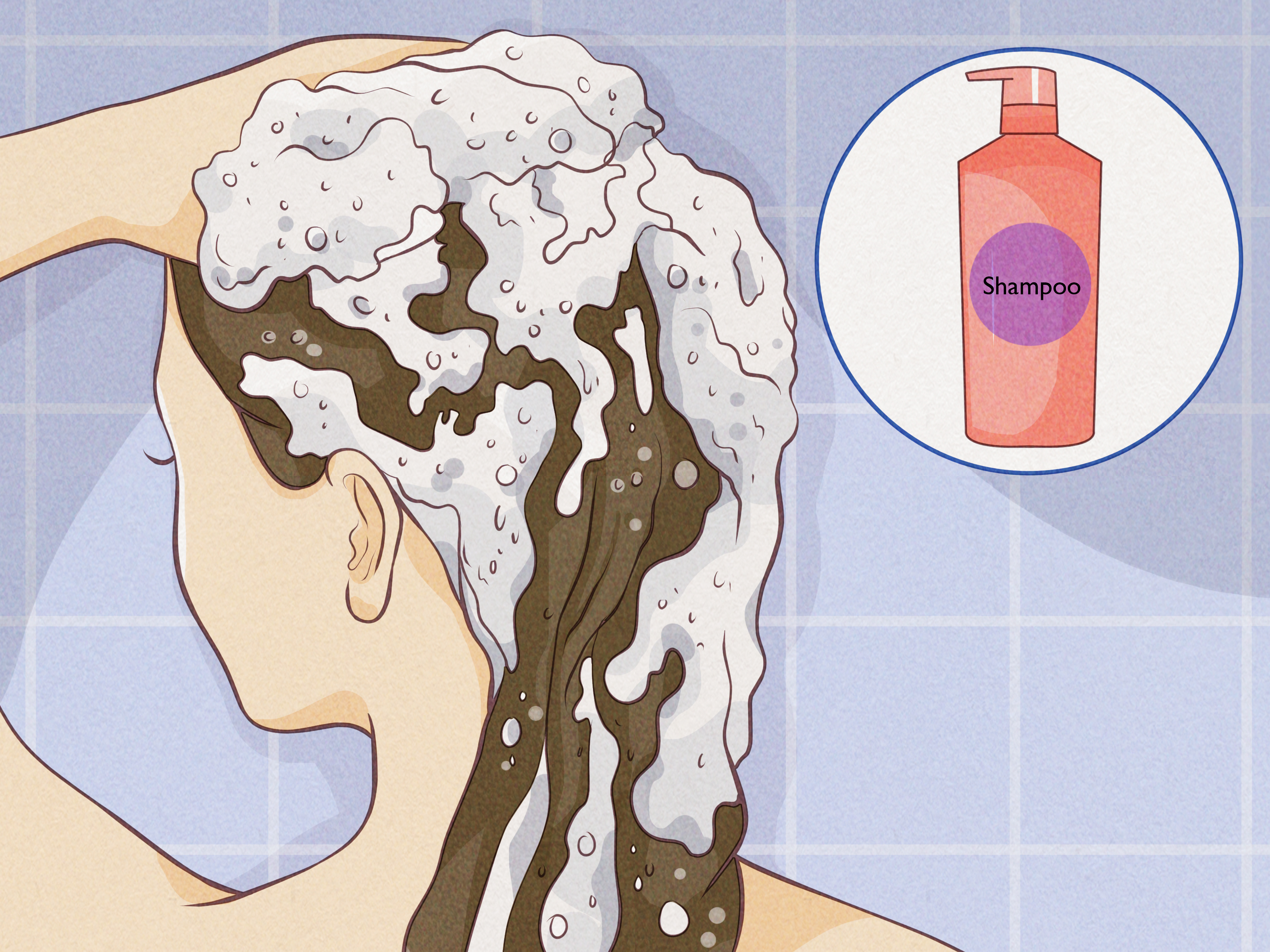
For school glue, craft glue, and many children’s art supplies, warm water is your best first move. Use lukewarm water rather than hot water, because hot water can irritate the scalp and may make fragile hair more vulnerable.
Step-by-Step
- Wet the glued section with lukewarm water for several minutes.
- Apply a small amount of mild shampoo to the sticky area.
- Massage gently with your fingertips, not your nails.
- Rinse and repeat if the glue begins to soften.
- Apply conditioner and let it sit for 5 to 10 minutes.
- Use a wide-tooth comb to remove loosened glue, starting near the ends.
This method may take more than one wash. That is normal. Hair is not a frying pan, so do not scrub it like one. Gentle repetition is safer than one aggressive attack.
Method 2: Conditioner Soak for Sticky Residue
Conditioner adds slip, which helps glue slide away from the hair shaft. It is especially useful when the glue is soft but still clinging to strands.
How to Use Conditioner
Apply a generous amount of conditioner directly to the glued area. Let it sit for at least 10 to 15 minutes. For stubborn glue, cover the section with a shower cap or plastic wrap so the product stays moist. Then gently squeeze the hair between your fingers to see whether the adhesive is loosening. Comb only when the glue has softened.
A rich conditioner is often better than a lightweight one for this job. You want slip, not volume. This is not the time for a beachy texture spray. The goal is “slippery seal,” not “fresh from a wind tunnel.”
Method 3: Oil for Hair Extension Glue and Wig Adhesive
Oil can help loosen many adhesives used in hair extensions, wigs, and tape-in pieces. Common choices include coconut oil, olive oil, mineral oil, baby oil, or even a silicone-based hair serum. Oil works by reducing the grip between the adhesive and the hair, making it easier to slide or comb out residue.
Step-by-Step
- Apply oil directly to the glue, saturating the sticky section.
- Massage gently with your fingertips for several minutes.
- Let the oil sit for 15 to 30 minutes.
- Use your fingers to loosen the glue before using a comb.
- Comb from the ends upward with a wide-tooth comb.
- Wash with shampoo afterward to remove oil and residue.
If you are removing glued-in extensions, do not pull the weft or bond away from the scalp. Add more oil, wait longer, and keep working slowly. When in doubt, a professional stylist is worth the appointment. Saving your hairline is more exciting than saving fifteen minutes.
Method 4: Petroleum Jelly for Super Glue Spots
Petroleum jelly can be helpful for small patches of super glue because it is thick, slippery, and less drying than strong solvents. It is also useful near delicate areas where harsh chemicals are a bad idea.
How to Apply It
Coat the glued hair with petroleum jelly and gently massage it into the bond. Let it sit for 15 to 20 minutes. Then try to roll the softened glue between your fingers. If small pieces begin to break away, remove them slowly. Follow with shampoo, conditioner, and careful detangling.
This method may leave hair greasy, but greasy hair is usually easier to fix than broken hair. A clarifying shampoo can help afterward, but do not over-wash. If one shampoo does not remove all the oil, wait and wash again later rather than stripping the hair in one session.
Method 5: Acetone for Super Glue OnlyUse With Caution
Acetone, commonly found in some nail polish removers, can help dissolve super glue. However, it can also dry out hair, irritate the scalp, fade color-treated hair, and make fragile strands more likely to break. Use it only for small super glue spots, and avoid it completely near the eyes, irritated skin, open cuts, or sensitive scalp areas.
Safe Acetone Tips
- Test on a tiny hidden strand first, especially if your hair is dyed or chemically treated.
- Apply with a cotton swab instead of pouring it onto the hair.
- Keep it on the glue, not the scalp.
- Work in a well-ventilated area.
- Rinse quickly once the glue softens.
- Follow with conditioner or a deep-conditioning mask.
If the glue does not soften quickly, do not keep soaking your hair in acetone. Switch to oil or seek professional help. Your hair should not have to survive a chemistry lab because one drop of glue got dramatic.
Method 6: Professional Glue Remover for Extensions
For hair extension glue, wig adhesive, and tape-in residue, a professional adhesive remover may be the safest and most effective option. These products are formulated for hair systems and extension bonds, so they are usually better suited than random household solvents.
Follow the product directions exactly. Most removers need time to sit before the adhesive loosens. Rushing the process can cause unnecessary pulling. If you have a sensitive scalp, allergies, or recently colored hair, consult a stylist before using a remover at home.
What Not to Do When Removing Glue From Hair
Sometimes the biggest hair-saving move is avoiding the wrong move. Here are the glue-removal mistakes that can make the situation worse.
Do Not Yank or Rip
Pulling can snap hair at different lengths, creating frizz, thinning, and uneven breakage. It may also inflame the scalp if the glue is close to the roots.
Do Not Use High Heat
A blow dryer, flat iron, or curling iron may soften some adhesives, but heat can also melt glue deeper into hair or damage the cuticle. Heat plus glue is rarely a love story.
Do Not Use Harsh Household Chemicals
Paint thinner, gasoline, bleach, drain cleaner, and industrial solvents do not belong on hair or skin. They can cause chemical burns, breathing irritation, and serious injury.
Do Not Scrub the Scalp
If glue touches the scalp, soften it first. Scrubbing can cause redness, soreness, flakes, or tiny abrasions that make irritation worse.
Do Not Cut Immediately
Scissors may be necessary if glue is severely hardened or tangled beyond rescue, but try softening methods first. If cutting is needed, remove only the affected strands or see a stylist for a cleaner fix.
How to Remove Glue From Different Hair Types
Fine or Thin Hair
Fine hair breaks easily, so avoid force. Use conditioner, oil, and your fingers before using any comb. Choose a wide-tooth comb and take tiny sections.
Curly or Coily Hair
Curly and coily hair may need extra slip. Saturate the glued section with conditioner or oil and detangle in small sections. Keep the curl pattern in mind and avoid stretching the hair too much while it is wet.
Color-Treated Hair
Be cautious with acetone and alcohol-based removers because they may affect color. Oil, conditioner, and professional adhesive removers made for hair are usually safer starting points.
Children’s Hair
For kids, use the gentlest method first: warm water, mild shampoo, conditioner, and patience. If super glue is involved or the glue is near the eyes, contact poison control or a healthcare professional.
When to Get Professional Help
Home methods are useful, but they are not always enough. Get help from a stylist, dermatologist, or medical professional if:
- The glue is close to the eyes, mouth, nose, or ears.
- The scalp is burning, blistered, swollen, or bleeding.
- The adhesive is industrial, unknown, or labeled hazardous.
- Hair extensions are severely matted at the roots.
- You tried gentle methods and the glue is not moving.
- You notice a rash, intense itching, or pain after using a remover.
Scalp irritation can happen after exposure to adhesives or removal products. If symptoms continue, do not keep applying more products. The scalp is skin, not a testing zone.
Aftercare: How to Repair Hair After Glue Removal
Once the glue is out, your hair may feel dry, oily, rough, or slightly offended. Give it a recovery routine.
Wash Gently
Use a mild shampoo and focus on the scalp. Let the lather run through the lengths rather than scrubbing the ends. If you used heavy oil or petroleum jelly, you may need a second gentle wash.
Deep Condition
Apply a moisturizing conditioner or hair mask. Let it sit for the recommended time, then rinse thoroughly. Do not leave rinse-out conditioner in all day unless the product says it is safe as a leave-in.
Detangle Carefully
Use a wide-tooth comb, begin at the ends, and work upward. Add leave-in conditioner if needed. This step is especially important after extension glue because shed hairs can collect near the roots and create mats.
Skip Heat Styling
Give your hair a break from flat irons, curling irons, and hot blow-drying for a few days. Air drying is kinder after adhesive removal.
Trim Only If Needed
If the glued section feels rough or split after removal, a small trim may help. You do not need a dramatic haircut unless the damage is widespread.
How to Prevent Glue From Getting Stuck in Hair Again
Prevention is less exciting than rescue, but your future self will appreciate it.
- Tie hair back before craft projects, repairs, or DIY work.
- Use a towel, shower cap, or scarf as a barrier.
- Keep super glue away from children and from bathroom counters where it can be mistaken for beauty products.
- Use professional installation and removal for glued extensions.
- Patch-test wig glue or bonding products if you have sensitive skin.
- Do not sleep with loose adhesive residue in your hair.
If you use wigs, extensions, or hair systems regularly, build removal time into your routine. Adhesive that is removed calmly and on schedule is much less likely to cause breakage than adhesive removed in a late-night panic while holding a comb like a tiny sword.
Real-Life Experiences: What Glue Removal Actually Feels Like
Here is the part most guides skip: removing glue from hair is rarely glamorous. It is slow, slippery, and slightly ridiculous. One common experience is the school-glue situation. A child comes home with a shiny patch near the bangs after an art project involving glitter, paper, and the bold confidence of a tiny engineer. The glue feels crusty at first, but after several minutes of lukewarm water and conditioner, it starts to soften. The trick is not to comb too early. Parents often make the mistake of trying to “just brush it out,” which turns one patch into a web of sticky strands. Waiting ten extra minutes can save a surprising amount of hair.
Hair extension glue is a different story. Many people describe it as a test of patience. The bond may look small, but once you start removing it, you discover hidden residue clinging to natural shed hairs near the root. This is where oil becomes the hero. Saturating the bond, massaging it gently, and letting it sit can feel annoyingly slow, but it allows the adhesive to loosen without tugging. The biggest lesson from extension removal is that the hair you see coming out is not always breakage. Some of it may be normal shed hair that was trapped by the extension bond. Still, if the process hurts, stop. Pain is not a beauty technique.
Super glue creates the most panic because it hardens quickly and feels permanent. A tiny drop can make hair feel like plastic. People often assume scissors are the only answer, but small spots sometimes loosen with oil, petroleum jelly, or careful soaking. The experience is usually less like “melting glue instantly” and more like “convincing a stubborn sticker to retire.” You massage, wait, roll the bond gently, rinse, condition, and repeat. If acetone is used, the hair may feel dry afterward, so conditioning is not optional. It is the apology your hair deserves.
Another real-world lesson is that hair type changes the process. Fine hair needs feather-light handling because it can snap before the glue gives up. Curly and coily hair needs more slip and more sectioning because glue can hide inside curl bends. Color-treated hair needs extra caution because strong removers may affect tone or dryness. In every case, the winning formula is the same: isolate, soften, loosen, comb gently, wash, condition, and rest.
The best experience is the one where you do less, not more. Less pulling. Less heat. Less harsh chemistry. More waiting. More conditioner. More patience. Glue removal is not a race; it is a negotiation. And while your hair may look oily, flat, or dramatic for a day, that is temporary. Broken strands take much longer to forgive you. So move slowly, keep your sense of humor nearby, and remember: even the stickiest hair disaster can usually be handled without sacrificing your hairstyle to the scissor gods.
Conclusion
Learning how to get glue out of hair without damaging it comes down to matching the method to the adhesive. Washable glue usually responds to warm water, shampoo, and conditioner. Extension glue often needs oil or a professional remover. Super glue requires extra caution, especially near the face or scalp, and may need petroleum jelly, oil, soaking, or carefully applied acetone. No matter the glue type, the golden rule is to soften before you comb and never pull aggressively.
Your hair is stronger than it looks, but it is not invincible. Treat it gently, work in small sections, and give it moisture after the glue is gone. If the situation involves pain, irritation, chemical exposure, or a stubborn extension mess, call a professional. A stylist or healthcare expert can save you from unnecessary damageand possibly from giving yourself emergency bangs you never asked for.