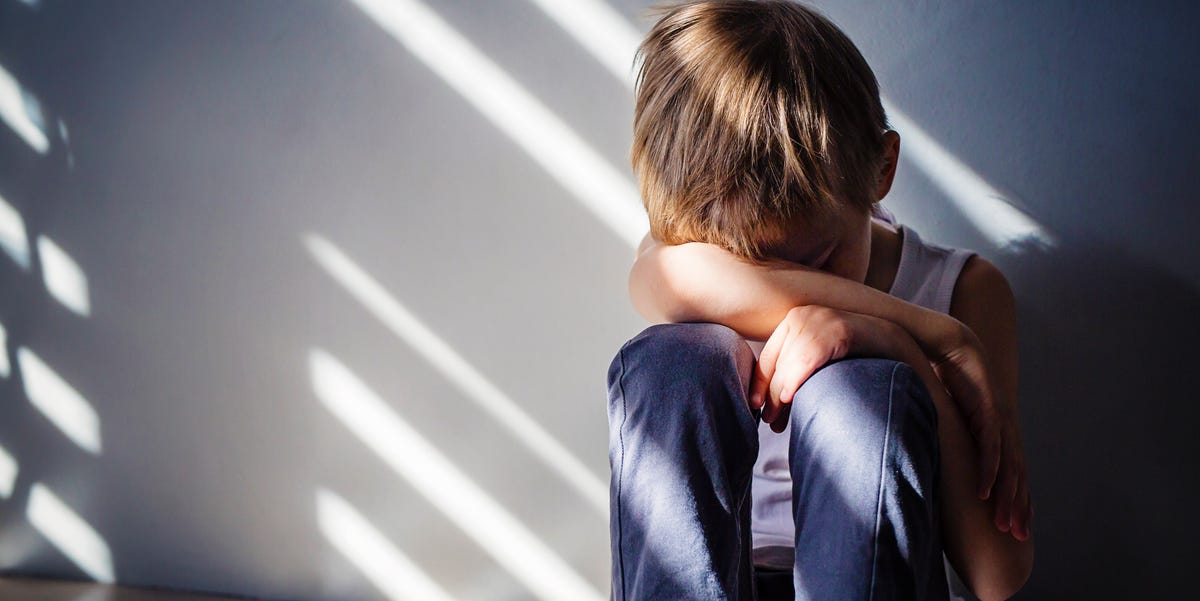

Childhood should come with muddy sneakers, silly jokes, imaginary dragons, and the occasional dramatic complaint about broccoli. But for many kids, childhood also includes worry that feels too big for their small shoulders. Anxiety in kids is not simply “being shy,” “being difficult,” or “going through a phase.” It can affect sleep, school, friendships, family routines, and a child’s confidence in everyday life.
The good news? Child anxiety is common, understandable, and highly treatable. Parents do not need to become overnight therapists, memorize psychology textbooks, or install a tiny office couch in the living room. What children need most is calm support, practical tools, predictable routines, and professional help when anxiety starts taking over daily life.
This guide explains the causes of anxiety in kids, the signs parents should notice, and realistic solutions that help children build courage one manageable step at a time.
What Is Anxiety in Kids?
Anxiety is the body’s alarm system. It helps people notice danger, prepare for challenges, and stay alert. In healthy amounts, anxiety can push a child to study for a spelling test, look both ways before crossing the street, or feel cautious around unfamiliar situations.
Child anxiety becomes a concern when fear or worry is frequent, intense, hard to control, or interferes with normal life. A child may avoid school, refuse sleepovers, repeatedly ask for reassurance, complain of stomachaches, or melt down before activities that other children handle with mild nervousness.
Think of anxiety like a smoke alarm. A working alarm is helpful when there is a fire. But if the alarm screams every time someone makes toast, the whole household becomes exhausted. An anxious child’s brain may treat ordinary stress as a five-alarm emergency.
Common Causes of Anxiety in Children
1. Genetics and Family Patterns
Anxiety can run in families. A child with anxious parents or close relatives may be more likely to develop anxiety. This does not mean parents “caused” the problem. It simply means some children inherit a more sensitive alarm system. They may be naturally cautious, observant, or quick to imagine what could go wrong.
2. Temperament
Some children are born bold enough to introduce themselves to a room full of strangers. Others need thirty-seven minutes, a snack, and a detailed safety briefing before saying hello to a neighbor’s puppy. A cautious temperament is not bad. Many thoughtful, careful kids grow into wise and empathetic adults. But when caution becomes avoidance, anxiety can grow stronger.
3. Stressful Life Events
Moving, divorce, family conflict, illness, loss, bullying, academic pressure, or sudden changes in routine can trigger child anxiety. Even positive events, such as starting a new school or joining a sports team, can feel overwhelming to a child who struggles with uncertainty.
4. School Pressure and Social Stress
School is not just math worksheets and lunchboxes. It is also friendships, performance, rules, group projects, tests, teachers, noisy hallways, and the mysterious politics of who sits where at lunch. Children may worry about grades, embarrassment, being called on, making mistakes, or being left out.
5. Overprotection and Avoidance Cycles
When a child is anxious, it is natural for parents to rescue them. If a child fears ordering food, the parent orders. If a child fears sleeping alone, the parent stays all night. These responses come from love, but repeated rescue can accidentally teach the child, “I cannot handle this.” Over time, avoidance makes anxiety stronger.
6. Sleep, Screens, and Lifestyle Factors
Poor sleep, too much caffeine, irregular routines, limited physical activity, and excessive screen time can worsen anxiety symptoms. Children’s brains need rest and rhythm. A tired child may have the emotional flexibility of a wet paper towel, which is to say: not much.
Signs of Anxiety in Kids
Anxiety does not always look like fear. Sometimes it looks like anger, stomach pain, perfectionism, clinginess, or a child who suddenly “hates” soccer practice after loving it last month.
Emotional Signs
Children with anxiety may seem unusually worried, tearful, irritable, tense, or easily overwhelmed. They may ask repeated “what if” questions, expect the worst, or need constant reassurance. For example, a child might ask, “Are you sure you’ll pick me up?” ten times before school, even though the answer has not changed since breakfast.
Physical Signs
Anxiety often shows up in the body. Common physical signs include stomachaches, headaches, nausea, muscle tension, fatigue, sweating, fast heartbeat, trouble sleeping, or frequent bathroom trips. These symptoms are real, not fake. Anxiety can make the body feel as if it is preparing to escape a tiger, even when the “tiger” is a book report.
Behavioral Signs
Behavior changes are often the loudest clues. A child may avoid school, refuse activities, freeze in social situations, become clingy, procrastinate, cry before transitions, or have tantrums when expected to face a feared task. Avoidance may bring short-term relief, but it usually keeps anxiety alive.
Academic and Social Signs
Some anxious children struggle with grades because worry interrupts concentration. Others become perfectionists who spend hours on simple assignments because mistakes feel unbearable. Socially, anxiety may appear as silence, withdrawal, fear of speaking up, or distress before parties and group activities.
Types of Anxiety Children May Experience
Separation Anxiety
Separation anxiety involves intense fear about being away from parents or caregivers. A child may worry that something bad will happen during separation, resist school, or struggle to sleep alone.
Generalized Anxiety
Generalized anxiety includes frequent worry about many areas of life, such as school performance, family safety, health, world events, punctuality, or future mistakes. These children may seem like tiny project managers with invisible clipboards.
Social Anxiety
Social anxiety is fear of embarrassment, judgment, or rejection. A child may avoid raising a hand in class, eating in front of others, joining conversations, or attending social events.
Specific Phobias
A specific phobia is an intense fear of a particular thing or situation, such as dogs, storms, needles, elevators, or insects. The fear may seem oversized to adults, but it feels very real to the child.
Panic Symptoms
Some children experience sudden waves of intense fear with physical symptoms such as racing heartbeat, dizziness, trembling, or shortness of breath. These episodes can be frightening, and a pediatrician or mental health professional can help determine what is happening.
How to Handle Anxiety in Kids at Home
1. Validate Feelings Without Feeding the Fear
Validation means telling your child their feeling makes sense, not that their fear is always accurate. Instead of saying, “There is nothing to worry about,” try, “I can see your body feels really nervous right now. I believe you can handle this, and I will help you take the next step.”
This approach gives comfort without accidentally confirming that the situation is dangerous. The message becomes: “Your feelings are real, and you are capable.”
2. Name the Anxiety
Help your child separate anxiety from identity. Instead of “I am scared,” a child can learn to say, “My worry alarm is loud right now.” Some families give anxiety a silly nickname, such as “Worry Monster” or “Bossy Brain.” This helps children talk back to anxious thoughts with a little distance and even a little humor.
3. Teach Calm Breathing
Slow breathing can help calm the nervous system. Try “smell the flower, blow the candle.” Your child breathes in slowly through the nose, then breathes out gently through the mouth. Keep it simple. The goal is not perfect meditation. The goal is helping the body get the memo that no tiger is currently chasing anyone.
4. Use Gradual Exposure
Gradual exposure means helping a child face fears in small, planned steps. If a child fears speaking to a cashier, step one may be standing beside the parent at checkout. Step two may be saying “thank you.” Step three may be ordering a small item. Each step builds confidence.
Do not throw a child into the deep end and call it bravery. Exposure works best when it is structured, supportive, and repeated. The child learns, “This is uncomfortable, but I can survive it.”
5. Reduce Reassurance Loops
Anxious children often ask the same question repeatedly: “Will I be okay?” “Are you sure?” “What if something bad happens?” Answer warmly once or twice, then shift to coping: “I already answered that. What can you tell your worry brain?” This helps children practice self-trust instead of depending on endless reassurance.
6. Create Predictable Routines
Routines help anxious kids feel safer. Morning checklists, bedtime rituals, homework schedules, and visual calendars can reduce uncertainty. Predictability does not mean life must run like a military operation. It simply means children know what comes next often enough to relax.
7. Protect Sleep
Sleep and anxiety are deeply connected. A tired brain worries more easily, and an anxious brain sleeps less easily. Keep bedtime consistent, limit stimulating screens before bed, create a calming routine, and avoid turning bedtime into a nightly courtroom where every worry gets a dramatic hearing.
8. Model Healthy Coping
Children learn by watching adults. Saying “I’m feeling stressed, so I’m going to take three slow breaths and make a plan” teaches more than a lecture ever could. Parents do not need to be perfectly calm. They just need to show that big feelings can be managed.
What Not to Do When a Child Is Anxious
Do Not Dismiss the Fear
Statements like “stop worrying” or “that’s silly” may make children feel ashamed. Anxiety is not a switch they can flip off. If it were, they would have flipped it already, probably with both hands.
Do Not Let Anxiety Make Every Decision
It is also unhelpful to let anxiety run the household. If fear always decides whether the child attends school, joins activities, sleeps alone, or speaks for themselves, anxiety becomes the family boss. Support the child, but do not hand anxiety the remote control.
Do Not Punish Anxiety Symptoms
Anxious behavior can be frustrating, especially when the family is late and one missing sock has become a full emotional event. Still, punishment usually increases shame and stress. Calm limits work better: “I know this is hard. We are still going to school, and I will help you use your coping plan.”
When to Seek Professional Help
Consider professional support when anxiety lasts for weeks or months, causes major distress, interferes with school or friendships, leads to frequent avoidance, disrupts sleep, or affects the whole family’s routine. A pediatrician can rule out medical causes for physical symptoms and refer families to a qualified child therapist or psychiatrist when needed.
Cognitive behavioral therapy, often called CBT, is one of the most widely recommended treatments for child anxiety. CBT helps children understand anxious thoughts, practice coping skills, and gradually face feared situations. For moderate or severe anxiety, a healthcare professional may discuss medication options, often alongside therapy. Medication decisions should always be made with a qualified clinician who can explain benefits, risks, and monitoring.
How Schools Can Help Anxious Children
Parents and schools can work together to support anxious students. Helpful strategies may include a predictable check-in person, a plan for transitions, test-taking support, presentation practice, or step-by-step attendance goals after school refusal. The key is balance. Support should reduce barriers while still helping the child build skills.
For example, a child with social anxiety might first present to a teacher, then to two classmates, and eventually to a small group. Skipping every presentation forever may feel kind in the moment, but it can keep the fear powerful. Skill-building accommodations are usually more helpful than permanent escape routes.
Practical Anxiety Tools for Kids
The Worry Box
Invite your child to write worries on slips of paper and place them in a box. Set a daily “worry time” for ten minutes. Outside that time, remind the child, “That worry has an appointment later.” This teaches the brain that worries do not need unlimited airtime.
The Brave Ladder
Create a ladder of small steps toward a feared goal. If the goal is sleeping alone, the first step might be choosing a night-light. The next might be lying in bed while a parent sits nearby. Later steps gradually reduce parent presence. Celebrate effort, not perfection.
The Five-Senses Grounding Game
Ask your child to notice five things they see, four things they feel, three things they hear, two things they smell, and one thing they taste. This brings attention back to the present moment instead of letting worry drag the mind into imaginary disasters.
The Coping Card
Help your child write a small card with reminders such as: “This feeling will pass,” “I can do hard things,” “I only need to take one step,” and “My worry alarm is loud, but I am safe.” Keep it in a backpack, pencil case, or bedside drawer.
Real-Life Examples of Helping Kids Handle Anxiety
Imagine a seven-year-old named Mia who refuses to go to birthday parties because she worries other kids will not play with her. A parent might begin by validating the fear: “It is hard not knowing exactly what will happen.” Then they could make a plan: arrive early, greet the birthday child, stay for thirty minutes, and practice one sentence such as “Can I play too?” Afterward, the parent praises Mia’s brave effort, not whether the party was perfect.
Or consider Ethan, age ten, who gets stomachaches before math tests. Instead of letting him stay home every test day, his parents talk with the teacher, practice study routines, teach calming breaths, and create a test-day plan. Ethan learns that anxiety may come along for the ride, but it does not get to drive the bus.
of Parent Experience: What Helping an Anxious Child Really Feels Like
Supporting a child with anxiety is rarely a straight road. It is more like assembling furniture with unclear instructions while someone keeps asking whether the furniture is going to explode. Parents often begin with confusion. One day, their child is cheerful and independent. The next, the same child cannot enter a classroom, sleep alone, attend practice, or complete homework without tears. It can feel sudden, even when anxiety has been quietly building for a long time.
One common experience parents describe is the tug-of-war between compassion and frustration. You love your child. You see their distress. You want to protect them. At the same time, you may feel exhausted by repeated questions, morning battles, bedtime fears, or last-minute refusals. This does not make you a bad parent. It makes you a human being who has heard “but what if?” more times than any person should before coffee.
Many families also discover that logic alone does not defeat anxiety. You can explain that the dog is friendly, the teacher is kind, the test is short, and the sleepover is safe. Your child may understand every word and still feel terrified. That is because anxiety lives partly in the body, not just in thoughts. A child often needs practice, repetition, and calm experiences of success before the fear begins to shrink.
Another real-life lesson is that progress can look tiny from the outside but enormous from the inside. A child who says one sentence to a cashier, sleeps ten minutes longer in their own bed, walks into school with fewer tears, or tries a feared activity for five minutes has made progress. Adults may want dramatic breakthroughs. Children usually build courage in crumbs. Celebrate the crumbs. They add up.
Parents also learn that their own calm matters, but calm does not mean emotionless. It means being steady enough for the child to borrow your confidence. When a parent says, “I know this feels scary, and I know you can take one step,” the child receives two messages at once: comfort and courage. That combination is powerful.
Finally, many families realize they do not have to handle child anxiety alone. A good pediatrician, therapist, school counselor, or child mental health specialist can bring relief and structure. Seeking help is not a sign that the family failed. It is a sign that the child’s well-being matters enough to get the right tools. Anxiety may be loud, stubborn, and dramatic, but it is also treatable. With patience, support, and practice, children can learn that fear is a feeling, not a command.
Conclusion
Anxiety in kids can be confusing, exhausting, and heartbreaking, but it is not hopeless. Children can learn to understand their worry signals, calm their bodies, face fears gradually, and trust themselves more. Parents can help by validating feelings, reducing avoidance, keeping routines steady, modeling coping skills, and seeking professional support when anxiety interferes with everyday life.
The goal is not to raise a child who never feels anxious. Anxiety is part of being human. The goal is to raise a child who can say, “This feels hard, but I can handle it.” That sentence is not just coping. It is confidence being built in real time.