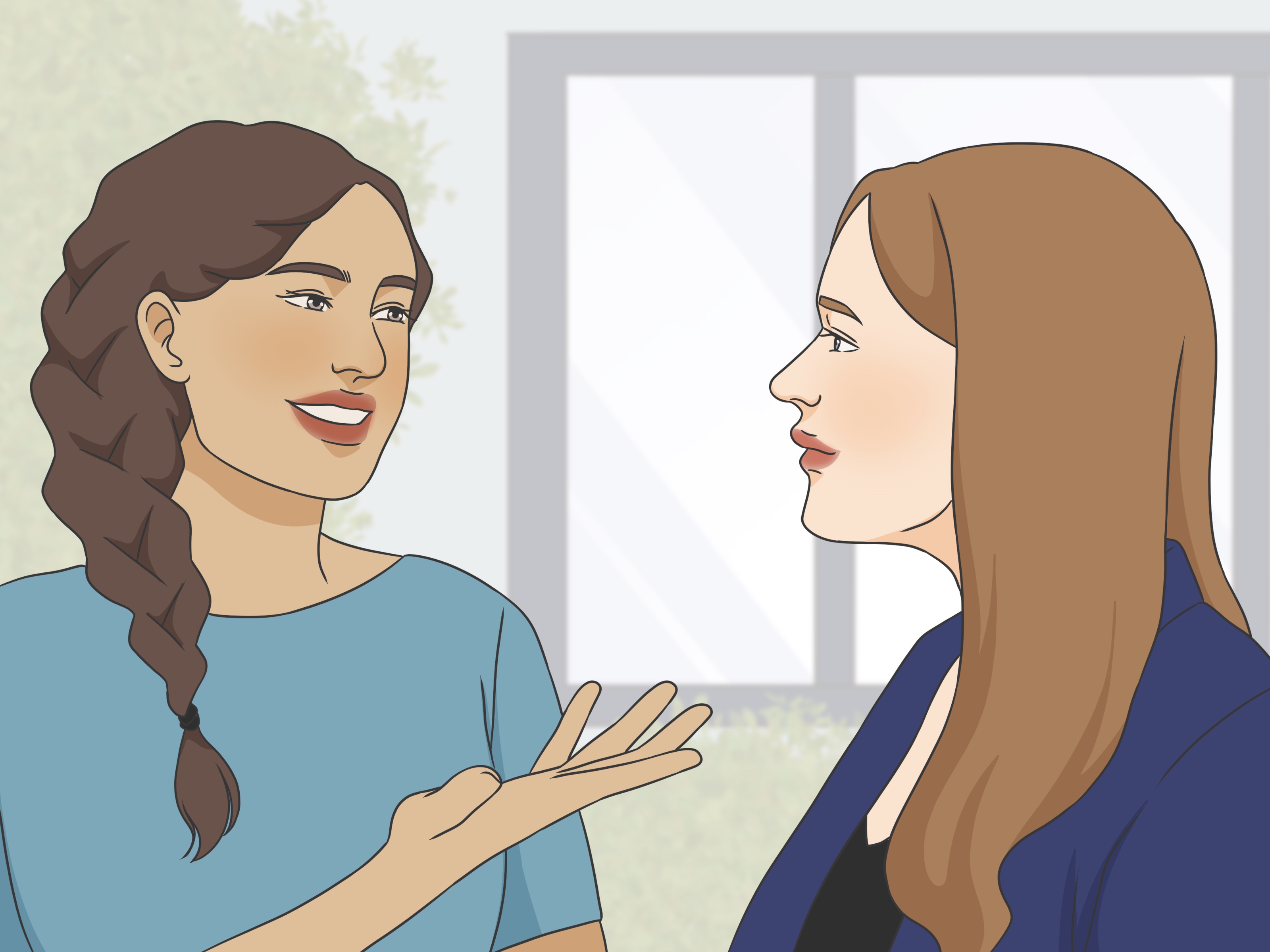

Some people walk into a room and seem instantly easy to talk to. Others walk in looking like they are mentally drafting a strongly worded email to the universe. The good news? Looking approachable is not about changing your personality, becoming wildly extroverted, or smiling so hard your cheeks file a complaint. It is about sending small, clear social signals that say, “I’m open, I’m kind, and I probably won’t judge your coffee order.”
Approachability matters everywhere: at work, on dates, at networking events, in classrooms, at family gatherings, and even while standing awkwardly near the snack table pretending to read the ingredients on a bag of chips. People decide quickly whether someone feels warm, safe, and easy to engage with. Your facial expression, posture, eye contact, tone of voice, listening habits, and even how you hold your phone can shape that impression before you say a word.
This guide breaks down how to look approachable using practical, research-backed communication habits. You do not need a dramatic makeover. You need a few small adjustments that make other people feel more comfortable starting a conversation with you.
Why Looking Approachable Matters
Approachability is a blend of warmth, openness, and social ease. It helps people feel that you are available for conversation and unlikely to dismiss them. In professional settings, an approachable person often earns more trust, receives more honest feedback, and builds stronger working relationships. In social settings, approachability helps friendships begin naturally instead of requiring an Olympic-level icebreaker.
Many people who seem “unapproachable” are not rude at all. They may be shy, tired, focused, anxious, or simply unaware of the signals they are sending. Crossed arms, a tense jaw, constant phone-checking, flat tone, or limited eye contact can accidentally create a “do not disturb” sign. The trick is to make your outside match your good intentions.
How to Look Approachable: 12 Pro Tips
1. Relax Your Face Before You Enter the Room
Your face is usually the first thing people notice. A tight jaw, furrowed brow, or blank stare can make you look annoyed even when you are simply thinking about groceries. Before entering a meeting, party, interview, or coffee shop conversation, take one slow breath and soften your expression.
You do not need to grin like you just won a lifetime supply of tacos. Aim for a calm, pleasant face. Slightly lift your cheeks, relax your forehead, and let your eyes look alert rather than suspicious. A neutral face is not always read as neutral by others; sometimes it is read as “please leave me alone.” A softer expression gives people permission to approach.
2. Use a Genuine, Easy Smile
A smile is one of the fastest ways to look friendly and approachable. The key word is genuine. A natural smile reaches the eyes, appears at the right moment, and fades normally. A forced smile, on the other hand, can make you look like you are posing for a driver’s license photo after three hours at the DMV.
Use a smile when greeting someone, making eye contact, thanking a person, or reacting to something pleasant. If you are nervous, start small. A slight smile is often enough to signal warmth without looking overly eager. In professional settings, a light smile can balance confidence with friendliness. In casual settings, it helps lower social pressure and invites conversation.
3. Keep Your Posture Open
Open body language is one of the clearest signs of approachability. Keep your chest and shoulders relaxed, avoid turning your torso away from others, and try not to fold your arms tightly across your body. Crossed arms do not always mean you are closed off, but people may read them that way.
If you are standing, keep your arms relaxed at your sides, loosely hold a drink, or let your hands rest naturally. If you are sitting, turn your body slightly toward the person speaking. Your posture should say, “I’m present,” not “I am guarding a castle gate.”
4. Make Friendly Eye Contact Without Staring
Good eye contact helps people feel seen and respected. Too little eye contact may seem distracted or uninterested. Too much can feel intense, as if you are trying to discover their Wi-Fi password through their soul.
The best approach is natural rhythm. Look at someone when greeting them, while listening, and when making important points. Break eye contact occasionally by glancing aside, nodding, or looking at shared objects in the environment. In group conversations, share eye contact with everyone instead of locking onto one person like a courtroom drama witness.
5. Angle Your Body Toward People
Approachable people physically include others. When someone speaks, turn your shoulders and feet slightly toward them. This small movement shows attention and respect. If your body points toward the exit, your phone, or the snack table, your words may say “I’m listening,” but your body says “I have emotionally left the building.”
In social gatherings, avoid creating closed circles. If you are talking with a group, leave a small opening in your stance so others can join. At work, when someone stops by your desk, pause and turn toward them if you can. These small gestures make people feel welcome instead of like an interruption.
6. Keep Your Hands Visible and Calm
Hands play a surprisingly important role in approachability. Hidden hands, clenched fists, restless tapping, or constant fidgeting can make others feel uneasy. Visible, relaxed hands tend to communicate openness and comfort.
Use natural gestures when speaking. Open palms, light hand movement, and relaxed fingers can make you seem more expressive and trustworthy. Avoid pointing directly at people, chopping the air too aggressively, or gripping your phone like it contains national secrets. Calm hands help create calm conversations.
7. Put Your Phone Away
Nothing says “please do not talk to me” quite like staring deeply into your phone while standing among actual humans. Even if you are only checking the time, people may assume you are busy, bored, or unavailable.
If you want to look approachable, keep your phone out of your hand when possible. At a networking event, meeting, dinner, or casual hangout, place it face down or in your pocket. This does not mean you must ignore urgent messages. It simply means your default posture should show that the people around you matter more than a glowing rectangle.
8. Nod and React While Listening
Listening is not just silence. Great listeners give small signals that show they are following along. A nod, a short “That makes sense,” or a curious facial expression can encourage the other person to continue. Without those signals, even polite silence can feel like talking to a very well-dressed wall.
Use small reactions naturally. Nod when you understand. Smile when something is funny. Tilt your head slightly when someone shares something thoughtful. Ask a follow-up question instead of instantly switching the topic back to yourself. People feel comfortable around those who make them feel heard.
9. Use a Warm, Clear Tone of Voice
Your voice can make you seem approachable or intimidating, even if your words are perfectly polite. A rushed, sharp, flat, or overly loud tone can create distance. A warm tone, moderate pace, and clear volume help people relax.
Try speaking slightly slower than you do when nervous. Let your sentences breathe. Use friendly phrasing such as “That’s a good point,” “I’d love to hear more,” or “What do you think?” Tone matters especially in professional situations where directness can accidentally sound cold. You can be clear without sounding like a parking ticket.
10. Ask Open-Ended Questions
Approachable people make conversation easier. One of the simplest ways to do that is by asking open-ended questions. Instead of asking, “Did you like the event?” try “What did you think of the event?” Instead of “Are you busy?” try “How has your week been going?”
Open-ended questions give people room to answer honestly. They also show interest without pressure. Keep questions light at first, especially with new people. Ask about shared context: the event, the project, the class, the neighborhood, or the suspiciously popular appetizer everyone keeps returning to.
11. Dress in a Way That Feels Comfortable and Context-Appropriate
Approachability is not about dressing casually all the time. It is about looking comfortable, intentional, and appropriate for the setting. When you feel physically awkward in your outfit, you may move stiffly, avoid interaction, or spend the whole event adjusting your sleeves like they personally betrayed you.
Choose clothing that fits well, suits the occasion, and lets you move naturally. Soft colors, clean lines, and simple accessories can make your appearance feel friendly, but the most important factor is ease. If you are at work, aim for polished but not unapproachable. If you are at a social event, aim for expressive but not costume-party confusing unless, of course, it is a costume party.
12. Offer Small Invitations to Connect
Sometimes people do not approach you because they are unsure whether you want company. Give them a small opening. Say hello first. Make a light comment about the situation. Compliment something specific. Move slightly to create space at a table. Ask, “Mind if I join you?” or “How do you know the host?”
These micro-invitations reduce the effort required for someone else to start talking. You do not have to become the mayor of every room. Just make it easier for others to step into your orbit. Approachability is often less about being dazzling and more about being available.
Common Mistakes That Make You Look Less Approachable
Even friendly people can accidentally send distant signals. One common mistake is multitasking during conversations. Looking around the room, checking notifications, or scanning for someone “more important” makes people feel like placeholders. Another mistake is using closed body language when nervous. Many people fold their arms or look down because they feel shy, not because they are uninterested.
Overcorrecting can also backfire. Too much smiling, intense eye contact, exaggerated nodding, or nonstop questions may feel unnatural. The goal is not to perform friendliness like a customer service robot with excellent posture. The goal is to become easier to read. Warm, calm, and present beats loud, forced, and overly polished.
How to Look Approachable at Work
Workplace approachability is especially important because people often need to ask questions, share updates, raise concerns, or request help. If you look constantly annoyed or unavailable, coworkers may avoid you until small issues become big problems wearing tiny business suits.
Start with simple habits. Greet people when you arrive. Look up when someone speaks to you. Avoid typing while answering unless the matter is urgent. In meetings, use open posture, nod when others contribute, and ask clarifying questions without sounding like a cross-examining attorney. If you manage people, approachability is not optional decoration; it is part of leadership. People are more likely to share useful information when they believe you will listen without embarrassing them.
How to Look Approachable in Social Situations
Social approachability is about reducing tension. At parties, classes, community events, or dates, people are often wondering the same thing: “Is it okay if I talk to you?” Your job is to make the answer easier to read.
Stand where interaction can happen. Avoid hiding in corners unless you truly need a break. Look around the room occasionally instead of locking onto your phone. Smile when you catch someone’s eye. If someone joins your group, shift your body to include them. These tiny adjustments can make you seem friendly without requiring you to become the loudest person in the room.
How to Look Approachable Online and on Video Calls
Approachability also matters on screens. On video calls, your camera angle, lighting, facial expression, and timing all shape how people perceive you. Sit where your face is visible, keep your camera near eye level, and look toward the lens occasionally when speaking. You do not have to stare into it the entire time; that can feel like hosting a hostage video.
Use verbal warmth because body language is harder to read online. Say things like “Good to see you,” “Thanks for explaining that,” or “I’m glad you brought that up.” In written messages, avoid sounding unnecessarily blunt. A short greeting, clear request, and polite close can make emails and chats feel more human.
Experience Section: Real-Life Lessons in Looking More Approachable
One of the most useful lessons about approachability is that people often respond to your energy before they respond to your words. Imagine someone attending a professional event after a long workday. They are not in a bad mood, but they are tired. They stand near the wall, arms crossed, phone in hand, eyes moving around the room. Inside, they may be thinking, “I hope someone nice talks to me.” Outside, they look like they are guarding a museum exhibit.
The shift can be surprisingly small. Put the phone away. Uncross the arms. Turn slightly toward the room. Let the face relax. Smile briefly when someone makes eye contact. Suddenly, the same person looks easier to approach. Nothing magical happened. No personality transplant was required. The body simply stopped sending “closed” signals.
In workplace settings, approachability often shows up in ordinary moments. A coworker asks, “Do you have a second?” If you keep typing and say “Sure,” they may technically have permission, but emotionally they may feel like a nuisance. If you pause, turn toward them, and say, “Yes, what’s up?” the message changes completely. The words are nearly the same, but the experience is different. People remember how safe they felt bringing something to you.
Another common experience happens in group conversations. Someone new joins, and the existing group keeps standing in a tight circle. Nobody means to exclude the newcomer, but the shape of the group says, “This conversation is already full.” When one person steps back, opens the circle, and gives a quick smile, the newcomer has a path in. That small movement can turn awkward hovering into actual connection.
Approachability is also important for shy people. Many introverts worry that looking approachable means being constantly social. It does not. It simply means making your friendliness visible. You can be quiet and approachable. You can be calm and warm. You can enjoy solitude and still let others know that a respectful conversation is welcome. Sometimes the most approachable person in the room is not the loudest one; it is the person who listens well, smiles naturally, and makes others feel unhurried.
There is also a confidence benefit. When you practice open posture, steady eye contact, and warmer greetings, you often begin to feel more socially capable. The outside behavior can influence the inside experience. At first, it may feel deliberate. Over time, it becomes natural. You stop thinking, “Where do I put my hands?” and start thinking, “This conversation is actually going well.” That is progress. Also, your hands are probably fine.
The best real-world approach is to choose two or three habits and practice them for a week. For example, smile when greeting people, put your phone away during conversations, and ask one follow-up question before sharing your own story. These habits are simple, but they change the emotional texture of your interactions. People feel more comfortable around you because you make conversation easier, not harder.
Looking approachable does not mean pleasing everyone or being available every minute. Boundaries still matter. You can look kind while saying no. You can be warm without being overly familiar. True approachability is not about inviting the whole world into your personal space; it is about showing respect, openness, and ease when interaction is appropriate.
Conclusion
Learning how to look approachable is not about pretending to be someone else. It is about removing the accidental barriers that keep people from seeing your warmth. A relaxed face, genuine smile, open posture, friendly eye contact, calm hands, thoughtful listening, and warm tone can completely change how others experience you.
Start small. Put your phone away. Turn toward people when they speak. Ask better questions. Smile like a real human, not a toothpaste billboard. With practice, approachability becomes less of a technique and more of a habit. You will seem easier to talk to because you actually are easier to talk to: present, open, and comfortable enough to let other people feel comfortable too.
Note: This article was created from synthesized guidance on communication, body language, active listening, workplace etiquette, and social psychology, rewritten in original American English for web publishing.