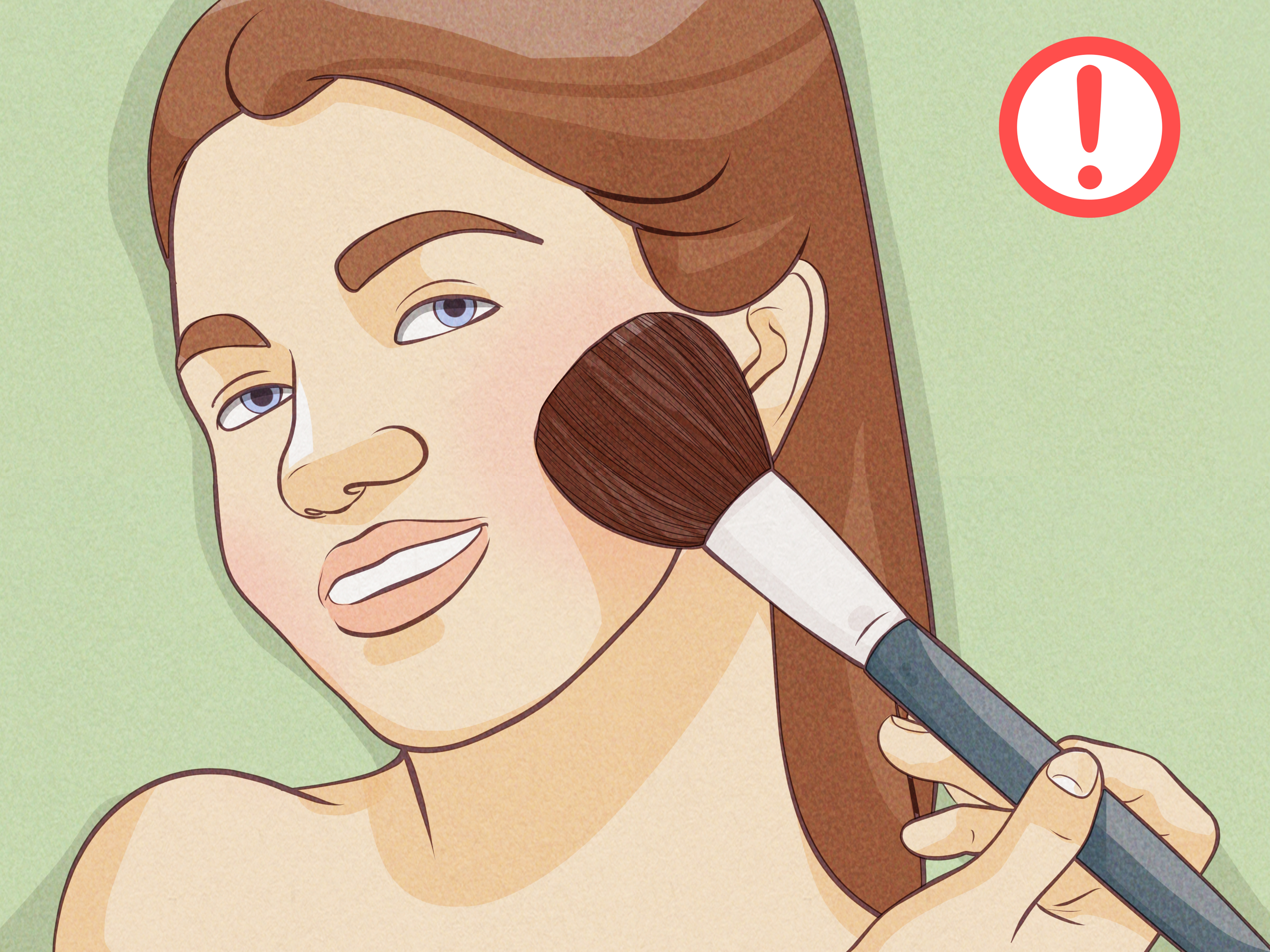

Note: This guide is intended for theater, Halloween, cosplay, short films, school plays, photoshoots, and character makeupnot for misleading parents, teachers, employers, doctors, or anyone who needs honest information about your health. Real illness deserves real care. Fake illness belongs on camera, on stage, or at a costume party where everyone is in on the joke.
Some makeup looks are designed to make you glow like you sleep eight hours, drink green juice, and own matching linen pajamas. This is not one of those looks. Learning how to look sick with makeup is all about doing the opposite of traditional beauty makeup: reduce healthy color, add fatigue, mute the lips, create believable under-eye shadows, and make the skin look a little dull without turning yourself into a cartoon goblin who lost a fight with a flour bag.
The trick is subtlety. A convincing “sick makeup” look for acting or costume design should suggest tiredness, chills, congestion, or general under-the-weather energy. It should not look like a full zombie transformation unless that is the assignment. With the right balance of pale foundation, cool-toned shadows, red detail around the nose, and careful blending, you can create a realistic sickly appearance in 15 practical steps.
What You Need for a Sick Makeup Look
Before you begin, gather a few basic products. You do not need a professional special-effects kit, though theatrical makeup can make the result last longer under lights. For a simple sick makeup tutorial, use a matte primer, foundation one shade lighter than your skin tone, translucent powder, gray or taupe eyeshadow, muted purple or mauve eyeshadow, red or pink cream blush, nude or pale lip color, a small blending brush, a fluffy face brush, cotton swabs, and makeup remover.
Choose products that are meant for the area where you will apply them. Eye-safe products should stay near the eyes, lip products should stay on the lips, and face products should stay on the face. That sounds obvious until someone reaches for a random red craft paint and says, “This will be fine.” It will not be fine. Your skin is not a poster board.
How to Look Sick with Makeup: 15 Steps
1. Start with clean, moisturized skin
Wash your face gently, pat it dry, and apply a light moisturizer. Sick makeup often uses matte textures and powder, which can cling to dry patches if your skin is not prepared. Give your moisturizer a few minutes to settle before applying primer. This makes the makeup easier to blend and easier to remove later.
2. Apply a matte primer
Healthy skin usually has a little glow. For a tired, sickly makeup effect, you want the opposite: a flatter, duller surface. A matte primer helps reduce shine and gives your foundation something to hold onto. Apply a thin layer over the center of your face, especially the forehead, nose, and chin.
3. Use foundation slightly lighter than your natural skin tone
Choose a foundation about one shade lighter than your usual color. Do not go five shades lighter unless your character is “Victorian ghost who has strong opinions about wallpaper.” Blend the foundation into your jawline, neck, and ears so the paleness looks intentional rather than like a mask. A damp sponge works well for a soft, realistic finish.
4. Cancel warmth with a tiny amount of gray or green
To make the complexion look less lively, mix a very small amount of gray-taupe cream product or muted green corrector into the foundation around the cheeks and temples. Use almost nothing at first. The goal is a drained look, not swamp creature cosplay. Blend thoroughly until the color reads as dullness rather than obvious paint.
5. Skip bright blush
Traditional blush makes the face look fresh, cheerful, and alive. For sick makeup, avoid peachy or radiant blush on the apples of the cheeks. If you need color, use a muted mauve or dusty rose very sparingly lower on the cheeks, around the nose, or near the temples. This creates a tired flush instead of a healthy glow.
6. Create under-eye shadows with taupe and mauve
Dark circles are one of the fastest ways to look exhausted. Use a small fluffy brush to blend taupe, gray-brown, or muted mauve eyeshadow under the lower lash line and into the inner corner hollow. Keep the edges soft. Real under-eye darkness is uneven and diffused, not a perfect raccoon circle drawn with enthusiasm and no supervision.
7. Deepen the inner corners of the eyes
Add a little more shadow near the inner corners of the eyes and the side of the nose bridge. This area naturally looks darker when someone is tired. Use a cool brown or purple-gray shade and blend it downward. This step gives the face a worn-out, restless quality that works well for theater, film, and Halloween makeup.
8. Redden the nose carefully
For a cold or flu-inspired character look, tap a tiny amount of red or pink cream blush around the nostrils and the tip of the nose. Blend with a finger or sponge until it looks like irritation from tissues, not clown makeup. You can also add a touch above the upper lip for a congested effect.
9. Add a faint flush around the eyes
Use a very small amount of pink or muted red eyeshadow around the outer corners of the eyes, keeping it away from the waterline unless the product is specifically eye-safe. Blend until the redness is barely there. This can suggest watery, tired eyes without using unsafe products or irritating your actual eyes.
10. Make the lips look dry and pale
Healthy lips are usually rosy or glossy. To look sick with makeup, tone down the lip color. Pat a little foundation or concealer over your lips, then apply a pale nude, beige, or muted mauve lip balm or lipstick. Blot with tissue. For a dry effect, add a tiny bit of powder over the lips, but do not overdo it if your lips are already chapped.
11. Contour lightly under the cheekbones
A cool-toned contour under the cheekbones can make the face look slightly hollow. Use a taupe shade, not a warm bronzer. Bronzer suggests vacation. Taupe suggests “I have been awake since Tuesday.” Blend beneath the cheekbones, along the temples, and under the jawline for a subtle sunken effect.
12. Tone down the eyebrows
Strong, polished brows can make the whole face look more awake. Brush your brows into place, but avoid sharp sculpting or dramatic filling. If your brows are naturally bold, soften them with a tiny touch of foundation on a spoolie. This helps the sick makeup effect feel more believable and less glamorous.
13. Avoid mascara or use it minimally
Heavy mascara opens the eyes and adds polish. For a realistic sickly makeup look, skip mascara or use one light coat only on the upper lashes. Do not curl the lashes dramatically. The goal is tired character makeup, not “sleep-deprived but still somehow ready for a perfume campaign.”
14. Set the look with translucent powder
Dust translucent powder over the T-zone and under the eyes to reduce shine. A matte finish helps sell the pale, tired effect. Be careful not to cake on powder, especially around the nose and mouth. Too much powder can look theatrical in the wrong way, especially in daylight or close-up photos.
15. Check the look under the right lighting
Makeup changes dramatically under different lighting. Stage lights can wash out details, while phone cameras may exaggerate redness and shadows. Check your sick makeup in the lighting where it will be seen. If it is for a play, add slightly more contrast. If it is for a close-up video, blend more than you think you need to.
How to Make the Look More Realistic
The most believable sick makeup comes from restraint. Real tiredness has soft edges, uneven color, and small details. Instead of piling purple eyeshadow under both eyes in perfect half-moons, vary the placement. Make one under-eye slightly darker. Add redness more heavily on one side of the nose. Keep the lips unevenly muted. Real faces are not symmetrical, especially when the character is supposed to look like they lost a battle with a seasonal cold.
Think about the kind of illness or character condition you are trying to suggest. A feverish look may include flushed cheeks, red eyes, and slightly damp-looking skin. A tired look may focus on gray under-eyes, pale lips, and dull skin. A “recovering from a cold” look might include redness around the nostrils and a dry lip texture. A dramatic stage look may need stronger contour and more visible shadows so the audience can read the character from a distance.
Common Mistakes to Avoid
Using pure white foundation
Pure white face paint usually looks supernatural, not sick. Unless you are playing a ghost, use a foundation slightly lighter than your skin and mute it with gray or taupe tones.
Drawing harsh under-eye circles
Hard lines under the eyes look fake. Blend shadow in thin layers and build slowly. A soft wash of taupe and mauve is usually more convincing than a black stripe.
Forgetting the neck
If your face is pale and your neck is warm and healthy-looking, the effect falls apart. Blend foundation and powder lightly down the neck so the color transition is natural.
Adding too much red
Redness around the nose and eyes can look realistic, but too much red turns into clown, vampire, or “I sneezed into a chili pepper.” Start small and blend well.
Using unsafe products near the eyes
Never use craft paint, lip liner, or random pigments near your eyes unless they are labeled safe for eye use. Character makeup should be fun, not a side quest to urgent care.
Makeup Safety Tips Before You Try This Look
Patch test new products before applying them to your whole face, especially if you have sensitive skin. Wash your hands and brushes before starting. Do not share eye products, mascara, or applicators with friends. If a product stings, burns, or causes irritation, remove it immediately.
Remove all makeup before bed. Even if your sick makeup looks award-worthy, sleeping in it can clog pores, irritate skin, and make your pillow look like it joined a haunted theater troupe. Use a gentle makeup remover, cleanse your face, and moisturize afterward.
When to Use Sick Makeup
This look is perfect for Halloween costumes, haunted house characters, stage productions, film scenes, cosplay, creative photography, and makeup practice. It can also help actors understand how visual details support a character. A pale lip, a tired eye, or a reddened nose can tell the audience something before the character says a single line.
However, it is not a good idea to use makeup to fake illness in real-life situations where honesty matters. Do not use it to avoid responsibilities, trick medical professionals, or worry people who care about you. Makeup is storytelling. Use it where storytelling belongs.
Experience Notes: What Practicing Sick Makeup Teaches You
After practicing sick makeup a few times, you start noticing that the best results rarely come from the most dramatic products. The first instinct is usually to grab black eyeshadow and attack the under-eye area like you are shading a thundercloud. That can work for zombies, but for realistic sick makeup, softer colors usually win. Taupe, mauve, gray-brown, dusty pink, and muted red create a more believable effect because they mimic natural shadows and irritation.
One useful experience is testing the look on camera before wearing it anywhere. In a mirror, the makeup may look too subtle. On a phone camera, it may suddenly look intense. Under bright bathroom lighting, your pale foundation might seem invisible. Under warm indoor light, the same foundation may look chalky. Taking a few test photos helps you adjust the balance. If the shadows disappear, deepen them slightly. If the redness looks too obvious, soften it with a sponge and a thin layer of foundation.
Another lesson is that skin texture matters. If your base is too thick, the makeup can look heavy instead of sickly. Real tired skin still looks like skin. A thin layer of foundation, lightly powdered, usually looks more realistic than a full-coverage mask. For stage, you can exaggerate more because the audience is far away. For close-up video or photography, blend until you are almost bored. Then blend a little more.
It also helps to build a small “character story” before applying makeup. Did the character stay awake all night? Focus on under-eye shadows and pale lips. Are they getting over a cold? Add redness around the nostrils and keep the eyes watery-looking with soft pink tones. Are they feverish in a dramatic scene? Add a little uneven flush to the cheeks and temples while keeping the rest of the face dull. When you know the story, your makeup choices become more specific and less random.
Practicing this look also teaches restraint with color. A tiny amount of red cream blush can create convincing irritation. A tiny bit more can look like sunburn. A lot more can look like you lost a debate with a tomato. The same goes for contour. Cool taupe under the cheekbones can create a hollow effect, but harsh brown stripes look like unfinished glam makeup. The safest approach is to apply product in thin layers, step back, and check the whole face before adding more.
Finally, removal is part of the experience. Theatrical or matte makeup can cling to the skin, especially around the nose and eyes. Use a gentle remover and avoid scrubbing. A soft cleansing balm, micellar water, or makeup remover followed by a mild cleanser can take everything off without leaving your skin irritated. Afterward, moisturize. Your fake sick face may have been convincing, but your real skin should feel healthy when the performance is over.
Conclusion
Learning how to look sick with makeup is really a lesson in controlled imperfection. You are not trying to look glamorous, polished, or perfectly symmetrical. You are using pale tones, muted lips, soft shadows, and strategic redness to create a believable character effect. Whether you are preparing for a play, Halloween costume, short film, or creative photoshoot, the secret is to build slowly, blend carefully, and let small details do the acting.
Keep the look safe, skin-friendly, and honest in its purpose. Used responsibly, sick makeup can be a fun and surprisingly clever tool for storytelling. Used badly, it can make you look like you fell asleep in a bag of powdered donuts. Choose wisely, blend generously, and remember: the best fake sick look is the one that makes people say, “Wow, great character makeup,” not “Should we call someone?”