
Losing weight as a teen girl can feel confusing. One minute social media says to drink a neon-green “detox” smoothie. The next minute someone is selling a 7-day plan that sounds suspiciously like “eat sadness with lemon water.” Let’s take a deep breath. Your body is not a group project for strangers on the internet.
The safest way for teen girls to lose weight is not through starvation, skipping meals, diet pills, waist trainers, or dramatic “before and after” pressure. Teen bodies are still growing. Bones are building, hormones are changing, brains are busy, and school already assigns enough homework without adding a miserable crash diet. The real goal is to build habits that help you feel stronger, more energetic, and more confident while protecting your health.
So, can you lose weight quickly and safely? Yes, if “quickly” means making smart changes that start improving your routine right away. No, if “quickly” means trying to force your body to drop a lot of weight in a few days. Healthy weight loss for teen girls should be gradual, supported by adults, and focused on nutrition, movement, sleep, stress, and self-respect. Basically, it is less “punish your body” and more “treat your body like it has to carry you through finals week.”
First, Find Out Whether Weight Loss Is Actually Needed
Before starting any weight loss plan, talk with a parent, caregiver, doctor, pediatrician, or registered dietitian. This is especially important for teen girls because weight, height, puberty stage, menstrual health, sports activity, medications, and family history all matter. A number on the scale does not tell the full story.
Doctors often look at growth charts and body mass index percentiles for teens, not adult BMI rules. Sometimes a teen does not need to “lose weight” at all. She may need to grow into her weight, improve strength, eat more balanced meals, or address body image concerns. In other cases, a doctor may recommend weight management to reduce risks such as high blood pressure, insulin resistance, joint pain, or low energy.
A safe plan starts with this question: “What does my body need to be healthy?” Not: “How can I shrink myself as fast as possible?” That second question is where bad ideas put on sneakers and start sprinting.
What “Quick and Safe” Really Means
For teen girls, quick progress usually looks like better daily choices that begin working within days or weeks. You may notice less bloating from drinking more water, better energy from eating breakfast, improved mood from walking daily, or fewer snack cravings from sleeping enough. These changes are meaningful, even if the scale is not performing a dramatic movie scene.
Safe weight loss means your body still gets enough food, protein, calcium, iron, fiber, healthy fats, and carbohydrates. Yes, carbohydrates. Your brain uses them, your muscles use them, and your math homework probably needs all the help it can get. A healthy plan does not remove entire food groups unless a medical professional recommends it.
Step 1: Build Meals Around the “Balanced Plate” Method
The easiest way to eat healthier without turning lunch into a spreadsheet is to use the balanced plate method. Picture your plate divided into sections:
- Half fruits and vegetables
- One quarter lean protein
- One quarter whole grains or starchy foods
- A side of dairy or fortified soy alternative when appropriate
- Water as the go-to drink
This approach helps teen girls eat fewer empty calories while still getting nutrients for growth. Good protein choices include eggs, chicken, turkey, fish, tofu, beans, lentils, Greek yogurt, cottage cheese, and lean meat. Whole grains include oatmeal, brown rice, whole-wheat bread, whole-grain pasta, quinoa, and popcorn without a butter swimming pool.
For fruits and vegetables, variety matters. Add berries to breakfast, carrots to lunch, salad with dinner, or frozen vegetables to noodles. Frozen and canned options can be healthy too; look for lower-sodium vegetables and fruit packed in water or juice instead of heavy syrup.
Step 2: Stop Skipping Breakfast
Skipping breakfast may seem like a fast way to cut calories, but it often backfires. By mid-morning, hunger can show up like an angry raccoon. Then vending machine cookies suddenly look like a life plan.
A balanced breakfast helps stabilize energy and makes it easier to choose healthier foods later. It does not have to be fancy. Try oatmeal with banana and peanut butter, eggs with whole-grain toast, Greek yogurt with berries, a smoothie with fruit and protein, or a bean-and-egg breakfast taco. If mornings are chaotic, prepare something the night before, such as overnight oats or a yogurt parfait.
Step 3: Choose Drinks That Don’t Secretly Snack for You
Sugary drinks are one of the simplest places to make a quick change. Soda, sweet tea, energy drinks, fancy coffee drinks, lemonade, and sports drinks can add a lot of sugar without making you feel full. Your body may not register liquid calories the same way it registers a meal, which means you can drink extra calories and still feel hungry.
Water is the best everyday drink. If plain water feels boring, add lemon, cucumber, berries, mint, or a splash of 100% fruit juice. Milk or fortified soy milk can also fit into a healthy routine because teen girls need calcium and vitamin D for bones. Sports drinks are usually unnecessary unless you are doing long, intense exercise in heat or have been told to use them by a coach or healthcare professional.
Step 4: Make Snacks Work for You
Snacks are not the enemy. Random grazing while scrolling for two hours? That can be a problem. A smart snack should help you stay satisfied between meals, especially during school, sports, or homework marathons.
Great snack ideas include apple slices with peanut butter, string cheese and fruit, hummus with carrots, Greek yogurt, a boiled egg, tuna on whole-grain crackers, edamame, trail mix in a small portion, or a smoothie made with fruit and protein. The magic formula is usually fiber plus protein. Fiber keeps digestion happy; protein helps fullness last longer. Together, they are the snack version of a reliable friend who actually texts back.
Step 5: Move for at Least 60 Minutes a Day
Teen girls should aim for about 60 minutes of physical activity daily. That does not mean you must run laps until your soul leaves your body. Movement can be fun, social, and flexible. Walking, dancing, biking, swimming, basketball, soccer, volleyball, martial arts, skating, hiking, jump rope, yoga, strength training, and active video games all count when they get your body moving.
For weight loss and fitness, combine three types of activity:
Cardio
Cardio gets your heart pumping. Try brisk walking, jogging, dancing, cycling, swimming, or sports. Start small if you are not active now. Ten minutes after school is better than a heroic plan that lasts one day and ends with you declaring your sneakers “emotionally unavailable.”
Strength Training
Strength training helps build muscle, support bones, improve posture, and boost confidence. Begin with bodyweight moves such as squats, wall push-ups, lunges, planks, glute bridges, and step-ups. Focus on good form, not heavy weights. If you use weights, bands, or machines, ask a coach, trainer, or knowledgeable adult to teach proper technique.
Everyday Movement
Take stairs, walk the dog, clean your room with dramatic music, stretch during study breaks, or walk while talking on the phone. Small movement adds up, and unlike a crash diet, it does not make everyone around you hide the bread.
Step 6: Sleep Like It’s Part of the PlanBecause It Is
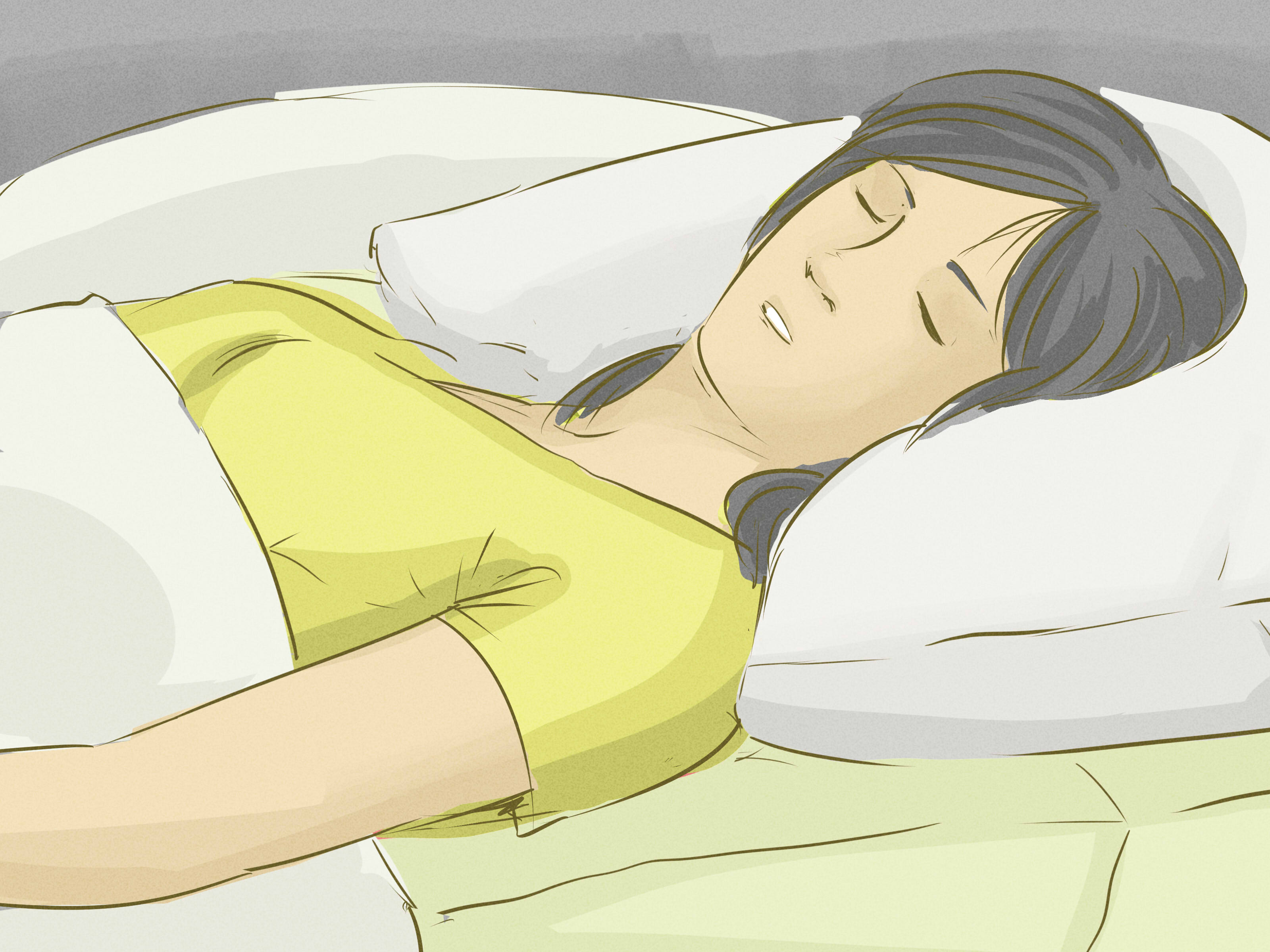
Teen girls generally need 8 to 10 hours of sleep per night. Sleep affects hunger hormones, energy, mood, school focus, sports performance, and cravings. When you are exhausted, your brain may ask for quick energy from chips, sweets, and oversized coffee drinks. It is not a moral failure; it is biology wearing pajamas.
Try setting a consistent bedtime, charging your phone outside the bed, reducing caffeine in the afternoon, and creating a calming routine. A dark, cool room helps. So does not watching “one more episode” until the episode becomes sunrise.
Step 7: Don’t Fear Carbs, Fat, or Food in General
Many unsafe teen diets demonize carbs or fats. But teen girls need carbohydrates for energy and healthy fats for hormones, brain function, and satisfaction. The key is choosing better sources most of the time.
Choose whole grains, fruit, beans, potatoes, corn, and oats instead of relying mostly on candy, pastries, chips, and sugary cereal. Choose healthy fats from avocado, nuts, seeds, olive oil, peanut butter, eggs, and fish. You do not need to eat perfectly. In fact, trying to eat perfectly can become stressful and unhealthy. A cupcake at a birthday party is not a disaster. It is a cupcake, not a villain origin story.
Step 8: Watch Portions Without Obsessing
Portion control can help with weight management, but it should not turn meals into a math exam. Instead of counting every crumb, use simple habits. Eat from a plate instead of a bag. Slow down. Pause halfway through a meal and ask, “Am I still hungry?” Add vegetables to make meals more filling. Put snacks in a bowl rather than bringing the whole package to your desk.
Another helpful trick is the “add before subtract” method. Add fruit to breakfast, add vegetables to lunch, add protein to snacks, add water during the day. When nutritious foods increase, less helpful foods often decrease naturally.
Step 9: Be Careful With Social Media Weight Loss Advice
Teen girls are surrounded by body messages from TikTok, Instagram, YouTube, celebrities, filters, and classmates. Some advice is harmless. Some is nonsense wearing lip gloss. Be skeptical of anyone promising fast weight loss through detox teas, laxatives, appetite suppressants, extreme fasting, “flat tummy” products, or workouts designed to punish you for eating.
Also remember that online bodies are often edited, posed, filtered, genetically different, professionally lit, or simply none of your business. Your body is not supposed to look like everyone else’s. Healthy weight loss should improve your life, not make your world smaller.
Step 10: Know the Red Flags of Unsafe Weight Loss
Stop and talk to a trusted adult or healthcare professional if you notice any of these warning signs:
- Skipping meals often or feeling afraid to eat
- Dizziness, fainting, weakness, or feeling cold all the time
- Hair loss or brittle nails
- Missing periods or irregular periods
- Exercising even when injured, sick, or exhausted
- Using laxatives, diet pills, vomiting, or “detox” products
- Constantly checking the scale or mirror
- Feeling guilty after eating normal meals
- Avoiding friends, family meals, or social events because of food
These signs can point to disordered eating or an eating disorder. Eating disorders can affect people at any body size. You do not have to look “too thin” to need help. Getting support early is strong, smart, and brave.
A Simple 7-Day Healthy Start Plan
This is not a crash diet. It is a gentle reset to help you build momentum safely.
Day 1: Upgrade Breakfast
Eat a breakfast with protein and fiber, such as eggs with whole-grain toast or yogurt with fruit and oats.
Day 2: Switch One Sugary Drink
Replace one soda, sweet tea, or sugary coffee drink with water, sparkling water, or milk.
Day 3: Walk for 20 Minutes
Take a brisk walk after school or dinner. Invite a friend if that makes it more fun.
Day 4: Build a Better Snack
Try fruit plus protein, such as apple with peanut butter or berries with Greek yogurt.
Day 5: Add Vegetables Twice
Add vegetables at lunch and dinner. Keep it simple: salad, carrots, cucumbers, broccoli, peppers, or frozen vegetables.
Day 6: Do a Beginner Strength Circuit
Try 2 rounds of 10 squats, 8 wall push-ups, 10 glute bridges, and a 20-second plank. Stop if anything hurts.
Day 7: Set Up Sleep
Choose a bedtime routine: shower, pajamas, phone away, dim lights, and something calming. Your future self will thank you, possibly with fewer under-eye circles.
Healthy Meal Examples for Teen Girls
Here are realistic meals that support safe weight loss without making life boring:
- Breakfast: Oatmeal with banana, cinnamon, and peanut butter
- Lunch: Turkey or hummus wrap with lettuce, tomato, fruit, and yogurt
- Snack: String cheese with grapes or carrots with hummus
- Dinner: Chicken, tofu, or beans with brown rice and vegetables
- Dessert: A small treat, fruit, or yogurt depending on what sounds good
The best eating plan is one you can actually follow. If your family eats rice, tortillas, noodles, potatoes, or traditional foods, you do not need to abandon them. Adjust portions, add vegetables, include protein, and enjoy meals without shame.
How Parents and Caregivers Can Help
Teen girls do better when healthy changes feel supportive, not like a household courtroom. Parents should avoid teasing, body comments, weigh-in pressure, or comparing siblings. Focus on family habits: cooking balanced meals, keeping nourishing snacks available, eating together when possible, walking after dinner, and limiting sugary drinks at home.
The message should be: “We care about your health and happiness,” not “Your body is a problem.” That difference matters more than many adults realize.
Experience Section: What Safe Weight Loss Feels Like in Real Life
Safe weight loss for teen girls usually does not feel like a dramatic reality show transformation. It feels more like learning how your body works, making small choices, and noticing that those choices stack up. At first, it may even feel too simple. Drink more water? Eat breakfast? Walk more? Sleep earlier? Where is the cinematic training montage?
But real progress often starts quietly. Imagine a teen girl named Maya. She wants to lose weight before summer because she feels uncomfortable in her clothes and tired during gym class. Her first instinct is to skip lunch. By 3 p.m., she is starving, cranky, and ready to eat an entire pantry shelf. After talking with her mom and doctor, she tries a different plan. She packs a lunch with a turkey sandwich, grapes, carrots, and yogurt. She still has an after-school snack, but now it is peanut butter on toast instead of two bags of chips eaten while scrolling. Within a week, she feels less out of control around food.
Another teen, Alina, hates sports. Every weight loss article seems to assume she secretly wants to become a track star. She does not. Running makes her feel like her lungs are filing a complaint. So she starts dancing in her room for 15 minutes after school. Then she adds weekend walks with her cousin. Later, she tries beginner strength exercises from her school fitness class. She does not become a different person overnight. She becomes a more active version of herself, which is much more useful.
Then there is the sleep problem. Many teen girls try to improve food and exercise while sleeping five or six hours. That is like trying to charge your phone with a spaghetti noodle. When sleep improves, cravings often feel less intense, workouts feel easier, and emotions become less chaotic. A consistent bedtime may not sound glamorous, but neither is crying over algebra because your brain is running on fumes.
One of the biggest experiences teen girls report when they choose safe habits is relief. They no longer have to follow weird food rules. They can eat dinner with family. They can enjoy a slice of pizza with friends and return to normal meals afterward. They learn that one snack does not ruin progress, one workout does not create fitness, and one bad day does not define anything.
Safe weight loss also teaches patience. Some weeks the scale may not move. That can be frustrating, especially when online videos make weight loss look instant. But other signs matter: clothes fitting better, stronger legs, improved mood, clearer hunger cues, better sleep, fewer energy crashes, and more confidence. These are victories too.
The most important experience is learning to respect your body while changing your habits. You can want to be healthier without hating yourself. You can work toward weight loss without treating food like the enemy. You can care about appearance without letting appearance run your life. The safest plan is the one that helps you become healthier physically and mentally. If a plan makes you isolated, anxious, dizzy, ashamed, or obsessed, it is not a healthy plan, even if someone online says it “works.”
Conclusion
Learning how to lose weight quickly and safely as a teen girl starts with rejecting dangerous shortcuts. Crash diets, skipped meals, diet pills, and extreme exercise can harm growing bodies and increase the risk of disordered eating. A safer approach focuses on balanced meals, daily movement, enough sleep, water, smart snacks, family support, and guidance from a healthcare professional.
Quick progress is possible when you choose habits that improve energy and confidence right away. Safe progress lasts because it fits real life. Your goal is not to become smaller at any cost. Your goal is to become healthier, stronger, and more comfortable in your bodywithout giving up joy, pizza nights, birthday cake, or your sanity.