
Making $1000 a week with Uber Eats sounds like the kind of internet promise usually parked next to “get rich while sleeping” and suspicious photos of rented Lamborghinis. But with Uber Eats, the number is possible in some marketsespecially if you treat delivery like a small business, not a random button you tap when rent starts making eye contact with you.
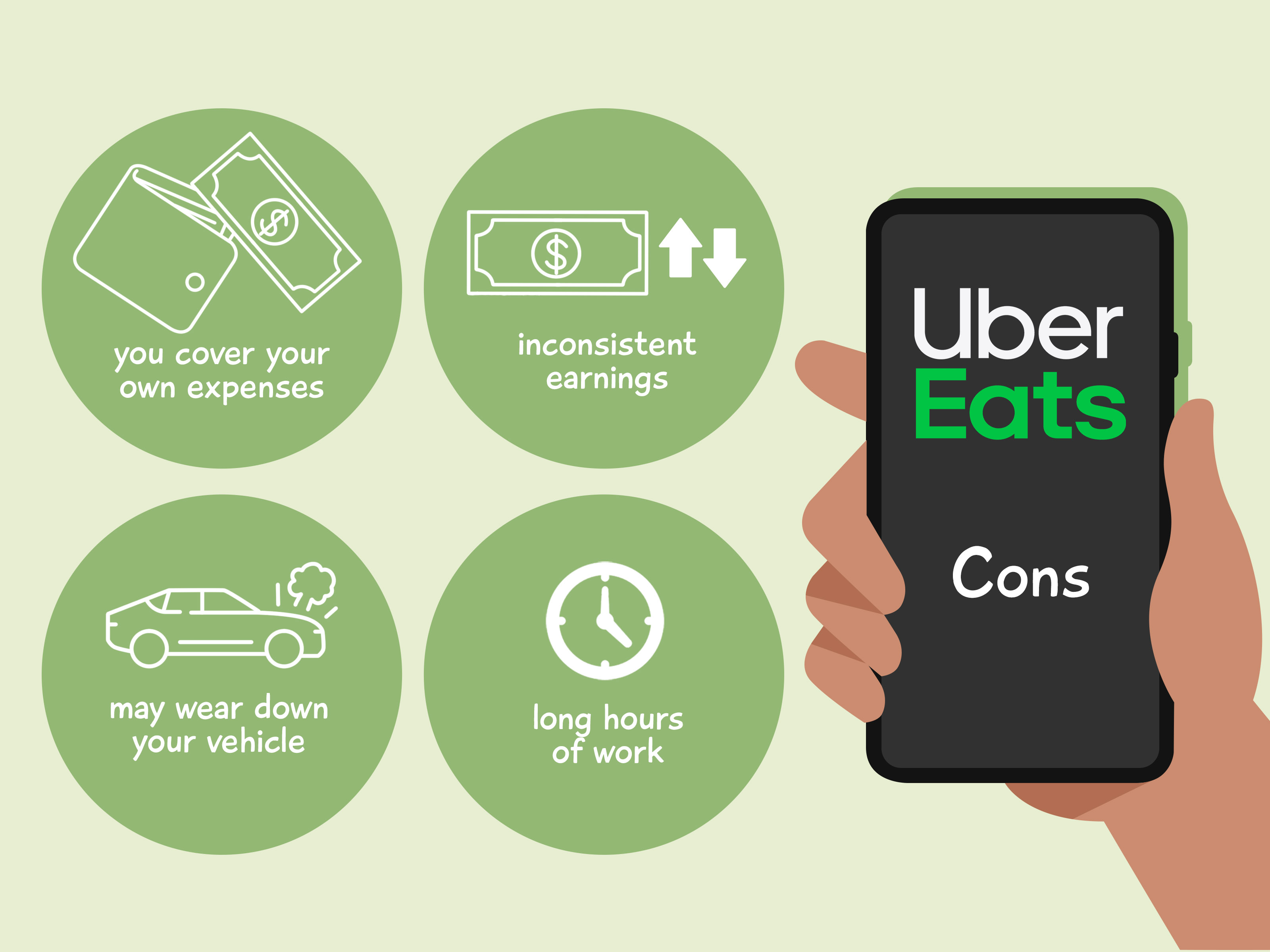
Here is the honest version: $1000 a week is usually a gross earnings target, not pure profit. Gas, maintenance, insurance, phone costs, taxes, and the occasional emotional damage from waiting 18 minutes for fries all matter. To reach $1000, many drivers need a focused schedule, smart order selection, peak-hour driving, tip-friendly service, and disciplined expense tracking.
Uber Eats drivers earn through a mix of delivery pay, promotions, and customer tips. In many cities, the app shows estimated pay before you accept an order, and drivers can use weekly deposits or Instant Pay options. The challenge is not simply “drive more.” The real challenge is learning when, where, and how to drive so your hours are not swallowed by low-paying trips, restaurant delays, dead miles, and slow zones.
This guide breaks down 13 practical strategies to help you build a realistic plan for earning $1000 a week with Uber Eats while protecting your time, your vehicle, and your sanity.
Can You Really Make $1000 a Week with Uber Eats?
Yes, but it depends heavily on your city, schedule, transportation costs, delivery speed, customer tips, and how selective you are with orders. A driver in a dense area with strong lunch and dinner demand has a very different earning opportunity than someone delivering in a quiet suburb at 2:17 p.m. on a Tuesday, when the only order nearby is one smoothie traveling nine miles like it has diplomatic immunity.
To understand the math, divide the weekly goal by your target hourly earnings:
- $1000 per week at $20 per hour = 50 active hours
- $1000 per week at $25 per hour = 40 active hours
- $1000 per week at $30 per hour = about 34 active hours
The goal is not only to work longer. The better goal is to raise your average hourly earnings by stacking smart choices: drive during demand spikes, avoid time-wasting orders, reduce mileage, improve tips, and monitor expenses.
13 Easy Strategies to Make $1000 a Week with Uber Eats
1. Start with a Weekly Earnings Plan
A $1000 week needs a plan before the first delivery. Do not simply open the app and hope the burrito gods bless you. Decide how many days you will work, which peak hours you will target, and what daily income goal you need.
For example, if you drive five days a week, you need about $200 per day. If you drive six days, you need about $167 per day. Breaking the goal into daily targets makes it feel less like climbing Mount Everest and more like climbing a hill with snacks.
A sample schedule might look like this:
- Monday: $120 to $150, shorter shift
- Tuesday: $120 to $150, shorter shift
- Wednesday: $150 to $180
- Thursday: $170 to $200
- Friday: $220 to $280
- Saturday or Sunday: $250 to $350
The biggest takeaway: let busy days do more heavy lifting. Weekends, dinner rushes, events, and rainy days often create stronger opportunities than slow weekday afternoons.
2. Drive During Peak Meal Times
Uber Eats is a food delivery platform, so demand usually follows human hunger. That means breakfast, lunch, dinner, late-night cravings, and “I refuse to cook because the couch has accepted me as family.”
The most useful windows are often:
- Lunch: 11 a.m. to 2 p.m.
- Dinner: 5 p.m. to 9 p.m.
- Late night: 9 p.m. to midnight in college towns, downtown areas, and nightlife districts
- Weekend brunch: especially in cities with busy café and breakfast restaurant traffic
Driving eight random hours may earn less than driving four excellent hours. If your goal is $1000 a week, your schedule should be built around demand, not convenience alone.
3. Learn the Best Delivery Zones in Your Market
Every city has money zones and time traps. A money zone has plenty of restaurants, short delivery distances, easy parking, and customers who tip well. A time trap has slow restaurants, apartment mazes, terrible parking, and orders that send you into the wilderness for $4.82.
Look for areas with:
- High restaurant density
- Short distances between restaurants and customers
- Office buildings during lunch
- Residential neighborhoods during dinner
- Hotels, campuses, hospitals, and entertainment districts
Track your results by zone. After a week, you may notice that one neighborhood consistently produces better tips and shorter trips. That is your office now. Congratulationsyou have a corner office, except it has cup holders.
4. Be Selective with Orders
Not every order deserves your wheels. One of the fastest ways to increase Uber Eats earnings is to judge each request by pay, distance, time, pickup location, and drop-off complexity.
A common rule many drivers use is to look for orders that pay at least $1.50 to $2.00 per mile, although your ideal number may vary by market, gas prices, and vehicle type. A $10 order going three miles is usually more attractive than a $12 order going 14 miles into an area where you may not get another request.
Before accepting, consider:
- Total estimated pay
- Total mileage
- Estimated time
- Restaurant reliability
- Whether the drop-off area has more restaurants nearby
- Parking and apartment access
High earnings come from protecting your time. Low-paying orders are not just small payments; they are missed opportunities to accept better ones.
5. Avoid Restaurants That Waste Your Time
Some restaurants are fast, organized, and beautiful to work with. Others operate like the chicken sandwich is being negotiated by a committee. Waiting 15 or 20 minutes for an order can crush your hourly rate.
Keep a mental blacklist of restaurants that are consistently late, crowded, understaffed, or confused by the revolutionary idea of having food ready. One bad wait is not enough to ban a place forever, but patterns matter.
Fast pickups are the secret sauce. If you complete three short, decent-paying deliveries per hour instead of one slow delivery, your weekly earnings change dramatically.
6. Use Promotions, Boosts, Quests, and Busy Areas
Uber Eats may offer promotions in certain cities or time periods. These can include busy-area incentives, Quest-style bonuses, or other rewards based on demand and app activity. Promotions are not always available, and they can vary by location, but they are worth checking before building your schedule.
Open the Driver app and review your earnings, promotions, and map before starting a shift. A bonus window can turn a decent night into a strong one. However, do not chase promotions blindly. If every driver in town floods the same zone, you may spend more time waiting than earning.
The best approach is simple: use promotions as a multiplier, not a strategy by themselves.
7. Improve Your Tip Potential
Tips can make or break an Uber Eats week. You cannot control every customer, but you can improve the odds of better tips with professional service.
Tip-friendly habits include:
- Using an insulated delivery bag
- Keeping drinks stable and separated from hot food
- Following delivery instructions carefully
- Sending a short, polite message if the restaurant is delayed
- Taking clear drop-off photos
- Placing food away from outward-opening doors
A simple message like “Hi, I’m waiting at the restaurant now. They said it should be ready shortly. I’ll head your way as soon as I have it” can reassure customers and reduce frustration. Do not over-message, though. Nobody needs a live documentary called The Journey of Your Nachos.
8. Reduce Dead Miles
Dead miles are miles driven without earning money. They happen when you drive from home to a hot zone, return from a far drop-off, circle for parking, or chase orders across town.
To reduce dead miles:
- Start your shift near restaurant clusters
- Avoid orders that end in low-demand areas
- Do not drive too far chasing a hotspot
- Use a mileage tracker
- Pause and reposition strategically instead of wandering
Two drivers can earn the same gross pay, but the one with fewer miles keeps more money. Making $1000 a week is nice. Spending half of it feeding your gas tank like a hungry dragon is less nice.
9. Track Expenses Like a Business Owner
Uber Eats delivery is gig work, but if your goal is $1000 a week, you should think like a business owner. Track mileage, fuel, maintenance, parking, tolls, phone expenses, delivery bags, and any other work-related costs.
Gig income is taxable, and independent contractors are generally responsible for their own tax planning. The IRS standard mileage rate can be useful for estimating vehicle deductions, but drivers should keep accurate records and consult a tax professional when needed.
Important expenses to track include:
- Business mileage
- Gas or charging costs
- Oil changes and maintenance
- Tires and brakes
- Phone mount and charger
- Insulated delivery bags
- Parking fees and tolls
- Part of your phone bill used for delivery work
Your real income is not what the app says at the end of the week. Your real income is what remains after expenses and taxes.
10. Use the Right Vehicle for Your Market
Your vehicle can decide whether $1000 a week is exciting or exhausting. A fuel-efficient car, hybrid, scooter, e-bike, or bicycle may improve profitability depending on your city.
In dense urban areas, bikes and e-bikes can be excellent because parking is easier and short trips are common. In spread-out suburbs, a fuel-efficient car may be more realistic. In bad weather or late-night zones, a car may also feel safer and more comfortable.
Before chasing weekly gross income, estimate your cost per mile. A driver earning $25 per hour with high fuel and repair costs may take home less than a driver earning $21 per hour in a cheaper vehicle.
11. Stack Short, Efficient Deliveries
Short deliveries are often the backbone of strong Uber Eats earnings. A $7 order that takes 15 minutes and goes two miles can be better than a $16 order that takes 50 minutes and leaves you far from restaurants.
Look for orders that let you stay inside a busy delivery loop. The ideal loop has restaurants, nearby customers, and more restaurants close to the drop-off point. When your drop-off location feeds you into another order, your hourly rate improves.
This is why experienced drivers often reject long-distance orders unless the pay is truly worth it. Distance is not just mileage. Distance is time, fuel, risk, and the possibility of ending up in a neighborhood where the app becomes as quiet as a library at midnight.
12. Protect Your Ratings and Reliability
Good service can help you stay active, qualify for certain rewards, and improve your overall delivery experience. Uber Eats Pro and similar reward programs may consider factors like satisfaction ratings, cancellation rate, acceptance rate, and points in select markets.
To protect your account:
- Cancel only when necessary
- Check order names carefully
- Confirm drinks and obvious missing items when possible
- Communicate politely
- Follow app instructions
- Do not argue with customers or restaurant staff
Your account is your access to earnings. Treat it like a business asset, because it is.
13. Build a Weekly Review Habit
The best drivers review their numbers. At the end of each week, write down your gross earnings, hours online, active hours, miles, fuel costs, best zones, worst restaurants, average pay per mile, and average pay per hour.
Ask yourself:
- Which days produced the best earnings?
- Which times were slow?
- Which restaurants wasted time?
- Which zones had the best tips?
- How many miles did I drive per dollar earned?
- What should I change next week?
A $1000 week is easier to repeat when you know why it happened. Without tracking, you are guessing. With tracking, you are improving.
A Realistic $1000 Weekly Uber Eats Schedule
Here is a sample schedule for a driver in a busy market. Your results will vary, but this shows how a $1000 gross week might be structured:
| Day | Shift | Goal |
|---|---|---|
| Monday | Dinner only | $120 |
| Tuesday | Dinner only | $120 |
| Wednesday | Lunch + dinner | $160 |
| Thursday | Dinner + late night | $170 |
| Friday | Lunch + dinner + late night | $250 |
| Saturday | Brunch + dinner | $280 |
Total target: $1100 gross. That extra $100 gives breathing room for slow periods, canceled orders, restaurant delays, fuel costs, or the universe deciding that every customer suddenly wants delivery from 11 miles away.
Common Mistakes That Keep Drivers Below $1000 a Week
Many drivers work hard but still struggle because they repeat avoidable mistakes. The most common ones include accepting too many low-paying orders, driving during slow hours, ignoring expenses, waiting too long at restaurants, chasing hotspots across town, and failing to track mileage.
Another mistake is focusing only on gross pay. A $1000 week can look impressive until you subtract $180 in fuel, $60 in maintenance reserves, tolls, parking, and taxes. Real profit matters more than app screenshots.
of Practical Experience: What $1000 Weeks Actually Feel Like
A strong Uber Eats week usually does not feel glamorous. It feels organized. The drivers who come closest to $1000 consistently are not always the fastest drivers or the luckiest drivers. They are the ones who develop routines and stop making the same expensive mistakes.
One common experience is learning that dinner rush is not optional. Many new drivers begin with random afternoon shifts because the roads are calmer. The problem is that calmer roads often mean fewer orders. After a few slow afternoons, most serious drivers realize that peak hours are where the money is hiding. Dinner may be busier, parking may be annoying, and restaurants may be crowded, but the order volume is usually better.
Another experience is discovering that some restaurants are simply not worth the trouble. A driver may accept a good-looking $11 order, arrive at the restaurant, and then hear the dreaded sentence: “It’ll be just five more minutes.” In restaurant language, five minutes can mean five minutes, twelve minutes, or “please start a new life while you wait.” After enough delays, experienced drivers create their own personal map of reliable and unreliable pickups.
Customer instructions also become more important over time. The difference between an average driver and a tip-friendly driver is often attention to detail. Customers appreciate when food is not placed directly in front of a screen door, drinks are not tipped over, and messages are polite but not excessive. Small service habits can turn a standard delivery into a better tip, especially on larger orders.
Many drivers also learn that long-distance orders can be sneaky. A $20 offer looks great until it sends you 16 miles away from your busy zone. Now you have to drive back unpaid, which can turn a strong order into an average one. Experienced drivers think about where the order ends, not just where it starts.
Bad weather can create opportunity, but it also creates risk. Rainy nights may bring more orders and better tips, but they can also mean slower roads, harder parking, and more dangerous driving. The best drivers prepare with phone mounts, chargers, waterproof clothing, insulated bags, and common sense. No weekly goal is worth an accident.
The emotional side matters too. Some days are strangely good; others are painfully slow. A driver might make $240 on Friday and only $90 on Monday. That does not always mean the strategy is broken. It means weekly averages matter more than one shift. The best mindset is calm, flexible, and numbers-driven.
Finally, drivers who chase $1000 weeks usually learn to respect rest. Driving tired leads to missed turns, bad decisions, poor service, and safety issues. A profitable schedule should include breaks, meals, water, and enough sleep. Uber Eats can be a solid income tool, but only when the driver treats themselves like the most important equipment in the vehicle.
Conclusion
Making $1000 a week with Uber Eats is possible in the right market, but it is not automatic. The drivers who get closest to that goal treat delivery like a business. They work peak hours, learn profitable zones, reject weak orders, protect tips, track mileage, control expenses, and review their results every week.
The smartest path is to focus on profit, not just gross earnings. A $1000 week looks great, but what matters most is what you keep after gas, maintenance, taxes, and time. Start with a realistic schedule, improve one habit at a time, and let your own data guide your decisions. The app gives you offers; your strategy decides whether those offers turn into real income.
Note: Earnings are not guaranteed. Uber Eats pay varies by city, demand, vehicle costs, customer tips, promotions, weather, taxes, and individual driver decisions. Use this guide as an educational strategy article, not financial or tax advice.