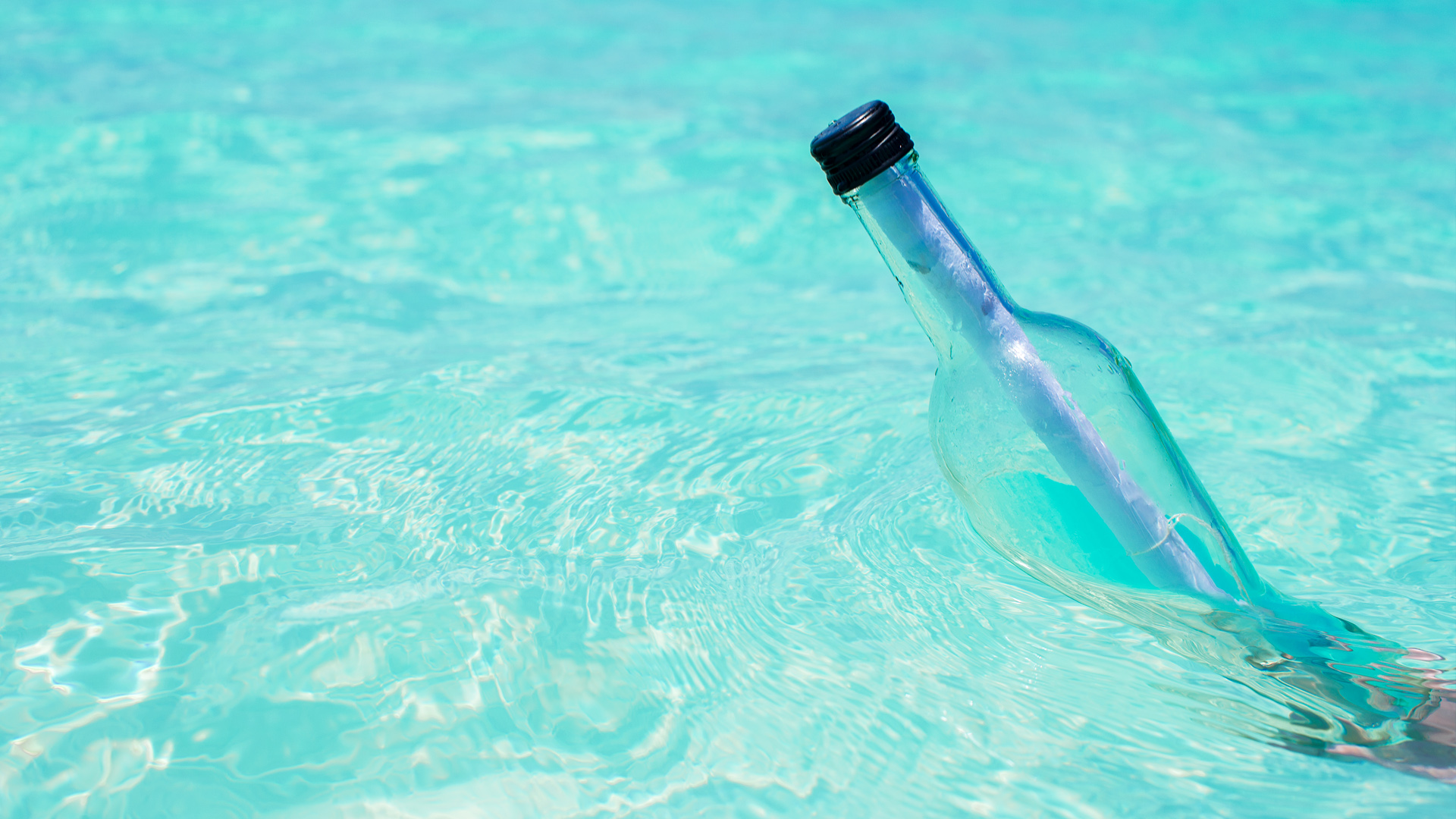

A message in a bottle is one of those crafts that seems to arrive with its own soundtrack: gentle waves, distant seagulls, and perhaps one dramatic violin. The good news is that you do not need a pirate ship, a private island, or a suspiciously well-trained seagull to make one. You only need a bottle, a note, a little imagination, and a plan that keeps your creation out of actual waterways.
Whether you are making a romantic keepsake, a birthday surprise, a classroom activity, wedding decor, a scavenger-hunt clue, or a tiny time capsule, a DIY message in a bottle can feel personal in a way that a text message never quite manages. It is part letter, part decoration, and part treasure map waiting for someone to discover it.
Why Make a Message in a Bottle?
People have used bottles to carry notes, preserve memories, and create dramatic surprises for a very long time. Researchers once used labeled bottles to help study water currents, while storytellers turned the idea into a symbol of hope, mystery, and long-distance connection. Today, the safest and most meaningful version is usually much closer to home: a bottle delivered to a friend, tucked into a gift basket, placed on a mantel, or hidden for a loved one to find.
A handmade bottle message works because it slows things down. Instead of sending three heart emojis and immediately refreshing your phone, you create something tactile. Someone has to hold the bottle, notice the rolled paper, remove the cork, and unfold the note. That tiny ceremony makes even a simple message feel more important.
What You Need to Make a Message in a Bottle
You can make a beautiful message in a bottle with supplies you may already have at home. The fanciest materials are optional. The imagination is doing most of the heavy lifting here.
- A clean glass bottle or small clear jar with a wide enough opening
- A cork, stopper, screw-top lid, or wooden cap
- Paper for the message, such as stationery, kraft paper, parchment-style paper, or cardstock
- A pen or fine-tip marker
- Twine, ribbon, string, or embroidery floss
- Scissors
- Optional decorations: sand, shells, dried flowers, sea glass, tiny charms, confetti, beads, or miniature photos
- Optional wax seal, sticker, tag, label, or paint marker
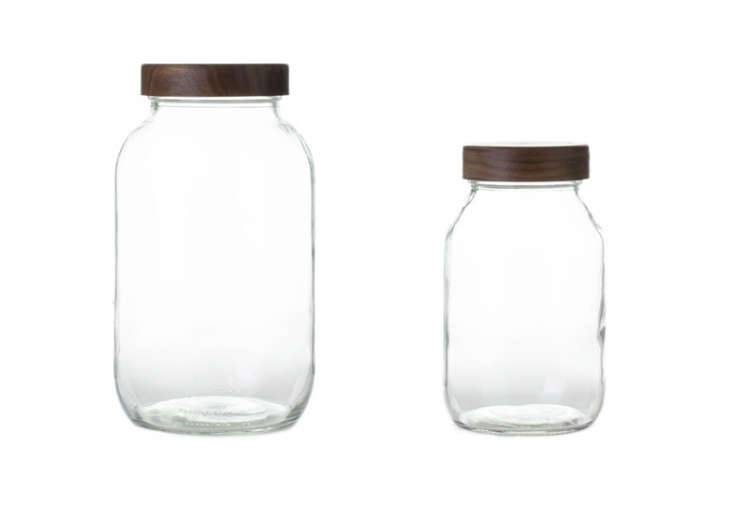
For the bottle itself, small glass juice bottles, spice jars, apothecary-style bottles, craft bottles, and clean condiment jars all work well. A bottle with a narrow neck looks classic, but a wider opening makes it easier to insert the message without turning the project into an accidental test of patience.
Step 1: Choose the Right Bottle
Start with a bottle that suits the mood of your message. A slim glass bottle with a cork looks mysterious and old-fashioned. A small jar with a lid feels cozy and practical. A clear bottle lets the recipient glimpse the note inside, while colored glass adds drama and makes your creation look as though it has been waiting in a captain’s cabin since 1847.
Inspect the bottle before you use it. Avoid cracked glass, sharp edges, or bottles that still smell strongly of their former contents. A bottle that once held vinegar, perfume, or garlic sauce may have lived an interesting life, but it does not need to participate in your love letter.
Best Bottle Sizes for Different Uses
- Mini bottles: Perfect for short notes, wedding favors, party place cards, and tiny encouragement messages.
- Medium bottles: Great for longer letters, photos, small keepsakes, or scavenger-hunt clues.
- Large jars: Ideal for family memory jars, classroom activities, birthday wishes, or “open when” notes.
Step 2: Clean and Dry the Bottle Thoroughly
Wash the bottle with warm, soapy water, rinse it well, and let it dry completely. Moisture is the villain of this craft. It wrinkles paper, smudges ink, and turns a sweet message into something that resembles an archaeological discovery from the bottom of a laundry basket.
If the bottle has a stubborn label, soak it in warm water first. For sticky residue, a little vinegar, dish soap, or oil can help loosen adhesive. Wash the bottle again afterward so it is clean and free of slick spots.
Once the bottle is dry, set it upside down on a clean towel for a few hours. If you are using a narrow-neck bottle, you can also leave it uncapped overnight. The goal is simple: dry glass, dry paper, happy future reader.
Step 3: Write a Message Worth Discovering
Your message is the heart of the project. It does not need to be perfect, poetic, or written in the handwriting of a mysterious nineteenth-century novelist. It just needs to sound like you.
Before writing, decide what kind of experience you want the recipient to have. Are they supposed to laugh? Cry happy tears? Solve a clue? Feel encouraged on a difficult day? Remember a vacation? The answer will guide your words.
Message in a Bottle Ideas
- A love letter for an anniversary, proposal, or date night
- A birthday note with favorite memories and future wishes
- An apology that feels thoughtful rather than rushed
- A friendship note for someone who needs encouragement
- A vacation memory with the date, location, and funny moments
- A treasure-hunt clue leading to a gift or surprise
- A motivational quote or a list of reasons someone is awesome
- A time capsule letter to open in one, five, or ten years
- A classroom writing prompt or family game activity
For a more memorable note, include a date and your name. Future-you will appreciate this. So will the recipient, especially when they find the bottle behind a bookshelf seven years later and briefly wonder whether it came from a very polite ghost.
Simple Message Templates
For a friend: “A small reminder from someone who is lucky to know you: you make ordinary days better. Keep this for the moments when you forget how much you matter.”
For a partner: “If this bottle found its way to you, then so did my favorite thought: life is more fun with you in it.”
For a child: “Adventure alert! This bottle contains one brave idea: you can try hard things, ask big questions, and still eat snacks afterward.”
For a time capsule: “Today is [date]. Right now, I am grateful for [three things]. I hope when you read this, you remember how far you have come.”
Step 4: Give the Paper an Old-World Look
You can use plain white paper, and it will still look lovely. But if you want the classic treasure-map feel, lightly age the paper before writing your final message.
One easy method is to crumple a sheet of paper gently, flatten it out, and smooth it with your hand. You can also use kraft paper, tan stationery, or parchment-style paper for an instant vintage effect. Avoid soaking the finished letter in coffee or tea unless you are comfortable waiting for it to dry completely. A damp note inside a sealed bottle is basically an invitation for mold to join the party.
If you want a weathered look without moisture, lightly rub the edges with a brown colored pencil or soft pastel. You can also tear the edges carefully by hand. Just do not make it so distressed that the recipient needs a forensic team to read it.
Step 5: Roll the Message Properly
Trim the paper so it fits easily through the bottle opening. Then roll it from one short side to the other, keeping the roll loose enough to slide inside but tight enough to look intentional.
Tie the rolled note with thin twine, ribbon, or thread. A double knot is usually enough. If you are using a very small bottle, skip the bow and use a tiny rubber band or a narrow strip of string instead.
For a keepsake bottle, place the note inside a small clear plastic sleeve or wrap it in wax paper before rolling. This is especially helpful if you live somewhere humid or plan to keep the bottle for years. The paper should remain protected, but the bottle should still look elegant rather than like a miniature office supply closet.
Step 6: Add Decorative Details
Decorations are optional, but they can turn a simple bottle into a full little world. The best decorations support the story instead of hiding it.
Classic Coastal Style
Add a small amount of clean craft sand, a shell, and a piece of sea glass. Use twine around the neck of the bottle and attach a tiny tag with the date or recipient’s name.
Romantic Style
Add dried flower petals, a miniature photo, a tiny charm, or a strip of ribbon in the recipient’s favorite color. Use a wax seal on the note or label the bottle with a phrase such as “Open When You Need a Smile.”
Adventure or Treasure Hunt Style
Add a folded map, a small key, a compass charm, or a series of numbered clues. Wrap the neck with rough twine and use a handwritten tag that says “For the Brave Explorer.”
Minimalist Style
Skip the filler entirely. A clear bottle, a neatly rolled note, and a natural cork can look polished and meaningful. Sometimes the quietest design makes the biggest impact.
Step 7: Seal the Bottle
Seal the bottle with a cork, stopper, or lid. A cork is the most traditional option, but a screw-top cap can be more practical for long-term storage. If you want a decorative seal, wrap the neck with twine or ribbon after closing it.
For a dramatic finish, drip sealing wax around the cork. This works best for display bottles, gifts, and props. It looks wonderful, but it can make the bottle harder to open, which is either romantic or mildly inconvenient depending on the recipient’s patience level.
Before you call the project finished, give the bottle a gentle shake. If the message rolls around too much, use a small amount of clean paper filler, dried flowers, or ribbon to help hold it in place. Do not pack the bottle so tightly that the note becomes impossible to remove.
Step 8: Deliver It Creatively
The delivery can be almost as fun as the bottle itself. Hand it over during dinner, leave it on a pillow, tuck it into a picnic basket, or hide it somewhere the recipient will naturally find it.
For a scavenger hunt, place the bottle at the final stop. For a wedding, use mini bottles as place cards or favors. For a birthday, place one inside a gift box with a note that says, “This is not the whole present. It is just the beginning.”
You can also make a “message in a bottle station” at a party. Set out clean bottles, note cards, pens, stickers, twine, and small decorations. Guests can create messages for their future selves, the host, or another guest. It is easy, personal, and much better than standing in the corner pretending to study the snack table.
Creative Variations to Try
Make a Family Memory Bottle
Ask each family member to write one favorite memory from the year. Roll the notes, place them in a large jar or bottle, and open them next New Year’s Eve. It becomes a time capsule without requiring anyone to bury anything in the yard and then forget where they put it.
Create an “Open When” Bottle
Fill a larger bottle with several tiny notes labeled “Open when you need courage,” “Open when you are having a bad day,” “Open when you want to laugh,” or “Open when you miss me.” This variation works beautifully for long-distance friendships, college care packages, and milestone gifts.
Use It as a Classroom Activity
Students can write messages to their future selves, describe a dream vacation, invent a fictional castaway story, or create clues for a classroom treasure hunt. Keep the bottles in the classroom or send them home with students rather than releasing them outdoors.
Turn It Into Wedding or Party Decor
Use multiple bottles as table centerpieces. Add table numbers, printed quotes, short stories about the couple, or notes for guests. Clear bottles with neutral twine work for rustic events, while colored glass and metallic accents make a more formal statement.
Common Mistakes to Avoid
- Using a bottle that is still damp: Moisture can damage the note over time.
- Writing on paper that is too large: Test the roll before writing your final version.
- Overfilling the bottle: The recipient should be able to remove the message without needing kitchen tongs.
- Choosing decorations that shed dust: Glitter, loose soil, and crumbly leaves can make the bottle messy.
- Making the message too vague: Add names, dates, places, or a specific memory to make it personal.
- Releasing the bottle outdoors: Keep it as a gift, prop, display piece, or hidden surprise instead.
Message in a Bottle Experiences: Why the Craft Stays With You
The most memorable part of making a message in a bottle is usually not the bottle. It is the pause that happens before you write. In everyday life, people often communicate at the speed of a notification. A quick message arrives, gets read while someone is waiting in line, and disappears beneath six newer messages by lunch. A bottle changes the pace. It asks you to stop, choose words carefully, and think about what you actually want another person to keep.
One of the best experiences is making a bottle for someone who does not expect it. Imagine a friend opening a small package after a difficult week and finding a hand-rolled note inside. The message does not need to solve every problem. It can simply say, “I noticed you have been carrying a lot lately,” or “You are allowed to rest.” That kind of note often becomes a keepsake because it arrived with effort attached to it. Somebody found a bottle, wrote the words, rolled the paper, tied the string, and made a tiny object that says, “You matter enough for me to slow down.”
Message bottles also work beautifully as travel memories. Instead of buying a souvenir that collects dust and silently judges your cleaning schedule, you can create a bottle after a trip. Add a note describing the funniest moment, the best meal, the place that surprised you, and one thing you want to remember. Include a ticket stub, a small printed photo, or a bit of clean sand from a legally collected craft source. Years later, opening that bottle can bring back details that photographs alone may not capture: the joke someone made in the car, the weather that changed every ten minutes, or the strange roadside diner with the unforgettable pie.
For couples, the experience can become a tradition. Make one bottle every anniversary and include a letter about the year you shared. Write about the tiny moments, not only the obvious milestones. Mention the show you watched together, the recipe that went terribly wrong, the conversation that made you laugh until you cried, or the way your partner showed up when life got complicated. Over time, a shelf of bottles becomes a visual history of the relationship. It is sentimental, yes, but in the good way. The kind of sentimental that makes people quietly emotional and then blame it on dust.
Families can use message bottles to make ordinary days feel more connected. Parents can prepare encouragement notes for children starting school, moving away, or facing a big event. Grandparents can write stories from their childhood and place them inside bottles for younger family members. Siblings can create “open when” notes for each other before a move or a long trip. The bottle becomes a small container for reassurance, humor, and shared history.
There is also something satisfying about making one for yourself. Write a message to the version of you who will open it a year from now. Describe what you hope changes, what you are proud of, what feels difficult, and what you want to remember. Then put the bottle somewhere safe and set a calendar reminder. When you finally open it, you may discover that some worries passed, some dreams changed, and some small details became more precious than expected. That is the real magic of a message in a bottle: it does not travel across an ocean. It travels across time, attention, and memory.
Final Thoughts
Making a message in a bottle is simple, affordable, and surprisingly meaningful. Start with a clean bottle, write a sincere note, add a few details that match the occasion, and deliver it in a thoughtful way. You do not need to create a museum-worthy masterpiece. A slightly crooked roll of paper can still carry a perfect message.
Keep the bottle out of natural waterways, let the words do the traveling, and give someone a tiny treasure they will be happy to find.
SEO Tags