
Learning how to put a bobber on a fishing line is one of those small fishing skills that feels almost too simpleuntil the bobber slides, the bait floats in the wrong zip code, or your cast looks like a wet spaghetti launch. The good news? A bobber setup is beginner-friendly, affordable, and surprisingly effective for catching panfish, bluegill, crappie, trout, perch, bass, and plenty of other freshwater fish.
A bobber, also called a float, does two important jobs: it keeps your bait suspended at a chosen depth and shows you when a fish bites. When the bobber twitches, leans, dances sideways, or suddenly disappears like it owes money, that is your signal to pay attention. With the right hook, split shot, bait, and bobber placement, you can fish more naturally and avoid dragging your bait through weeds, rocks, and bottom muck.
This guide explains how to attach a bobber to fishing line, how far it should be from the hook, when to use a fixed bobber versus a slip bobber, and how to fine-tune your rig so it catches fish instead of just entertaining nearby ducks.
What Is a Bobber and Why Use One?
A bobber is a floating piece of tackle that clips, slides, or locks onto your fishing line. It helps suspend your bait in the water column instead of letting it sink all the way to the bottom. This is especially useful when fish are feeding above weeds, near brush piles, around docks, or at a specific depth.
For beginners, bobbers are fantastic because they turn fishing into a visual game. You do not have to guess whether that tiny tap was a fish, a leaf, or your imagination after three cups of coffee. The bobber tells the story. If it bobs, pulls sideways, tips up, or goes under, something is happening below.
Basic Bobber Rig: What You Need
Before setting up your line, gather a few simple items. You do not need a tackle box the size of a refrigerator. A basic bobber fishing setup includes:
- Fishing rod and reel with monofilament line
- A hook, often size #6 or #8 for panfish and beginner freshwater fishing
- A small bobber or float
- One or two split shot sinkers
- Bait such as worms, crickets, minnows, dough bait, or artificial bait
- Needle-nose pliers for pinching sinkers and removing hooks
- Line clippers or small scissors
For most beginner freshwater fishing, a small hook, a small split shot, and a bobber placed about 1 to 3 feet above the hook will get you started. You can adjust from there depending on water depth, fish behavior, and whether your bait is drifting naturally.
How to Put a Bobber on a Fishing Line: Step-by-Step
Step 1: Tie the Hook First
Start by tying your hook to the end of the fishing line. The improved clinch knot and Palomar knot are both popular choices because they are strong and beginner-friendly. After tying the knot, trim the tag end so it does not collect weeds or look like your rig forgot to get a haircut.
Step 2: Add a Split Shot Sinker
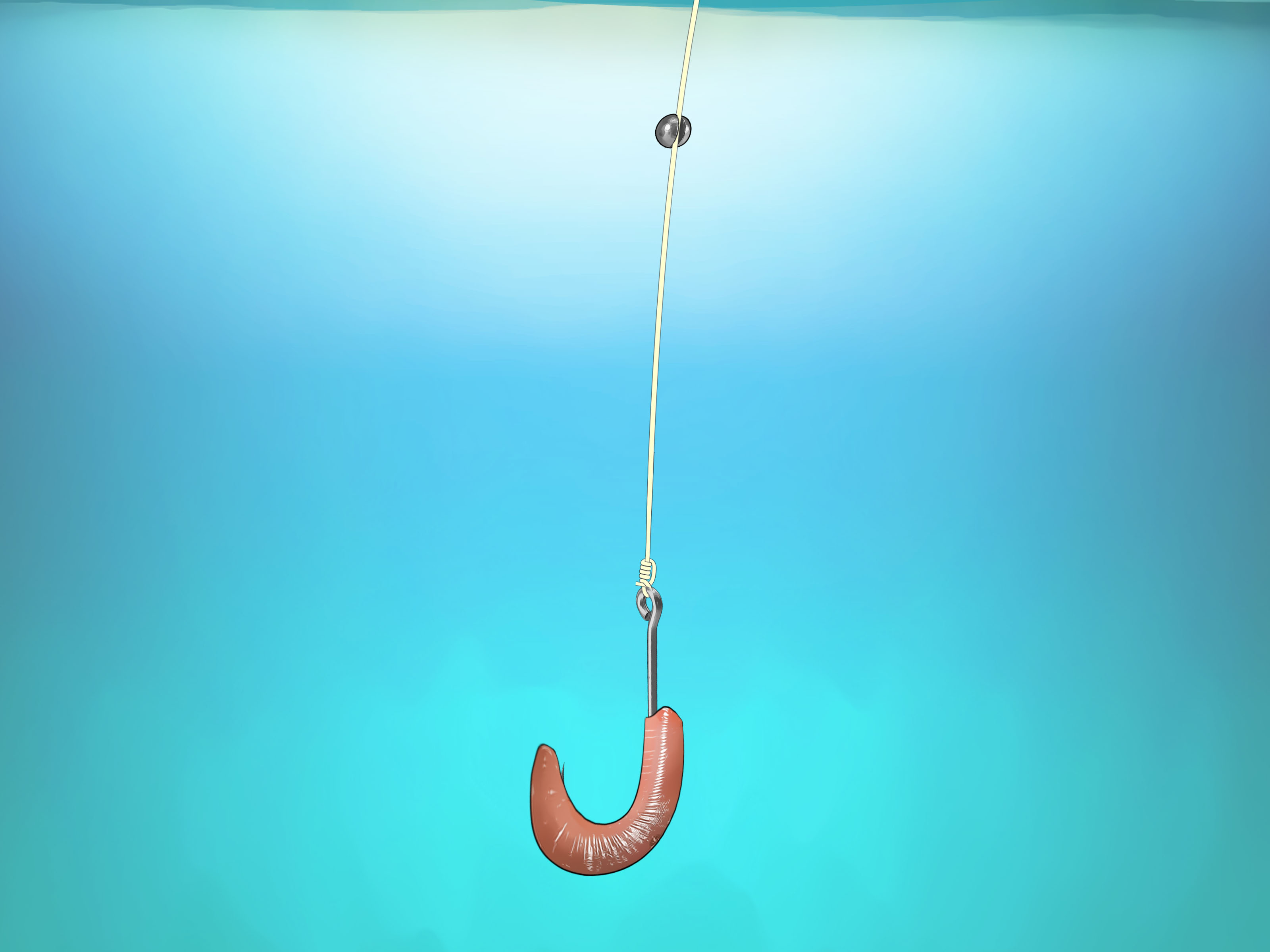
Pinch one small split shot sinker onto the line about 6 to 12 inches above the hook. The sinker helps pull your bait down and keeps the line hanging more vertically under the bobber. If there is wind or light current, you may need a second small split shot, but do not overload the rig. A bobber should float naturally, not look like it is fighting for its life.
Step 3: Attach the Bobber Above the Hook
For a fixed round bobber, press the top button to expose the bottom clip. Place the line under the clip, then release it. Next, press the button while holding the bottom clip to expose the top clip, and secure the line there too. This locks the bobber to the line at your chosen depth.
A common starting point is to place the bobber 2 to 3 feet above the hook. If you are fishing very shallow water, move it closer to the hook. If the fish are deeper, slide the bobber farther up the line. The goal is simple: keep the bait where fish are feeding.
Step 4: Bait the Hook
Add your bait after the rig is assembled. Worms are the classic choice because they stay on the hook well and appeal to many fish species. Thread the worm onto the hook enough times to secure it, but leave a little natural movement. A worm that moves naturally says “snack.” A worm wrapped into a tight ball says “confusing meat bracelet.”
Step 5: Cast and Watch the Bobber
Cast gently, close the bail or engage the reel, and take up slack until the line is lightly tight. Do not reel so much that you drag the bobber toward you. Watch for movement. When the bobber goes under or travels sideways with purpose, lift the rod tip with a quick, controlled motion to set the hook.
11 Tips to Setup a Bobber Rig the Right Way
1. Use the Smallest Bobber That Still Floats Your Bait
Bigger is not always better. A large bobber may be easy to see, but it can create too much resistance when a fish bites. If a cautious fish feels a giant plastic beach ball tugging back, it may drop the bait. Choose a bobber that is just large enough to suspend your bait and sinker while remaining visible.
2. Match Bobber Size to Bait and Water Conditions
Small worms, wax worms, crickets, and tiny jigs pair well with small pencil floats or round bobbers. Larger minnows or heavier bait may need a larger float. In wind, waves, or current, use a slightly bigger or more visible bobber so you can track it. In calm, clear water, downsize for a more natural presentation.
3. Start With the Bobber About 2 Feet Above the Hook
A reliable beginner setup is a hook, split shot, and bobber with the bait about 2 feet below the surface. This depth works well in ponds, lakes, docks, and shallow shoreline areas. If you do not get bites, move the bobber up the line to fish deeper. If you snag weeds or bottom debris, move it closer to the hook.
4. Keep the Split Shot Several Inches Above the Hook
Place your split shot about 6 to 12 inches above the hook. This gives bait room to move naturally while still helping it sink. If the sinker is too close to the hook, your bait may look stiff. If it is too far away, the bait may float or drift awkwardly.
5. Use a Fixed Bobber for Shallow Water
A fixed bobber clips directly onto the line and stays in place. It is ideal for beginners, kids, ponds, shallow lakes, and water less than about 4 or 5 feet deep. Fixed bobbers are fast to rig and easy to adjust. The drawback is casting. If you set the bobber 6 feet above the hook, you must cast a long, awkward rig that may swing around like a tiny fishing pendulum.
6. Use a Slip Bobber for Deeper Water
A slip bobber slides freely on the line and stops at a bobber stop that you set above it. This makes it easier to cast while still fishing deep water. The bobber slides down near the hook during the cast, then rises up the line until it reaches the stop after landing in the water. Slip bobbers are excellent for crappie, trout, walleye, and deeper panfish.
7. Add a Bead When Using a Slip Bobber
A small bead between the bobber stop and slip bobber helps protect the stop and prevents the bobber from sliding past it. The usual order is: bobber stop, bead, slip bobber, split shot, hook. It sounds fancy, but after rigging it once, you will wonder why it ever seemed mysterious.
8. Adjust Depth Until You Find Fish
Bobber fishing is not a “set it and forget it forever” system. Fish move. Light changes. Water temperature changes. Your bait may be too high, too low, or hanging right in front of a fish that has decided today is emotionally complicated. If you do not get bites after 10 to 15 minutes, adjust the bobber by 6 to 12 inches and try again.
9. Watch How the Bobber Sits in the Water
A properly weighted bobber should sit upright with enough body above water for visibility. If it lies flat, your bait may be on the bottom or your rig may not have enough weight. If it sinks slowly, you have too much weight or too small a bobber. If it tilts, your bait could be dragging through weeds or touching bottom.
10. Do Not Set the Hook Like You Are Starting a Lawn Mower
When the bobber goes under, lift the rod firmly but smoothly. A wild overhead hookset can pull the bait out of the fish’s mouthor launch a bluegill into low orbit. With small hooks and light line, a short upward sweep is usually enough. For circle hooks, simply reeling steadily often works better than a hard jerk.
11. Check Your Bait Often
Small fish are professional bait thieves. They can clean a hook with the confidence of tiny underwater burglars. If your bobber twitches repeatedly but never goes under, reel in and inspect your bait. Replace torn worms, dead minnows, or dough bait that has softened. Fresh bait catches more fish.
Fixed Bobber vs. Slip Bobber: Which Should You Choose?
Choose a fixed bobber when fishing shallow water, teaching kids, targeting bluegill near shore, or using a simple worm-and-hook setup. Fixed bobbers are quick, cheap, and easy. They are perfect for ponds, calm lake edges, and dock fishing.
Choose a slip bobber when you need to fish deeper water, cast farther, or keep your bait at a precise depth without using a long leader. Slip bobber rigs are more adjustable and cast better in deeper situations. They are a favorite for crappie around brush piles, trout in lakes, and suspended fish that are holding away from shore.
Best Baits for Bobber Fishing
Bobber fishing works with many baits. The best choice depends on the fish species and location. For panfish, use worms, wax worms, crickets, or small pieces of nightcrawler. For crappie, try minnows or small jigs under a slip bobber. For trout, use salmon eggs, worms, corn where legal, or prepared trout bait. For bass, live minnows, shiners, or soft plastics can work well beneath a larger float.
Always check local fishing regulations before using live bait. Some waters restrict minnows, certain baitfish, or bait collection methods. A quick rule check is less exciting than catching fish, but it is much better than explaining your “creative interpretation” of the law to a conservation officer.
Common Bobber Setup Mistakes
Using Too Much Weight
Too much weight makes the bobber sink or creates an unnatural presentation. Start light. Add weight only if the bait is not reaching the target depth or current is pushing it too fast.
Putting the Bobber Too Close to the Hook
If the bobber is only a few inches above the hook, your bait may stay too close to the surface. This can work when fish are feeding high, but most beginner setups do better with at least 1 to 3 feet between bobber and hook.
Fishing Too Deep in Weedy Areas
If your bait keeps coming back with weeds, move the bobber closer to the hook. You want the bait above the weeds, not buried in the salad bar.
Ignoring Sideways Bobber Movement
Not every bite sends the bobber straight down. Sometimes the bobber slides sideways, tips, or slowly swims away. That may mean a fish has picked up the bait and is moving with it. Reel down slightly and lift the rod tip.
Experience Notes: What Actually Helps on the Water
After spending time around ponds, lakes, docks, and slow-moving streams, one lesson becomes obvious: the best bobber setup is rarely the one you tied at home and never changed. The anglers who catch more fish are usually the ones who adjust. They move the bobber. They change bait. They remove a split shot. They cast closer to shade. They notice that fish are biting at 18 inches deep instead of 3 feet deep. In other words, they treat the bobber like a tool, not a decoration.
One of the most useful habits is to begin shallow and work deeper. If you are fishing a pond edge for bluegill, start with the bait about 18 to 24 inches under the bobber. Cast near weeds, dock posts, fallen branches, or shaded banks. If the bobber sits still for several minutes, do not assume the pond is empty and the fish held a secret meeting to avoid you. Slide the bobber up 6 to 12 inches and try again. Small adjustments can make a big difference.
Another practical experience: wind changes everything. On calm days, a small bobber and light split shot can look natural and sensitive. On breezy days, that same setup may drift too fast or become difficult to see. A slightly larger bobber, a little more weight, or a cast upwind can help the bait settle into the strike zone. The key is to watch the bobber’s behavior. If it races across the surface like it has somewhere important to be, your bait probably is not presenting naturally.
Fishing around kids also teaches valuable lessons. Children often watch bobbers better than adults because the visual action keeps them engaged. However, they may set the hook too soon or too hard. A helpful phrase is “wait until it really goes under.” If the bobber only wiggles, let the fish commit. If it disappears or moves steadily sideways, lift the rod. That simple timing lesson can turn missed bites into happy photos.
When fishing with worms, smaller pieces often work better than a huge nightcrawler. A giant worm may attract attention, but smaller fish can nibble the ends without touching the hook. Pinching off a manageable piece and threading it securely on the hook often results in better hookups. For panfish, the bait does not need to look like a buffet; it just needs to look like a snack.
Slip bobbers are worth learning once you understand fixed bobbers. The first time you cast a slip bobber rig into deeper water, it may feel like cheating in the best possible way. Instead of swinging a long leader overhead, you cast a compact rig, let the bait sink, and watch the float stand up when it reaches the stop. This is especially useful for crappie near submerged brush or trout holding deeper in clear water.
Finally, bring extra hooks, bobbers, and split shot. Bobber fishing is simple, but snags happen. Lines break. Sinkers fall off. Bobbers crack, vanish, or somehow end up in a tree behind you, where they will remain as festive outdoor ornaments. A few backup pieces keep the day fun instead of turning one lost rig into the end of the adventure.
Conclusion
Knowing how to put a bobber on a fishing line gives you one of the most reliable and beginner-friendly fishing setups available. Start with a hook tied to the end of the line, add a small split shot 6 to 12 inches above the hook, and attach the bobber at the depth you want to fish. Use a fixed bobber for shallow water and a slip bobber when you need better depth control or easier casting in deeper water.
The real secret is adjustment. Move the bobber until your bait hangs where fish are feeding. Use the smallest float that still supports the bait. Watch for sideways movement, sudden dips, and subtle twitches. Keep bait fresh, avoid too much weight, and let the bobber do what it does best: quietly snitch on fish.
Note: This article is written in standard American English for web publishing and is based on practical bobber fishing methods, beginner rigging principles, and commonly recommended freshwater fishing setups.