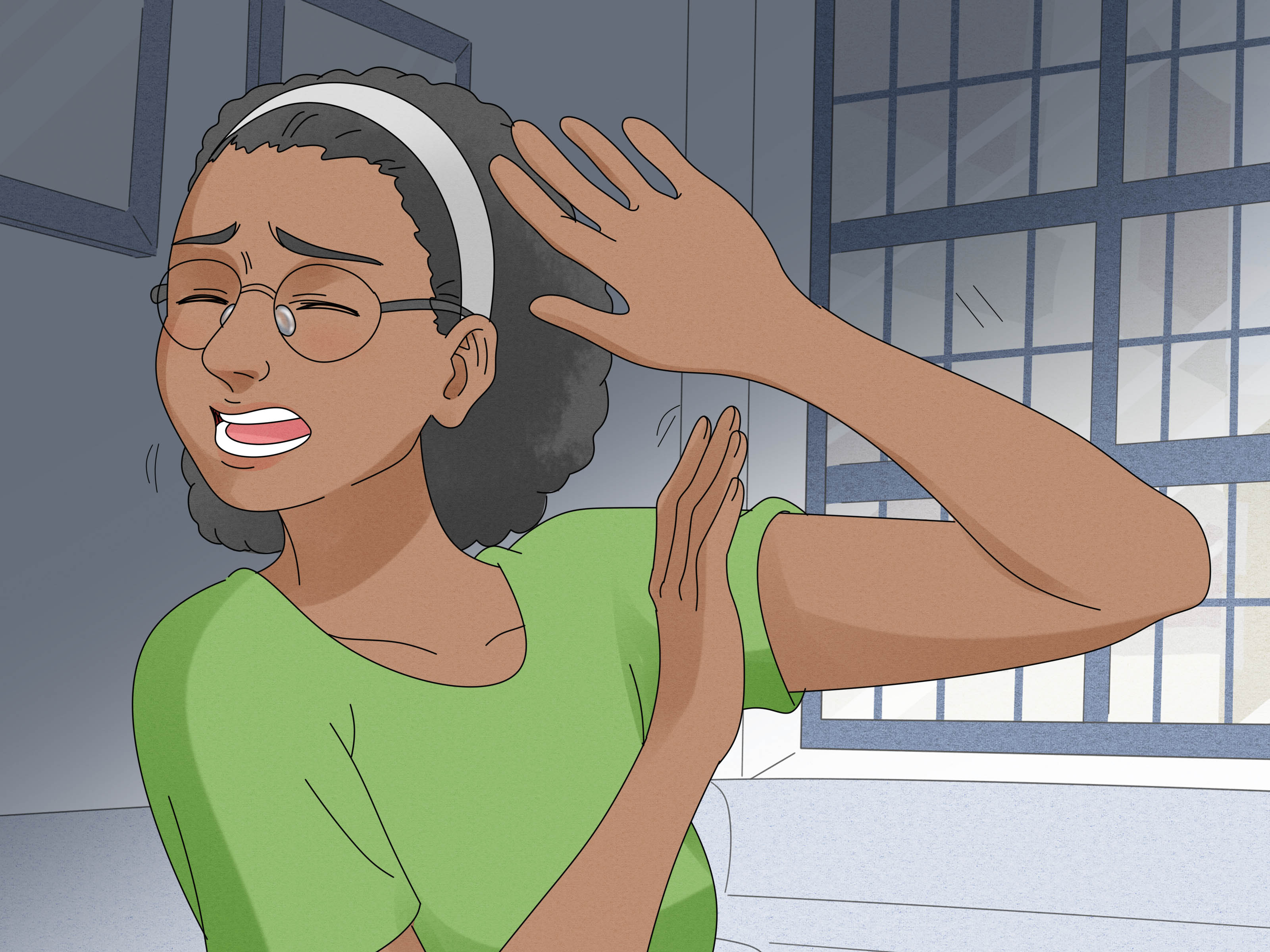

If you turn into a human pogo stick every time a closet door creaks in a horror movie, welcome to the club. You are not weak. You are not dramatic. You are not “bad at movies.” You are simply a person with a nervous system that still works. Congratulations, I guess.
The truth is that jump scares are built to hijack your attention. Directors use silence, sudden sound, weird camera angles, fake-outs, and just enough creepy anticipation to make your body react before your logical brain can say, “Relax, Brenda, it’s just a cat.” That reaction is normal. But if you want to stop startling so hard during scary movies, there are practical ways to calm your body, lower horror movie anxiety, and enjoy the film without launching your popcorn into low Earth orbit.
This guide breaks down 11 simple steps to help you stop jumping during a horror movie. These tips borrow from real-world anxiety management, grounding, breathing, sleep, and stress-reduction strategies, then apply them to the very specific problem of being emotionally mugged by a soundtrack and a hallway.
Why You Jump in the First Place
Before we fix the problem, let’s expose the villain. Your body reacts to sudden fear cues with a quick survival response. Loud noises, abrupt movement, suspense, and uncertainty can all trigger that classic “whoa nope” moment. Horror movies are experts at stacking those cues together. They make you wait, tighten the tension, turn the music into a suspicious whisper, and thenboomsomeone appears in a mirror, under a bed, or behind a bathroom curtain like they pay rent there.
That means your goal is not to become a stone statue with no pulse. Your goal is to reduce the intensity of your startle response. You want to keep your body from going full emergency mode every ten minutes. And yes, that is absolutely possible.
How to Stop “Jumping” During a Horror Movie: 11 Steps
1. Pick the Right Horror Movie for Your Current Tolerance
Not all horror hits the same. Some movies lean on atmosphere, mystery, and dread. Others treat jump scares like a competitive sport. If you are trying to stop startling during scary movies, do not begin with the cinematic equivalent of a haunted jack-in-the-box.
Start with slower, moodier films and work your way up. Psychological thrillers, gothic ghost stories, and suspense-heavy horror are usually easier than nonstop jump-scare machines. You can also check spoiler-light content notes so you know whether a movie is more creepy than chaotic. Knowing what kind of fear you are signing up for instantly lowers the “anything could happen at any moment” panic.
2. Don’t Watch When You’re Already Fried
If you are tired, stressed, overcaffeinated, or already anxious, your body is basically a doorbell wired too tightly. That is not the ideal condition for a film that opens with whispering children and a basement. If you want to stop jumping during a horror movie, watch when you are rested and relatively calm.
Late-night viewing sounds fun in theory, but if your brain is already running on fumes, every creak lands harder. The same goes for too much coffee, energy drinks, or “just one more iced latte.” Sleep deprivation and stimulants can make your body more reactive, which means the movie may not even need to try that hard to get you.
3. Control the Viewing Setup
You do not earn extra points for making the experience harder. You are allowed to watch with a lamp on. You are allowed to lower the volume a little. You are allowed to sit somewhere comfortable instead of turning your room into an accidental haunted house.
Sound design is one of the biggest reasons people jump. Horror loves silence followed by a sonic slap to the face. Lowering the volume just a bit can reduce the shock without ruining the movie. Keeping a little light in the room also helps your brain remember that you are on a couch, not in an abandoned asylum with a bad plumbing issue.
4. Start Breathing Before the Tense Scene Peaks
Most people remember to breathe only after they have already been scared into a shoulder spasm. Bad timing. The trick is to slow your breathing before the scare lands.
When a scene starts getting suspiciously quiet, do this: inhale slowly through your nose for four counts, then exhale for six. Repeat that three or four times. A longer exhale helps signal to your body that it does not need to prepare for battle against a demon nun or a possessed doll with boundary issues.
This works especially well when you notice the classic warning signs: creepy hallway, character saying “Hello?”, flickering light, and music that sounds like it was recorded inside a haunted violin.
5. Use the 5-4-3-2-1 Grounding Trick
If your body starts revving up, grounding can stop your imagination from sprinting too far ahead. One of the easiest tools is the 5-4-3-2-1 method. Quietly notice:
- 5 things you can see
- 4 things you can feel
- 3 things you can hear
- 2 things you can smell
- 1 thing you can taste
This technique pulls you back into the room instead of leaving you mentally trapped inside the movie. It reminds your brain that you are not the one opening the cursed attic. You are just a viewer with socks on and snacks nearby.
6. Unclench Your Body on Purpose
Here is a sneaky reason you jump harder: you are already physically braced for impact. Your shoulders are up, your jaw is tight, your hands are clawed into a blanket, and your spine is doing its best impression of a question mark. In other words, your body is preloading the fear cannon.
Instead, run a quick body check every few minutes. Drop your shoulders. Relax your jaw. Uncurl your toes. Loosen your hands. Let your tongue rest instead of pressing it to the roof of your mouth like you are about to defuse a bomb. The less tension you carry, the less explosive the jump tends to be.
7. Give Your Brain a Job
An idle brain gets swallowed by suspense. A busy brain becomes a tiny film critic. If you want to stop startling during horror movies, turn passive fear into active observation.
Try asking yourself questions while watching: What is the camera trying to hide? Is the soundtrack signaling a fake-out? Why is that hallway shot so wide? Is the movie using silence, shadows, or timing to build tension? Once you start noticing technique, the movie becomes less of an ambush and more of a pattern you can read.
This does not ruin the fun. It actually gives you a sense of control. You go from “I am helpless before this evil lamp in the corner” to “Ah, yes, classic misdirection, nice try.”
8. Keep Your Body Anchored to the Seat
Physical positioning matters more than people think. Plant both feet on the floor. Lean back into the chair or couch instead of curling forward like a frightened shrimp. Hold a pillow or blanket if it helps, but do not use it as a panic bunker. The point is comfort, not tactical defense.
Some people also find it helpful to keep one hand on the armrest or their leg. That tiny physical cue can make you feel more stable when the movie starts acting suspicious. A grounded body usually means a calmer reaction.
9. Watch With the Right Person
Watching alone while already tense can magnify every scary beat. Watching with a calm friend can make horror feel way more manageable. The best horror buddy is not the one who screams into your ear or grabs your arm like they are trying to detach it. The best horror buddy is the one who stays steady, cracks the occasional joke, and helps keep the mood playful instead of apocalyptic.
Humor helps too. A small laugh breaks the tension cycle. You do not need to turn the movie into a comedy roast, but a little “Why would you go into the basement, ma’am?” can keep fear from snowballing.
10. Pause Without Feeling Embarrassed
You are allowed to pause the movie. Yes, even if everyone else insists they “never pause horror.” Wonderful for them. Here is their medal. Meanwhile, you are trying to have a good time and keep your nervous system from applying for witness protection.
If a scene gets too intense, pause for one minute. Stand up. Stretch. Take a sip of water. Breathe. Let your shoulders come down from their new address near your ears. Then decide whether you want to continue. This is not failure. It is smart regulation.
11. Build Tolerance Gradually
If you want long-term progress, go gradual. Do not force yourself through the scariest possible movie and call it training. That is not exposure; that is emotional parkour.
Instead, work in stages. Start with suspense thrillers. Then try eerie supernatural stories. Then move to more intense horror if you actually want to. Over time, your brain starts learning that scary cues are uncomfortable but manageable. That is how you stop jumping so much during a horror movie: not by white-knuckling one terrible night, but by building familiarity in reasonable doses.
Common Mistakes That Make You Jump More
- Watching when exhausted: Your brain has less bandwidth to regulate fear.
- Drinking too much caffeine first: Your body is already revved up.
- Cranking the volume to “cinematic doom”: Great for immersion, bad for your pulse.
- Watching alone when you already feel anxious: No social buffer, more anticipation.
- Tensing every muscle during suspense: You become a spring-loaded scare machine.
- Refusing to pause: Pride is a strange thing to bring into a ghost movie.
When You Should Stop Instead of Pushing Through
Sometimes the goal is not to “handle it better.” Sometimes the goal is to say, “Actually, no thanks.” If horror movies trigger panic, nightmares, lingering distress, or trauma-related reactions, you do not need to train yourself into liking them. Entertainment is supposed to be engaging, not emotionally flattening.
If your fear response feels extreme, continues after the movie ends, or spills into sleep and daily life, it may be worth choosing gentler content and talking to a qualified mental health professional. There is nothing silly about taking your nervous system seriously.
Experience-Based Examples: What This Looks Like in Real Life
Example 1: The “I Jump at Literally Everything” Viewer. Imagine someone who startles not just at the monster reveal, but at the refrigerator hum, the title card, and the innocent family dog walking through a hallway. Their biggest problem usually is not the scare itself. It is the anticipation. They spend the entire movie waiting to be attacked by sound. Once they lower the volume slightly, keep a lamp on, and start slow breathing whenever tension rises, the whole experience changes. They still jump sometimes, but now it is a quick flinch instead of a full-body launch. The movie becomes watchable instead of exhausting.
Example 2: The Late-Night Horror Hero Who Regrets Everything. This person watches scary movies at 1:00 a.m., after a long day, with too much caffeine in their bloodstream and zero emotional patience left. Then they wonder why every shadow feels personal. Once they switch to watching earlier in the evening, skip the extra caffeine, and stop choosing the most intense titles when already stressed, their reaction becomes way less dramatic. They did not suddenly become “brave.” They just stopped setting up their nervous system like a bowling pin and handing the movie a bowling ball.
Example 3: The Viewer Who Learns to Treat Horror Like Craft. Another person starts asking simple questions while watching: What is the director doing with silence? Why did the camera linger on that doorway? Is the music warning me, or is this a fake-out? That tiny mental shift creates distance from the fear. The movie is still scary, but it is also a piece of storytelling. Once they begin noticing structure, editing, and sound cues, the fear loses some of its power. It feels less like something happening to them and more like something being skillfully built in front of them.
Across all these experiences, the same pattern shows up: people stop jumping as much when they stop trying to “be tougher” and start getting smarter. They manage the environment. They regulate their breathing. They loosen their body. They stay grounded in the room. They choose movies that match their current tolerance instead of their fantasy identity as a fearless horror goblin. And most importantly, they stop turning one bad movie night into a referendum on their courage.
That is the real win. You do not have to eliminate every startle. In fact, a little jump is part of the genre’s whole ridiculous, glorious business model. But you can absolutely reduce how hard you react. You can feel calmer, more in control, and less likely to become airborne because a mirror reflected the wrong person.
Final Thoughts
If you want to know how to stop “jumping” during a horror movie, the answer is not pretending you are fearless. It is learning how your body reacts to suspense and giving it better instructions. Watch when you are rested. Cut down the chaos in your setup. Use breathing and grounding early. Relax your muscles. Pause when needed. Build your tolerance gradually.
Do that consistently, and horror starts feeling less like an attack on your nervous system and more like what it actually is: clever, theatrical fear with good lighting and terrible life choices. You may still jump now and then. But instead of becoming a startled trampoline, you will be the cool viewer who sees the trick coming, exhales, and keeps the popcorn in the bowl.
SEO Tags