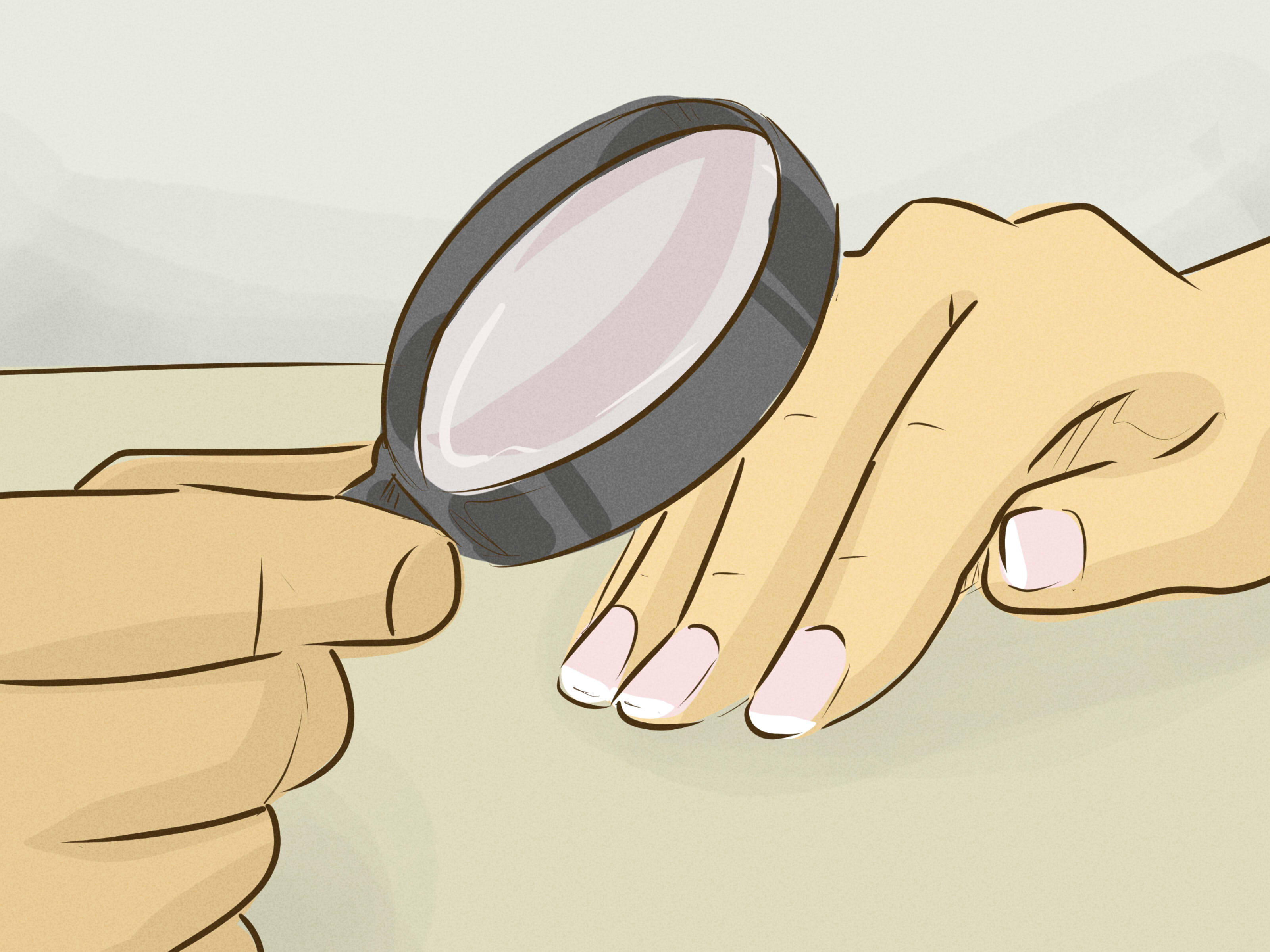

Beautiful nails are great. Functional nails are even better. If your nails keep splitting, peeling, snagging on sweaters, or snapping off right before you text “I’m on my way,” you are not alone. Brittle nails are incredibly common, and they usually do not mean you are doomed to a lifetime of tiny nail tragedies. More often, they are reacting to everyday stress: too much water, harsh chemicals, dry air, aggressive manicures, or constant use as miniature screwdrivers.
The good news is that most breakage improves with better habits. The less fun news is that nails grow slowly, so they need patience, consistency, and a little less chaos. In other words, your nails are not asking for a luxury retreat. They just want fewer attacks from hot water, acetone, picking, biting, and overenthusiastic buffing.
This guide breaks down exactly how to stop nails from breaking in 11 practical steps, plus what nail changes may signal something more than everyday dryness. If you want stronger, smoother nails without turning your bathroom into a salon lab, start here.
Why Nails Break in the First Place
Nails are made of layers of keratin. When those layers dry out, swell from repeated water exposure, or get thinned by trauma, they become more likely to split or crack. That is why brittle nails often show up in people who wash their hands constantly, clean without gloves, get frequent gel or dip manicures, or live in dry weather.
Sometimes breakage is tied to aging, because nails can lose moisture over time. In other cases, frequent splitting may be linked with iron deficiency, thyroid problems, skin conditions, fungal infection, or irritation from products and polish removers. That does not mean every broken nail is a medical mystery. It just means persistent or unusual nail changes deserve attention.
How to Stop Nails from Breaking: 11 Steps
Step 1: Keep Nails Short While They Recover
Long nails look elegant until they collide with a car door, keyboard edge, zipper, or kitchen drawer. If your nails are already weak, length gives them more leverage to bend and crack. Keeping them short reduces daily stress and makes splits less likely to spread.
Use clean clippers or small nail scissors and shape the edge with a fine file. Think “practical chic,” not “I just lost a battle with a stapler.” As your nails get stronger, you can gradually grow them longer again.
Step 2: File Gently and in One Direction
A rough filing technique can turn a tiny weak spot into a full-blown split. Use a fine emery board or glass file and smooth the tip gently. Sawing back and forth like you are starting a campfire can fray the layers of the nail.
Pay special attention to rough corners and snags. Even a small jagged edge can catch on clothing and rip downward. A few careful seconds with a file can prevent days of annoyance.
Step 3: Moisturize Nails and Cuticles Every Day
If you only remember one thing from this article, make it this: dry nails break more easily. Regular moisturizing helps reduce brittleness by supporting the nail plate and surrounding skin. Apply hand cream after washing your hands, after bathing, and before bed. Nail oils or thicker ointments can also help seal in moisture.
Focus on the nail, cuticle, and skin around it. A rich cream with ingredients like petrolatum, lanolin, glycerin, or other emollients can make a real difference over time. Bedtime is especially helpful because the product has hours to sit undisturbed instead of getting washed off 11 seconds later.
Step 4: Wear Gloves for Water and Cleaning Jobs
Yes, water is necessary for life. Unfortunately, repeated soaking is not always great for nails. Nails absorb water, swell, then dry out again. Over and over, that cycle can weaken the nail layers. Add dish soap, cleaning sprays, or harsh solvents to the mix, and your nails basically file a formal complaint.
Wear waterproof gloves for dishwashing and cleaning. If your hands get sweaty, try wearing thin cotton gloves underneath. Also use gloves for gardening, yard work, or cold outdoor weather, which can leave both skin and nails dry and vulnerable.
Step 5: Stop Using Your Nails as Tools
Your nails are not built for opening cans, scraping labels, prying batteries out of remotes, peeling off stickers, or attacking mystery packaging. Using them as tools creates tiny traumas that add up fast.
Use the pad of your finger, a key, scissors, or an actual tool instead. This sounds obvious until you catch yourself trying to open a soda tab with your thumbnail like it owes you money.
Step 6: Take a Break from Gel, Dip, Acrylics, and Press-Ons
If your nails are breaking often, the manicure itself may be part of the problem. Gel, dip powder, acrylics, and some press-ons can leave natural nails thinner, drier, and more fragile, especially when removal involves soaking in acetone, aggressive filing, peeling, or repeated touch-ups.
That does not mean you must swear off polish forever and join a monastery of bare nails. It means your nails may need a recovery window. Regular nail polish is usually gentler than gel or dip when your nails are already weak. If you love enhancements, spacing them out gives your natural nails time to rebound.
Step 7: Never Pick, Peel, or Bite
Picking off polish or biting weak edges may feel oddly satisfying in the moment. It is also a fast track to peeling off layers of the nail plate. Once the surface is damaged, that area becomes more likely to split again.
If you bite your nails, keeping them short can help reduce temptation. If you pick at polish, remove it properly instead of peeling it off while watching TV and pretending it is “just one little corner.” Your nails know the truth.
Step 8: Be Smart About Polish and Remover
Polish itself is not always the villain, but constant removal can be drying. If your nails are fragile, skip frequent color changes and use remover as sparingly as possible. When you do remove polish, follow up with moisturizer right away.
Also be cautious with hardeners. Some people benefit from a protective strengthening coat, especially early on, while others find certain formulas make nails feel even more rigid and prone to snapping. If a product leaves your nails feeling worse, do not keep using it out of loyalty. Your nails are not in a long-term relationship with that bottle.
Step 9: Protect the Cuticle Instead of Cutting It
Cuticles are not random extra skin that showed up to ruin your manicure. They help protect the nail matrix from irritation and infection. Cutting or aggressively pushing them back can lead to inflammation, hangnails, and a rough area that invites more picking.
Instead, soften cuticles with moisturizer or cuticle oil and gently tidy only the loose dead skin. If you get hangnails, clip them carefully with sanitized nippers rather than pulling them. Pulling usually turns one tiny flap into a dramatic event.
Step 10: Support Nail Health with Food, Not Hype
Your nails need adequate nutrition to grow well. A balanced diet that includes protein, iron-rich foods, zinc sources, healthy fats, fruits, and vegetables supports nail growth better than wishful thinking and internet miracles. Eggs, fish, beans, nuts, seeds, lean meats, leafy greens, and fortified grains can all play a role.
Biotin gets a lot of attention, and some small studies suggest it may help certain people with brittle nails. But the evidence is limited, and it is not a guaranteed fix. Before taking high-dose supplements, talk with a healthcare professional, especially because supplements can interact with lab tests or other parts of your care. Food-first is usually the less dramatic, more reliable path.
Step 11: Know When Breakage Is a Medical Issue
Sometimes broken nails are just broken nails. Sometimes they come with clues that something else is going on. See a healthcare professional or dermatologist if your nails become suddenly very brittle, lift off the nail bed, turn thick or discolored, develop pain, swelling, or drainage, or show unusual shape changes.
For example, spoon-shaped nails can be linked with iron deficiency. Brittle nails may also show up with thyroid problems, skin disorders, aging changes, or fungal infection. If home care is not helping after several weeks, it is worth getting checked instead of buying your ninth “miracle” serum and hoping for emotional support from jojoba oil.
Common Mistakes That Keep Nails Weak
Some habits sabotage nail health without looking especially harmful. These include washing dishes bare-handed, using alcohol-heavy nail products, over-buffing the nail surface, wearing enhancements nonstop, ripping off hangnails, and filing too aggressively around the corners.
Another common mistake is expecting overnight improvement. Fingernails grow slowly, so even when you do everything right, the stronger growth takes time to move forward. Most people need several weeks of consistent care before the difference becomes obvious. That is normal. Annoying, yes. But normal.
A Simple Weekly Routine for Stronger Nails
If you want a realistic routine, keep it simple. Trim and file once a week. Apply hand cream after every handwashing. Use cuticle oil or ointment at night. Wear gloves for cleaning and dishes. Avoid peeling polish. Skip gel or dip until your nails stop splitting. Eat balanced meals and drink enough water.
This routine is not glamorous enough to become a viral video with cinematic lighting, but it works because it reduces repeated damage. Healthy nails are usually built through boring consistency, not one dramatic rescue mission.
Real-Life Experiences with Brittle Nails and What Actually Helped
Many people do not realize how much daily habits affect nails until they change just one or two routines. One common story comes from people who wash dishes or sanitize their hands constantly. They notice their nails peeling at the tips, then breaking lower than expected. Once they start wearing gloves for dishes and applying cream after every wash, the peeling often slows down. The difference is not instant, but within a month the nails usually feel less papery and more flexible.
Another very relatable experience involves gel manicures. Plenty of people love the glossy finish and chip-resistant wear, but after months of back-to-back appointments, their natural nails start feeling thin, bendy, and oddly tender. They remove the gel, look down, and realize their nails resemble onion skin. What tends to help most is taking a break from gel, keeping nails short, moisturizing obsessively, and resisting the urge to buff every ridge away. The nails gradually grow out healthier from the base.
There is also the “I did not know I used my nails for everything” category. These are the people opening cans, scratching labels, prying apart key rings, and lifting tape edges with their thumbnail 20 times a day. Once they stop using nails as tools, breakage often drops more than expected. It sounds minor, but repeated micro-trauma matters.
For some people, the turning point is not cosmetic care at all. It is medical. A person may think they simply have weak nails, but then they also notice fatigue, feeling cold, hair shedding, or spoon-shaped nails. After getting evaluated, they learn iron deficiency or thyroid issues are contributing to the problem. Treating the underlying issue helps new nail growth come in stronger. That is why persistent nail changes should not always be brushed off as “just dryness.”
Then there are the bedtime success stories, which are less dramatic but surprisingly effective. People who start applying thick cream or ointment to nails and cuticles every night often report fewer hangnails, less splitting, and a smoother nail surface after a few weeks. It is not fancy. It is not thrilling. But it is one of those tiny routines that quietly works while you sleep.
The biggest pattern across all these experiences is consistency. Stronger nails usually do not come from one expensive product or one perfect manicure. They come from repeated protection, steady moisture, gentler handling, and enough time for healthier nail growth to replace damaged nail. In other words, nail recovery is less of a makeover and more of a training program. Fortunately, this is one training program where pajamas are acceptable equipment.
Conclusion
If you want to stop nails from breaking, think less about quick fixes and more about reducing repeated stress. Keep nails short, moisturized, and protected. Be gentler with filing, polish removal, and cuticles. Cut back on enhancements when your nails are struggling. And if your nails look unusually brittle, painful, discolored, or misshapen, get professional advice.
Strong nails are usually not the result of doing one amazing thing. They are the result of doing many small things consistently and not sabotaging them with acetone, dishwater, and your own thumbnail-as-tool habit. Your nails may never send a thank-you note, but they will stop snapping at the worst possible time, which is basically the same thing.