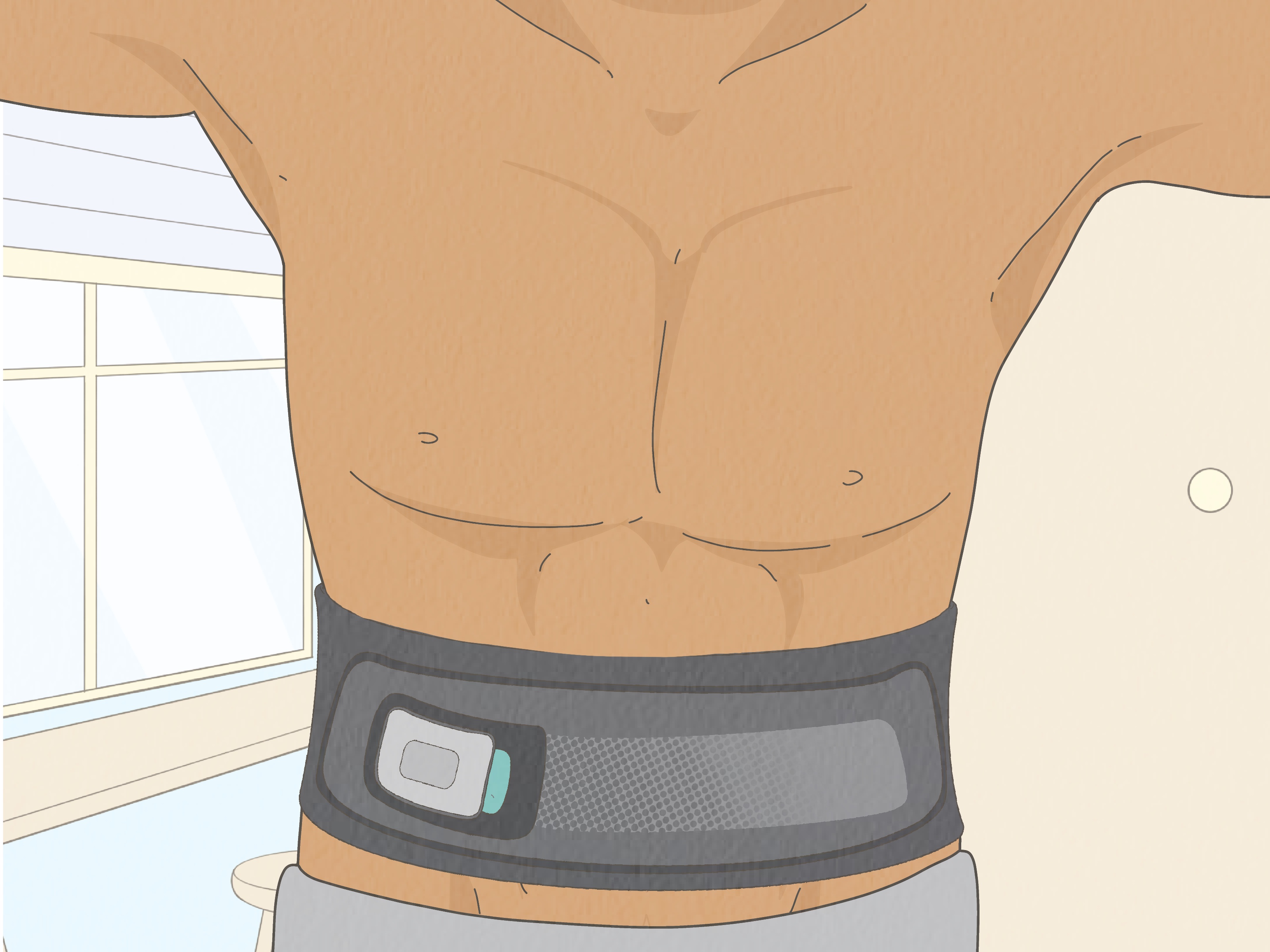

Ab stimulators look wonderfully futuristic: wrap a belt around your waist, press a button, and let tiny electrical pulses persuade your abdominal muscles to clock in for work. Unfortunately, the device will not cook dinner, answer emails, or magically uncover a six-pack hiding beneath body fat. It can, however, make your abdominal muscles contract and may help improve muscle tone, endurance, or awareness when used correctly.
The key phrase is used correctly. Electrical muscle stimulation, commonly called EMS or NMES, should feel strong but comfortable. It should never feel like burning, stabbing, or an audition for a low-budget lightning experiment. Correct electrode placement, sensible intensity, clean skin, and realistic expectations make all the difference.
What Does an Ab Stimulator Actually Do?
An ab stimulator sends controlled electrical impulses through electrodes placed against the skin. These impulses activate motor nerves, causing the abdominal muscles beneath the pads to contract and relax. The sensation may begin as tingling and develop into a firm, rhythmic tightening as the intensity increases.
Research suggests that properly designed electrical muscle stimulation programs may improve abdominal strength or endurance in some users. Results vary according to the device, program, intensity, frequency, electrode placement, and the user’s starting fitness level.
What EMS does not do is selectively melt belly fat. Federal regulators have repeatedly warned consumers about unsupported claims that abdominal belts cause substantial weight loss, remove inches, or replace conventional exercise. Visible abdominal definition still depends on overall body composition, nutrition, physical activity, genetics, sleep, and patiencethe least glamorous fitness accessory ever invented.
Who Should Avoid Using an Ab Stimulator?
Do not start a session until you have reviewed the contraindications in your device manual. Electrical stimulation may be inappropriate or require medical clearance in several situations.
- Do not use an ab stimulator if you have a pacemaker, implanted defibrillator, or another implanted electronic medical device unless your treating clinician and device manufacturer specifically approve it.
- Do not apply electrical stimulation over the abdomen during pregnancy.
- Consult a healthcare professional first if you have epilepsy, heart disease, an abdominal hernia, poor circulation, reduced skin sensation, active cancer, a recent operation, or an unexplained abdominal condition.
- Do not place electrodes on broken, infected, swollen, sunburned, numb, or severely irritated skin.
- Do not use the device while driving, operating machinery, bathing, showering, swimming, or sleeping.
Stop immediately if you experience burning, sharp pain, dizziness, chest discomfort, unusual shortness of breath, blistering, or redness that does not fade after the session.
How to Use an Ab Stimulator in 10 Simple Steps
Step 1: Read the Instruction Manual
Yes, the manual is less exciting than pressing the glowing power button. Read it anyway. Ab stimulators differ in their approved uses, program lengths, electrode layouts, intensity ranges, replacement-pad requirements, and safety warnings.
Confirm that the device is intended specifically for abdominal muscle stimulation. A TENS unit marketed for temporary pain relief is not automatically interchangeable with an EMS abdominal trainer. TENS primarily targets sensory nerves, while EMS is designed to produce muscle contractions.
Review every contraindication, diagram, and maintenance instruction before placing the device on your body. Keep the manual accessible rather than filing it in the traditional household location known as “somewhere safe.”
Step 2: Complete a Personal Safety Check
Before each session, consider whether anything has changed since your last use. New medication, surgery, pregnancy, skin irritation, unexplained pain, or a newly diagnosed medical condition may affect whether electrical stimulation is appropriate.
Inspect your abdomen for cuts, rashes, bruising, inflamed hair follicles, or irritated areas. Postpone the session if the skin is damaged. Electrical stimulation over compromised skin can feel unpleasant and may increase irritation.
If you recently completed an intense core workout, allow the muscles to recover instead of immediately adding another demanding EMS session. More stimulation is not always more productive. Sometimes it is simply more stimulation.
Step 3: Inspect and Prepare the Device
Charge the controller or install fresh batteries according to the manufacturer’s directions. Check that the belt, wires, connectors, control unit, and electrode pads are clean and undamaged.
Do not use cracked cables, exposed wiring, dried-out pads, or electrodes that no longer stick evenly. Poor contact can create an uncomfortable concentration of current along one part of the pad. Replace worn electrodes with compatible products recommended by the manufacturer rather than improvising with tape, kitchen foil, or heroic optimism.
Turn the device completely off before connecting the controller, leads, belt, or pads.
Step 4: Clean and Dry Your Skin
Wash the abdominal area with mild soap and water, rinse thoroughly, and dry it completely. Remove sweat, sunscreen, body oil, moisturizer, and lotion because these substances can weaken electrode adhesion and produce uneven stimulation.
If body hair prevents the pads from making full contact, trim the hair carefully. Avoid shaving immediately before the session because freshly shaved skin may be more sensitive. The goal is smooth, dry contactnot an emergency grooming project five seconds before pressing Start.
Do not apply conductive gel unless the instructions specifically require it. Many modern ab stimulators use reusable gel pads that already provide the necessary conductive surface.
Step 5: Position the Belt or Electrode Pads Correctly
Follow the placement diagram provided with your device. Do not copy a random image from another brand because pad layouts and channel configurations can differ.
With a typical abdominal belt, the center pad sits over or near the middle of the abdominal wall, while additional pads contact the left and right rectus abdominis or oblique muscles. The belt should usually sit between the lower ribs and the top of the hip bones, but your manual’s illustration should remain the final authority.
Center the belt rather than twisting it toward one side. Each gel pad should lie flat against the muscle area without folded edges, air gaps, or contact over prominent bones.
Never place the pads on the head, front or side of the neck, directly across the chest, over the heart, on the genitals, or over an open wound. Do not rearrange the electrodes to target unrelated body areas unless the device is specifically designed and labeled for those locations.
Step 6: Fasten the Device Snugly
Secure the belt so the pads maintain full contact throughout the session. It should feel snug but should not restrict breathing, pinch the skin, or leave deep pressure marks.
If your device uses individual adhesive electrodes, press the entire surface of each pad gently against the skin. Connect the lead wires only as shown in the manual. Loose pads often produce prickly, uneven sensations rather than a smooth contraction.
Sit or lie in a stable, comfortable position for your first few sessions. Some products allow movement during use, but beginners should first learn how their body responds while remaining relatively still.
Step 7: Select a Beginner-Friendly Program
Many ab stimulators include programs labeled beginner, toning, strengthening, endurance, recovery, or massage. Start with the introductory or lowest-demand abdominal program, especially when using the device for the first time.
Do not assume the program with the most dramatic name delivers the best results. “Extreme Titanium Core Mode” may sound impressive, but the beginner setting gives you time to evaluate pad placement, skin tolerance, and muscle response.
Confirm the session duration before beginning. Consumer programs commonly last approximately 20 to 30 minutes, although the correct duration for your device may be shorter or longer.
Step 8: Increase the Intensity Gradually
Begin at the lowest intensity. Slowly raise the level until you feel a clear, strong, rhythmic contraction across the target muscles. The contraction should be noticeable and challenging without becoming painful.
A faint tickle may be too low to produce meaningful muscle activation, but turning the controller to maximum intensity on day one is unnecessary and potentially irritating. Increase the setting in small increments and give your body several contraction cycles to adjust.
The two sides of the abdomen may not feel identical. Some devices allow separate channel adjustments, which can help balance the sensation. Small differences are common, but stop and check the pads if one side burns, stings, or contracts unpredictably.
Step 9: Complete the Session Without Overdoing It
Allow the programmed contraction-and-rest cycle to run while breathing normally. Do not hold your breath or repeatedly brace as hard as possible unless the manufacturer’s training instructions specifically combine voluntary contractions with stimulation.
Stay awake and attentive. Do not use the session as an opportunity to nap, drive to the grocery store, or test whether the belt is waterproof. Avoid repositioning live electrodes. Pause or turn off the controller before touching or moving the pads.
Finish the scheduled program rather than immediately starting another one. Your abdominal muscles need recovery just like muscles trained with planks, crunches, or resistance exercises.
Step 10: Turn It Off, Remove It, and Store It Properly
Reduce the intensity and switch the controller off before removing the belt or electrodes. Peel adhesive pads away slowly from the edge instead of pulling on the wires.
Inspect your skin. Mild temporary redness where the pads touched may occur, but it should fade. Persistent redness, itching, swelling, blistering, or burning is a reason to stop using the device and seek professional advice.
Replace protective liners on reusable gel pads and store them in their sealed pouch or designated case. Keep the electrodes away from dust, heat, direct sunlight, children, and pets. Clean the belt and controller only as instructed; electronic components are generally not enthusiastic about being submerged in a sink.
Record the program, intensity, duration, and any skin reaction. A simple log helps you progress gradually and identify which settings feel effective.
How Often Should You Use an Ab Stimulator?
Use the schedule recommended for your specific model. Many home programs call for sessions several times per week, while others permit more frequent use after an introductory period. Do not exceed the stated session length or daily limit.
Beginners can benefit from leaving recovery time between demanding sessions, particularly if the abdominal muscles feel tired or sore. Increase intensity gradually over several weeks instead of increasing frequency, duration, and intensity simultaneously.
EMS should complement a balanced fitness routine. Current physical-activity recommendations encourage adults to perform muscle-strengthening activities for all major muscle groups at least twice per week, along with regular aerobic activity. An ab belt trains only a limited area and cannot replace full-body movement.
What Results Can You Realistically Expect?
With consistent use, appropriate intensity, and correct placement, you may notice stronger contractions, better abdominal endurance, improved awareness of how to engage your core, or a firmer feeling in the muscles. Changes usually occur gradually rather than after one dramatic session.
Do not expect the device alone to cause major weight loss or remove abdominal fat. Studies of electrical muscle stimulation have produced mixed results, and improvements in muscle performance do not automatically equal a visible six-pack.
For visible abdominal definition, combine core strengthening with full-body resistance training, cardiovascular activity, adequate protein, nutritious food choices, sufficient sleep, and an appropriate calorie intake. Unfortunately, the body does not accept instructions such as, “Please burn only the fat directly beneath these electrodes.”
Common Ab Stimulator Mistakes
- Starting too high: Maximum intensity is not a beginner setting. Progress until contractions are strong but comfortable.
- Using dry or worn pads: Poor adhesion can produce weak, uneven, or irritating stimulation.
- Guessing the electrode placement: Follow your model’s diagram instead of copying another device.
- Applying pads over irritated skin: Wait until the skin has completely recovered.
- Sharing electrodes: Reusable pads should generally be assigned to one person for hygiene and skin safety.
- Using EMS as a complete workout: An abdominal stimulator does not train your back, hips, legs, chest, shoulders, cardiovascular system, coordination, or mobility.
- Ignoring warning signs: Burning, sharp pain, persistent redness, or dizziness is not evidence that the device is “really working.”
How to Combine EMS With Core Exercise
A practical weekly routine might include two or three EMS sessions on nonconsecutive days plus two conventional strength workouts. Core exercises such as dead bugs, bird dogs, side planks, front planks, Pallof presses, and loaded carries train stability and coordination that a stationary belt cannot fully reproduce.
Begin with movements you can perform while maintaining normal breathing and a neutral spine. Quality matters more than collecting hundreds of rushed crunches. Train the rest of the body as well; strong hips, glutes, back muscles, and legs all contribute to effective core function.
A Realistic First-Month Experience With an Ab Stimulator
The following experience is a practical composite based on common user situations rather than a promise of identical results.
Week 1: Learning What “Strong but Comfortable” Means
The first session often feels stranger than expected. At low intensity, the pulses may resemble light tapping or buzzing beneath the pads. As the level rises, the abdomen begins tightening without a voluntary crunch. The sensation is unusual, but it should remain controlled and tolerable.
The biggest challenge is often placement. One pad may feel powerful while another seems half asleep. Turning the device off, shifting the belt slightly, and smoothing the pads can dramatically improve the contraction. This is more useful than immediately increasing the intensity to compensate for poor contact.
After the session, the muscles may feel lightly exercised. The skin might show temporary pink rectangles where the pads rested. Lasting redness or burning, however, is a signal to stop and reassess the pads, intensity, and skin condition.
Week 2: More Control and Less Button Panic
By the second week, setting up the device becomes faster. The user knows where the center pad belongs, which belt tension works, and how the first few intensity levels feel. Instead of nervously watching the controller during every pulse, it becomes easier to relax and breathe normally.
The intensity may increase modestly because the sensation feels more familiar. That does not necessarily mean the device has become weaker. The nervous system often becomes less surprised by repeated stimulation, allowing a stronger but still comfortable contraction.
This is also when unrealistic expectations can appear. The abdominal muscles may feel firmer immediately after a session, but the mirror is unlikely to reveal a newly assembled fitness-model torso. Temporary muscle tightness is not the same as permanent fat loss.
Week 3: Fitting EMS Into a Real Routine
During the third week, consistency matters more than novelty. Sessions are easier to remember when attached to an existing routine, such as using the belt after work on selected days. A written log prevents accidental overuse and shows whether intensity is progressing gradually.
Some users notice that they can identify and voluntarily tighten their abdominal muscles more easily during planks or dead bugs. This improved awareness can be useful, but it should be tested through normal movement rather than assumed from the strength of the electrical pulses.
Pad maintenance becomes noticeable too. Electrodes that were extremely sticky on day one may begin collecting lint or losing moisture. Careful storage extends their life, while leaving them exposed on a desk turns them into expensive dust collectors.
Week 4: Evaluating Results Without Marketing Goggles
At the end of four weeks, a sensible evaluation looks beyond body weight. Useful questions include: Can the user tolerate a higher comfortable intensity? Do the contractions feel more balanced? Has core endurance improved during exercise? Is setup now easy and irritation-free?
Changes in waist appearance may be subtle or absent, especially when nutrition and total physical activity have not changed. That does not automatically mean the device produced no muscular effect. It means muscle conditioning and fat loss are different outcomes.
The best long-term experience usually comes from treating the ab stimulator as one optional training tool. It can add targeted contractions and variety, but it works best beside regular resistance exercise, walking or cardio, nutritious meals, and adequate recovery. The belt can remind your abs to work; it cannot negotiate with every other part of your lifestyle on their behalf.
Conclusion
Learning how to use an ab stimulator safely is mostly a matter of respecting the manual, preparing the skin, positioning the electrodes accurately, and progressing gradually. Start with a beginner program, raise the intensity until the contractions are strong but comfortable, complete only the recommended session, and inspect your skin afterward.
Most importantly, keep expectations realistic. An ab stimulator may help condition abdominal muscles, but it does not replace full-body exercise or directly erase belly fat. Use it as a supporting toolnot a battery-powered substitute for movement, nutrition, and consistency.