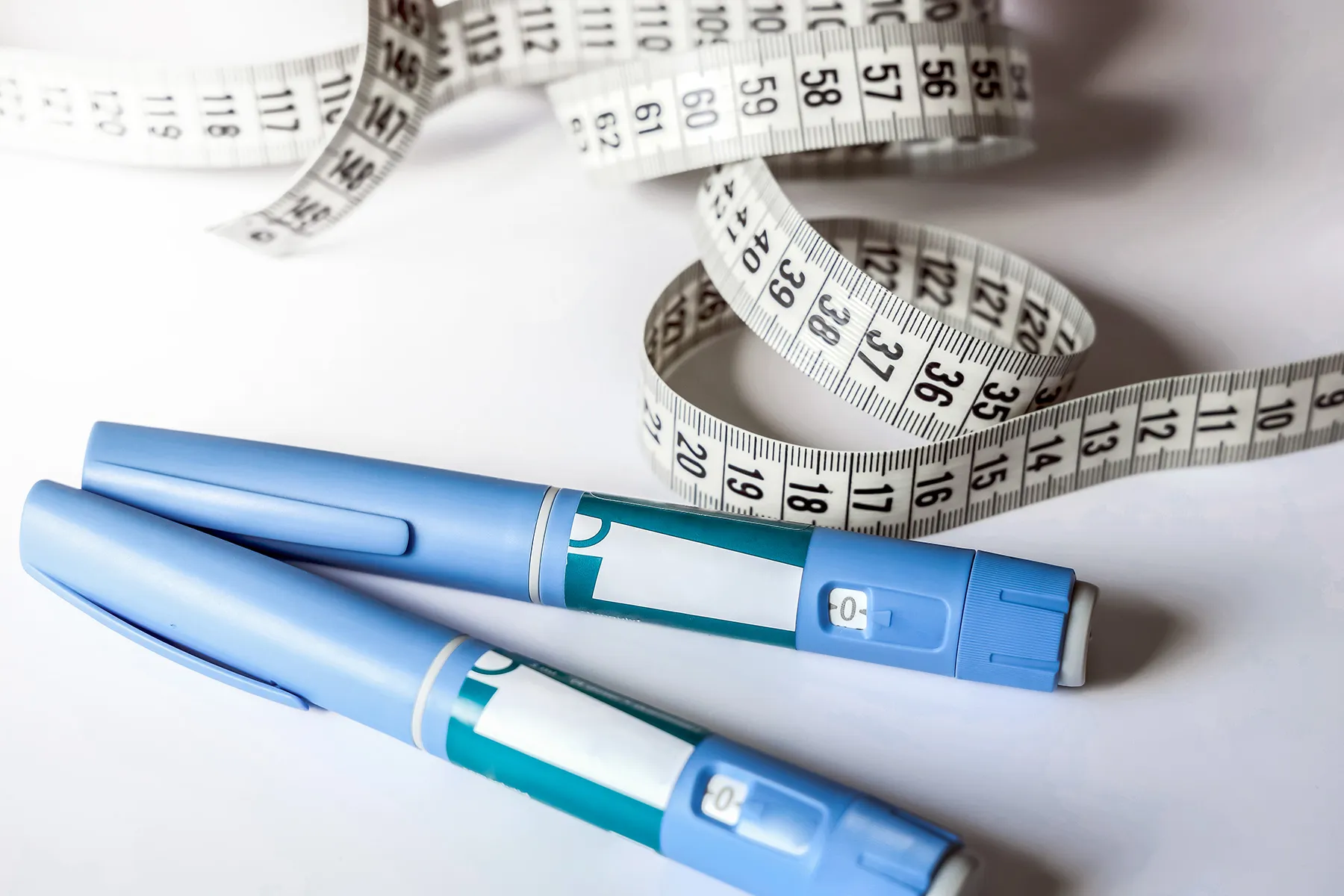

Obesity medicine has moved from the quiet corner of the doctor’s office to the loudest table in the healthcare cafeteria. GLP-1 medications such as Wegovy and Zepbound have changed the conversation around weight management, appetite, metabolic health, and long-term treatment. Suddenly, millions of people who once heard “eat less and move more” are hearing a different message: obesity is a chronic medical condition, and it may require medical care.
That shift is big. It is also messy. Demand for obesity medications has exploded faster than the healthcare system can comfortably handle. Many patients struggle to find knowledgeable clinicians, understand insurance requirements, manage side effects, protect muscle mass, or build habits that last after the first exciting months of weight loss. In other words, the medicine cabinet may be fuller than ever, but the care pathway still has potholes big enough to swallow a sneaker.
This is where WW, formerly WeightWatchers, and Noom say they come in. Both companies built their brands around behavior-based weight management long before GLP-1s became household names. Now they are trying to reposition themselves for the obesity medicine era by blending digital tools, lifestyle coaching, clinical access, medication support, and community into one more organized experience.
The big question is not whether WW and Noom can replace doctors. They cannot, and they should not. The real question is whether these platforms can help fill the gaps between prescription, patient, pharmacy, insurance, and real life. Because real life is where the protein gets forgotten, the nausea shows up, the refill gets delayed, and the “food noise” may be quiet but the birthday cake is still singing opera from across the room.
The Obesity Medicine Gap: Why Patients Need More Than a Prescription
Obesity care in the United States has long suffered from a mismatch between need and access. Adult obesity remains common, severe obesity has increased over time, and many people also live with related conditions such as type 2 diabetes, high blood pressure, sleep apnea, joint pain, and cardiovascular disease. Yet comprehensive obesity treatment is not available everywhere, and it is not always covered by insurance.
GLP-1 and related medications have added a powerful new treatment option, but they have not magically repaired the healthcare system. A patient may qualify medically but still face a maze of prior authorizations, denied claims, high out-of-pocket prices, drug shortages, confusing dosing schedules, and side effects. The result can feel like being handed a key to a door, then discovering the door is behind three locked gates, a moat, and a fax machine from 1998.
Another gap is follow-up. Obesity medications often require careful dose escalation, symptom monitoring, nutrition adjustments, and ongoing conversations about goals. Some people lose weight quickly and need help preserving muscle. Others lose slowly and wonder whether the medication is working. Some cannot tolerate a dose increase. Others stop therapy and regain weight, which can feel discouraging if no one explained that obesity is typically chronic and relapsing.
There is also the behavior gap. Medication can reduce appetite and cravings, but it does not automatically teach meal planning, protein prioritization, strength training, sleep habits, emotional eating awareness, or long-term maintenance skills. A smaller appetite is helpful; a sustainable routine is better. A GLP-1 may quiet the snack gremlin, but it does not pack your lunch.
How WW Says It Is Filling the Gap
WW’s move into obesity medicine became clear when the company acquired Sequence, a telehealth platform that connected patients with clinicians who could prescribe weight-loss medications when appropriate. That acquisition signaled a major pivot: WW was no longer presenting itself only as a points-and-meetings lifestyle program, but as a more complete weight health company.
Today, WW says its Med+ and GLP-1 support offerings combine prescription access, clinical oversight, nutrition support, medication tracking, refill reminders, coaching, and community. The company emphasizes that eligible members can access clinicians who specialize in obesity and metabolic health, while also using WW’s long-standing behavior-change tools.
This is important because many people taking GLP-1 medications run into practical questions after the prescription is written. What should I eat when I am not hungry? How do I get enough protein without turning every meal into a chicken breast ceremony? What should I do if I feel nauseated? How do I avoid losing too much muscle? What happens when my insurance asks for another prior authorization? WW’s pitch is that it can help members manage those day-to-day realities.
The company also highlights community as part of its value. That may sound old-fashioned in an era of sleek apps and automated check-ins, but peer support matters. People taking obesity medication often experience changes that friends or family may not understand: smaller portions, shifting appetite, side effects, comments about appearance, and questions about whether medication “counts.” A community can help normalize the experience and reduce the loneliness that sometimes comes with medical weight treatment.
WW’s Main Promise
WW’s core message is that GLP-1s support biology, while WW supports habits. That framing is clever because it avoids the false choice between medication and lifestyle. The best obesity care is not “shot versus salad.” It is biology plus behavior, medicine plus monitoring, and weight loss plus health preservation.
For patients, WW’s strongest potential advantage may be its familiarity. Many adults know the WeightWatchers name, even if they have not used the program in years. That brand recognition could make obesity medicine feel less intimidating, especially for people who are curious about GLP-1s but overwhelmed by telehealth ads, pharmacy coupons, and internet advice that sounds like it was written by a blender.
How Noom Says It Is Filling the Gap
Noom approaches the same problem from a slightly different direction. The company has long marketed itself around psychology-based behavior change. With Noom Med, it says it pairs prescription weight-loss medications with licensed clinician access, personalized support, digital tracking, coaching, and habit-building tools.
Noom’s obesity medicine strategy leans heavily on the idea that medication works better when people also change the patterns that shape eating, movement, and self-monitoring. Its program materials emphasize clinical evaluation, customized treatment plans, ongoing access to clinicians where appropriate, and digital support through tools such as Noom GLP-1 Companion.
Noom has also focused on a concern that has become increasingly important in the GLP-1 era: muscle loss. When people lose weight, they can lose both fat and lean mass. That does not mean medication is bad; it means treatment should be managed thoughtfully. Noom’s Muscle Defense concept and movement programming are designed to encourage strength-preserving habits, including resistance exercise and better nutrition choices.
Noom’s Main Promise
Noom’s main message is that medication can help start the change, but psychology helps sustain it. That is a smart lane for the brand because many people know exactly what to do in theory but struggle with consistency in practice. The problem is rarely a lack of awareness that vegetables exist. The problem is stress, habits, environment, motivation, sleep, cravings, schedule chaos, and the mysterious gravitational pull of the pantry at 10:47 p.m.
By combining clinical access with behavioral coaching, Noom says it can support people through the emotional and practical parts of obesity treatment. That includes preparing for side effects, understanding hunger cues, building meal routines, tracking progress without obsessing, and thinking beyond the scale.
Why These Platforms Are Appealing Right Now
WW and Noom are gaining attention because obesity care has become both more effective and more confusing. Patients are seeing headlines about dramatic weight loss, cardiovascular benefits, sleep apnea improvements, new formulations, supply issues, compounded medications, insurance fights, and celebrity transformations. That is a lot to process before breakfast.
Traditional healthcare visits can be short. Many primary care doctors are already managing packed schedules, multiple chronic conditions, and administrative burdens. Obesity specialists are not available in every community. Insurance coverage varies widely. Meanwhile, patients want answers now: Do I qualify? Is this safe for me? What will it cost? What if I cannot get it covered? What if I start and then have to stop?
Digital weight health platforms promise speed, structure, and convenience. A patient can complete an intake, connect with a clinician if appropriate, receive guidance, track medication, and use app-based coaching without waiting months for a specialist appointment. For people in underserved areas or those who feel judged in traditional settings, that convenience can be meaningful.
However, convenience is not the same as quality. The best programs need careful screening, responsible prescribing, clear safety information, legitimate pharmacies, realistic expectations, and continuity of care. Obesity medicine is still medicine. It should not be treated like ordering socks, even if both now happen online.
The Insurance and Affordability Problem
One of the largest obesity medicine gaps is cost. Brand-name GLP-1 medications can be expensive, and insurance coverage is inconsistent. Some employer plans cover anti-obesity medications; others exclude them. Medicaid coverage varies by state. Medicare policy has also been evolving, especially as certain drugs receive additional indications beyond weight management.
This creates a frustrating situation: two patients with similar medical needs may have completely different access depending on their insurance card, state, employer, diagnosis, and paperwork. One gets approval. Another gets denied. A third gets approved for three months and then must prove progress. A fourth gives up after the pharmacy says, “That will be a small fortune, please.”
WW and Noom both try to address this by offering insurance navigation or cash-pay pathways, depending on the program and medication. That does not make medications cheap for everyone, and it does not guarantee coverage. But it may help patients understand options more clearly, especially when prior authorization paperwork becomes a small part-time job.
Safety, Side Effects, and the Compounding Question
Safety is another major gap. GLP-1 medications can be effective, but they can also cause side effects such as nausea, constipation, vomiting, diarrhea, stomach discomfort, and appetite changes. Some people need slower dose increases. Some need nutrition adjustments. Some should not take certain medications because of medical history, pregnancy considerations, drug interactions, or other risk factors.
The rise of compounded GLP-1 products has added another layer of complexity. During periods of shortage, compounded versions became more visible. But compounded drugs are not the same as FDA-approved branded products, and regulators have warned that certain compounded copies may not meet legal or safety standards when approved products are commercially available. Patients need to know where their medication comes from and whether it is being prescribed and dispensed responsibly.
This is where structured programs can either help or hurt. A responsible platform can screen patients, explain risks, use licensed clinicians, coordinate with legitimate pharmacies, and provide follow-up. A careless platform can turn serious treatment into a five-minute checkout process. The difference matters.
Medication Alone Is Not the Finish Line
The most important message in modern obesity care is also the least flashy: medication alone is not the whole plan. GLP-1s can help regulate appetite and support substantial weight loss, but long-term outcomes depend on ongoing care, nutrition, physical activity, sleep, mental health, and realistic maintenance strategies.
People taking these medications may need to eat differently because hunger is lower. That can be a blessing, but it can also lead to under-eating protein, skipping meals, or relying on tiny portions of random foods. Weight loss without enough protein and resistance exercise may increase the risk of losing lean mass. That is why programs increasingly talk about strength training, high-quality nutrition, and maintaining functionnot just shrinking the number on the scale.
There is also the emotional side. Some people feel relief when cravings quiet down. Others feel grief, confusion, or anger that biology played such a large role all along. Some face judgment from people who believe medication is “cheating.” Others worry about what happens if they stop. Good obesity care should make room for these realities instead of pretending weight loss is just math with a motivational poster taped on top.
What Consumers Should Ask Before Joining WW, Noom, or Any GLP-1 Program
Before choosing a program, consumers should ask direct questions. Who provides the medical care? Are clinicians licensed in the patient’s state? What medications are available? Are they FDA-approved, compounded, or both? How are side effects handled? Is lab work required or recommended? What happens if insurance denies coverage? What is included in the monthly fee, and what costs extra?
Patients should also ask about long-term support. Does the program help with nutrition, protein, muscle maintenance, physical activity, sleep, and behavior change? Is there coaching or only medication access? Are refills automatic, or does a clinician review progress? How does the program coordinate with a primary care doctor, especially for people with diabetes, heart disease, kidney disease, or other chronic conditions?
The best choice is not always the trendiest app. It is the program that offers safe prescribing, transparent pricing, realistic expectations, and support that fits the person’s life. A beautiful dashboard is nice. A safe, sustainable care plan is better.
How WW and Noom Could Change Obesity Care
If WW and Noom deliver on their promises, they could help make obesity care more accessible, less confusing, and more supportive. They may be especially useful for people who need a bridge between traditional healthcare and daily life. Doctors can prescribe, but patients still need to shop, cook, move, manage side effects, track progress, handle refills, and stay motivated when the scale takes a vacation.
These platforms also reflect a broader cultural shift. Obesity is increasingly being treated as a chronic disease rather than a personal failure. That does not erase stigma overnight, but it changes the conversation. It allows patients to seek medical help without feeling that they have failed at willpower. It also encourages companies to build programs around care, not shame.
Still, there are risks. Commercial platforms must avoid overpromising, oversimplifying, or turning medical care into a subscription gimmick. Weight loss is not a streaming service. Patients deserve evidence-based treatment, privacy, transparency, and honest discussions about benefits and limitations.
Experience-Based Insights: What This Looks Like in Real Life
In real-world weight care, the gap between “I got the prescription” and “I feel confident doing this” can be enormous. Many patients begin with excitement, especially if they have spent years trying diets that worked briefly and then collapsed like a lawn chair at a family barbecue. The first few weeks may bring reduced appetite, fewer cravings, and hope. But then come the practical questions: What do I eat when nothing sounds good? Why am I tired? Is constipation normal? Should I increase the dose if I am already losing weight? How do I explain this to relatives who suddenly became unpaid medical commentators?
This is where programs like WW and Noom may provide useful structure. A member using a GLP-1 may need reminders to prioritize protein, drink enough fluids, and add strength training before weight loss becomes muscle loss. They may need coaching to stop thinking in old “good food versus bad food” categories and start thinking in terms of nourishment, consistency, and health outcomes. They may need help managing smaller portions without slipping into under-eating. The goal is not to become a person who survives on three almonds and optimism.
Another common experience is the insurance roller coaster. A patient may be approved, then denied, then asked for documentation, then told to try another medication first. Without help, this process can feel discouraging enough to quit. Insurance coordinators or care teams can make a difference by explaining the steps, gathering information, and helping patients understand alternatives. They cannot make every plan say yes, but they can make the maze less lonely.
Side effects are another reality. Some people do well with minimal symptoms. Others deal with nausea, reflux, constipation, or food aversions. A thoughtful support program can suggest practical habits to discuss with clinicians, such as slower eating, smaller meals, hydration, and dose-timing conversations. More importantly, it can remind people not to ignore serious symptoms or treat online comments as medical advice. Reddit can be comforting, but it is not a licensed gastroenterologist.
There is also the maintenance experience. Many people fear regaining weight if medication stops or becomes unaffordable. That fear is reasonable. Long-term obesity care should include planning for plateaus, medication changes, strength building, mental health, and identity shifts. When people lose weight, their routines, wardrobes, relationships, and self-image may all change. Support matters because the journey is not just biological; it is social and emotional too.
The most useful experience-based lesson is this: obesity medicine works best when patients are treated like whole humans, not before-and-after photos. WW and Noom say they are filling gaps by surrounding medication with education, coaching, tracking, clinical access, and behavioral tools. That model makes sense, as long as safety and evidence stay at the center. The future of obesity care should not be medication alone or lifestyle alone. It should be coordinated, compassionate, practical, and built for the messy Tuesday nights when real life happens.
Conclusion
WW and Noom are trying to answer one of the biggest questions in modern weight health: what happens after obesity medication becomes available? Their answer is a hybrid model that combines clinical access with behavior change, digital tools, coaching, insurance support, side-effect guidance, and long-term habit building.
That approach reflects where obesity medicine is heading. GLP-1s and related medications can be powerful, but they are not magic, and they are not enough by themselves. Patients need safe prescribing, affordable access, nutrition support, muscle-preserving strategies, emotional understanding, and realistic long-term plans.
For consumers, the rise of WW Med+, Noom Med, and similar programs creates more optionsbut also more homework. The smartest move is to look beyond marketing promises and ask about clinician qualifications, medication sourcing, costs, follow-up, side-effect management, and behavioral support. The best obesity care should help people lose weight, protect health, and live betternot just chase a smaller number on a bathroom scale that already has too much power.