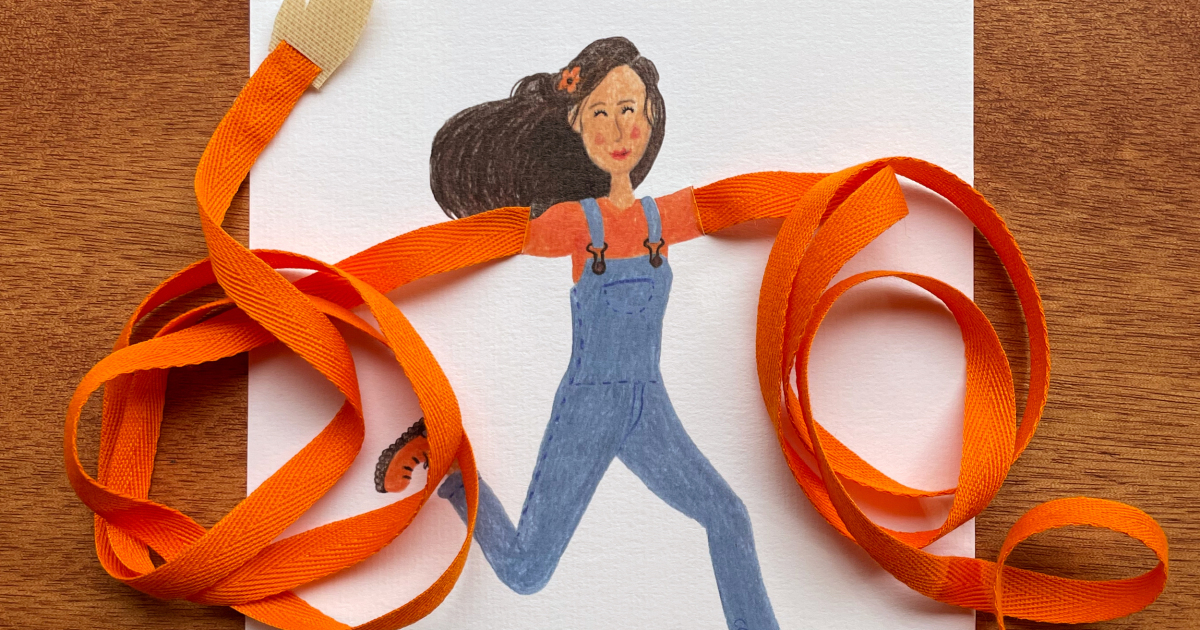

There are days when a text message simply does not have enough elbows. “Thinking of you” is lovely, of course, but sometimes what a person really needs is a warm squeeze, a ridiculous smile, and the feeling that somebody has crossed the distance to say, “I am here.” That is the idea behind Cuddle Cards: cheerful, handmade greeting cards designed to send a hug by post when real arms cannot do the job.
The concept is delightfully simple. A card arrives in the mailbox. It looks friendly. It feels personal. Then the recipient discovers that the illustrated character on the card has actual little arms, often made with fabric and fastened so they can wrap around the card like a tiny portable embrace. It is part greeting card, part paper art, part emotional support squad in an envelope.
Cuddle Cards were created by Camilla Cecilia, a creative entrepreneur and innovation scientist based in Amsterdam, during a time when many people were separated from friends and family. A close friend needed a warm hug, but pandemic restrictions made that impossible. Instead of accepting “no hugs today” as the final answer, she made a way to send one through the mail. Honestly, that is the kind of problem-solving the world could use more of: less doom-scrolling, more envelope-sized affection.
What Are Cuddle Cards?
Cuddle Cards, also known by the Dutch name “Knuffelkaart,” are handmade cards designed to create the feeling of a hug from a distance. Each card features a character with open arms, ready to wrap around the person receiving it. The cards are drawn, designed, and assembled by hand, giving them the kind of charm that mass-produced messages often lack.
Unlike a standard card that simply says “Sending hugs,” these cards act out the message. That small interactive detail matters. When someone opens the envelope, they are not just reading words; they are discovering a mini moment. The card turns into a little ritual: open, smile, unfold, hug back if necessary. No judgment. The mailbox has seen stranger things.
A Small Object With a Big Emotional Job
The genius of a Cuddle Card is that it understands something very human: people need tangible reminders that they are loved. Digital messages are fast, useful, and sometimes perfectly timed, but they disappear into the same device that contains bills, spam, news alerts, and that one app we all opened for “five minutes” three hours ago.
A card is different. It sits on a desk. It stays on a shelf. It falls out of a book months later and says, “Surprise, someone cared about you in physical form.” A Cuddle Card takes that effect a step further by adding playfulness, texture, and personality.
Why Sending Hugs by Post Feels So Powerful
At first, “send a hug by mail” sounds cute. Then you think about it for more than three seconds and realize it is also deeply practical. Families live in different states. Friends move across oceans. Grandparents may not see grandchildren as often as they want. Students leave home. New parents vanish into a fog of bottles, laundry, and mysterious crumbs. People get sick, grieve, burn out, change jobs, recover from breakups, or simply have a Tuesday that behaves like a Monday in disguise.
During moments like these, a card can become a bridge. It does not replace showing up in person, but it says, “Until I can be there, here is a piece of my care.” That is not sentimental fluff. Social connection is a real part of well-being, and loneliness has become a serious concern in modern life. Even small gestures can help people feel remembered, valued, and less alone.
Physical Mail Has a Different Kind of Presence
There is a reason people still save cards in drawers, shoeboxes, memory bins, and between pages of favorite books. A handwritten or carefully chosen card carries effort. Someone selected it, wrote it, addressed it, stamped it, and sent it. That chain of small actions says more than the words alone.
With Cuddle Cards, the effort is visible before the message is even read. The handmade details, the character, the arms, and the tactile design all communicate care. It feels closer to receiving a tiny handmade gift than receiving a simple note.
The Design: Cute, Clever, and Surprisingly Meaningful
Good design is not always about making something look expensive. Sometimes good design means making something instantly understandable. Cuddle Cards do that beautifully. A person sees open arms and immediately understands the message. No manual required. No customer support chatbot. No “please update your card to continue receiving hugs.”
The characters are part of the appeal. Each one has its own personality: warm, friendly, eager, grandmotherly, cheerful, or comforting. That variety helps senders match the card to the recipient. A friend who loves quirky art might get the silliest character. A grandparent might receive a softer, classic cuddler. Someone going through a rough season might need the card that looks most like it knows how to sit quietly beside a cup of tea.
Why the Arms Matter
The fabric arms and wraparound design are more than decoration. They transform the card into an experience. A normal card says, “I wish I could hug you.” A Cuddle Card says, “Fine, logistics are annoying, so I improvised.”
That tiny bit of movement invites interaction. The recipient can open the arms, fold them around the card, place it nearby, or even give the character a little squeeze. Is it the same as a real hug from a loved one? No. Does it make the heart do a small cartwheel? Very possibly.
Who Should Receive a Cuddle Card?
The short answer is: anyone who deserves a hug. The better answer is: anyone who needs a reminder that love can travel. Cuddle Cards work especially well for long-distance friendships, family members, students away at college, people recovering from illness, new parents, grieving loved ones, coworkers under stress, and friends who insist they are “fine” while clearly operating on coffee and stubbornness.
They are also perfect for people who are difficult to shop for. You know the type: they do not want more stuff, already own the practical things, and say “don’t get me anything” with suspicious confidence. A Cuddle Card avoids the pressure of a big gift while still feeling thoughtful and personal.
Examples of When to Send One
Send one after a friend has a hard week. Send one before a surgery or important appointment. Send one to a sibling you miss. Send one to a parent just because. Send one to a colleague after a big project. Send one to someone who moved away and is pretending their new city is exciting every second of the day. Send one when words feel too small but silence feels worse.
The beauty of a hug card is that it does not need a holiday. In fact, it may be most powerful when it arrives for no official reason at all. “Just because” is an underrated emotional category.
Why Handmade Cards Still Stand Out in a Digital World
Digital communication is wonderful. It lets us send birthday wishes at midnight, check on friends instantly, and share photos of dogs doing suspiciously human things. But the speed of digital life also makes messages easy to miss, skim, or forget. A physical card interrupts that pattern in a gentle way.
Opening mail requires attention. You hold the envelope. You see your name. You notice the handwriting. You wonder who sent it. That little pause creates anticipation, and anticipation makes the message feel special. Cuddle Cards use that moment beautifully. The envelope becomes a tiny stage, and the card steps out with open arms.
Personalization Makes the Difference
A card becomes much stronger when the message inside feels specific. “Hope you feel better soon” is kind, but “I know this week has been heavy, and I wish I could bring soup, bad jokes, and a blanket” is better. The more human the note, the more powerful the card.
For Cuddle Cards, a good message does not have to be long. A few honest sentences can be enough. Try something like: “This little hug is reporting for duty until I can deliver the real one.” Or: “Please place this card wherever emergency encouragement is required.” Or: “I cannot fix everything, but I can send tiny arms through the postal system, which feels like a respectable start.”
The Emotional Psychology Behind a Paper Hug
Human beings are wired for connection. We respond to facial expressions, touch, voice, memory, and small rituals of care. A mailed card combines several of those signals. It is visual, tactile, personal, and lasting. When it is handmade or interactive, it becomes even more memorable.
Research has shown that social support and touch can help reduce stress and soften negative feelings. Of course, a card is not the same as a real hug, and it should not be treated as a cure for loneliness, grief, or mental health struggles. But it can be a meaningful gesture within a larger pattern of care. It can start a conversation, reopen a connection, or remind someone that they are not facing life alone.
A Hug Card Is Not Just CuteIt Is a Signal
Every thoughtful card sends a signal: “You crossed my mind, and I did something about it.” That is powerful. Many people think about friends and family often but do not always act on it. A Cuddle Card turns affection into action. It gives care a shape, an envelope, and apparently, small arms.
That signal can be especially meaningful for people who are isolated. A card says, “You are still part of my world.” For someone who feels forgotten, that can be a surprisingly bright light.
How to Write the Perfect Message Inside a Cuddle Card
The best message sounds like you. Do not write like a greeting card committee trapped in a conference room with stale muffins. Write like a real person who cares. If you are funny, be funny. If you are tender, be tender. If you are awkward, congratulationsyou are human, and that can be charming too.
For a Friend Who Is Having a Hard Time
“I wish I could be there in person, but until then, this tiny hug is on full-time duty. You do not have to be cheerful for me. You only have to know that I love you and I am not going anywhere.”
For a Long-Distance Family Member
“Miles are rude, so I am sending backup. Consider this card a hug, a hello, and a reminder that you are missed more than you know.”
For Someone Celebrating a Small Victory
“Look at you, doing the thing! I am proud of you. This card is giving you a celebration hug because confetti in an envelope seemed legally risky.”
For a Grieving Loved One
“There are no perfect words, but there is love. I am sending this small hug to sit with you, quietly and gently, whenever you need it.”
Why Cuddle Cards Make Great Small Gifts
Not every gift needs to be large, expensive, or wrapped in enough tape to challenge a professional locksmith. Sometimes the best gifts are small, thoughtful, and easy to keep. Cuddle Cards fit that category. They are affordable compared with most care packages, easy to send, and emotionally memorable.
They also work well alongside other gifts. Add one to a care package with tea, cookies, socks, a favorite book, or a tiny candle. Pair it with flowers, a birthday gift, or a “survive finals week” box. The card becomes the emotional centerpiecethe part that explains why the package exists.
For Businesses, Teams, and Communities
Cuddle-style cards can also inspire small businesses, schools, nonprofits, and community groups. A thoughtful physical card can help welcome new employees, thank volunteers, comfort members, or celebrate milestones. In a workplace full of dashboards, deadlines, and calendar invites, a warm card can feel refreshingly human.
The lesson is not that every organization needs fabric-armed cards, although that would make many meetings more emotionally advanced. The lesson is that care becomes stronger when it is specific, tangible, and personal.
What Creators Can Learn From the Cuddle Cards Idea
Cuddle Cards are a wonderful example of creativity solving an emotional problem. The idea did not begin with a giant product strategy or a boardroom trend forecast. It began with a friend who needed a hug and a maker who asked, “How can I send one anyway?”
That is often where the best creative work starts: with a real need. The product is charming because the emotion behind it is sincere. It is not trying to be clever for cleverness’ sake. It is clever because it is useful.
Start With the Feeling, Then Build the Object
If you are a maker, designer, illustrator, writer, or small business owner, this is the big takeaway: begin with the feeling you want to deliver. Comfort. Joy. Relief. Encouragement. Nostalgia. Laughter. Then ask what physical form could carry that feeling.
For Cuddle Cards, the feeling is an embrace. The form is a card with arms. Simple. Memorable. Shareable. The idea is easy to understand in one sentence, which is a major advantage for any creative product.
Experiences Related to Creating and Sending Cuddle Cards
Creating a Cuddle Card begins long before the envelope is sealed. It starts with the person you are thinking about. Maybe it is a friend who moved away and still sends memes at midnight. Maybe it is your mom, who says she does not need anything but keeps every card you have ever written. Maybe it is someone going through a season so heavy that even cheerful advice would sound like a kazoo at a funeral. The first step is noticing. The second step is caring enough to act.
One of the most meaningful experiences related to Cuddle Cards is choosing the right character. This part feels small, but it is surprisingly personal. A bright, goofy cuddler might be perfect for the friend who laughs at everything. A gentle, grandparent-like character may fit someone who needs softness. A bold, colorful design might suit the person whose home already looks like joy exploded tastefully across the walls. Matching the card to the recipient makes the gesture feel intentional rather than automatic.
Writing the message can be emotional too. Many people freeze when faced with blank space, as if the inside of the card is judging their vocabulary. The trick is to stop trying to be profound. Write one true thing. “I miss you.” “I am proud of you.” “This is hard, and I am here.” “You make my life better.” These sentences are not fancy, but they land. A Cuddle Card already brings the visual metaphor; your job is simply to add sincerity.
Sending the card is another small ritual. Addressing the envelope, adding the stamp, and dropping it in the mailbox can feel almost old-fashioned, but in the best way. It slows the gesture down. Instead of tapping “send” and immediately moving on, you participate in the care. You prepare it. You release it. Then you imagine the recipient opening it days later, probably near a kitchen counter, maybe while sorting bills, suddenly interrupted by a tiny paper hug.
Receiving one can be even better. A Cuddle Card does not demand a perfect response. It simply arrives. The recipient can laugh, cry, text a photo, display it on a shelf, or quietly keep it somewhere private. Some people may not say much, but that does not mean the card did not matter. Often, the most meaningful gestures are absorbed quietly.
In families, these cards can become little traditions. A parent might send one to a child at college before exams. A grandchild might send one to a grandparent after a visit. Friends might exchange them after moves, breakups, new jobs, or rough winters. Over time, the cards become emotional bookmarks, marking the moments when people could not be together but still found a way to reach each other.
There is also a creative experience in making hug-inspired cards yourself. Even if you are not a professional artist, you can experiment with paper arms, fabric scraps, folded shapes, stickers, or simple drawings. The point is not perfection. In fact, a slightly wonky handmade card may be more lovable than a flawless one. A crooked smile, uneven arms, or glue that got a little ambitious can make the card feel alive. Handmade affection is allowed to have fingerprints.
The biggest lesson from Cuddle Cards is that care does not have to be complicated. It can be small, funny, tactile, and deeply human. It can travel by post. It can fit inside an envelope. It can have Velcro hands. And sometimes, when someone opens their mailbox on an ordinary day, that may be exactly the hug they needed.
Conclusion: A Hug That Fits in an Envelope
Cuddle Cards prove that a simple idea can carry a surprising amount of warmth. They combine handmade art, thoughtful design, humor, and emotional intelligence into one small object. They remind us that connection does not always require grand gestures. Sometimes it requires a card, a stamp, a few honest words, and the willingness to send love before the moment passes.
In a world overflowing with instant messages, a hug by post feels wonderfully deliberate. It says, “I paused for you.” It says, “You matter enough for effort.” Most of all, it says that even when distance gets in the way, creativity can still stretch its little fabric arms across the miles.