
There comes a moment when the word resilient stops sounding like a compliment and starts sounding like unpaid overtime for your nervous system. People say, “You are so strong,” and you smile politely while thinking, “Great. Does that come with snacks, sleep, or a functioning support system?”
The phrase “I do not want to be resilient” does not mean “I want to quit life, hide under a blanket, and communicate only through dramatic sighs.” Although, honestly, a blanket sabbatical has excellent branding potential. It means something deeper: many people are tired of being praised for surviving situations that should have been healthier, fairer, kinder, or more sustainable in the first place.
Resilience is often described as the ability to adapt after stress, adversity, trauma, or major change. In its best form, resilience is helpful. It can mean emotional flexibility, problem-solving, support-seeking, rest, perspective, and the ability to recover after life knocks over your carefully arranged mental furniture. But in its worst form, resilience becomes a shiny sticker slapped onto exhaustion. It can become a polite way of saying, “Please keep functioning while everything around you remains unreasonable.”
This article explores why many people are pushing back against the pressure to be endlessly resilient, especially in work, school, caregiving, relationships, and modern daily life. It also looks at the difference between real resilience and toxic resilience, why burnout is not a personality flaw, and how to build a life that requires less constant emotional armor.
What People Really Mean When They Say “I Do Not Want to Be Resilient”
When someone says, “I do not want to be resilient,” they are usually not rejecting growth. They are rejecting the expectation that they should absorb unlimited stress with a calm face and a color-coded planner.
In everyday language, resilience has become a catch-all answer for hardship. Lost your job? Be resilient. Overworked? Build resilience. Struggling with anxiety, grief, family pressure, bills, school deadlines, or the general circus parade of adulthood? Resilience! It is the emotional equivalent of putting duct tape on a leaking ceiling and calling it architecture.
The problem is not resilience itself. The problem is when resilience is used to avoid asking better questions, such as:
- Why is this environment so exhausting?
- Why are people expected to recover without enough rest?
- Why is support treated like a bonus instead of a basic need?
- Why are boundaries praised in theory but punished in practice?
- Why do we celebrate survival more than we prevent unnecessary suffering?
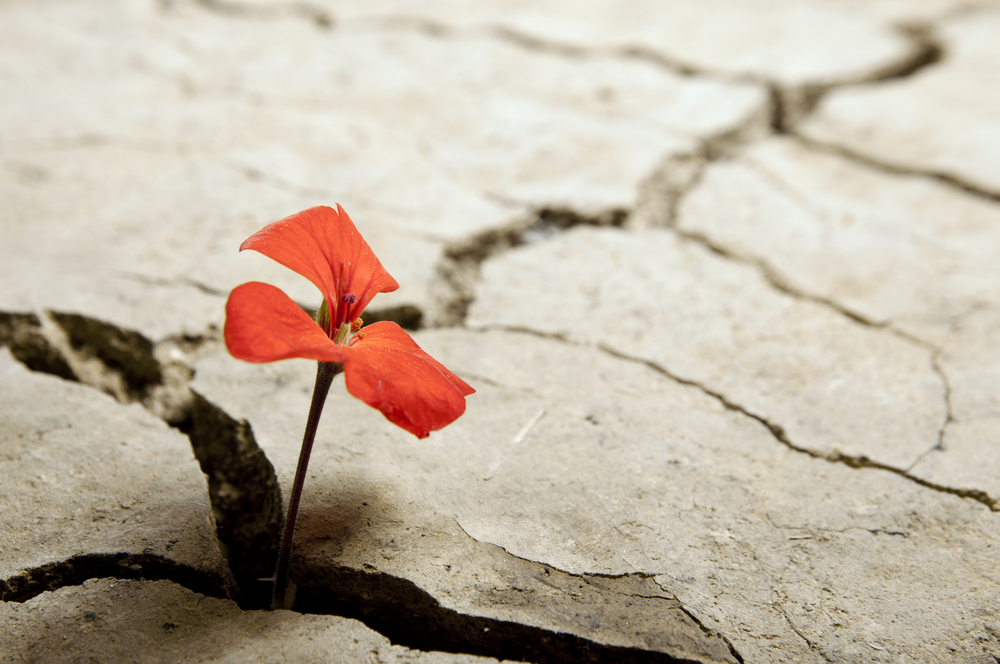
Real resilience should help people heal, adapt, and reconnect with life. It should not be a motivational poster telling someone to bloom in concrete while everyone refuses to discuss the concrete.
The Rise of “Toxic Resilience”
Toxic resilience happens when people are expected to keep bouncing back without meaningful change, care, or accountability. It is closely related to toxic positivity, the pressure to stay cheerful even when something is genuinely difficult.
Healthy encouragement says, “This is hard, and you do not have to face it alone.” Toxic resilience says, “You have handled worse, so keep going.” One offers support. The other hands you a flaming backpack and compliments your posture.
Healthy Resilience vs. Toxic Resilience
Healthy resilience includes rest, connection, honest emotions, and practical support. It accepts that people have limits. It recognizes that sadness, frustration, anger, disappointment, and fatigue are not moral failures. They are signals. Sometimes those signals say, “Take a break.” Sometimes they say, “Ask for help.” And sometimes they say, “This system is running on vibes and expired coffee.”
Toxic resilience ignores those signals. It turns endurance into identity. It tells people they are admirable for tolerating conditions that are slowly draining them. It may sound empowering on the surface, but underneath it can become a trap: if you are “strong,” you are not allowed to need anything.
That is why the statement “I do not want to be resilient” can be surprisingly healthy. It can be a boundary. It can be the beginning of a more honest conversation about what people need to actually be well.
Burnout Is Not a Badge of Honor
Burnout is often discussed as if it is the natural price of ambition. Work hard, push through, answer messages at midnight, drink cold coffee with the bravery of a frontier explorer, and eventually you become successful. Or exhausted. Usually exhausted.
Burnout is commonly linked to prolonged stress, high demands, low control, limited support, unclear expectations, and lack of recovery time. It can show up as emotional exhaustion, cynicism, reduced motivation, trouble concentrating, irritability, and the sense that even small tasks require the strength of a medieval knight.
Many people experiencing burnout are not weak. They are overloaded. They may be students juggling academic pressure, parents carrying invisible household labor, employees working under impossible deadlines, caregivers supporting others, or people trying to stay financially afloat while pretending inflation is just a spicy little plot twist.
The Problem With Praising People for “Handling It”
When someone is praised for handling too much, the praise can feel complicated. On one hand, being seen feels good. On the other hand, it can silently reinforce the expectation that they will continue handling too much.
Imagine a worker who keeps covering extra shifts because the team is understaffed. Everyone says, “You are amazing. We do not know what we would do without you.” That sounds kind, but if nothing changes, the compliment becomes a velvet rope around a trapdoor. Appreciation is lovely. Staffing plans are lovelier.
Or picture a student who is always calm, responsible, and high-achieving. Adults may call them mature, disciplined, and resilient. But sometimes the “resilient” student is simply the student who learned not to ask for help because everyone already expects them to be fine.
This is why resilience must be paired with responsibility. Individuals can learn coping skills, but institutions, workplaces, families, and communities must also reduce unnecessary harm.
Why Rest Feels Rebellious
In a culture obsessed with productivity, rest can feel suspicious. If you are not working, improving, optimizing, tracking, posting, planning, learning, networking, exercising, hydrating, journaling, meditating, or turning your hobby into a side hustle, someone may act like you are wasting your potential.
But rest is not laziness. Rest is maintenance. Nobody calls a phone lazy for needing to charge. Nobody says, “Wow, this laptop lacks grit,” when the battery hits 2%. Yet humans often treat their own exhaustion as a character defect.
Resilience without rest becomes depletion. You cannot bounce back if you are never allowed to land. You cannot heal if your only recovery plan is “keep going.”
Rest Is Data, Not Drama
Needing rest gives you information. It may tell you that your schedule is too crowded, your emotions are overloaded, your body needs care, or your environment is asking too much. The goal is not to shame yourself for being tired. The goal is to listen before your body has to speak louder.
Sometimes the most resilient thing you can do is stop performing resilience. Cancel the unnecessary meeting. Ask for clarification. Take the break. Say no without writing a 14-page legal defense. Let the laundry sit there for a moment, looking judgmental but ultimately powerless.
The Role of Boundaries in Real Resilience
Boundaries are not walls. They are doors with working locks. They help determine what gets access to your time, energy, attention, and emotional bandwidth.
People who say “I do not want to be resilient” are often discovering that they do not need more toughness; they need better boundaries. That might mean not answering work messages after a certain hour, refusing to absorb other people’s emotional chaos, limiting doomscrolling, asking for help before reaching a breaking point, or admitting that “I can do it” is not the same as “I should have to do it.”
Examples of Boundaries That Support Well-Being
A workplace boundary might sound like: “I can complete this by Friday, but not by tomorrow without dropping another priority.” A school boundary might sound like: “I need help understanding this assignment before the deadline.” A family boundary might sound like: “I care about this conversation, but I cannot discuss it while we are yelling.”
Boundaries do not always feel comfortable at first. If you are used to being agreeable, saying no may feel like committing a tiny social crime. But boundaries are not cruelty. They are clarity.
Social Support Is Not Optional
One of the biggest myths about resilience is that it is a solo sport. We imagine a resilient person standing alone on a cliff, hair blowing heroically in the wind, emotionally regulated and probably wearing excellent boots. But real resilience is deeply connected to support.
People recover better when they have access to caring relationships, safe communities, trustworthy information, fair policies, health care, financial stability, and places where they can be honest without being judged. Resilience grows in networks. It is not just an inner muscle; it is also an outer structure.
This matters because telling people to “be more resilient” without offering support is like telling someone to swim harder while removing the boat, the life jacket, and the shoreline.
When “I Do Not Want to Be Resilient” Becomes a Turning Point
The sentence may sound negative at first, but it can become a powerful moment of self-recognition. It may mean:
- I do not want to normalize constant stress.
- I do not want to be praised for ignoring my needs.
- I do not want to confuse endurance with healing.
- I do not want to keep adapting to unhealthy patterns.
- I want a life that supports me, not just one I can survive.
That is not weakness. That is wisdom wearing comfortable shoes.
A Better Definition of Strength
Strength is not always pushing through. Sometimes strength is telling the truth. Sometimes it is asking for help, changing direction, grieving honestly, leaving the room, lowering the mask, or refusing to call chronic stress “just life.”
A better definition of resilience would include the ability to recover, but also the right to be supported while recovering. It would include adaptability, but not endless accommodation. It would honor courage, but not glorify suffering.
How to Build a Life That Requires Less Resilience
The goal is not to become fragile. The goal is to stop designing lives, workplaces, schools, and relationships that require people to be superhuman just to get through Tuesday.
1. Name the Actual Problem
Instead of asking, “Why can’t I handle this?” try asking, “What exactly is making this hard?” Maybe the issue is workload, unclear communication, lack of sleep, financial pressure, emotional labor, conflict, isolation, or unrealistic expectations. Naming the problem turns fog into a map.
2. Separate Discomfort From Harm
Some discomfort helps us grow. Learning a skill, having an honest conversation, or taking responsibility can be uncomfortable in a useful way. Harm is different. Harm drains, silences, shames, or repeatedly overwhelms. Resilience should help with growth discomfort, not make harm more acceptable.
3. Build Recovery Into the Schedule
Recovery should not be the tiny leftover crumb after everyone else has taken a bite out of your day. Put breaks, sleep, meals, movement, quiet time, and connection into your actual calendar. If your calendar looks like it was designed by a caffeinated raccoon, it may need editing.
4. Ask for Specific Support
General cries of “I’m overwhelmed” are valid, but specific requests are often easier for others to respond to. Try: “Can you help me prioritize these tasks?” “Can we move the deadline?” “Can you listen without giving advice?” “Can you take over dinner tonight?” Support works better when people know where to plug in.
5. Stop Romanticizing Survival Mode
Survival mode can be necessary in emergencies. But it is not meant to be a permanent address. If you have been living in survival mode for months or years, the answer may not be more grit. It may be more care, more change, more advocacy, and more permission to stop pretending everything is fine.
Experiences Related to “I Do Not Want to Be Resilient”
Many people first understand this feeling in small, ordinary moments. It may happen at work when your manager praises you for being “flexible” after changing your schedule for the fifth time. It may happen at school when everyone assumes you can handle another deadline because you handled the last one. It may happen in a family where you are always the calm one, the responsible one, the translator of everyone else’s emotions. At first, being dependable feels good. Then it becomes a job you never applied for.
One common experience is the “strong friend” problem. The strong friend listens to everyone, remembers birthdays, gives thoughtful advice, sends the “Did you get home safe?” text, and somehow becomes the unofficial emotional customer service desk of the group. But when the strong friend struggles, people are surprised. They say, “But you always seem so together.” That sentence can feel lonely because it reveals how well the performance worked. The strong friend was not always okay. They were just highly skilled at packaging pain in socially acceptable wrapping paper.
Another experience happens in achievement culture. A person gets good grades, meets goals, wins praise, and becomes known as disciplined. But behind the scenes, they may be exhausted, anxious, and afraid to disappoint anyone. Their resilience is rewarded, so they keep raising the bar. Eventually, they do not know whether they want the goal or just fear who they would be without it. The gold star starts looking less like encouragement and more like a tiny, shiny leash.
Workplaces create their own version of this story. An employee takes on extra tasks during a busy season. Then the busy season becomes the normal season. The person who stepped up once becomes the person everyone expects to step up forever. When they finally say they are tired, the response may be confusion: “But you are so good under pressure.” Being good under pressure does not mean pressure should become your natural habitat. Diamonds form under pressure. Humans usually form headaches.
Caregivers also know this feeling deeply. Parents, older siblings, health workers, teachers, and people supporting loved ones often learn to keep moving because someone needs them. Their resilience is real, but it can come at a cost when care flows in only one direction. Even the most loving person needs replenishment. A cup cannot pour forever just because everyone compliments how generous the cup is.
Then there is the quiet experience of private grief or stress. Someone may go through a breakup, financial trouble, identity confusion, loneliness, health worries, or a major life transition while still showing up to class, work, and social events. People may never know how much effort it takes to appear normal. They only see the surface: the emails answered, the jokes made, the assignments submitted, the smile held in place like a decorative shelf that is one screw away from disaster.
In these moments, saying “I do not want to be resilient” can be a way to reclaim humanity. It says, “I am not a machine with inspirational quotes taped to the side.” It says, “I want support before I collapse, not applause after I survive.” It says, “I want softness, rest, fairness, connection, and room to be honest.”
The experience is not about rejecting responsibility. It is about rejecting endless self-abandonment. It is about learning that needing help does not erase your strength. Feeling tired does not cancel your worth. Wanting life to be gentler does not make you weak. It makes you awake.
Conclusion: You Are Allowed to Want More Than Survival
I do not want to be resilient is not a defeatist statement. It is a human one. It challenges the idea that people should endlessly adapt to stress without questioning why so much stress exists. It asks for a better balance between personal coping and collective responsibility.
Yes, resilience can be useful. Life will always include change, disappointment, uncertainty, and the occasional printer jam that tests the very fabric of civilization. But resilience should never be used as an excuse to ignore burnout, unhealthy expectations, or lack of support.
You are allowed to build coping skills and still want the situation to change. You are allowed to be strong and still need rest. You are allowed to be grateful and still be tired. You are allowed to say, “I can survive this,” while also saying, “I should not have to keep surviving this forever.”
The healthiest version of resilience is not endless toughness. It is recovery with support, growth with honesty, and strength with boundaries. Sometimes the bravest thing you can say is not “I can handle anything.” Sometimes it is simply: “I do not want to be resilient. I want to be well.”