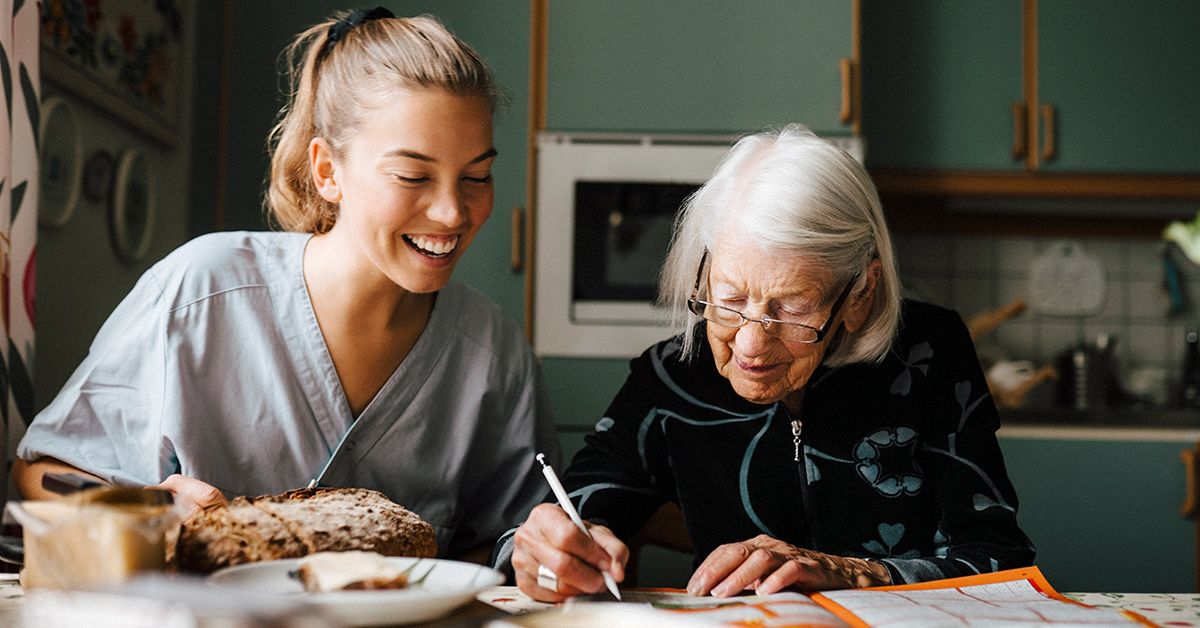

Lung cancer has a way of turning ordinary rooms into command centers. Suddenly, the kitchen table holds medication lists, appointment notes, water bottles, insurance papers, and at least one mystery pen that no one admits belongs to them. In-home care for lung cancer is not just about “helping out.” It is about creating a safe, calm, practical environment where a person can breathe easier, conserve energy, manage treatment side effects, and still feel like a human beingnot a walking medical chart.
Whether someone is recovering from lung surgery, receiving chemotherapy, immunotherapy, targeted therapy, radiation, oxygen therapy, palliative care, or hospice support, home can be an important part of the care plan. The goal is not to turn the living room into a hospital. The goal is to make daily life more manageable, more comfortable, and less chaotic.
This guide explains what families should know about lung cancer home care, including symptoms to monitor, safety tips, caregiver responsibilities, palliative care, nutrition, emotional support, and real-life experiences that often do not show up on a discharge sheet.
What Is In-Home Care for Lung Cancer?
In-home care for lung cancer means support provided where the patient lives. It can be informal, such as care from a spouse, adult child, parent, sibling, friend, or neighbor. It can also be professional, involving home health nurses, aides, physical therapists, occupational therapists, social workers, respiratory therapists, palliative care teams, or hospice providers.
The type of home care depends on the person’s cancer stage, treatment plan, symptoms, insurance coverage, family support, and personal preferences. Some people need short-term help after surgery. Others need long-term assistance because of advanced lung cancer, fatigue, shortness of breath, pain, or treatment side effects.
Common in-home care tasks may include:
- Tracking symptoms such as cough, shortness of breath, pain, fever, fatigue, appetite changes, and confusion
- Helping with medications and appointment schedules
- Preparing meals and encouraging hydration
- Assisting with bathing, dressing, walking, and bathroom safety
- Keeping oxygen equipment safe and clean when prescribed
- Providing transportation to treatment or follow-up visits
- Communicating changes to the oncology team
- Offering emotional support without trying to “fix” every feeling
A good home care plan is like a good recipe: specific enough to follow, flexible enough to survive real life, and ideally not dependent on one exhausted person doing everything while pretending coffee counts as a food group.
Why Home Care Matters for Lung Cancer Patients
Lung cancer can affect breathing, strength, appetite, sleep, mood, and independence. Treatment may help control the disease, but it can also bring side effects such as nausea, weakness, skin irritation, mouth soreness, diarrhea, constipation, nerve changes, or infection risk. Home care helps bridge the gap between medical treatment and everyday living.
For many patients, staying at home supports comfort and dignity. Familiar surroundings can reduce stress. A favorite chair, a quiet bedroom, a family pet, or a morning routine can make a difficult season feel a little less clinical. At the same time, home care must be organized. Lung cancer symptoms can change quickly, so caregivers need to know what is normal for the patient and what deserves a call to the doctor.
Symptoms to Watch Closely at Home
Every person with lung cancer is different, but certain symptoms deserve close attention. Caregivers should keep a simple symptom log and bring it to appointments. It does not need to be fancy. A notebook, phone note, or printed chart works. The best system is the one someone will actually use after a long day.
Call the care team if symptoms change
Contact the oncology team if the patient has worsening shortness of breath, new or increasing chest pain, coughing up blood, fever, sudden weakness, new confusion, uncontrolled nausea or vomiting, severe constipation, inability to drink fluids, swelling of the face or arms, or pain that is not controlled by prescribed medication.
Emergency symptoms require immediate medical help. These may include severe trouble breathing, blue lips or face, fainting, intense chest pressure, sudden confusion, or signs of a serious allergic reaction. When in doubt, do not play “medical detective” at home. Call for help.
Managing Shortness of Breath at Home
Shortness of breath, also called dyspnea, is one of the most common and frightening lung cancer symptoms. It can happen because of the cancer itself, fluid around the lungs, infection, anemia, treatment effects, anxiety, other lung disease, or physical deconditioning.
Helpful at-home strategies may include sitting upright, using pillows for support, pacing activities, keeping frequently used items nearby, using a fan for gentle airflow, practicing pursed-lip breathing, and creating a calm environment. Pursed-lip breathing is simple: breathe in slowly through the nose, then breathe out through pursed lips as if cooling soup. Not boiling soup. Just politely cooling it.
If oxygen is prescribed, use it exactly as directed. Oxygen is a medication, not a decorative accessory. The patient should not increase or decrease flow settings without medical guidance unless the care team has given specific instructions.
Oxygen Safety in the Home
Some people with lung cancer need supplemental oxygen. Oxygen can help reduce breathing difficulty when blood oxygen levels are low, but it must be handled safely. Oxygen supports fire, so safety rules are non-negotiable.
Basic oxygen safety tips include:
- No smoking near oxygen equipment, ever
- Keep oxygen away from candles, fireplaces, gas stoves, and open flames
- Keep heat sources several feet away from oxygen tanks or concentrators
- Do not use petroleum-based products near the nose or oxygen tubing
- Make sure tubing does not create a tripping hazard
- Post “No Smoking” signs if visitors need the reminder
It is also wise to ask the oxygen supplier what to do during a power outage, how to travel with equipment, and when to request replacement supplies. Caregivers should know the difference between a concentrator, portable tank, backup tank, nasal cannula, humidifier bottle, and tubing. The first week may feel like learning the controls of a spaceship, but most families get the hang of it.
Medication Management Without Losing Your Mind
Lung cancer treatment often comes with a crowded medication schedule. There may be cancer drugs, pain medicine, anti-nausea medicine, inhalers, steroids, blood thinners, antibiotics, laxatives, stool softeners, sleep aids, appetite support, or medications for other health conditions.
Caregivers should keep an updated medication list that includes the drug name, dose, schedule, purpose, prescribing doctor, and possible side effects. Use a pill organizer only if it is safe for the patient’s medication type. Some cancer drugs have special handling instructions and should not be crushed, split, or touched without guidance.
Ask the oncology team or pharmacist these questions:
- Which medications are daily, and which are only as needed?
- What side effects should be reported immediately?
- Can this medicine be taken with food?
- What should we do if a dose is missed?
- Are there supplements or over-the-counter drugs to avoid?
A medication mistake can happen in even the most loving home. That is why systems matter. Love is wonderful, but love plus a checklist is even better.
Nutrition and Hydration: Small Wins Count
Lung cancer and its treatments can reduce appetite, change taste, cause nausea, or make eating feel like a chore. Some people lose weight without trying. Others feel full quickly or become too tired to cook. In-home care should focus on realistic nourishment, not perfect meals worthy of a cooking show.
Small, frequent meals may work better than three large meals. Soft foods, smoothies, soups, eggs, yogurt, nut butters, oatmeal, avocado, protein shakes, and easy-to-chew meals can help. If smells trigger nausea, try cold foods or simple snacks. If swallowing is hard, tell the care team. A dietitian, speech-language pathologist, or palliative care specialist may help.
Hydration matters too. Keep water, electrolyte drinks, ice chips, popsicles, or broth nearby if allowed. Watch for signs of dehydration such as dark urine, dizziness, dry mouth, confusion, or very low fluid intake.
Energy Conservation and Home Setup
Fatigue in lung cancer is not ordinary tiredness. It can feel like the body’s battery is stuck at 8%, and the charger has gone missing. One of the best home care strategies is energy conservation.
Make the home easier to navigate
- Place a chair in the shower if approved by the care team
- Use non-slip mats and remove loose rugs
- Keep pathways clear of cords, oxygen tubing, shoes, and pet toys
- Move daily items to waist height to avoid bending or reaching
- Set up a bedside table with water, tissues, medications, phone charger, and emergency numbers
- Use a rolling cart for supplies if the patient moves between rooms
Encourage the patient to sit during tasks such as brushing teeth, dressing, or meal prep. Break activities into steps. Rest before exhaustion hits, not after. A scheduled rest is strategy. A crash nap after overdoing it is the body filing a complaint.
Palliative Care Is Not Giving Up
One of the biggest myths in lung cancer care is that palliative care means “nothing more can be done.” In reality, palliative care focuses on relief from symptoms, stress, pain, and treatment side effects. It can be provided at the same time as cancer treatment and may begin early in the illness.
A palliative care team may help with shortness of breath, pain, cough, fatigue, sleep problems, appetite loss, anxiety, depression, constipation, nausea, and family communication. The team may include doctors, nurses, social workers, chaplains, and other specialists. Their job is to improve quality of life and help the patient live as comfortably and fully as possible.
Hospice care is different. Hospice is usually for people with a life-limiting illness who are no longer receiving treatment intended to cure or control the cancer and who want comfort-focused care. Hospice can often be provided at home and may include nursing visits, medications related to comfort, equipment, caregiver education, and emotional support.
Emotional Support at Home
Lung cancer can bring fear, sadness, anger, guilt, uncertainty, and loneliness. Sometimes the patient wants to talk. Sometimes they want silence. Sometimes they want a sandwich and a crime show. Emotional support means paying attention to the person in front of you, not delivering motivational speeches from an imaginary podium.
Helpful phrases include:
- “I’m here with you.”
- “Do you want advice, help, or just someone to listen?”
- “What would make today easier?”
- “You do not have to be cheerful for me.”
- “Let’s write that question down for the doctor.”
Avoid blaming language, especially around smoking history. Lung cancer stigma can make patients feel judged and isolated. No one deserves cancer. Home should be the place where the patient is treated with respect, not cross-examined like a defendant in a very unhelpful courtroom drama.
Caregiver Health: The Backup Battery Needs Charging
Caregivers often put themselves last. They skip meals, ignore sleep, cancel appointments, and say “I’m fine” with the emotional energy of a melting popsicle. But caregiver burnout is real. Stress can affect physical health, mood, memory, patience, and decision-making.
Caregivers should build support early. Ask relatives or friends for specific help: “Can you drive to treatment on Tuesday?” works better than “Let me know if you can help,” which often floats into the universe and disappears. Consider support groups, counseling, respite care, faith communities, meal trains, or local cancer support organizations.
Caregiving is not a solo Olympic event. There are no medals for becoming completely exhausted. There is only exhaustion.
Questions to Ask the Lung Cancer Care Team
Good questions make home care safer. Bring a notebook to appointments or use a shared phone document. Ask:
- What symptoms should we report right away?
- Who do we call after office hours?
- What side effects are expected from this treatment?
- Should we track oxygen levels, weight, temperature, or pain scores?
- Is home health care appropriate?
- Would palliative care help now?
- Are there activity limits?
- What infection precautions should we follow?
- Can we meet with a dietitian or social worker?
- What legal or advance care planning documents should we discuss?
Real-Life Experiences: What Families Often Learn at Home
Families caring for someone with lung cancer often discover that the medical plan is only half the story. The other half happens in ordinary moments: the patient who insists they can walk to the bathroom alone but forgets the oxygen tubing; the caregiver who learns that medication alarms are helpful until three alarms go off at once and everyone thinks the microwave is having a crisis; the family member who brings lasagna when the patient can only tolerate applesauce. These moments are not failures. They are part of learning.
One common experience is realizing that energy is precious. A person with lung cancer may look “fine” while sitting still but become breathless after walking across the room. Families sometimes need time to understand that shortness of breath is not laziness and fatigue is not a bad attitude. A useful approach is to ask the patient what part of the day matters most. If taking a shower uses most of their energy, maybe visitors should come later. If eating breakfast is easier before medications, protect that time. Home care improves when the household stops fighting the patient’s energy pattern and starts working with it.
Another experience is learning how emotional needs shift. Some days the patient may want encouragement. Other days, cheerful comments feel exhausting. A caregiver may say, “You’ve got this,” and the patient may think, “Actually, I would like permission to not ‘got this’ for five minutes.” The best caregivers learn to ask before assuming. “Do you want to talk about it, be distracted, or rest?” is a small question with a big impact.
Families also learn the value of writing things down. In the beginning, everyone believes they will remember what the doctor said. Then treatment names, scan dates, medication changes, and lab results begin arriving like confetti in a wind tunnel. A shared notebook can reduce confusion. Include appointment dates, medication changes, symptoms, questions, and names of care team members. This record helps caregivers spot patterns, such as worse coughing at night, nausea after a certain medication, or fatigue two days after treatment.
Home care also teaches humility. The “perfect caregiver” does not exist. Someone will forget to thaw dinner. Someone will cry in the laundry room. Someone will accidentally buy the wrong flavor of nutrition drink and learn that “vanilla” and “French vanilla” are apparently two rival kingdoms. What matters is not perfection. What matters is safety, communication, and compassion.
Many families say that accepting help is harder than offering it. People may say, “Tell me what you need,” but the caregiver may be too tired to delegate. Make a list before the crisis hits: groceries, rides, lawn care, pharmacy pickup, pet care, school pickup, laundry, sitting with the patient, or handling insurance calls. When someone offers help, give them one task. This protects the main caregiver and gives others a meaningful way to show love.
Finally, families often learn that home can still hold joy. Serious illness does not erase ordinary pleasures. A good cup of tea, a favorite blanket, a short porch visit, a family photo album, music from younger days, or a ridiculous sitcom can bring comfort. Lung cancer care at home is not only about managing symptoms. It is also about protecting the person’s identity, preferences, humor, dignity, and sense of belonging.
Conclusion
In-home care for lung cancer is a blend of practical planning, symptom awareness, emotional patience, and teamwork. It may involve oxygen safety, medication management, nutrition support, mobility help, palliative care, home health services, or hospice. But at its heart, home care is about helping someone live as safely and comfortably as possible in a familiar place.
The best care plans are clear, flexible, and shared. Caregivers should know when to call the medical team, how to track symptoms, how to prevent falls, how to manage oxygen safely, and how to ask for help before burnout takes over. Patients should be included in decisions whenever possible, because dignity is not a luxury item. It belongs in every care plan.
Note: This article is for general education and should not replace medical advice. Lung cancer symptoms and treatment needs can change quickly, so patients and caregivers should follow the guidance of their oncology team.