
A beautiful yard should do more than sit there looking expensive. Great landscape design welcomes guests, frames the house, cools the patio, supports birds and pollinators, handles rainwater like a responsible adult, and still gives you a place to drink coffee in pajamas without feeling judged by the neighbors.
That is the magic of inspiring landscape design: it blends beauty, function, sustainability, and personality. Whether you are planning a tiny front yard, a roomy backyard retreat, a modern courtyard, or a full outdoor living space, the goal is not to copy a magazine photo plant-for-plant. The goal is to create a landscape that fits your climate, your home, your daily habits, and your tolerance for pulling weeds on a Saturday morning.
This guide explores practical landscape design ideas rooted in real-world principles: site analysis, native plants, water-wise planning, outdoor rooms, layered planting, energy-saving shade, and low-maintenance beauty. Think of it as a friendly blueprint for turning “the yard” into “the place everyone wants to hang out.”
What Makes Landscape Design Truly Inspiring?
Inspiring landscape design is not just about pretty flowers, although we will never insult a hydrangea doing its best. A memorable landscape has purpose. It solves problems while creating emotion. It can make a narrow side yard feel like a secret garden, turn a hot patio into a shaded retreat, or transform a bland lawn into a habitat-rich landscape that buzzes, flutters, and blooms through the seasons.
The best designs usually share four qualities: they are beautiful, functional, climate-aware, and personal. Beauty brings people outside. Function keeps them there. Climate-smart choices reduce water waste and maintenance. Personal touches make the space feel lived in instead of staged for a catalog where nobody owns a dog, grill, or rogue soccer ball.
Start With the Site, Not the Shopping Cart
One of the biggest landscaping mistakes is heading to the garden center before understanding the yard. That is how people end up with sun-loving plants sulking in the shade and thirsty shrubs planted in the driest corner of the property. Before buying anything, study the site like a detective with a trowel.
Observe Sun, Shade, Soil, and Water
Track where the sun hits in the morning, afternoon, and evening. Notice where water collects after rain. Identify dry slopes, windy corners, compacted soil, and existing trees worth protecting. These details determine what will thrive and what will quietly file a complaint with nature.
A sunny western wall may need shade trees or tough drought-tolerant plants. A low spot may be perfect for a rain garden. A shady entry may call for ferns, sedges, hostas, or native woodland plants depending on your region. Matching plants to the site is the foundation of sustainable landscape design.
Define How You Want to Use the Space
A yard for weekend barbecues needs different planning than a meditation garden, children’s play area, pollinator meadow, or elegant front yard landscape. Make a simple list of priorities. Do you want privacy? Shade? Less mowing? More color? A fire pit? Room for pets? A vegetable garden? A path to stop guests from trampling the lawn like tiny cheerful bulldozers?
Once you know the purpose, the design decisions become clearer. Patios go where people naturally gather. Paths follow real movement. Plants support privacy, shade, drainage, or seasonal interest instead of being dropped randomly like confetti.
Use Landscape Design Principles That Always Work
Even the most creative garden benefits from structure. Classic design principles such as balance, scale, repetition, contrast, rhythm, and focal points help a landscape feel intentional. Without them, a yard can look like a plant yard sale where every shrub is shouting, “Pick me!”
Balance Keeps the Yard Calm
Balance does not always mean symmetry. A formal entry might use matching planters or identical shrubs on both sides of a walkway. A naturalistic garden may balance a large shade tree on one side with a layered planting bed on the other. The idea is visual stability, not mathematical boredom.
Repetition Creates Unity
Repeating plants, colors, materials, or shapes helps connect different parts of the landscape. A line of ornamental grasses, repeated drifts of coneflowers, or the same stone used in the patio and garden path can make the whole property feel pulled together. Repetition is the design equivalent of a good chorus: familiar, satisfying, and hard to mess up.
Contrast Adds Energy
Contrast keeps the landscape interesting. Pair fine-textured grasses with bold-leaf plants. Place dark foliage near silver or chartreuse leaves. Combine soft planting with crisp hardscape edges. The trick is moderation. Too little contrast feels flat; too much feels like the garden had three espressos and lost supervision.
Create Outdoor Rooms for Real Life
Modern backyard landscaping often works best when the yard is treated like a series of outdoor rooms. Each area has a purpose, a sense of enclosure, and a comfortable flow from one space to the next.
The Arrival Zone
The front yard sets the tone. A clear walkway, layered foundation planting, welcoming lighting, and seasonal color can make the entry feel warm without requiring a red carpet. Use plants to frame the door rather than hide the house. Keep mature plant sizes in mind so today’s cute shrub does not become tomorrow’s window-eating beast.
The Gathering Zone
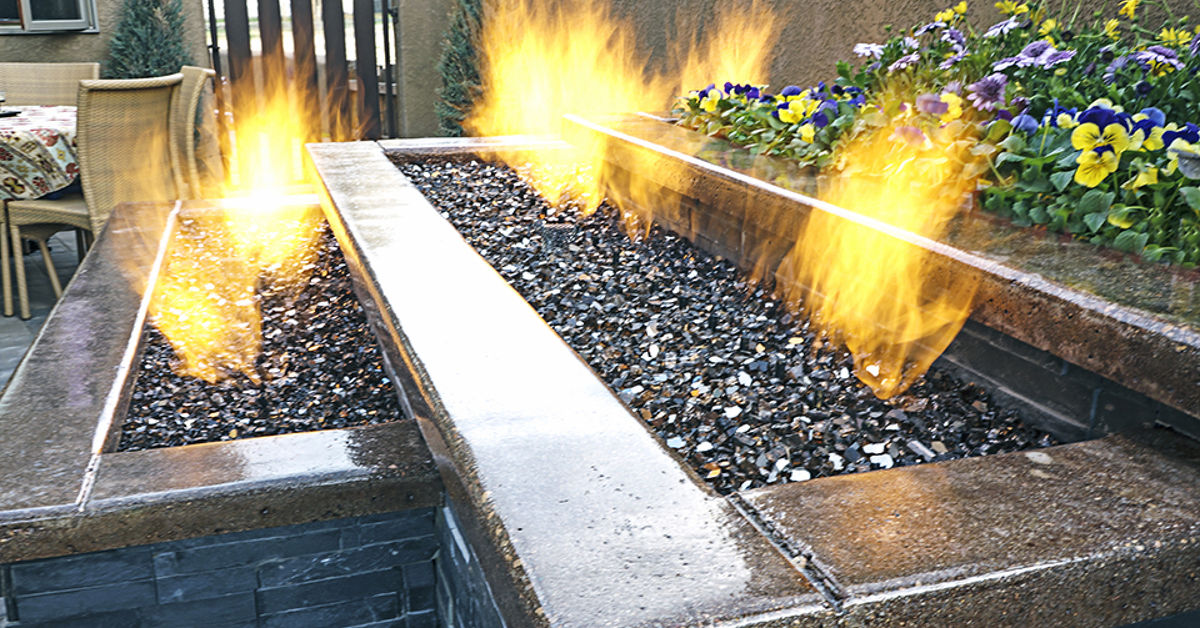
Patios, decks, pergolas, fire pits, and outdoor kitchens belong where they are convenient to the house and comfortable to use. Shade is key. A patio that bakes like a pizza stone at 4 p.m. will not become the beloved family hangout, no matter how nice the chairs are.
The Quiet Zone
Every inspiring landscape benefits from a peaceful corner. It could be a bench under a tree, a small water feature, a hammock, or a narrow side garden with fragrant plants. Privacy screens, layered shrubs, ornamental grasses, and small trees can make even a suburban yard feel tucked away.
Choose Native Plants for Beauty With Benefits
Native plants are one of the smartest tools in landscape design. Because they evolved in regional conditions, many native species can support local insects, birds, butterflies, and other wildlife while fitting naturally into the local climate. They are not magic, and they still need proper placement and care, but they often bring ecological value that many purely ornamental plants cannot match.
For an inspiring native plant design, avoid the “one of everything” approach. Plant in groups or drifts so the design looks deliberate and pollinators can find flowers more easily. Combine plants with different bloom times so the garden offers nectar, pollen, seeds, texture, and color across the year.
Plant for All Seasons
A landscape should not peak for two weeks and then spend ten months looking apologetic. Choose spring bloomers, summer flowers, fall color, winter seed heads, evergreen structure, and interesting bark. For example, a layered garden might include a small flowering tree, native shrubs, ornamental grasses, long-blooming perennials, and ground covers that knit the space together.
Support Pollinators and Birds
Pollinator-friendly landscape design includes diverse flowers, nesting habitat, reduced pesticide use, and host plants for caterpillars. Bird-friendly landscaping includes native trees, shrubs, seed-producing perennials, berries, shelter, and leaf litter where appropriate. Translation: a slightly less sterile yard can become a five-star wildlife diner.
Design With Water in Mind
Water-wise landscaping is not only for deserts. Every region benefits from thoughtful water use, smart irrigation, healthy soil, mulch, and plants grouped by similar moisture needs. A beautiful landscape should not require daily panic-watering to survive July.
Group Plants by Water Needs
Hydrozoning means placing plants with similar water requirements together. Thirsty plants near other thirsty plants; drought-tolerant plants with drought-tolerant friends. This prevents the classic problem of drowning one plant while trying to save another.
Use Rain Gardens Where They Make Sense
A rain garden is a shallow planted depression designed to collect runoff from roofs, driveways, patios, or other hard surfaces and allow it to soak into the ground. When planted with suitable native species and built in the right location, it can reduce runoff, add habitat, and turn a soggy problem area into a garden feature.
Upgrade Irrigation Habits
Efficient irrigation starts with observation. Water deeply but less often when appropriate, adjust sprinklers so they water plants instead of sidewalks, inspect leaks, and consider smart irrigation controllers where in-ground systems are used. The sidewalk does not grow, no matter how generously you sprinkle it.
Make Shade a Design Superpower
Shade is comfort, beauty, and energy strategy rolled into one leafy package. Trees, pergolas, vines, and covered seating areas can make outdoor spaces more usable while helping reduce heat around the home.
Deciduous shade trees are especially useful near south and west exposures in many climates because they can block summer sun while allowing winter light after leaves drop. Evergreens can serve as windbreaks or privacy screens where appropriate. The right tree in the right place is not just decoration; it is outdoor architecture with roots.
Think About Mature Size
Small trees near patios, medium trees near one-story homes, and larger canopy trees where space allows can all play a role. Always consider mature height, spread, root behavior, overhead wires, underground utilities, and distance from structures. A tree should shade the house, not become roommates with the roof.
Blend Hardscape and Softscape
Hardscape includes patios, walkways, retaining walls, steps, decks, fences, gravel areas, edging, and built structures. Softscape includes plants, soil, lawn, mulch, and living elements. Inspiring landscape design needs both.
Hardscape gives structure and usability. Softscape brings movement, fragrance, seasonal change, habitat, and emotional warmth. A patio without plants can feel like a parking space with furniture. A garden without paths can feel like a jungle with commitment issues. Together, they create a space that is both practical and alive.
Use Permeable Surfaces When Possible
Permeable pavers, gravel paths, stepping stones, mulch paths, and planted joints can help water soak in instead of rushing away. They also soften the visual feel of the landscape and often pair beautifully with naturalistic planting.
Low-Maintenance Does Not Mean No-Maintenance
Low-maintenance landscaping is a worthy goal, but no living landscape is maintenance-free. Even the most sustainable garden needs weeding, watering during establishment, pruning, mulching, and seasonal cleanup. The goal is to design a landscape that rewards reasonable care instead of demanding a second career.
Choose Durable Plants
Pick plants adapted to your region, soil, sun, moisture, and winter conditions. Favor disease-resistant varieties and avoid invasive plants. Use ground covers and mulch to reduce exposed soil. Plant densely enough to shade weeds over time, but not so densely that plants compete like passengers fighting over airplane armrests.
Design for Easy Access
Maintenance paths, reachable beds, hose access, logical pruning space, and simple lawn edges can save hours later. Curves are lovely, but if the mower needs a dramatic three-point turn every six feet, the design may be trying too hard.
Landscape Design Ideas for Different Spaces
Small Yard Inspiration
Small yards benefit from vertical elements, multiuse seating, compact trees, layered containers, mirrors used carefully, and a limited plant palette. Use diagonal paths or curved beds to create movement. Keep materials consistent so the space feels larger and calmer.
Front Yard Inspiration
For front yard landscaping, focus on curb appeal, clear circulation, foundation planting, year-round structure, and a welcoming entry. Replace unused lawn with layered beds, native shrubs, ornamental grasses, or a small flowering tree. A front yard can be neighbor-friendly and wildlife-friendly at the same time.
Backyard Retreat Inspiration
A backyard retreat might include a dining patio, shade tree, fire feature, privacy hedge, pollinator border, and lawn only where it is actually used. Add lighting for evening atmosphere and safety. Use fragrance near seating areas: lavender, mountain mint, sweetbay magnolia, garden phlox, or regionally appropriate herbs can turn a simple path into a sensory experience.
Modern Landscape Inspiration
Modern landscapes often use clean lines, bold masses of plants, simple materials, and restrained color palettes. Think concrete pavers, gravel, steel edging, sculptural grasses, evergreens, and architectural plants. The secret is not making the space cold. Add movement, softness, and seasonal life so the garden does not look like it was designed by a very stylish calculator.
Common Landscape Design Mistakes to Avoid
Even good intentions can lead to landscaping headaches. Avoid planting too close to the house, ignoring mature plant size, overusing lawn, installing irrigation without adjusting it seasonally, choosing plants only for flowers, and forgetting winter structure.
Another common mistake is designing only for today. Landscapes grow. A smart design imagines year one, year three, year seven, and beyond. Give trees and shrubs room. Use temporary annuals or mulch while permanent plants fill in. Patience is part of the design process, which is annoying but unfortunately true.
of Real-World Experience: Lessons From Designing Inspiring Landscapes
The most useful lesson about inspiring landscape design is that people rarely fall in love with a yard because it is perfect. They fall in love with it because it feels good. A perfect yard can be stiff. A good yard invites you outside barefoot, gives the dog a shady patch, makes dinner smell better near the herb planters, and offers at least one chair where nobody can see you eating chips directly from the bag.
One practical experience that comes up again and again is the importance of starting small but thinking big. Many homeowners feel pressure to transform the entire property at once. That often leads to rushed decisions, overspending, and a yard full of plants that looked charming in one-gallon pots but grew into a leafy traffic jam. A better approach is to create a master plan, then install it in phases. Start with the bones: paths, patios, drainage, major trees, privacy screens, and key views from inside the house. After that, fill in planting beds, seating details, lighting, and seasonal color.
Another real-world lesson is that the view from indoors matters more than people expect. You may spend only a few hours outside on a weekday, but you see the yard from the kitchen window every morning. A small tree framed by a window, a bird-friendly shrub near the breakfast nook, or a winter container by the front door can make the landscape feel present even when you are inside. Design from the inside out, not just from the property line in.
Maintenance honesty is also essential. Some people enjoy pruning, deadheading, composting, dividing perennials, and talking to tomatoes as if they are interns. Others want the yard to behave with minimal supervision. Neither group is wrong. The design should match the owner’s real lifestyle. If you travel often, choose resilient plants, automatic but efficient irrigation where needed, generous mulch, and simple planting masses. If you love gardening, leave room for seasonal experiments, edible beds, containers, and plants that reward close attention.
One of the most satisfying upgrades is replacing unused lawn with layered planting. Lawn is useful for play, pets, picnics, and open visual space. But lawn that nobody uses can become a high-maintenance green rug. Converting even a portion of it into native shrubs, grasses, perennials, or a rain garden can add color, reduce mowing, improve habitat, and make the yard feel more intentional.
Finally, the best landscapes include a little personality. A stone from a family trip, a bench under a favorite tree, a quirky birdbath, a vegetable bed built with a child, or a path that curves toward sunset can matter as much as plant selection. Inspiring landscape design is not about impressing strangers. It is about creating a living place that supports daily life, changes with the seasons, and quietly says, “Come outside. It’s better out here.”
Conclusion
Inspiring landscape design combines creativity with common sense. It begins with understanding the site, choosing the right plants for the right places, designing for water and shade, supporting wildlife, and creating outdoor rooms people actually use. The most successful landscapes are not copied; they are composed. They reflect the home, the region, and the people who live there.
Whether you are refreshing a front yard, planning backyard landscaping, adding native plants, building a patio, or rethinking the entire property, start with purpose. Make the space beautiful, useful, resilient, and personal. Do that, and your landscape will not just look inspiring in photos. It will feel inspiring every time you step outside.