‘It’s Always Sunny in Philadelphia’ Fans Are Voting on the Show’s Worst-Ever Episode

Every legendary sitcom has a greatest-hits playlist. A truly long-running sitcom also has something much messier: a group chat full of viewers arguing over the one episode that made them stare at the screen like Dennis Reynolds had just explained “the implication” for the first time.
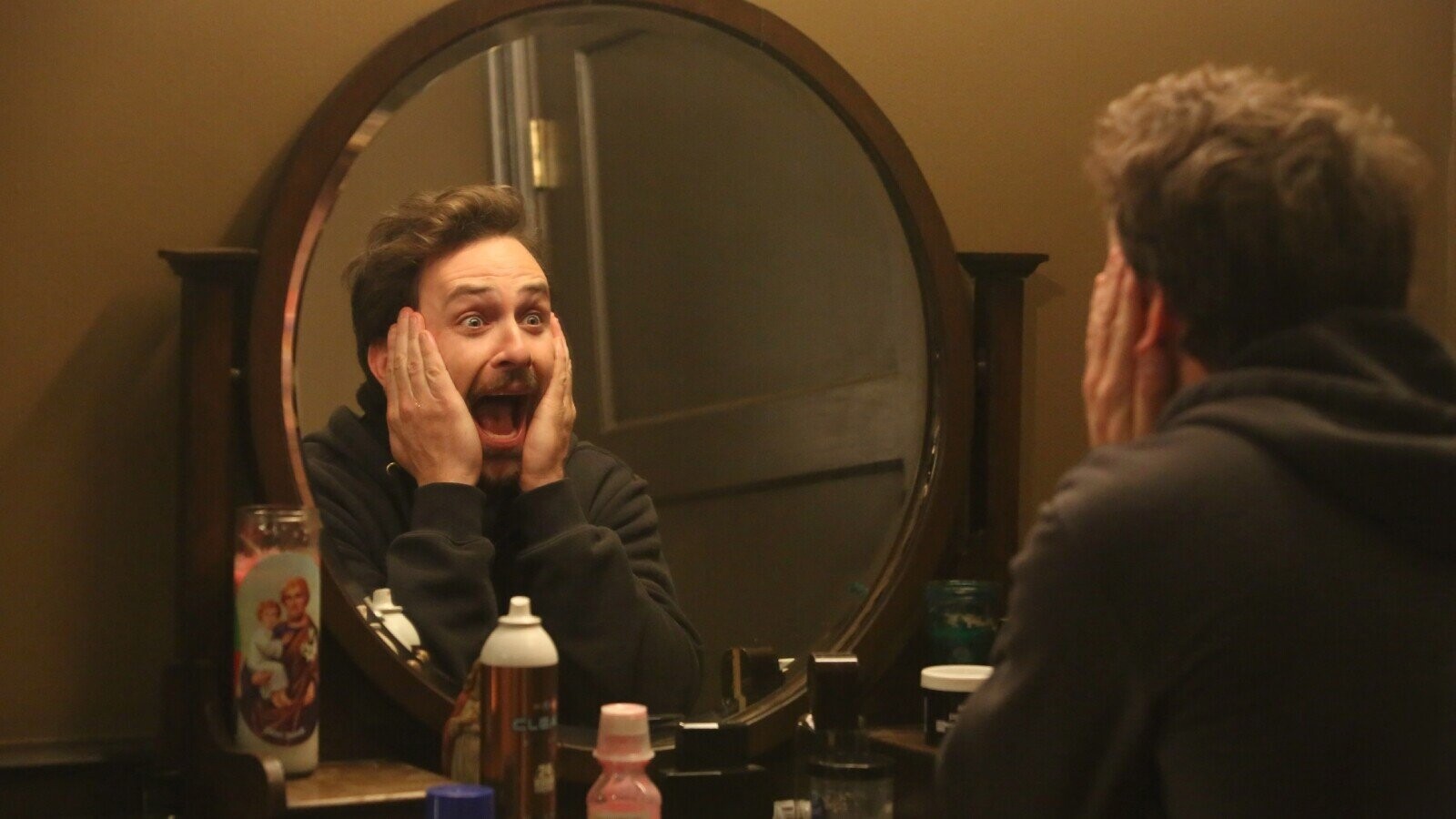
It’s Always Sunny in Philadelphia has survived for decades because it is fearless, strange, and willing to make its characters look like the worst people ever entrusted with a bar license. But even Paddy’s Pub cannot serve wall-to-wall perfection. In a fan poll asking viewers to name the show’s weakest installment, one episode emerged as the leading candidate for the dubious title of worst It’s Always Sunny in Philadelphia episode: “Charlie’s Home Alone.”
That result is more interesting than a simple roast session. It reveals what fans expect from the FXX comedy, why certain experiments divide the audience, and how a show famous for chaos can occasionally become too chaotic even for its own loyal weirdos.
The Fan Poll Was a Debate, Not a Court Ruling
The fan vote was never an official FXX ranking or a televised trial presided over by the McPoyles. It was a community-driven conversation among viewers who had spent years memorizing quotes, defending oddball episodes, and wondering whether Frank Reynolds would technically qualify as a public-health event.
At the time of the poll, fans were choosing from 162 episodes across 16 seasons. That is a massive catalog for any comedy, especially one built on elaborate scams, terrible decisions, filthy apartments, failed business plans, and the sort of moral compass that points directly toward a dumpster behind a Wawa.
“Charlie’s Home Alone,” the Season 13 episode centered on Charlie being separated from the rest of the Gang during the Eagles’ Super Bowl weekend, became the strongest contender for the bottom spot. Other episodes near the bottom of the fan conversation included “A Cricket’s Tale,” “Frank’s Brother,” “The Gang Texts,” and “The Gang Beats Boggs: Ladies Reboot.”
That list does not mean these episodes are unwatchable. In the Sunny universe, “unwatchable” would probably be a compliment if Charlie were selling it in a can. Instead, the list shows that fans tend to push back when the series moves too far away from its sharpest weapon: five awful people ruining one another’s lives in the same room.
Why “Charlie’s Home Alone” Became the Leading Worst-Episode Candidate
The Episode Swaps Ensemble Chaos for a Solo Endurance Test
At its best, It’s Always Sunny in Philadelphia works like a broken carnival ride powered by ego. Dennis believes he is the smartest person alive. Mac believes he is the toughest. Dee believes fame is one casting director away. Frank believes garbage is a food group. Charlie believes cats can read contracts if they are given enough time.
“Charlie’s Home Alone” removes most of that combustible chemistry. Instead of watching the Gang build competing schemes that collapse into one giant flaming pile, viewers spend much of the episode watching Charlie manage his own increasingly miserable situation at Paddy’s Pub.
Charlie Day is an exceptional physical comedian, and the episode gives him plenty of room to be frantic, desperate, and wonderfully unhinged. But many fans felt that the premise played more like a prolonged parody of Home Alone than a classic Sunny episode. The joke is clear very quickly: Charlie is alone, Charlie is superstitious, and Charlie is catastrophically bad at protecting himself from his own plans.
That can be funny for a few minutes. Stretching it across an episode is where some viewers felt the joke started chewing its own leg off.
Sunny Usually Makes Pain Funny by Making It Social
The show has always been ruthless toward its characters, but its funniest misery usually comes from group dynamics. Charlie gets humiliated because Dennis manipulates him. Dee gets ignored because everyone dismisses her. Mac gets mocked because his confidence is built on extremely unstable drywall. Frank makes everything worse because he has the financial resources of a villain and the hygiene standards of a raccoon.
In “Charlie’s Home Alone,” the suffering is mostly isolated. The episode leans into slapstick peril and escalating discomfort rather than the verbal warfare that defines the series. For fans who come to Sunny for fast dialogue, shifting alliances, and one character casually destroying another person’s entire afternoon, the episode can feel oddly lonely.
That loneliness is intentional. Charlie is stranded while the rest of the Gang heads toward the Super Bowl. Yet intentional does not always mean satisfying. A comedy can make a bold choice and still leave viewers asking why they were trapped in a bar with one panicked rat-killing handyman for nearly 20 minutes.
The Super Bowl Storyline Made It Feel Like Half an Episode
“Charlie’s Home Alone” also functions as the first half of a Super Bowl-themed story that continues in “The Gang Wins the Big Game.” The two episodes are connected by the Philadelphia Eagles’ historic championship run, a topic that was practically impossible for a Philadelphia-set comedy to ignore.
On paper, the concept is perfect. The Gang has always been fiercely tied to Philadelphia, even when they are embarrassing the city, exploiting its residents, or treating civic pride as an excuse to commit minor social crimes. But the split structure created a problem: “Charlie’s Home Alone” can feel less like a complete story and more like a strange side quest before the main event.
Some critics and fans found the episode scattershot, while others appreciated its commitment to turning Charlie’s superstition into a full-blown nightmare. The disagreement is exactly why the poll is fascinating. For one viewer, it is a failed experiment. For another, it is a gloriously mean little detour with Charlie Day doing the comedy equivalent of sprinting through a hallway full of rake handles.
The Other Episodes Fans Put in the Paddy’s Pub Penalty Box
“A Cricket’s Tale” Is Bleak Even by Sunny Standards
Rickety Cricket is one of the show’s most memorable recurring characters because every return raises the question nobody should have to ask: can this man’s life possibly get worse?
“A Cricket’s Tale” gives David Hornsby’s tragic wreck of a character the spotlight. The episode follows Cricket through a grim, detached version of daily life that is more uncomfortable than conventionally hilarious. It is committed to the bleakness, and that commitment is exactly why it divides people.
Cricket often works best when he crashes into the Gang’s orbit and reminds viewers that their selfishness has consequences. When the entire story sits inside Cricket’s misery, some fans find it too heavy, too isolated, or simply too depressing to revisit. The episode is not lazy. It is just not the kind of Sunny experience many viewers want to replay while eating pizza on a Friday night.
“Frank’s Brother” Has a Wig Problem and a Flashback Problem
“Frank’s Brother” is famous for its bizarre 1970s flashbacks, Danny DeVito’s intentionally ridiculous younger look, and the introduction of Frank’s long-lost brother, Gino. It also gave the world “Shadynasty,” a name that has lived rent-free in the Sunny fandom for years.
Still, fans often cite the episode as a weak point because it is such a departure from the usual formula. Instead of allowing the present-day Gang to fuel the episode, the story spends a great deal of time explaining Frank’s old rivalry and revisiting a past that feels more cartoonish than emotionally useful.
Sunny can absolutely do flashbacks. It has done them well. But “Frank’s Brother” asks viewers to accept a lot of deliberate silliness in a short amount of time, including the sight of DeVito being treated as a youthful heartthrob despite looking like a man who had just escaped from a haunted deli.
“The Gang Texts” Turns a Group Comedy Into a Phone Screen
The idea behind “The Gang Texts” is easy to understand: what would happen if the Gang tried to coordinate through a group chat? The answer, naturally, is confusion, bruised feelings, petty arguments, and an inability to complete a simple outing.
The issue for some fans is that the episode intentionally separates the characters. Sunny is built on people interrupting one another, lying in each other’s faces, and responding to terrible news with even worse ideas. When everyone is split into separate storylines, the energy can flatten.
The episode has clever moments, especially for viewers who recognize the specific torture of a group text where no one reads the full message. But it can feel more like a sketch about modern communication than a full-strength Paddy’s Pub disaster.
“The Gang Beats Boggs: Ladies Reboot” Faced an Impossible Comparison
The original “The Gang Beats Boggs” is one of the show’s most beloved episodes: a wild drinking challenge, escalating competition, and the exact kind of selfish nonsense Sunny fans enjoy in bulk. “The Gang Beats Boggs: Ladies Reboot” revisits that idea with Dee and several recurring female characters.
Rebooting a fan favorite is dangerous territory. The episode is trying to comment on reboots, gender-swapped retellings, and the entertainment industry’s habit of repackaging old material with a new label. But satire becomes difficult when viewers are also measuring every joke against an episode they already adore.
For some fans, the reboot had interesting ideas but lacked the lightning-in-a-bottle spontaneity of the original. For others, it is a misunderstood installment that expands the Sunny universe beyond the five core characters. Either way, it proves that even a show built on recycling trash cannot always recycle its own best trash successfully.
Why These Episodes Divide Fans So Much
The pattern behind the fan poll is not hard to spot. Most of the episodes near the bottom take big structural swings. They isolate a character, lean heavily on a genre parody, revisit an older premise, or split the Gang into separate storylines.
That is not automatically bad. In fact, taking risks is one reason It’s Always Sunny in Philadelphia has lasted so long. A comedy that repeats itself forever becomes background noise. Sunny has survived by experimenting with musicals, animation, bottle episodes, awards-show satire, fantasy sequences, courtroom chaos, and deeply questionable attempts at social commentary.
But the fan favorites tend to share a familiar rhythm. The Gang starts with a selfish goal. Each character pursues a slightly different version of that goal. Nobody communicates honestly. The plan expands until innocent bystanders suffer. Then the characters learn absolutely nothing and walk away convinced they were right.
That formula is not simple. It is carefully tuned. Remove too many pieces, and the episode can still be ambitious without feeling like Sunny at full power.
The Case for Defending “Charlie’s Home Alone”
Calling “Charlie’s Home Alone” the worst episode of It’s Always Sunny in Philadelphia does not mean it has no value. In fact, the episode has a strong defense team.
First, it lets Charlie Day do something the show rarely gives him: carry an episode almost entirely on his own. Day’s physical timing, desperation, and ability to turn a single shouted phrase into a complete emotional breakdown are major parts of Sunny’s comic identity. The episode puts those skills under a microscope.
Second, the story is unmistakably Philadelphia. It connects the Gang’s chaos to the Eagles’ Super Bowl victory, a cultural moment that mattered deeply to the city. Sunny has always treated Philadelphia like an abusive sibling treats a beloved brother: it insults it constantly, but nobody else is allowed to insult it first.
Third, the episode’s weirdness is not accidental. It takes a familiar family-comedy premise and filters it through Charlie’s filthy, anxious, wildly superstitious worldview. A normal person left alone in a bar might order takeout and watch the game. Charlie turns it into a personal apocalypse.
That does not make every scene land. But it does make the episode unmistakably itself. In a television landscape full of safe comedy, even a flawed Sunny episode is usually more memorable than a dozen perfectly polished shows about nice people learning manageable life lessons.
What the Worst-Episode Vote Says About the Sunny Fanbase
Fans do not stay loyal to a series for 16 seasons because they expect perfection. They stay because the show feels alive. It has a personality so specific that even its failures create arguments worth having.
One viewer sees “Charlie’s Home Alone” as an exhausting detour. Another sees it as an underrated Charlie showcase. One person thinks “Frank’s Brother” is dead weight. Another hears “Shadynasty” and starts laughing before the memory is even complete.
That is the secret strength of a long-running cult comedy. The audience does not merely consume episodes. It builds personal rankings, recites favorite exchanges, revisits old seasons, and develops strong opinions about whether an experimental episode is brilliant, terrible, or both at once.
Sunny fans are not voting to erase the show’s weaker entries. They are arguing because those entries are part of the show’s strange history. The bad episodes are still part of the menu. They are just the items that make you wonder why Frank was allowed near the kitchen.
Fans’ Viewing Experience: Why Arguing About the Worst Episode Is Half the Fun
Watching It’s Always Sunny in Philadelphia with other fans is rarely a quiet experience. Someone will quote Charlie before Charlie says the line. Someone else will insist that a supposedly weak episode is actually “criminally underrated.” A third person will interrupt both of them to explain why Season 7 was secretly the peak, before immediately contradicting themselves and choosing a Season 5 episode as their favorite.
That is what makes a worst-episode vote so entertaining. It turns passive viewing into a miniature version of Paddy’s Pub. Everybody arrives with an agenda. Nobody agrees on the rules. Someone is wildly overconfident. Someone is trying to win an argument they started three years ago. And by the end, nobody is sure what the original question was.
For many longtime viewers, “Charlie’s Home Alone” is the kind of episode that changes depending on when and how it is watched. Seeing it during its original run may have felt disappointing because it arrived in the middle of a season filled with major character developments, ambitious storytelling, and the looming question of how much Dennis would appear. Watching it later, without the week-to-week expectations, can make it easier to appreciate as a bizarre Charlie Day showcase.
There is also the Super Bowl factor. Fans in Philadelphia, Eagles supporters, and viewers who remember the real-world energy around that championship may connect with the episode differently. The story is tied to a moment of citywide excitement, and Sunny has always understood that Philadelphia enthusiasm can look like civic pride from one angle and a low-budget disaster movie from another.
The funniest fan debates happen when people admit that their least favorite Sunny episode still has at least one line, visual gag, or absurd detail they love. That is the show’s unfair advantage. Even when an installment does not fully work, it tends to leave behind a phrase that sticks, a strange image that resurfaces months later, or a side character whose return sparks immediate joy.
It is also worth remembering that comedy is unusually personal. A horror fan may love the heightened tension of “Charlie’s Home Alone.” A viewer who prefers dialogue-heavy episodes may find it exhausting. Someone who loves Cricket may defend “A Cricket’s Tale” as a bold character study. Someone else may say it is too bleak for a comfort rewatch. Both reactions can be honest, and neither needs a courtroom exhibit labeled “The Correct Opinion.”
In the end, the worst-episode poll works because it celebrates the show’s durability. A series does not inspire passionate arguments over its weakest installment unless fans care deeply about its strongest qualities. They know what Sunny feels like when the Gang is firing on every cylinder: loud, selfish, clever, disgusting, and somehow perfectly constructed.
So vote for “Charlie’s Home Alone.” Defend “Frank’s Brother.” Launch a passionate closing argument for “The Gang Texts.” Just do not expect the debate to end peacefully. These are Sunny fans. Peaceful resolution has never exactly been on the menu.
Final Whistle: Is “Charlie’s Home Alone” Really the Worst?
According to the fan-poll snapshot, “Charlie’s Home Alone” had the strongest claim to the unwanted title of worst It’s Always Sunny in Philadelphia episode. Its isolated premise, heavy reliance on discomfort-driven physical comedy, and role as half of a larger Super Bowl story made it an easy target for fans who prefer the full Gang operating at maximum dysfunction.
Still, the episode is not a disaster. It is a risky, strange, aggressively Charlie-centric experiment from a show that has earned the right to experiment. Its flaws are easier to notice because Sunny’s best episodes are so sharply constructed.
The real winner is the fandom itself. Few comedies can inspire viewers to passionately debate a Season 13 episode years later while still celebrating classic installments like “The Nightman Cometh,” “Charlie Work,” “The Gang Tries Desperately to Win an Award,” and “The D.E.N.N.I.S. System.” That kind of loyalty is proof that Paddy’s Pub may be the worst bar in Philadelphia, but it remains one of television’s most reliable places to find comedy gold.
Note: The ranking discussed in this article reflects a 2025 community-poll snapshot and should be read as fan opinion, not an official FXX or series ranking.