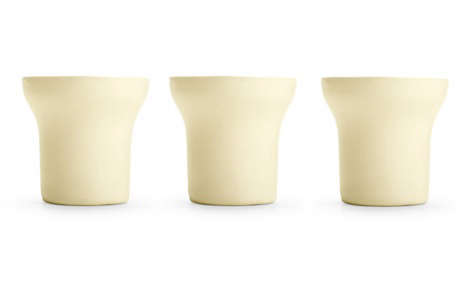

The John Pawson Ceramic Coffee Cup is the kind of object that looks quiet at first, then slowly starts taking over your morning routine like a very polite design philosopher. It does not shout. It does not wink. It does not arrive with a novelty slogan about caffeine, Mondays, or being “not a morning person.” Instead, it does something far rarer: it makes a cup of coffee feel considered.
Designed by British architectural designer John Pawson for When Objects Work, the cup is closely associated with Pawson’s broader tableware collection and is often described as a ceramic coffee cup or ceramic gobelet. Its form is beautifully simple: a pale cream or off-white stoneware vessel, handleless, rounded, calm, and almost architectural in its restraint. In a kitchen full of noisy mugs, this one behaves like the person at a dinner party who says less but somehow has the best taste in music.
At first glance, it may seem almost too simple. But that is exactly the point. Pawson’s work has long explored proportion, light, material, and the emotional power of reduction. The John Pawson Ceramic Coffee Cup turns those big architectural ideas into something you can hold between both hands before checking your email. That is not a bad way to begin the day.
What Is the John Pawson Ceramic Coffee Cup?
The John Pawson Ceramic Coffee Cup is a minimalist stoneware cup designed for daily use. It is part of Pawson’s world of domestic objects, where bowls, vessels, trays, glassware, and tableware are treated with the same seriousness as buildings. The cup is not merely a container for coffee. It is a study in proportion, touch, and ritual.
The design has been described as a simple vessel that echoes the geometry of a glass goblet, translated into pale cream glazed ceramic. Depending on the listing or retailer, it may appear under related names such as “coffee cup,” “ceramic coffee cup,” or “ceramic gobelet.” The object is usually associated with off-white stoneware, a compact rounded profile, and a handleless form intended to be held directly in the hand.
That handleless detail matters. A typical mug gives you a little ceramic ear to grab. Pawson’s cup removes that extra gesture. You cup the cup. The object asks you to slow down, use both hands, and notice warmth. It is coffee as a small ceremony, minus the dramatic robe and gong.
Who Is John Pawson?
John Pawson is one of the most recognized names in minimalist design and architecture. His work spans private homes, galleries, hotels, religious buildings, museums, furniture, tableware, books, and objects for everyday living. He is often associated with restraint, purity, calm surfaces, natural materials, and spaces where light feels almost like a building material.
Pawson’s design philosophy is not about emptiness for the sake of emptiness. It is about removing anything unnecessary so the essential qualities can become more visible. In a house, that might mean the way daylight moves across a wall. In a monastery, it might mean silence, rhythm, and spiritual focus. In a coffee cup, it might mean the curve of the rim, the weight in the hand, and the way a pale glaze makes morning coffee look a little more intentional.
The John Pawson Ceramic Coffee Cup is a small object, but it carries a big idea: everyday things can shape how we live. A cup is not just a cup when it changes the pace of your morning.
Design Details: Simple, But Not Basic
The most obvious feature of the John Pawson Ceramic Coffee Cup is its simplicity. But simple does not mean lazy. In fact, simple design is usually less forgiving than decorative design. When there are no patterns, decals, oversized handles, or shiny metallic distractions, every curve has to work harder.
Material: Off-White Stoneware
The cup is commonly associated with stoneware, a ceramic material known for durability and a substantial feel. Stoneware has a pleasing density that makes it feel grounded without being clumsy. In this design, the off-white or pale cream glaze adds warmth. It is not a cold gallery white. It has a soft, domestic quality that works beautifully with wood, linen, marble, stainless steel, and other natural kitchen materials.
Shape: A Ceramic Gobelet
The form resembles a gobelet, or goblet-like vessel, but without the theatrical stem. It is compact, rounded, and modest. The silhouette feels balanced from base to rim, which makes it easy to pair with other minimalist dinnerware. The shape also gives the cup a sculptural presence when it is empty. Yes, this is one of those rare cups that can look good doing absolutely nothing.
Color: Pale Cream Minimalism
The cream color is one of the cup’s greatest strengths. It softens the strictness of minimalism and makes the object feel approachable. Pure white can sometimes look clinical, especially in a kitchen. Pale cream feels warmer and more human. It also flatters coffee, tea, and espresso-based drinks visually, which is more important than most of us admit before 8 a.m.
Why the Handleless Form Works
A handleless coffee cup may sound inconvenient until you understand the experience it creates. The John Pawson Ceramic Coffee Cup encourages a different relationship with the drink. Instead of grabbing it one-handed while sprinting toward a laptop, you naturally hold it with your fingers or both palms. The design makes you aware of temperature, weight, and pause.
This is especially appealing for people who enjoy smaller servings of coffee, espresso with milk, flat whites, tea, or an after-dinner coffee. It is not trying to be a giant commuter mug. It is not designed for drinking 22 ounces of coffee while negotiating with your inbox. It is more about the focused pleasure of a smaller, better moment.
There is also a practical aesthetic benefit: removing the handle gives the cup a cleaner profile. It becomes easier to stack visually with bowls, glassware, and plates. On an open shelf, the cup reads as part of a calm composition rather than a crowd of mug silhouettes having a ceramic argument.
How It Fits Into John Pawson’s Tableware Philosophy
Pawson’s tableware designs often show the same concerns as his architecture: proportion, clarity, material honesty, and the relationship between object and body. The cup belongs to a larger conversation about how small domestic objects can create atmosphere. A bowl is not just for soup. A plate is not just for salad. A coffee cup is not just a caffeine delivery vehicle with better manners than an energy drink.
When Objects Work, the Belgian design company connected with this cup, is known for producing objects by architects and designers who share an interest in basic forms, function, craftsmanship, and timeless aesthetics. That context matters because the John Pawson Ceramic Coffee Cup is not chasing trendiness. It belongs to a slower category of design: objects meant to remain useful and visually relevant for years.
John Pawson Ceramic Coffee Cup vs. a Regular Mug
A regular mug is friendly, practical, and often emotionally attached to a vacation, a college bookstore, or someone’s questionable office humor. There is nothing wrong with that. But the John Pawson Ceramic Coffee Cup operates differently.
A standard mug usually prioritizes volume and convenience. Pawson’s cup prioritizes experience and proportion. A standard mug often has a handle, printed decoration, and a thicker casual profile. Pawson’s cup strips those elements away. The result is calmer and more refined, but still usable. It is the difference between a hoodie and a perfectly cut white shirt. Both are useful. One just makes breakfast look like it has an editorial director.
Best Uses for the John Pawson Ceramic Coffee Cup
Morning Coffee
The cup is ideal for people who like a thoughtful morning coffee ritual. It pairs beautifully with pour-over coffee, a small Americano, cappuccino, cortado, or a simple brewed coffee. Because the cup is tactile, it makes even a basic morning brew feel a little elevated.
Tea and Herbal Infusions
The cup also works well for tea, especially if you enjoy holding the cup for warmth. The off-white glaze allows the color of tea to stand out softly. Green tea, chamomile, black tea, and roasted barley tea all look good in a pale ceramic vessel.
After-Dinner Coffee
For dinner parties, the cup brings a refined note to the table without trying too hard. It is understated enough to pair with rustic linen napkins, wood serving boards, stoneware plates, or more formal table settings.
Open-Shelf Styling
If you style kitchen shelves, the John Pawson Ceramic Coffee Cup is highly photogenic. Its quiet form works well beside glass carafes, handmade bowls, neutral plates, and small vases. It adds visual order without making the shelf look staged by a museum guard.
Why Minimalist Design Lovers Appreciate It
Minimalist design fans often look for objects that combine beauty and function without decorative clutter. The John Pawson Ceramic Coffee Cup delivers exactly that. It is useful, restrained, warm, and specific. It does not need a logo to announce itself. It does not need a dramatic glaze to prove it was designed. Its confidence comes from proportion.
That is the secret of good minimalist objects. They do not become invisible. They become clearer. The cup’s simplicity makes you notice small things: the curve of the lip, the way the glaze catches light, the comfort of holding a rounded form, the contrast between dark coffee and pale ceramic.
How to Style the John Pawson Ceramic Coffee Cup at Home
The easiest way to style this cup is to let it breathe. Do not crowd it with overly colorful pieces if you want the full Pawson effect. Pair it with natural materials: oak, ash, walnut, linen, stone, stainless steel, clear glass, and matte ceramics. A single cup beside a small coffee pot can look serene. A set of cups on a tray can create a quietly luxurious coffee service.
For a modern kitchen, place the cup with pale stone countertops, open shelving, and simple glassware. For a rustic kitchen, pair it with handmade plates, wooden boards, and natural textiles. For a small apartment, use it as a daily object that also doubles as decor. In minimalist living, the best decorative objects are often the ones you actually use.
Is It Worth Buying?
The John Pawson Ceramic Coffee Cup is best for people who care about design, ritual, and the feel of everyday objects. It may not be the right choice if you want a huge mug, a heat-proof travel cup, or something you can toss into a bag with gym shoes and emotional chaos. But if you appreciate quiet design, it is a rewarding object.
Its value lies less in technical novelty and more in daily pleasure. You are paying for proportion, authorship, material quality, and the feeling of using an object that has been edited down to its essentials. In a world full of overdesigned things, that restraint can feel surprisingly luxurious.
Buying Tips and Availability
Because this cup has appeared through different design retailers and has sometimes been listed as discontinued or sold out, availability may vary. Search terms such as “John Pawson ceramic coffee cup,” “John Pawson coffee cup,” “John Pawson ceramic gobelet,” and “When Objects Work John Pawson cup” may help locate current or secondary-market listings.
When buying, check the material, dimensions, condition, and seller credibility. If purchasing a vintage or discontinued listing, examine photos carefully for chips, crazing, staining, or glaze irregularities. Minimalist ceramics reveal damage easily because there is nowhere for imperfections to hide. Minimalism is honest like thatbeautiful, but absolutely terrible at covering up snack-related accidents.
Care and Maintenance
Stoneware is generally durable, and listings associated with Pawson’s coffee cup have described it as suitable for everyday use. Still, good ceramic care will help preserve the cup. Avoid sudden extreme temperature changes, especially if moving from cold storage to very hot liquid. Use gentle dish soap and a soft sponge if washing by hand. If the cup is dishwasher safe according to the seller or manufacturer listing, place it securely so it does not knock against heavier dishes.
For coffee stains, a paste of baking soda and water can help clean the interior without aggressive scrubbing. Avoid metal scouring pads, which can mark glazed surfaces. Treat the cup as a practical object, not a fragile museum artifactbut maybe do not let it live at the bottom of a sink under a cast-iron pan. Even minimalism has limits.
Design Analysis: The Beauty of Less
The John Pawson Ceramic Coffee Cup demonstrates why reduction can be powerful. Many products try to attract attention by adding features. Pawson’s cup attracts attention by removing them. No handle. No pattern. No decorative flourish. No “World’s Best Boss.” Just form, material, and use.
This reduction changes the emotional tone of the object. A decorated mug often tells a story about personality. Pawson’s cup creates a setting for experience. It does not say, “Look at me.” It says, “Notice this moment.” That distinction is why it appeals to design collectors, architects, stylists, and people who believe the morning coffee zone should not look like a souvenir shop had a nervous breakdown.
500-Word Experience Section: Living With the John Pawson Ceramic Coffee Cup
Using the John Pawson Ceramic Coffee Cup is less about showing off and more about noticing. The first experience is visual. On a counter, the cup has a quiet presence. It does not dominate the kitchen. It settles into the room. Against a wood tray or pale stone surface, it looks calm and intentional. Even before coffee enters the picture, it suggests order.
The second experience is tactile. Because there is no handle, you meet the object directly. Your fingers touch the ceramic wall, your palms register the warmth, and the cup becomes part of the drinking ritual. This is where the design becomes clever. A handle separates your hand from the body of the cup. Pawson’s design removes that barrier. The warmth of the drink becomes information. You know when the coffee is too hot. You know when it is ready. You slow down because the object gently asks you to.
There is also a psychological shift. A large novelty mug can make coffee feel like fuel. The Pawson cup makes coffee feel like a pause. That does not mean it magically turns a chaotic Monday into a silent retreat in the countryside. Bills still exist. Notifications still multiply like tiny digital rabbits. But the cup gives the morning a small island of calm. It makes one ordinary action feel deliberate.
In daily use, the cup works best for people who enjoy smaller, more focused servings. A cappuccino feels elegant in it. A short black coffee feels architectural. Tea looks beautiful against the pale glaze. Even water looks more composed, which is frankly unfair to all the other cups trying their best.
The cup also changes how a table feels. Place it beside a linen napkin, a small plate, and a simple spoon, and the setting instantly becomes more refined. It does not require expensive surroundings. In fact, it often looks best when paired with humble materials: a wooden table, a folded cotton towel, a handmade saucer, or a clear glass carafe.
One of the nicest things about the John Pawson Ceramic Coffee Cup is that it rewards repetition. The more you use it, the more you understand the design. At first, you may admire the shape. Later, you notice the rim. Then the weight. Then the way it feels in winter. Then the way it makes an afternoon espresso seem like a reset button.
That is the real achievement of the cup. It does not need to perform. It does not need to entertain. It becomes valuable through repeated small moments. In a home filled with devices, screens, chargers, alerts, cables, and objects trying desperately to be smart, this cup is refreshingly simple. It holds coffee. It warms the hand. It looks beautiful. Some mornings, that is enough.
Conclusion
The John Pawson Ceramic Coffee Cup is a small masterpiece of restraint. It proves that a coffee cup does not need decoration, novelty, or visual noise to feel special. Through off-white stoneware, a handleless gobelet form, and carefully balanced proportions, it turns an everyday ritual into a quieter, more thoughtful experience.
For minimalist design lovers, collectors of architectural tableware, and anyone who believes morning coffee deserves better than a chipped promotional mug from 2014, this cup offers lasting appeal. It is practical, beautiful, and deeply aligned with Pawson’s larger design language: simplicity with soul, reduction with warmth, and function with poetry.
Note: This article is original, rewritten for web publication, and based on real publicly available product and design information about John Pawson, When Objects Work, and related minimalist tableware.