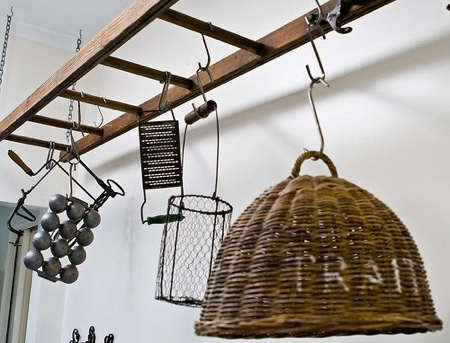

A ladder pot rack is what happens when kitchen storage gets a personality. Instead of hiding your pans in a dark cabinet where they clang around like a marching band in a closet, you hang them from a repurposed ladder and turn everyday cookware into part of the room’s design. It is practical, rustic, charming, and just a little bit theatricalin the best possible way.
The idea is simple: suspend a sturdy wooden or metal ladder from the ceiling, usually over a kitchen island, sink, or prep zone, then use S-hooks to hang pots, pans, colanders, utensils, and sometimes even herb baskets. The result is a hanging pot rack that saves cabinet space, keeps cookware easy to grab, and adds instant farmhouse, cottage, industrial, or vintage character to the kitchen.
But a ladder pot rack is not just “find ladder, hang ladder, celebrate with pasta.” It needs planning. The ladder must be structurally sound. The ceiling hardware must be anchored properly. The height must be comfortable. The cookware must be arranged thoughtfully. And yes, it needs cleaning now and then, because gravity may be reliable, but kitchen dust is undefeated.
What Is a Ladder Pot Rack?
A ladder pot rack is a kitchen storage feature made from a ladderoften vintage, salvaged, or decorativethat is mounted horizontally and used as an overhead rack for cookware. The ladder’s rungs create natural hanging points for hooks, while the side rails provide structure and visual rhythm. Unlike a standard metal pot rack, a ladder rack feels more custom and personal, especially when it is made from reclaimed wood or an antique orchard ladder.
In design terms, it works because it combines three powerful kitchen ideas: open storage, vertical storage, and display styling. Open storage keeps frequently used tools visible. Vertical storage uses empty air space instead of precious drawers. Display styling makes practical items look intentional rather than abandoned. A copper skillet hanging from a ladder looks curated. The same skillet jammed behind six lids looks like it is trying to escape.
Why a Ladder Pot Rack Works So Well in the Kitchen
It Frees Up Cabinet Space
Pots and pans are notoriously awkward to store. They have handles, lids, odd shapes, and a talent for forming unstable cookware avalanches. Hanging them above an island or along a wall frees up cabinets for dishes, food storage containers, small appliances, or pantry items. This is especially useful in small kitchens, rental kitchens, galley kitchens, and older homes with limited built-in storage.
It Keeps Cookware Within Reach
A good kitchen layout reduces unnecessary movement. When your most-used skillet is hanging near the stove or prep area, cooking feels smoother. You are not squatting, digging, and muttering into a lower cabinet while onions burn in the pan. A ladder pot rack can become a working station: sauté pans in the center, saucepans to one side, utensils or measuring cups nearby.
It Adds Warmth and Texture
Modern kitchens can sometimes feel a little too polished, like they are waiting for a real estate photographer to arrive. A wooden ladder pot rack adds texture, age, and warmth. It softens white cabinets, balances stainless steel appliances, and gives the room a lived-in feeling. In a farmhouse kitchen, it looks natural. In an industrial kitchen, a metal ladder or darker stained ladder can add a rugged edge. In a cottage kitchen, it can feel like something charmingly inherited from someone who knew how to make soup from scratch and never measured garlic.
Where to Place a Ladder Pot Rack
Over a Kitchen Island
The most popular location is above a kitchen island. This placement works well because the island usually has open ceiling space above it and enough clearance around it. It also lets the ladder rack become a centerpiece. If you entertain often, the rack can make the kitchen feel like a welcoming cook’s workshop rather than a room where appliances quietly judge your takeout habit.
The key is scale. A ladder that is too large can overwhelm the island and block sight lines. A ladder that is too small may look accidental. Ideally, the ladder should be narrower than the island and centered with the island’s shape. Leave enough space around pendant lights, range hoods, cabinet doors, and tall family members.
Above the Sink
Hanging a ladder pot rack above the sink can be surprisingly practical. After washing a pot, you can hang it to dry, which saves counter space and keeps water from pooling in cabinets. This works best when the rack is high enough to avoid head bumps and when the sink area has good airflow. It is less ideal if the rack blocks a window view or makes the sink feel crowded.
Against a Wall or Above a Side Counter
If overhead hanging is not possible, a ladder can also be mounted horizontally on a wall as a wall-mounted pot rack. This is useful for renters or homes where ceiling joists do not line up conveniently. A wall-mounted ladder rack can hold lighter pans, utensils, aprons, mugs, or baskets. It also creates a strong visual feature on a blank kitchen wall.
How to Choose the Right Ladder
Check the Strength First
The ladder should be sturdy, not merely cute. Decorative ladders made only for blankets may not be strong enough for cookware. Inspect every rung and rail. Look for cracks, soft wood, loose joints, rot, rust, or wobbling. If the ladder feels fragile in your hands, it does not belong above your head holding cast iron. That is not rustic charm; that is a dinner party insurance claim.
Pick the Right Size
Measure the area before choosing a ladder. A common mistake is falling in love with a vintage ladder at a flea market and then discovering it is the size of a small bridge. For most kitchens, a ladder between three and six feet long works well, depending on the island, ceiling height, and number of pans. The ladder should allow cookware to hang without crowding the room or knocking into cabinets.
Choose a Finish That Matches Your Kitchen
A raw wood ladder suits farmhouse, cottage, and rustic kitchens. A whitewashed ladder feels coastal or shabby chic. A black or dark-stained ladder works well in modern farmhouse or industrial spaces. A metal ladder can look sleek and urban. Whatever style you choose, seal porous wood with a clear protective finish so it is easier to wipe clean. Kitchens produce steam, grease, and mystery particles. A sealed surface is your friend.
Installation: Safety Comes Before Style
A ladder pot rack must be mounted into strong structural support. For ceiling installations, that usually means anchoring into ceiling joists or solid beams. Drywall alone is not enough for heavy cookware. Toggle bolts may work for some lighter applications, but heavy overhead storage should be treated with extra caution. When in doubt, hire a professional installer or carpenter.
Basic Materials
- Sturdy ladder
- Stud finder
- Measuring tape
- Pencil
- Drill and pilot bits
- Heavy-duty ceiling hooks, eye bolts, or lag hooks
- Chain, quick links, or sturdy hanging hardware
- S-hooks for cookware
- Level
- Safety glasses
Installation Overview
First, locate the ceiling joists with a stud finder and confirm their direction. Mark the points where the rack will hang. The hardware should align with both the ceiling structure and the ladder’s own strong points, usually near the side rails rather than only through thin rungs. Drill pilot holes before installing hooks or eye bolts. Pilot holes help prevent splitting and make the hardware easier to seat securely.
Next, attach eye bolts or hooks to the ladder. Then connect chain sections to the ladder and ceiling hooks. Use a level to check that the rack hangs evenly. Before adding cookware, gently test the rack with controlled weight. Do not swing from it. This is not a jungle gym, no matter how exciting your kitchen makeover has become.
How High Should a Ladder Pot Rack Hang?
The best height depends on ceiling height, user height, cookware size, and location. The rack should be low enough that you can reach pans without using a step stool every time you want breakfast, but high enough that it does not block views or become a forehead magnet. A common approach is to position the bottom of the hanging cookware roughly above normal head clearance in walkways and slightly lower over islands where people do not pass directly underneath as often.
Before drilling, test the height. Hold a pan where it would hang and ask: Can I reach it comfortably? Does it block pendant lights? Does it interfere with conversation across the island? Does it make the ceiling feel lower? If the answer to the last question is “yes, and slightly haunted,” raise it or rethink the location.
What to Hang on a Ladder Pot Rack
Best Items to Display
Hang the cookware you use often and do not mind seeing every day. Skillets, saucepans, small stockpots, colanders, ladles, strainers, and measuring cups all work well. Copper, stainless steel, enameled cast iron, and black carbon steel can look especially attractive. Grouping similar finishes creates a cleaner design. Mixing everything can still work, but it needs balance.
What Not to Hang
Avoid hanging extremely heavy cookware unless the rack and hardware are rated for it. Large cast iron Dutch ovens, oversized stockpots, and very heavy griddles may be better stored in lower cabinets. Also avoid hanging rarely used items. A pot rack should make daily cooking easier, not become a museum of “things I bought during my ambitious sourdough era.”
Styling Ideas for a Beautiful Ladder Pot Rack
Go Farmhouse With Copper and Wood
A weathered wood ladder paired with copper pans is classic for a reason. The warm tones complement each other, and the effect feels collected rather than manufactured. Add a few woven baskets or dried herbs for a cozy farmhouse look. Keep the arrangement edited so it does not become a cookware chandelier with commitment issues.
Try Modern Industrial
For a modern industrial kitchen, use a black metal ladder or paint a wooden ladder matte black. Pair it with stainless steel pans, black S-hooks, and minimal accessories. This style works well with concrete counters, subway tile, dark cabinetry, and exposed shelving.
Create a Cottage Kitchen Moment
In a cottage-style kitchen, a painted ladder can add charm. Soft white, sage green, muted blue, or warm cream can make the rack feel built into the room. Hang smaller cookware, enamel pans, and vintage utensils for a collected look. Add one or two decorative pieces, but do not overdo it. The goal is cozy, not antique store ceiling collapse.
Pros and Cons of a Ladder Pot Rack
Pros
- Frees up cabinet and drawer space
- Keeps frequently used cookware accessible
- Adds personality and texture to the kitchen
- Works with farmhouse, cottage, rustic, and industrial styles
- Can be a budget-friendly DIY project
- Gives old ladders a useful second life
Cons
- Requires secure installation
- Can collect dust and grease
- May block sight lines in open kitchens
- Does not suit every ceiling height
- Can make a small kitchen feel visually busy
- Heavy cookware needs extra caution
Cleaning and Maintenance
Open kitchen storage needs regular cleaning. Wipe the ladder with a damp cloth, especially if it is near the stove. Remove cookware occasionally and clean the hooks. If the ladder is wood, avoid soaking it. Use a mild cleaner and dry it well. For metal ladders, check for rust or chipped finish. Every few months, inspect the ceiling hardware and chains to make sure nothing has loosened.
Cookware hanging in the open may also need a quick rinse before use, especially if you do not cook daily. Dust plus cooking grease can form a sticky film over time. It is not glamorous, but neither is discovering fuzz in a frying pan while your eggs wait for leadership.
Is a Ladder Pot Rack Right for Your Kitchen?
A ladder pot rack is best for kitchens where storage is limited, cookware is attractive enough to display, and the ceiling or wall can support secure installation. It is also ideal for people who cook often and want fast access to their favorite pans. If your kitchen already feels visually crowded, consider a wall-mounted rail, pegboard, or pull-out cabinet organizer instead.
The decision is both practical and aesthetic. Ask yourself: Do I need more storage? Do I like open display? Am I willing to dust it? Can it be installed safely? If yes, a ladder pot rack can be one of those rare kitchen upgrades that looks good, works hard, and gives guests something to compliment before they ask where you hide the snacks.
Experience Notes: Living With a Ladder Pot Rack
The first thing people notice about a ladder pot rack is the charm. The second thing they notice is whether it is in the way. That is why the best experience starts with placement. In a real kitchen, the sweet spot is usually close enough to the stove to be useful, but not so close that cookware gets coated with cooking grease every time bacon enters the chat. Over an island or side prep counter usually feels more comfortable than directly above a high-traffic walkway.
One practical lesson is to hang only the pans you actually use. A ladder pot rack becomes frustrating when it is overloaded with every pot you own. The prettiest setup is often the simplest: one everyday skillet, one saucepan, one sauté pan, a colander, and a few utensils. Leave space between items so they do not bang together every time someone walks by or closes a cabinet with enthusiasm.
Another experience-based tip is to vary hook lengths if your rack allows it. Staggering cookware creates a more natural look and prevents handles from colliding. A long-handled skillet can hang near the end, while smaller pans can sit closer to the center. If everything hangs at the exact same height, the rack may look stiff and crowded. A little visual rhythm helps it feel intentional.
Lighting also matters. If the ladder rack hangs near pendant lights, test the layout before final installation. Cookware can cast shadows over the work surface, especially if large pans hang low. In some kitchens, the rack looks best slightly behind the island lights rather than directly competing with them. Think of the ladder as supporting actor, not the chandelier’s jealous cousin.
Daily use is where the ladder pot rack proves itself. When arranged well, it saves time. You reach up, grab the pan, cook, wash, and return it. No cabinet wrestling. No lid landslide. No mysterious scraping noise from the back of a drawer. It can make a small kitchen feel more efficient because the most useful tools are visible and ready.
Still, maintenance is part of the relationship. Open storage means open exposure. In a busy kitchen, wipe the ladder and pans weekly or biweekly. If the rack is mostly decorative, dusting may be enough. If it is near the stove, expect more frequent cleaning. Grease travels. It is sneaky. It has dreams.
The biggest satisfaction comes from the way a ladder pot rack tells a story. A new metal rack can be useful, but a ladder with history feels personal. Maybe it came from a salvage shop, a family garage, or a weekend flea market where you promised yourself you were “just looking.” Once cleaned, sealed, and safely hung, it becomes more than storage. It becomes a feature that says the kitchen is used, loved, and maybe just a little obsessed with good pans.
Conclusion
A kitchen ladder pot rack is a smart, stylish way to turn unused vertical space into functional storage. It can free up cabinets, keep cookware within reach, and bring warmth to the room. The best versions are sturdy, safely installed, thoughtfully placed, and edited rather than overloaded. Whether your kitchen leans farmhouse, cottage, industrial, or eclectic, a ladder pot rack can make the space feel more personal and more practical at the same time.
Just remember the golden rule: charm should never outrank safety. Anchor the rack properly, respect weight limits, clean it regularly, and hang only what makes cooking easier. Do that, and your ladder pot rack will not just look good in photosit will earn its keep every time you make dinner.