
A ladder herb garden turns a narrow patch of patio, balcony, porch, or backyard across every available surface until your home resembles a garden center after an earthquake, you arrange herbs vertically on a sturdy ladder-style frame.
The result is practical, attractive, and conveniently close to the kitchen. Basil can occupy a sunny upper tier, parsley can relax lower down, and mint can remain safely confined where it cannot launch a hostile takeover of the yard. Whether you repurpose an old wooden ladder or build a tiered planter from scratch, the same principles apply: provide enough sunlight, use containers with excellent drainage, group compatible herbs, and make the structure stable enough to handle wind, water, and wet soil.
This guide explains how to design, build, plant, and maintain a ladder herb garden while avoiding the problems that frequently turn promising vertical gardens into crispy botanical bookshelves.
What Is a Ladder Herb Garden?
A ladder herb garden is a vertical growing system with containers arranged on ascending steps or shelves. Some designs use a freestanding A-frame ladder. Others lean against a wall and hold individual pots, window boxes, buckets, or custom wooden troughs.
The ladder itself is no longer treated as climbing equipment. It becomes a plant stand, with each rung or shelf supporting one or more containers. This arrangement uses height instead of valuable floor space, making it particularly useful for renters, apartment dwellers, and homeowners with compact patios.
A well-planned ladder planter also improves access. Herbs can be harvested without kneeling in a garden bed, individual containers can be removed or rearranged, and aggressive plants such as mint stay confined. Because each tier can hold a separate pot, gardeners can manage soil moisture more precisely than they could in one large mixed planter.
Why Grow Herbs Vertically?
It Makes Small Spaces Productive
A traditional herb garden needs horizontal room. A vertical herb garden needs little more than a sunny wall, railing, or corner. A structure less than three feet wide can hold several culinary herbs while leaving enough patio space for chairs, a grill, or the dog that insists on standing exactly where you are working.
It Creates Better Organization
Separate containers make it easy to label plants and group them according to their needs. Rosemary, thyme, sage, lavender, and oregano generally prefer bright light and soil that drains quickly. Basil, parsley, cilantro, dill, chives, and mint usually appreciate more consistent moisture.
Keeping these groups in separate pots prevents one watering routine from making half the garden thirsty and the other half swampy.
It Can Improve Light Exposure
The stepped layout allows plants to receive light without every pot sitting at the same level. Taller herbs can be placed toward the back or on upper shelves, while compact or trailing plants occupy the lower and front edges.
This benefit depends on orientation. A ladder pressed into a dark corner does not magically create sunlight. Observe the location throughout the day before deciding where the structure should live.
It Keeps Harvests Convenient
When herbs are visible and easy to reach, they are more likely to be used. A handful of chives can go directly into scrambled eggs, basil can be clipped for pasta, and thyme can be harvested without embarking on a backyard expedition in slippers during the rain.
Choose the Right Location
Most popular culinary herbs perform best with approximately six hours of direct sunlight per day. Basil, rosemary, oregano, thyme, sage, and lavender are especially productive in sunny conditions. Parsley, cilantro, mint, and chives can tolerate some light shade, particularly in regions with intense afternoon heat.
Before building or filling the planter, check the proposed location in the morning, around noon, and later in the afternoon. Notice whether buildings, fences, roof overhangs, or trees create moving shadows.
The location should also provide:
- Convenient access to water
- Good air circulation
- A level, firm surface
- Protection from severe wind
- Enough room to harvest and maintain every tier
On a balcony, confirm that water draining from the pots will not create problems below. Use saucers where appropriate, but do not allow containers to remain in standing water. Also consider the combined weight of the frame, wet potting mix, containers, and mature plants.
Repurpose a Ladder or Build a New Frame?
Using an Old Wooden Ladder
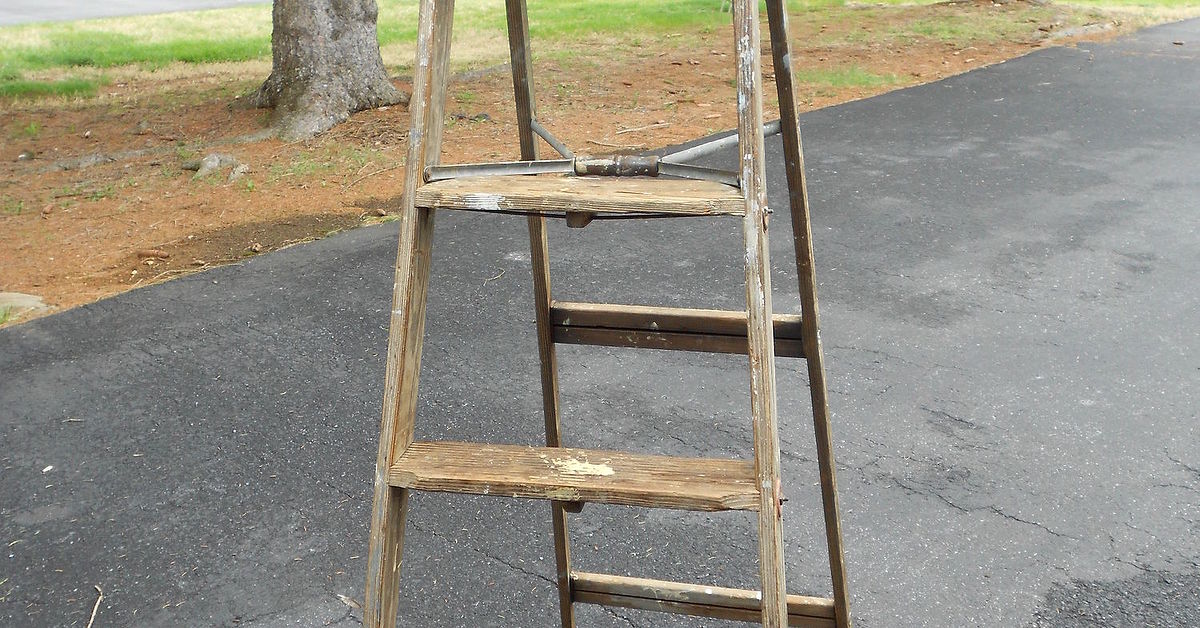
A retired wooden ladder can become a charming rustic herb stand, provided it is structurally sound. Check for rotting wood, loose rungs, deep cracks, protruding nails, and unstable hinges. Clean it thoroughly, sand rough surfaces, and apply an outdoor finish suitable for the intended location.
Once repurposed, clearly treat the ladder as a planter rather than climbing equipment. A decorative sign or permanent shelves can help prevent someone from attempting to use it normally.
A freestanding A-frame ladder works well when boards are laid across matching steps to create shelves. A straight ladder can lean against a wall, but it should be secured with exterior-rated brackets or anti-tip straps. Pots add substantial weight, and a gust of wind is not interested in your rustic design concept.
Building a Ladder Planter
A purpose-built frame offers more control over size, spacing, strength, and appearance. Cedar, redwood, naturally durable lumber, or properly sealed exterior-grade wood can be used. Choose clean materials that have not previously stored or contacted toxic substances.
A practical design may stand four to six feet tall with three to five shelves. The bottom shelf should be the deepest and widest because it can safely support larger containers. Upper shelves should be progressively shallower, allowing sunlight to reach lower plants and keeping the frame from becoming top-heavy.
Materials and Tools
The exact supplies depend on the design, but a typical DIY ladder herb planter may require:
- Exterior-grade lumber or a sound wooden ladder
- Wooden boards for shelves
- Exterior-rated screws
- Metal corner braces or shelf brackets
- Anti-tip hardware
- Measuring tape and carpenter’s square
- Saw, drill, and suitable drill bits
- Sandpaper
- Outdoor wood sealer or exterior paint
- Pots or planter boxes with drainage holes
- High-quality potting mix
- Herb seedlings or seeds
- Plant labels
Wear appropriate eye, hand, and respiratory protection when cutting, drilling, sanding, or applying finishes. Follow the manufacturers’ directions for tools, coatings, fasteners, and drying times.
How to Build a Simple Ladder Herb Garden
Step 1: Measure the Available Space
Measure the width, height, and depth of the location. Include room for the ladder’s feet and enough clearance to remove pots. A beautiful planter that blocks the door is technically functional, but not in a way anyone will enjoy.
Step 2: Plan the Shelf Layout
Place the lowest shelf farthest forward and the highest shelf closest to the back. Leave enough vertical clearance for mature plants rather than designing around the tiny seedlings you brought home.
Rosemary, dill, sage, and some basil varieties can become tall. Thyme, oregano, and trailing rosemary can spill over shelf edges. Plan for their mature forms so plants do not shade or smother one another.
Step 3: Cut and Sand the Wood
Cut the side supports and shelves according to the plan. Sand cut edges and exposed surfaces until they are smooth. Slightly round sharp corners, especially when the garden will stand near a walkway or where children are present.
Step 4: Assemble the Frame
Position the supports on a level surface. Attach shelves with exterior screws and reinforce them with brackets where necessary. Check each shelf with a level before fully tightening the hardware.
Build with wet soil in mind. A planter box that feels light when empty can become surprisingly heavy after watering. Place heavier pots low and keep the top tier relatively light.
Step 5: Seal or Paint the Structure
Apply an outdoor coating to help the wood withstand moisture and sunlight. Allow it to dry and cure completely before adding containers. Painting the ladder can create a polished focal point, while a clear finish preserves a rustic wood appearance.
Step 6: Secure the Planter
Place the frame on a level surface and test it before filling the pots. A leaning design should be anchored to a wall or sturdy fence. A freestanding design may need cross-bracing, wider feet, or an anti-tip connection.
Do not rely on the weight of the lower pots alone to stabilize the structure. Children, pets, wind, and enthusiastic harvesting can apply forces that were not included in your peaceful Pinterest vision.
Select Containers That Help Herbs Thrive
Almost any suitable pot, trough, or box can grow herbs if it holds potting mix, provides adequate root space, and drains freely. Containers should never have previously held toxic chemicals.
For many compact herbs, pots approximately eight to ten inches wide provide a useful starting point. Larger herbs and long-lived perennials benefit from more room. Rosemary, mature sage, mint, and vigorous basil plants may quickly outgrow small decorative pots.
Every container needs drainage holes. Adding stones to the bottom does not replace drainage and can reduce the amount of growing medium available to roots. Fill containers with a lightweight commercial potting mix rather than dense soil dug from the yard. Garden soil can compact in pots, drain poorly, and become extremely heavy.
Terracotta containers dry relatively quickly, which may suit thyme and rosemary but require extra watering during hot weather. Plastic and glazed pots hold moisture longer. Wooden troughs provide generous planting space but should be constructed to drain and resist prolonged moisture.
Best Herbs for a Ladder Garden
Upper Sunny Tiers
Use the brightest upper shelves for herbs that enjoy abundant sun and quick drainage:
- Rosemary
- Thyme
- Oregano
- Sage
- Lavender
These herbs should not remain constantly wet. Water thoroughly, then allow the upper portion of the potting mix to begin drying before watering again.
Middle Tiers
Middle shelves are convenient for frequently harvested kitchen favorites:
- Basil
- Chives
- Parsley
- Cilantro
- Dill
Basil is especially useful near eye level because frequent pinching encourages bushier growth. Cilantro tends to flower quickly in hot weather, so sow small batches periodically rather than expecting one plant to provide leaves all season.
Lower or Partially Shaded Tiers
Lower tiers may suit mint, parsley, chives, and cilantro when the upper shelves create light afternoon shade. Mint should have its own container. Given an open garden bed, it may spread enthusiastically enough to establish its own municipal government.
Group Herbs by Watering Needs
Plant combinations should be based on compatible growing requirements rather than appearance alone. Rosemary, thyme, sage, oregano, and lavender generally prefer drier conditions. Basil, parsley, cilantro, dill, mint, and chives usually perform better with more regular moisture.
Separate pots are the easiest solution. When using a long trough, combine herbs with similar light, moisture, and growth habits. Avoid placing vigorous mint beside a slower herb. Its roots and stems can quickly dominate the container.
Watering and Feeding
Container herbs dry faster than plants growing in the ground, especially during hot, windy weather. Check the potting mix regularly by pressing a finger about an inch below the surface. When it feels dry at that depth, water thoroughly until excess water begins to escape through the drainage holes.
Do not water every pot automatically just because one plant looks thirsty. Upper tiers may dry faster because they receive more sun and wind, while lower containers may stay damp longer.
Most herbs do not need aggressive fertilization. Excess feeding can produce soft, lanky growth and may reduce the concentrated flavor associated with some culinary herbs. Use a diluted, balanced fertilizer according to its label and the needs of each plant. Basil, parsley, and dill may appreciate somewhat more regular feeding than woody Mediterranean herbs.
Harvesting for Healthy Growth
Frequent harvesting encourages many herbs to branch and remain compact. Use clean scissors or pruners, and remove only a reasonable portion of the plant at one time.
Pinch basil stems just above a pair of leaves to stimulate side shoots. Harvest chives by cutting leaves near the base. Clip thyme and oregano from the growing tips rather than repeatedly stripping the same woody stems. Take outer parsley stalks first so the center can continue producing new growth.
Remove flower buds from basil when leaf production is the goal. However, allowing a few herbs to flower can support pollinators and create an attractive display. It may also reduce leaf production, so decide whether the plant is currently working for the kitchen or running a neighborhood café for bees.
Common Ladder Herb Garden Problems
The Top Pots Dry Out Too Quickly
Move moisture-loving herbs to lower tiers, use slightly larger pots, or choose containers that retain moisture longer. Mulching the potting mix lightly can reduce evaporation, but keep mulch away from plant stems.
Lower Plants Become Leggy
Leggy, weak growth commonly indicates insufficient light. Increase the spacing between shelves, move the structure to a brighter location, or place shade-tolerant herbs on the bottom.
Leaves Turn Yellow
Yellow leaves can result from overwatering, poor drainage, nutrient problems, crowded roots, pests, or natural aging. Check soil moisture and drainage before reaching for fertilizer. Feeding a waterlogged plant is like giving an exhausted swimmer a sandwich.
The Planter Wobbles
Remove the pots immediately and correct the structure. Tighten fasteners, add braces, widen the base, level the surface, or secure the frame to a permanent support. Never ignore movement in a loaded vertical planter.
One Herb Takes Over
Separate aggressive or fast-growing plants. Mint is the classic offender, but vigorous oregano and large basil plants can also crowd smaller neighbors.
Design Ideas for a More Attractive Display
Function should lead the design, but the finished planter can still become a focal point. Paint the frame to complement the exterior of the home, use matching pots for a clean appearance, or combine weathered containers for a relaxed cottage style.
Add waterproof labels, small chalkboard signs, or stamped metal markers. Trailing thyme or oregano can soften shelf edges. Edible flowers such as nasturtiums may add color when their growing conditions are compatible with nearby herbs.
A narrow shelf can hold scissors, gloves, or a small watering can, but avoid leaving tools where they could fall. Solar lights may make the structure attractive after dark, provided wires and fixtures do not interfere with watering.
What a First Season with a Ladder Herb Garden Usually Teaches You
The first lesson often arrives before the first harvest: sunlight is more complicated than it looks. A patio may appear bright at breakfast but fall into shade by early afternoon. Gardeners commonly discover that the top tier receives intense sun while the lowest shelf gets only brief patches of light. Moving basil upward and parsley downward can produce a noticeable improvement within a couple of weeks.
The second lesson concerns pot size. Tiny containers look charming when newly planted, especially when arranged in matching rows. By midsummer, however, a basil plant in a small pot can require constant watering. Its roots fill the container, the leaves wilt by lunchtime, and the gardener begins behaving like an underpaid beverage server. Replacing the smallest pots with deeper containers usually reduces stress for both plant and person.
Water also travels in unexpected ways. When the upper pots drain, they may drip onto the foliage below. That sounds efficient, but it does not guarantee that the lower potting mix receives enough moisture. Repeatedly wet leaves can also encourage disease in humid conditions. Staggering containers or adding individual saucers helps control runoff while allowing every pot to be watered according to its actual needs.
Mixed planters provide another educational moment. Basil and rosemary may look wonderful together at the garden center, but they do not always agree about moisture. Basil complains dramatically when dry, while rosemary dislikes sitting wet. Separate containers make each plant easier to manage and allow the entire arrangement to be reorganized as the season changes.
Harvesting habits improve with experience. New gardeners often hesitate to cut healthy growth, fearing they will damage the plant. The result can be tall, sparse basil, flowering cilantro, and woody herbs that become awkwardly shaped. Regular, moderate harvesting usually creates fuller plants and a steadier kitchen supply. Once this becomes familiar, trimming herbs feels less like surgery and more like collecting dinner.
Labels also prove more important than expected. Young thyme, oregano, marjoram, and certain mint varieties can look suspiciously similar from a distance. Weather-resistant labels prevent guessing games, especially when several people care for the garden. They also make it easier to record which varieties perform well in a particular climate.
Wind may be the most memorable teacher. A ladder planter creates multiple elevated surfaces, and lightweight nursery pots can shift or tip during a storm. Heavier containers belong on the bottom, while small upper pots should fit securely within shelf rails or pot holders. Anchoring the frame early is far easier than collecting soil from the patio after a thunderstorm.
By the end of the first season, most gardeners simplify their systems. They keep the herbs used most often, increase container sizes, separate incompatible plants, and position the ladder according to observed sunlight rather than hopeful estimates. The finished garden may look less like a perfectly staged photograph, but it becomes more productive, resilient, and personal.
That evolution is part of the pleasure. A ladder herb garden is not a static decoration. It changes as plants grow, weather shifts, recipes inspire new choices, and the gardener learns what works in the available space. One season might feature pesto-friendly basil and parsley; the next may emphasize rosemary, thyme, chives, and compact oregano. The frame remains, while the garden develops its own character.
Conclusion
A ladder herb garden offers an efficient way to grow fresh flavor without sacrificing valuable outdoor space. Its success depends less on elaborate carpentry than on thoughtful planning. Build or choose a stable frame, anchor it securely, use lightweight potting mix, provide drainage, and place each herb where its light and moisture preferences can be met.
Start with a manageable collection of herbs you genuinely use. Basil, parsley, chives, thyme, oregano, rosemary, and mint provide plenty of variety for a beginner. As you observe how sunlight, heat, wind, and watering affect each tier, adjust the arrangement. Vertical gardening works best when the design remains flexible.
With regular harvesting and a little attention, the ladder can supply herbs for salads, sauces, drinks, marinades, roasted vegetables, and countless emergency attempts to make leftovers taste intentional.