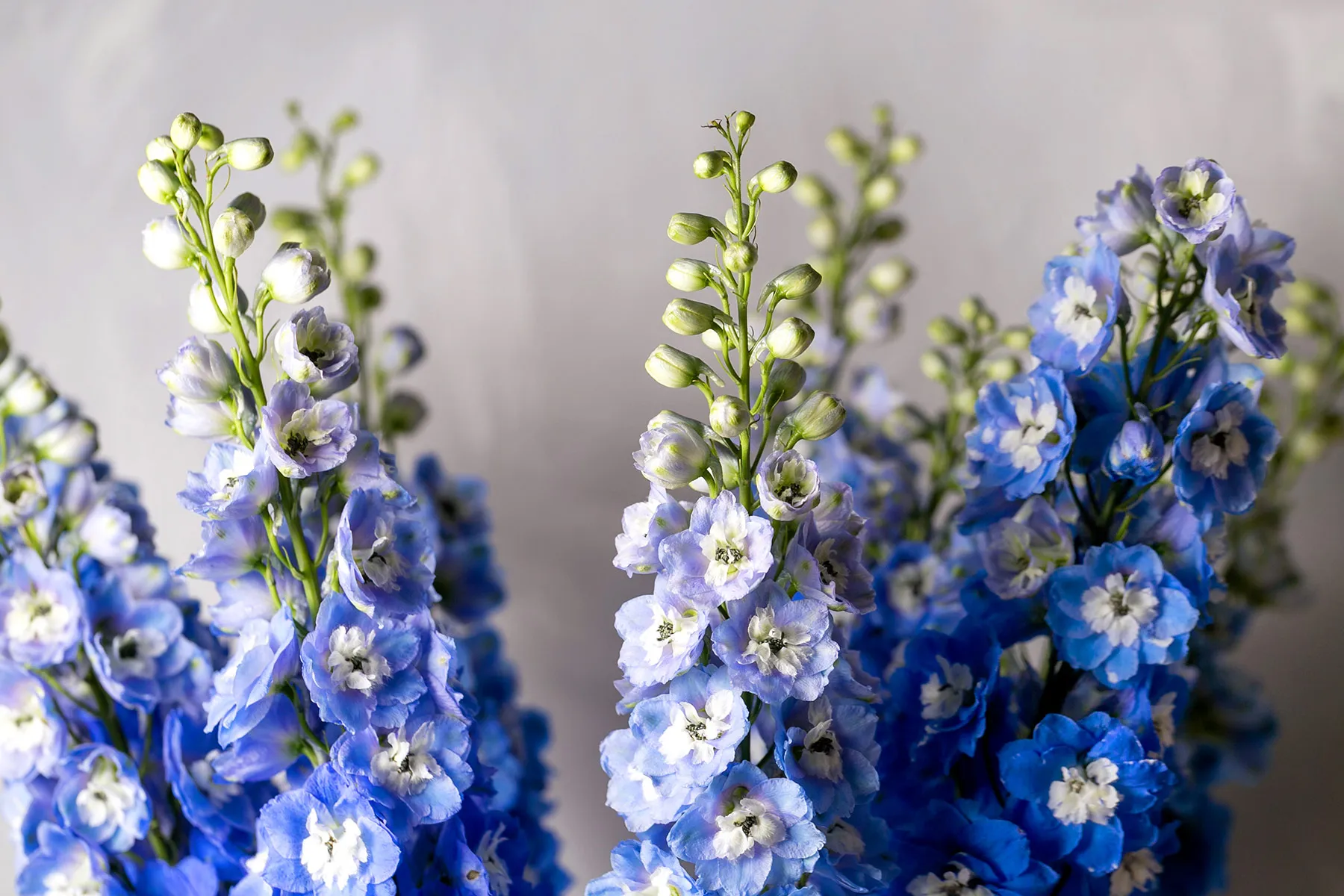

Larkspur is the kind of flower that looks like it belongs in a watercolor painting, not in a veterinary emergency report. With tall spikes of blue, purple, pink, or white blooms, plants in the Delphinium genus can make a meadow look charming enough for a postcard. Unfortunately, behind that pretty face is a serious toxin problem. Larkspur poisoning is best known as a threat to cattle on western U.S. rangelands, but the plant can also be dangerous to horses, pets, and people if eaten in meaningful amounts.
The main issue is a group of toxic alkaloids that interfere with normal nerve and muscle function. In affected animals, that can lead to weakness, staggering, collapse, bloat, abnormal heart rhythm, respiratory paralysis, and death. In other words, larkspur does not simply “upset the stomach.” It can shut down the system that keeps the body moving and breathing.
This guide explains what larkspur poisoning is, why it happens, how to recognize the warning signs, what to do in an emergency, and how ranchers, pet owners, gardeners, and hikers can reduce risk. The short version: admire larkspur with your eyes, not with your mouth. Your digestive tract did not ask for a botanical adventure.
What Is Larkspur?
Larkspur is the common name for many plants in the genus Delphinium, a member of the buttercup family, Ranunculaceae. Some species grow wild across western North America, especially in foothills, mountain meadows, grasslands, and rangelands. Others are cultivated as ornamental garden flowers because they are dramatic, colorful, and excellent at making neighbors ask, “What is that gorgeous plant?”
Common categories include tall larkspur, low larkspur, and plains or prairie larkspur. Tall larkspur often grows in higher-elevation mountain ranges and can reach several feet in height. Low larkspur and plains larkspur are shorter but can still be toxic. The flowers usually have a distinctive backward-pointing spur, which helps explain the common name.
The plant may be beautiful, but all parts of larkspur should be treated as poisonous. New growth and seeds are often considered especially risky, while toxicity may shift through the growing season depending on species, weather, plant maturity, and location.
Why Larkspur Poisoning Happens
Larkspur contains diterpenoid alkaloids, including compounds such as methyllycaconitine and related alkaloids. These toxins affect neuromuscular transmission, meaning they interfere with the communication between nerves and muscles. When that communication fails, muscles weaken, coordination breaks down, and breathing can become difficult or impossible.
For cattle, the danger is especially important because some larkspur species are palatable during certain growth stages. That means cattle may willingly eat the plant rather than avoid it. This is not the cow making a poor life choice on purpose; the plant can become more appealing at specific times, particularly around flowering and pod stages, while toxin levels may still be high enough to cause serious harm.
Larkspur poisoning is usually a dose-related problem. The risk depends on how toxic the plant is, how much is eaten, how quickly it is eaten, the animal’s size and condition, and whether the animal is stressed or forced to move after exposure. A cow that eats a dangerous amount and is then chased, handled, or driven may decline faster because exercise can intensify signs of poisoning.
Who Is Most at Risk?
Cattle
Cattle are the main livestock species affected by larkspur poisoning. On some western ranges, larkspur is one of the most economically important poisonous plants because it can cause sudden losses in otherwise valuable grazing areas. Poisoning often occurs when cattle graze infested pastures during the plant’s high-risk window.
Horses
Horses are generally less likely than cattle to consume toxic amounts if suitable forage is available, but they are still considered susceptible. If horses eat enough larkspur, they may develop colic, stiffness, weakness, tremors, collapse, convulsions, or respiratory failure.
Sheep and Goats
Sheep are usually more tolerant of larkspur than cattle, which is why some grazing strategies use sheep before cattle in larkspur-infested areas. However, “more tolerant” does not mean “magically immune.” Heavy exposure, stress, or unusual grazing conditions can still create problems.
Dogs and Cats
Larkspur is toxic to dogs and cats. Pets may chew garden plants out of boredom, curiosity, or because they have temporarily confused themselves with salad enthusiasts. Signs can include drooling, vomiting, diarrhea, weakness, tremors, abnormal heart rhythm, and collapse. Any suspected ingestion deserves prompt veterinary advice.
Humans
Human larkspur poisoning is uncommon, but it can happen if plant parts are eaten or misused. Children are at higher risk because bright flowers and seed pods can look interesting. Adults are usually exposed through accidental ingestion, plant misidentification, or unsafe herbal experimentation. Larkspur should not be consumed as a wild edible or home remedy.
Symptoms of Larkspur Poisoning
Signs may appear quickly, especially after a significant dose. In cattle and other animals, symptoms often involve the nervous, muscular, digestive, and respiratory systems.
Common Signs in Livestock
- Nervousness or unusual restlessness
- Weakness, trembling, or muscle twitching
- Staggering gait or repeated falling
- Excessive salivation
- Bloat, especially in cattle that are down
- Rapid or irregular heartbeat
- Difficulty breathing
- Collapse or inability to rise
- Convulsions in severe cases
- Death from respiratory paralysis
Possible Signs in Pets
- Drooling or foaming at the mouth
- Vomiting or diarrhea
- Abdominal discomfort
- Weakness or wobbliness
- Tremors or stiffness
- Seizure-like activity
- Collapse or trouble breathing
Possible Signs in Humans
People who ingest larkspur may experience burning or irritation in the mouth, nausea, vomiting, weakness, dizziness, slowed movement, breathing difficulty, or heart rhythm problems. Severe poisoning is a medical emergency. If a child or adult eats any part of larkspur, contact Poison Control or emergency services immediately.
Why Exercise Can Make Poisoning Worse
One of the tricky things about larkspur poisoning is that physical stress can worsen the outcome. An animal that has eaten larkspur may look weak but still standing. If it is then chased, roped, loaded, or driven, the added exertion can push compromised muscles past their limit. Since the toxin interferes with neuromuscular function, the muscles needed for breathing may fail.
That is why experts often recommend keeping affected animals quiet and avoiding unnecessary movement. This is not the moment for a dramatic cowboy scene. Calm beats chaos. A quiet animal has a better chance of surviving long enough for the toxin to clear.
Emergency Response: What to Do
For Livestock
If larkspur poisoning is suspected, call a veterinarian immediately. Move healthy animals away from the suspected source if it can be done calmly and safely. Do not force a weak or staggering animal to walk long distances. If an affected cow is down, positioning may matter: keeping the animal on its brisket with its head uphill can help reduce bloat risk and support breathing while waiting for veterinary help.
Treatment may be limited and is often supportive. Some veterinary protocols may include drugs such as neostigmine in specific cases, but treatment decisions must be made by a veterinarian. Handling itself can add stress, so the risks and benefits must be weighed carefully.
For Pets
If a dog, cat, or horse may have eaten larkspur, contact a veterinarian or pet poison hotline right away. Do not wait for severe symptoms. Remove remaining plant material from the animal’s reach, but do not induce vomiting unless a veterinary professional specifically instructs you to do so.
For People
If a person eats larkspur, call Poison Control at 1-800-222-1222 in the United States or seek emergency medical care. If the person is having trouble breathing, collapsing, seizing, or losing consciousness, call 911 immediately. Bring a plant sample or photo for identification if it can be done safely.
Diagnosis of Larkspur Poisoning
Diagnosing larkspur poisoning usually involves a combination of history, environment, clinical signs, and plant identification. In livestock, sudden deaths or collapse on high-elevation summer range where larkspur is abundant should raise suspicion. Veterinarians may examine rumen contents, pasture conditions, and recently grazed plants.
Because many plant poisonings can look similar, correct identification is important. Other toxic plants, nitrate poisoning, grass tetany, infectious disease, bloat from other causes, and trauma may need to be ruled out. For ranchers, keeping photos, pasture maps, grazing dates, weather notes, and plant samples can help veterinarians and extension specialists make a faster, more accurate assessment.
When Is Larkspur Most Dangerous?
Larkspur risk changes through the season. In many tall larkspur ranges, cattle may eat relatively little early in the season, even when toxin levels are high. Risk often increases as plants reach flowering and pod stages because cattle may begin eating more of the plant. Later, after pods shatter and plants dry down, risk may decline.
However, this pattern is not identical for every species or region. Low larkspurs may not show the same sharp seasonal decline in toxicity. Weather can also change grazing behavior. A short storm, limited forage, hunger, thirst, or a sudden move into a new pasture can cause animals to eat more larkspur than expected.
Prevention for Ranchers and Livestock Owners
Identify Larkspur Before Trouble Starts
The best time to learn what larkspur looks like is before animals are wobbling like a badly assembled lawn chair. Walk pastures, note dense patches, identify species when possible, and consult local extension offices for regional guidance. Plant distribution can vary dramatically from one slope, drainage, or elevation to another.
Use Grazing Timing Strategically
On some tall larkspur ranges, early grazing before flowering may be safer because cattle consume less of the plant. Removing cattle during the flowering-to-pod “toxic window” and returning after pod shatter may reduce losses. This strategy depends on local plant species, forage availability, and actual cattle behavior.
Watch the Cattle, Not Just the Calendar
A calendar can suggest risk, but cattle reveal reality. If animals begin eating larkspur tops, flowers, or pods, the situation can change quickly. Observing cattle during peak grazing periods, especially early morning and evening, can provide early warning.
Avoid Stress and Hunger
Hungry cattle are less selective. Newly transported cattle, thirsty animals, or animals pushed hard through infested areas may be at greater risk. Provide water, salt, and mineral in safe locations away from dense larkspur patches. Do not place supplements where cattle must stand in a poisonous buffet line.
Consider Testing Plant Toxicity
In high-risk western rangelands, plant sampling and alkaloid testing can help estimate danger. Toxic alkaloid concentration can vary by species, site, plant part, season, and year. Testing is especially useful where previous losses have occurred or where valuable cattle are grazing known larkspur pastures.
Use Species Differences Carefully
Because sheep are generally more tolerant than cattle, some producers graze sheep before cattle to reduce larkspur biomass or use pasture resources more safely. This should be planned with local expertise. Do not assume one rule works everywhere, because toxic plants enjoy making simple advice look foolish.
Garden and Home Safety
Gardeners often grow delphiniums and larkspur for their height, color, and cottage-garden charm. They can be used safely as ornamentals when handled with common sense, but they are not ideal for every yard.
Practical Safety Tips
- Do not plant larkspur where toddlers or curious pets play unsupervised.
- Teach children never to eat flowers, seeds, or leaves from garden plants.
- Wear gloves if you have sensitive skin or are handling large amounts of plant material.
- Dispose of trimmings where animals cannot reach them.
- Keep cut flowers away from cats, dogs, and horses.
- Label plants clearly if you maintain a mixed ornamental and edible garden.
Composting larkspur is generally a garden-management question rather than an emergency issue, but fresh clippings should not be available to livestock or pets. The safest habit is simple: toxic plant waste goes somewhere animals cannot snack on it.
Larkspur Poisoning Myths
Myth 1: Animals Instinctively Avoid Poisonous Plants
Many animals avoid some toxic plants, but instinct is not a perfect safety system. Palatability changes, hunger, stress, lack of alternatives, and learned behavior can all lead animals to eat dangerous plants.
Myth 2: Dried Plants Are Always Safe
Drying may reduce some plant risks, but it does not automatically make every poisonous plant harmless. Larkspur toxins can remain a concern in plant material, especially seeds or concentrated parts. Do not feed hay contaminated with suspect toxic plants without expert evaluation.
Myth 3: Small Amounts Never Matter
Dose matters, but so do body size, toxin concentration, and speed of intake. A small nibble may not cause severe poisoning in a large animal, while a similar amount could be more serious for a small pet or child. When in doubt, ask a professional.
Real-World Examples and Practical Scenarios
The Mountain Pasture Problem
A rancher turns cattle onto a lush mountain pasture in July. The grass looks good, but tall larkspur is entering flower. For the first few days, cattle mostly graze grasses. After a storm, they bunch in a drainage where larkspur is thick and begin eating flowering tops. By the next morning, several animals are weak and one is down. This is a classic high-risk pattern: palatable plant stage, rapid intake, weather shift, and delayed recognition.
The Backyard Bouquet Problem
A gardener cuts delphiniums for a vase and leaves stems on the patio. The family dog decides the trimmings are a gourmet chew toy. Later, the dog drools, vomits, and seems weak. Even if the dog ate only part of the plant, this is a call-the-vet situation. Waiting to “see how it goes” is not a strategy; it is gambling with worse lighting.
The Curious Child Problem
A child playing in the garden pulls apart flowers and may have put seeds or petals in their mouth. The child seems fine, but the plant is larkspur. The right move is to call Poison Control immediately. Early advice can prevent panic and help determine whether observation or emergency care is needed.
How to Talk About Larkspur Risk Without Overreacting
Larkspur is poisonous, but that does not mean every plant in every yard is a ticking time bomb. Risk depends on exposure. A healthy adult walking past larkspur or photographing it is not in danger. A cow eating pounds of it, a dog chewing stems, or a child swallowing seeds is a very different story.
The goal is not to fear every flower. The goal is to respect the difference between ornamental beauty and edible safety. Many useful or beautiful plants are toxic if eaten. Foxglove, oleander, monkshood, yew, and lily-of-the-valley also belong to the “look, don’t lunch” category. Larkspur simply deserves a firm place on that list.
Experience-Based Notes: What Larkspur Poisoning Teaches in the Field
People who manage animals around larkspur often learn that prevention is less glamorous than rescue, but far more successful. A rancher may spend hours checking fences, moving mineral tubs, and walking a pasture before turnout, and none of that makes for an exciting story at dinner. Yet those quiet chores can prevent the kind of morning no livestock owner wants: cattle down, veterinarian on the phone, and everyone wishing they had moved the herd two days earlier.
One practical lesson is that “the pasture looked fine” is not enough. Larkspur often grows in patches. A broad view from the gate may show green grass and peaceful animals, while a shaded slope or drainage holds dense toxic plants. Experienced producers learn to look at the places cattle actually use: bedding areas, water routes, salt locations, cool draws, and storm shelters. If those areas overlap with larkspur, the risk rises.
Another field lesson is that cattle behavior can change quickly. A group may ignore larkspur for several days, then suddenly start eating the flowering tops. This can happen when preferred forage matures, when weather shifts, or when cattle become comfortable in a new pasture. That is why observation matters. A few bitten larkspur stalks may be the first warning sign, like a tiny botanical smoke alarm.
Handling affected animals is another area where experience changes behavior. The natural human instinct is to rush in and do something dramatic. With larkspur poisoning, too much action can make things worse. Quiet handling, minimal movement, and veterinary guidance are often safer than chasing a weak animal across rough ground. In this case, calm is not laziness; it is treatment support.
Gardeners have their own version of experience. Many people plant delphiniums for years without incident because nobody eats them. Problems start when plant trimmings are left where pets can reach them, when children are not taught garden rules, or when toxic ornamentals are planted beside edible flowers and herbs. A simple label, a fenced bed, or a quick cleanup after pruning can prevent an avoidable emergency.
Pet owners also learn that “natural” does not mean safe. Dogs, especially young dogs, explore the world with their mouths, which is charming until the world includes poisonous plants. If larkspur grows in a yard with pets, supervision and plant placement matter. The same dog that ignores a plant for months may chew it one boring afternoon because apparently the squeaky toy was not emotionally fulfilling enough.
The biggest takeaway from real-world larkspur experience is that timing, location, and behavior matter as much as plant identity. Knowing that larkspur is poisonous is step one. Knowing when it is most likely to be eaten, where animals encounter it, and what early warning signs look like is what actually prevents losses.
Conclusion
Larkspur poisoning is a serious but preventable problem. The plant’s beauty can distract from its danger, especially because many people know it first as a garden flower rather than a toxic rangeland plant. For cattle, larkspur is one of the most important poisonous plants in parts of the western United States. For pets and people, exposure is less common but still potentially dangerous.
The best defense is awareness: identify the plant, understand seasonal risk, prevent hungry or stressed animals from grazing dangerous patches, keep pets and children away from plant material, and seek professional help immediately after suspected ingestion. Larkspur may deserve a place in the landscape, but it should never be treated casually. Admire the bloom, respect the chemistry, and keep the snack experiments to actual food.