
Loratadine is one of those medicines that quietly earns its place in millions of bathroom cabinets. When pollen turns the outdoors into a botanical prank, pet dander starts a sneezing marathon, or itchy eyes make you look as though you have watched an emotional movie, this once-daily antihistamine may provide relief without commonly causing the heavy drowsiness associated with older allergy medicines.
Available over the counter under brand names such as Claritin and Alavert, as well as in many generic products, loratadine is mainly used for symptoms of allergic rhinitis and hives. Although it is generally well tolerated, “over the counter” does not mean “impossible to misuse.” The correct dose, product ingredients, medical conditions, and possible drug interactions still matter.
What Is Loratadine?
Loratadine is a long-acting, second-generation antihistamine. It blocks peripheral histamine H1 receptors, reducing the effects of histamine released during an allergic reaction. Histamine is responsible for much of the sneezing, itching, watery eyes, nasal drainage, and skin irritation that can make allergy season feel like a personal feud between you and the environment.
Compared with first-generation antihistamines such as diphenhydramine, loratadine enters the brain in smaller amounts. Consequently, it is less likely to cause pronounced daytime sedation, confusion, or anticholinergic effects. Some people can still become sleepy, however, so “less drowsy” should never be interpreted as “guaranteed to keep everyone bright-eyed and ready to operate a forklift.”
Common forms of loratadine
Loratadine products are sold in several formulations, including:
- Standard 10-milligram oral tablets
- Chewable tablets
- Orally disintegrating tablets
- Liquid-filled capsules
- Liquid solutions or syrups
Product strengths and age directions can vary. Always read the Drug Facts label instead of assuming that every box contains the same dose.
What Are Loratadine Tablets Used For?
Loratadine tablets temporarily relieve common symptoms of hay fever and other upper respiratory allergies, including:
- Sneezing
- Runny nose
- Itching in the nose or throat
- Red, itchy, or watery eyes
Loratadine may also be recommended for itching, redness, and raised welts caused by hives. It treats symptoms rather than eliminating the underlying allergy, so exposure-control measures may still be important. For example, a tablet may calm a pollen reaction, but it cannot negotiate a peace treaty with every oak tree in the neighborhood.
Allergic rhinitis
Allergic rhinitis develops when the immune system reacts to normally harmless substances such as pollen, mold, dust mites, or pet allergens. Oral antihistamines can be useful when sneezing, itching, and nasal drainage are prominent. People with persistent or severe nasal congestion may need a different or additional treatment, such as an intranasal corticosteroid, after discussing their symptoms with a healthcare professional.
Hives and itching
Loratadine can reduce histamine-related itching and hives, but it is not an emergency treatment for anaphylaxis. Trouble breathing, throat tightness, faintness, rapidly worsening swelling, or a widespread severe reaction requires immediate emergency care. Epinephrine, when prescribed for anaphylaxis, should not be replaced by an oral antihistamine.
What loratadine does not do
Loratadine is not an antibiotic, a cold cure, or a standard nasal decongestant. A combination product such as Claritin-D contains both loratadine and pseudoephedrine, but it has different risks and restrictions. Pseudoephedrine may increase blood pressure, heart rate, nervousness, or insomnia, so check the active ingredients before buying or combining allergy products.
How Long Does Loratadine Take to Work?
Loratadine generally begins working within approximately one to three hours. Its effects are designed to last about 24 hours, which is why most standard tablet products are taken once daily. Peak effects may take longer than the initial onset, so swallowing a second tablet after 30 minutes because the first one “has not clocked in yet” is unsafe and unnecessary.
How well it works can depend on the symptom. It may noticeably improve sneezing and itching while providing less dramatic relief for significant nasal blockage. Allergy medicines may also work better when started shortly before a predictable pollen season rather than after symptoms have already organized a full parade through your sinuses.
Loratadine Oral Tablet Dosage
The following information applies to many over-the-counter products containing a standard 10-milligram loratadine tablet. Follow the instructions on your own package, because formulations and directions can differ.
| Group | Common OTC tablet direction | Important note |
|---|---|---|
| Adults and children 6 years and older | One 10-milligram tablet once daily | Do not take more than one tablet in 24 hours unless specifically directed by a clinician. |
| Children younger than 6 | Ask a doctor | A pediatric liquid or another formulation may be more appropriate. |
| People with liver or kidney disease | Ask a doctor before use | A different dose or longer interval between doses may be required. |
The U.S. OTC label for a typical 10-milligram tablet directs adults and children age 6 or older to take one tablet daily and no more than one tablet within 24 hours. It advises people with liver or kidney disease to consult a doctor because drug clearance may be slower.
Can you take more loratadine for severe hives?
Allergy specialists sometimes use higher-than-standard antihistamine doses for selected patients with chronic urticaria. That approach should occur only under medical supervision. It does not mean that a person should independently double or quadruple the OTC dose whenever itching becomes annoying.
How to take the tablet
- Swallow a standard tablet with water.
- Take it with or without food.
- Use it at roughly the same time each day when taking it regularly.
- Do not split a tablet unless the label or pharmacist confirms that the product can be divided.
- Do not use a disintegrating or chewable product as though it were automatically equivalent to every standard tablet.
What if you miss a dose?
Take the missed dose when you remember. If it is almost time for the next scheduled dose, skip the missed dose and continue normally. Do not take two doses together to compensate. Your allergies may be dramatic, but they do not receive a two-for-one medication special.
What happens if you take too much?
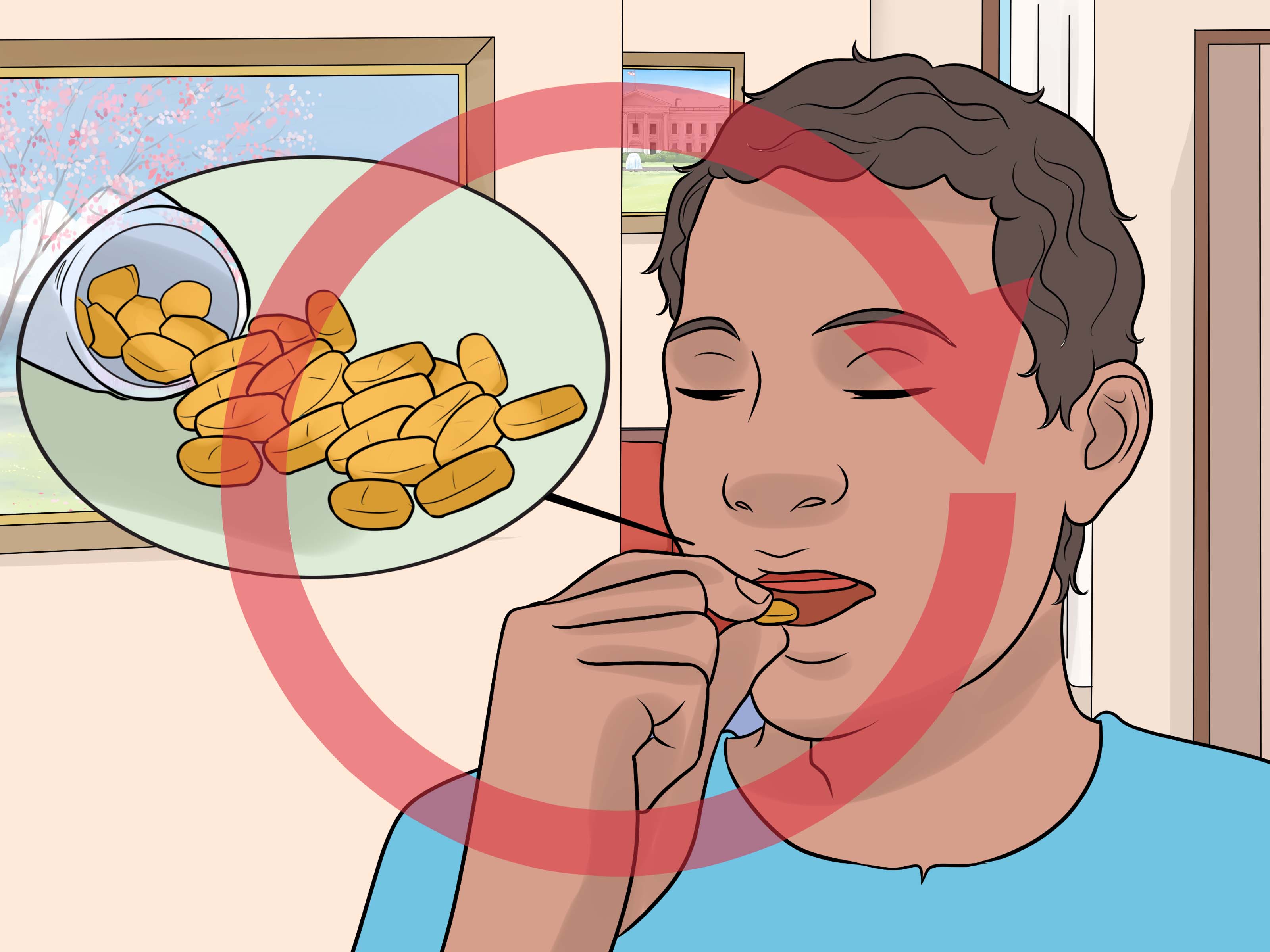
Taking more than directed may cause drowsiness and other adverse effects. Excessive doses can also produce headache, a rapid heartbeat, or unusual sleepiness. In the United States, contact Poison Control at 1-800-222-1222 for guidance after a suspected overdose. Call 911 immediately if the person collapses, has a seizure, cannot be awakened, or has trouble breathing.
Common Side Effects of Loratadine
Most people tolerate loratadine well. Reported side effects include:
- Headache
- Drowsiness or sleepiness
- Tiredness
- Dry mouth
- Dizziness
- Nausea or mild stomach discomfort
Dry mouth may improve with water, sugar-free gum, or sugar-free hard candy. Until you know how loratadine affects you, use caution with driving, climbing ladders, operating machinery, or attempting any activity in which “I got unexpectedly sleepy” would make a terrible final sentence.
Serious side effects
Stop taking loratadine and seek immediate medical help for signs of a serious allergic reaction, such as:
- Difficulty breathing or swallowing
- Swelling of the face, lips, tongue, eyes, or throat
- A rapidly spreading rash
- Severe hives or intense itching after taking the medication
Yes, it is possible to be allergic to an allergy medicine. The human body occasionally enjoys irony far more than anyone asked it to.
Loratadine Drug and Alcohol Interactions
Loratadine has fewer interactions than many older antihistamines, but it is not interaction-free. Give your doctor or pharmacist a complete list of prescription medicines, OTC drugs, vitamins, supplements, and herbal products.
Other antihistamines
Do not routinely combine loratadine with diphenhydramine, cetirizine, fexofenadine, chlorpheniramine, sleep aids containing antihistamines, or multi-symptom cold medicines unless a healthcare professional recommends the combination. Taking multiple antihistamines can increase drowsiness, dizziness, dry mouth, constipation, and the risk of dosing errors.
Alcohol and sedating medicines
Alcohol, opioids, benzodiazepines, muscle relaxants, sleep medicines, and other sedating products may worsen sleepiness or impaired coordination. Even when loratadine does not usually make you tired, combining it with several central nervous system depressants can change the equation.
Medicines that may affect loratadine levels
Certain antibiotics, antifungals, heart medicines, and antidepressants can affect the enzymes that process loratadine. Examples that may warrant professional review include clarithromycin, erythromycin, ketoconazole, itraconazole, amiodarone, paroxetine, and sertraline. An interaction does not always mean the drugs can never be used together, but it does mean that self-prescribing the combination is a poor hobby.
Who Should Talk to a Doctor Before Taking Loratadine?
Consult a healthcare professional before use when you:
- Have liver disease
- Have kidney disease
- Previously reacted to loratadine, desloratadine, or another ingredient in the product
- Take several prescription or OTC medicines
- Are pregnant, trying to become pregnant, or breastfeeding
- Are treating a young child
- Have symptoms that do not clearly appear to be caused by allergies
Pregnancy
Available human studies have not shown that loratadine increases the overall risk of birth defects, miscarriage, preterm delivery, or low birth weight. ACOG notes that newer antihistamines such as loratadine may be appropriate during pregnancy, but pregnant patients should still review OTC allergy treatment with their obstetric clinician.
Breastfeeding
Loratadine enters breast milk in small amounts and is often considered one of the preferred antihistamines during breastfeeding because it is less sedating than many alternatives. Monitor a nursing infant for unusual sleepiness, and discuss possible effects on milk productionparticularly when using combination products containing pseudoephedrine.
Children
Standard 10-milligram tablets are commonly labeled for children age 6 and older. Younger children may require a liquid product and a lower age-appropriate dose determined from the label or by a pediatric clinician. Never estimate a child’s dose by breaking an adult tablet into pieces unless a qualified professional has instructed you to do so.
Older adults
Loratadine is often favored over first-generation antihistamines in older adults because it is less likely to cause marked sedation and anticholinergic effects. However, kidney function, liver function, fall risk, and the person’s complete medication list should still be considered.
Practical Experiences With Loratadine Tablets
The following examples are composites based on common medication-use patterns. They are not individual testimonials and should not be interpreted as guaranteed results.
Experience 1: The predictable spring allergy flare
A person with tree-pollen allergies may notice that every spring begins with a few suspicious sneezes, followed by itchy eyes and a nose that behaves like a faucet with broken plumbing. Taking loratadine only after symptoms become intense may still help, but relief is not necessarily immediate. The first practical lesson is patience: the medicine commonly needs one to three hours to begin working.
Someone who knows that symptoms reliably start when local pollen counts rise may obtain better control by beginning an approved allergy plan shortly before the usual season. Loratadine may reduce sneezing and itching throughout the workday without causing the strong “medication hangover” associated with some older antihistamines. The person may still need environmental measures, such as showering after outdoor activity, changing clothes, closing windows, and keeping pollen-covered pets away from pillows.
Experience 2: Relief without perfect congestion control
Another user may report that loratadine helps watery eyes and repetitive sneezing but leaves the nose partially blocked. This does not necessarily mean the medication has failed. Oral antihistamines are often more effective for histamine-driven itching, sneezing, and drainage than for severe congestion caused by inflamed nasal tissues.
The common mistake is reaching for a second loratadine tablet. A more sensible next step is asking a pharmacist or clinician whether a nasal corticosteroid, saline rinse, or another treatment better matches the remaining symptom. Selecting treatment according to the symptom is usually more useful than simply piling extra tablets onto the same problem.
Experience 3: The “non-drowsy” surprise
Many people can take loratadine and continue working, studying, or driving without noticeable sedation. A smaller group may feel tired, foggy, or mildly dizzy. One person might take a first dose before a long commute and discover that “non-drowsy” was more of a statistical description than a personal promise.
A safer approach is trying the first dose when driving and hazardous work can be avoided. If meaningful sleepiness occurs, taking it at a different time may help, but changing to another antihistamine should be discussed with a pharmacist rather than handled through random experimentation. Alcohol, sleep aids, and other sedating medicines can magnify the problem.
Experience 4: The accidental duplicate ingredient
A user may take generic loratadine in the morning, then purchase a nighttime cold-and-allergy product without reading its active ingredients. The second product may contain another antihistamine, creating an unintended combination. Dry mouth, grogginess, dizziness, or next-morning impairment can follow.
This experience highlights one of the least glamorous but most valuable medication habits: read the active-ingredient panel every time. Brand names can change, package colors can look reassuringly familiar, and “multi-symptom” products can contain more ingredients than a crowded pizza. The active ingredientsnot the logodetermine what is being taken.
Experience 5: Hives that need more than self-treatment
A person with a few mild, familiar hives may find that loratadine reduces itching over several hours. However, hives that repeatedly return, last for weeks, appear with facial swelling, or develop after a new medicine deserve medical evaluation. If hives occur with breathing difficulty, throat tightness, faintness, vomiting, or rapidly worsening swelling, waiting for an oral tablet to work is dangerous.
The broader lesson is that loratadine is useful for many ordinary allergic symptoms, but it is not a diagnostic tool or an emergency rescue medicine. Successful experiences usually come from matching the medication to the correct problem, using the labeled dose, and recognizing when the situation has moved beyond the boundaries of responsible self-care.
When Should You Contact a Healthcare Professional?
Arrange medical advice if allergy symptoms persist despite correct use, repeatedly interrupt sleep, trigger wheezing, or require medication for long periods without a clear diagnosis. You should also seek evaluation for recurrent hives, frequent sinus symptoms, fever, facial pain, thick discolored drainage, or symptoms that occur only on one side of the nose.
Get emergency help for trouble breathing, severe swelling, faintness, blue or gray lips, confusion, or inability to awaken. Loratadine is a helpful allergy medicine, but it should never delay emergency treatment.
Conclusion
Loratadine oral tablets offer convenient, once-daily relief from sneezing, runny nose, itchy or watery eyes, nasal itching, and some cases of hives. The usual OTC dosage for adults and children age 6 or older is one 10-milligram tablet every 24 hours, but younger children and people with kidney or liver disease need individualized guidance.
Although loratadine usually causes less drowsiness than older antihistamines, headache, fatigue, dry mouth, dizziness, and sleepiness can still occur. Read every product label, avoid doubling doses, check combination cold medicines for duplicate ingredients, and ask a pharmacist about possible interactions. Used correctly, loratadine can make allergy season considerably less theatricaland allow your nose to return to its regular, non-sprinkler occupation.