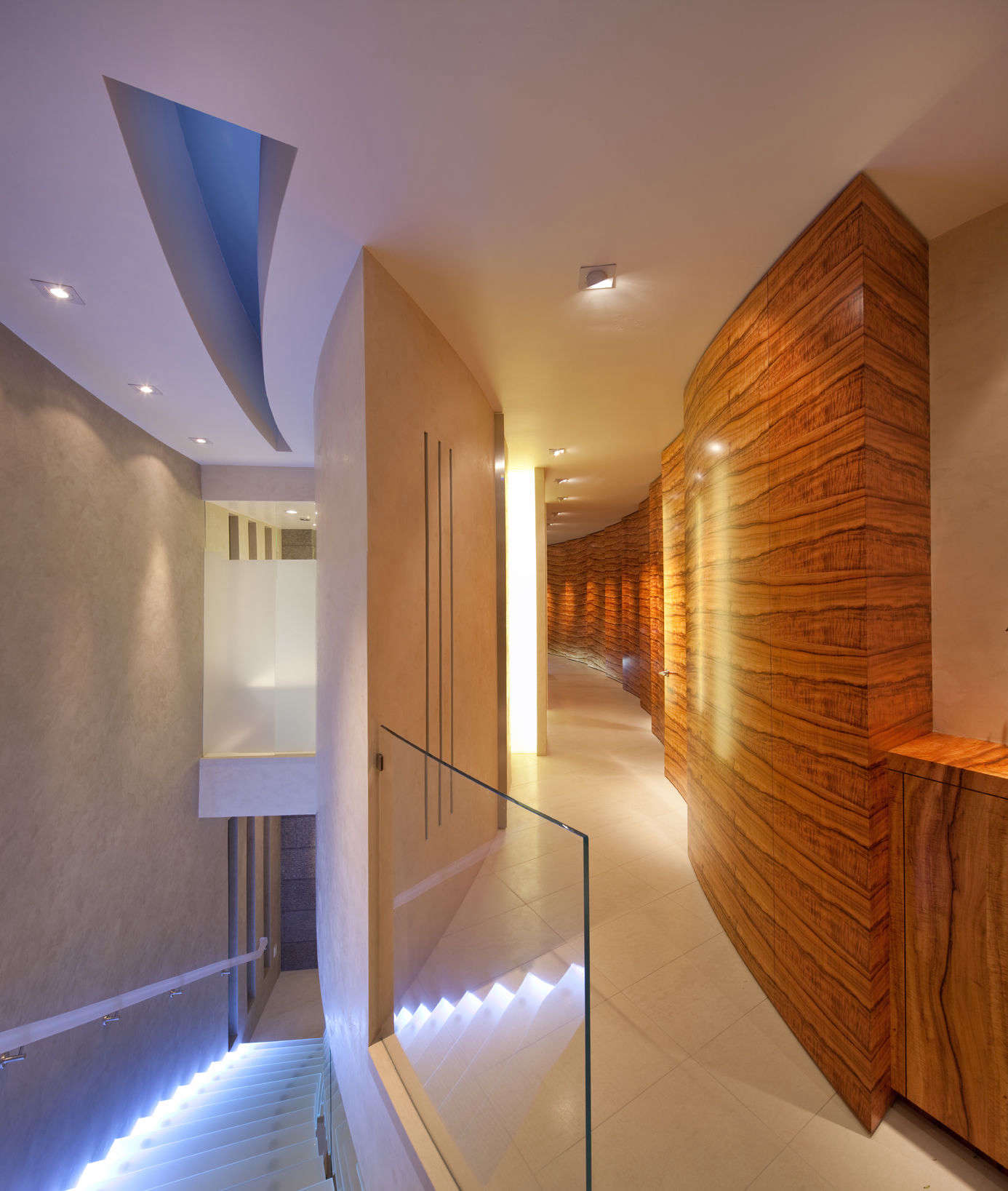

Some houses sit by the ocean. Marine Lair seems to stare straight into it, shake its hand, and ask what time the sunset show starts. Set in La Jolla, California, this oceanfront residence has become a memorable example of coastal luxury architecture: dramatic views, indoor-outdoor living, a rooftop pool, sculptural interiors, and the kind of engineering details that make design lovers pause mid-scroll.
But “Marine Lair” is more than a glamorous address with a cinematic name. It also works as a useful case study in how modern coastal homes can respond to the sea. The ocean is beautiful, yesbut it is also salty, windy, humid, and not always gentle. A serious oceanfront home has to balance comfort, drama, durability, privacy, safety, and maintenance. In other words, it has to look effortless while quietly doing a lot of heavy lifting behind the scenes.
This article explores Marine Lair as a design idea, a coastal lifestyle statement, and a practical lesson in building near the water. Think of it as part architecture tour, part seaside living guide, and part reminder that even paradise needs a very good maintenance plan.
What Is Marine Lair?
Marine Lair is best known as a luxury oceanfront residence in La Jolla, San Diego. Public real estate and design references describe it as a high-end coastal home near Windansea Beach, with approximately 3,124 square feet, three bedrooms, four-and-a-half bathrooms, ocean-facing outdoor spaces, and a rooftop pool. The home has appeared on design platforms because it combines bold engineering with a strong connection to the Pacific Ocean.
The name itself is clever. “Marine” points to the sea, salt air, waves, and coastal atmosphere. “Lair” suggests a private retreat, a hideaway, maybe even a little Bond-villain energybut in a polished, sunlit, beach-house kind of way. The result is a name that fits the property’s personality: dramatic, private, ocean-focused, and unmistakably designed to be remembered.
Why Marine Lair Captures Attention
Marine Lair stands out because it does not treat the ocean as background decoration. Many coastal homes include a few big windows and call it a day. Marine Lair appears to build the entire experience around the view. Large sea-facing openings, rooftop entertaining areas, and carefully placed outdoor spaces turn the Pacific into a daily presence rather than a postcard hanging on the wall.
That is the main reason the home has continued to attract attention online: it understands what people want from oceanfront living. They want morning light. They want the sound of waves. They want dinner with a horizon line. They want the option to step outside and feel the marine air without feeling as if the furniture is about to make a brave escape down the coast.
Good coastal design is not only about seeing the ocean. It is about choreographing how people move through the home, how light changes during the day, where breezes enter, where privacy is protected, and how each room earns its place.
The Location: La Jolla and the Power of Coastal Setting
La Jolla is one of San Diego’s most famous coastal communities, known for rugged bluffs, beaches, coves, marine life, surf culture, and dramatic ocean views. Homes in this area often sit close to the natural theater of the Pacific, where the setting does half the design work before an architect even sharpens a pencil.
Marine Lair’s connection to the La Jolla coastline gives it an immediate sense of place. Nearby Windansea Beach is especially known for surfing, rocky coastal scenery, and a more relaxed local atmosphere than some larger beach destinations. For a residence like Marine Lair, that matters. The home is not just “luxury near water.” It is luxury shaped by a specific coastline, with specific light, specific surf, and specific weather patterns.
Coastal homes succeed when they look like they belong where they are. Marine Lair’s strongest quality is that it appears designed for its site rather than dropped onto it. The glass, terraces, rooftop pool, and ocean-facing spaces all point back to the same idea: this house is having a long conversation with the Pacific.
Design Concept: Where Technology Meets Nature
The most interesting coastal homes are not the ones that simply open everything to the view. That sounds romantic until the wind turns your living room into a napkin tornado. The smarter approach is controlled openness: large windows, retractable walls, sheltered outdoor areas, durable finishes, and layout decisions that invite the ocean in without surrendering the house to it.
Marine Lair reflects this balance. Its public design descriptions emphasize a blend of technical innovation and natural connection. That combination makes sense for a narrow oceanfront parcel, where every square foot must work hard. When land is limited and views are priceless, the architecture has to become precise.
Ocean-facing glass and indoor-outdoor flow
One of the defining features of Marine Lair is its use of large sea-facing openings. In coastal architecture, glass can do more than frame a view. It can visually expand a room, draw natural light deep into the interior, and create a feeling that the home stretches beyond its walls.
The trick is not to overdo it. Too much exposure can create glare, heat gain, privacy issues, and maintenance headaches. The best oceanfront homes use glass strategically. They frame the best angles, protect the most vulnerable areas, and pair transparency with solid materials that anchor the design.
Rooftop living as a second shoreline
The rooftop pool is one of Marine Lair’s signature features. It turns the roof into more than a cap on the building. It becomes a destination: a private overlook, an entertaining zone, and a dramatic way to experience the coast from above.
Rooftop pools are not simple design accessories. They require serious structural planning, waterproofing, drainage, and mechanical coordination. A pool on the roof is basically a small body of water asking the building, “Can you hold this for me forever?” The building must answer with engineering, not optimism.
Architecture on a Narrow Oceanfront Lot
Oceanfront parcels in established coastal neighborhoods are often constrained. They may be narrow, steep, irregular, heavily regulated, or surrounded by existing homes. Marine Lair has been publicly described as occupying a narrow La Jolla oceanfront site, which helps explain its vertical drama and carefully layered spaces.
Designing on a narrow lot requires discipline. Rooms cannot sprawl casually. Circulation must be efficient. Storage has to be integrated. Views must be prioritized. Privacy from neighboring properties must be handled with windows, screens, walls, and orientation rather than wishful thinking.
That is where a house like Marine Lair becomes more than a luxury object. It becomes an architectural puzzle. How do you fit high-end amenities, ocean views, parking, outdoor living, privacy, and spectacle into a tight coastal footprint? You stack, carve, cantilever, open, shield, and edit. You make vertical movement part of the experience instead of treating stairs as a necessary inconvenience.
Materials: Beauty That Can Handle Salt Air
Coastal design has one big rule: the ocean always gets a vote. Salt air can corrode metals. Humidity can affect wood. Wind can punish weak details. Sun can fade finishes. Sand sneaks everywhere, because sand believes strongly in its right to travel.
For a marine-inspired home, material selection is not just about luxury. It is about endurance. Stainless steel, carefully treated woods, durable stone, quality sealants, marine-grade hardware, moisture-resistant assemblies, and strong exterior finishes can all help a coastal home age gracefully.
That does not mean every surface has to look industrial. The best homes balance toughness with warmth. Wood can soften glass and steel. Stone can ground a sleek interior. Textured surfaces can make modern spaces feel tactile rather than cold. In Marine Lair’s case, the appeal comes from contrast: technical precision paired with coastal sensuality.
The Marine Layer: Weather as Part of the Mood
No discussion of a Southern California coastal home is complete without the marine layer. In weather terms, a marine layer is a cool, moist air mass that can form over the ocean and move inland, often creating low clouds or fog. In lifestyle terms, it is the reason a beach morning can look like the sky forgot to finish loading.
The marine layer is especially familiar along the California coast. It can soften sunlight, cool the air, and create that moody gray atmosphere often called “May Gray” or “June Gloom.” For a home like Marine Lair, this weather pattern adds character. On clear days, the view is bright and cinematic. On foggy mornings, the house feels tucked inside a cloud, which is a very expensive way of saying “cozy.”
Architecturally, the marine layer matters because it influences comfort, visibility, moisture, and material performance. Homes near the coast need ventilation strategies, moisture management, and finishes that can handle repeated exposure to damp air.
Oceanfront Living: The Dream and the To-Do List
Marine Lair represents the dream version of oceanfront living: rooftop swims, sunset gatherings, open-air rooms, and the feeling that vacation has stopped being a place and become a floor plan. But every dream home near the water comes with a to-do list.
Windows need cleaning. Metal needs inspection. Drainage must be maintained. Exterior finishes need care. Outdoor furniture should be selected for marine conditions. Mechanical systems should be protected from salt exposure. Even landscaping has to be chosen with wind, salt, and drought in mind.
This is why serious coastal homes are never truly “set it and forget it.” They are more like well-designed boats that happen to have bedrooms. Regular maintenance is not a punishment; it is the price of staying close to one of the most beautiful forces on Earth.
Coastal Resilience and the Future of Luxury Homes
Modern oceanfront homes cannot ignore sea-level rise, erosion, storm surge, and changing coastal regulations. San Diego and California coastal agencies have documented concerns about rising seas and increased erosion risk. For luxury homes, resilience is not just an environmental talking point. It is a property-value issue, a safety issue, and a long-term design issue.
Future coastal architecture will likely place even greater emphasis on durable materials, smarter drainage, adaptable outdoor spaces, energy efficiency, and careful site planning. The most desirable homes will not simply be the ones closest to the water. They will be the ones designed intelligently for living with water over decades.
Marine Lair’s appeal fits into this larger conversation. It shows how emotional coastal design can bedramatic, glamorous, immersivewhile also reminding us that oceanfront architecture depends on engineering, planning, and respect for the environment.
Interior Experience: A Home Built for Moments
The best luxury interiors do not just display expensive materials. They create moments. A staircase can become sculpture. A hallway can become a gallery. A kitchen can become a lookout point. A bedroom can feel like a private observatory for waves, clouds, and sunrise.
Marine Lair’s interiors are notable because they appear designed around movement and discovery. Instead of a flat sequence of rooms, the home offers layered experiences: glass, water, stairs, terraces, reflections, and ocean views. The result is not minimalism for minimalism’s sake. It is controlled drama.
That is an important distinction. A coastal home can easily become too themedshells here, anchors there, a decorative boat oar leaning in the corner like it got lost. Marine Lair avoids that cliché by leaning into atmosphere rather than props. The ocean is present through light, openness, material, and view.
What Homeowners Can Learn from Marine Lair
You do not need a rooftop pool or a La Jolla address to borrow ideas from Marine Lair. The home offers practical lessons for anyone designing, renovating, or decorating a coastal-inspired space.
1. Design around the best view
Every home has a “main event.” It might be the ocean, a garden, a skyline, or even a beautiful old tree. Identify it and let the layout support it. Arrange seating, windows, lighting, and circulation so the best feature feels intentional.
2. Use durable materials beautifully
Coastal style does not have to mean fragile white furniture and panic every time someone brings in a wet towel. Choose surfaces that can handle real life: washable fabrics, sealed stone, quality hardware, and finishes that age with dignity.
3. Create indoor-outdoor transitions
Even a small patio can feel luxurious if it connects naturally to the interior. Sliding doors, consistent flooring tones, outdoor lighting, and comfortable seating can make the transition feel seamless.
4. Let lighting do the heavy lifting
Coastal light changes constantly. Use layered lighting indoors so the home feels warm on foggy mornings, bright on clear afternoons, and intimate after sunset.
5. Avoid beach-house clichés
A room can feel marine-inspired without spelling “BEACH” in giant wooden letters. Think texture, color, breeze, reflection, and natural materials instead of obvious decorations.
Experience Notes: Living With the Marine Lair Mindset
Imagine arriving at a home like Marine Lair late in the afternoon, when the sun is starting to lean toward the Pacific and the whole coastline seems to glow at the edges. The first thing you notice is not one object, but a feeling: openness. The house does not simply contain space; it releases it toward the horizon. You move from entry to living area, and suddenly the ocean is not outside anymore. It is part of the room’s personality.
The experience of a marine-inspired home begins with sound. Waves have a way of setting the pace. They slow conversation, stretch out mornings, and make even ordinary tasks feel slightly cinematic. Making coffee becomes a small ritual. Opening the windows feels like pressing play on the day. Even checking your email seems less tragic when the Pacific is doing special effects in the background.
Then comes the air. Coastal air changes how a home feels. It is cooler, softer, and sometimes damp enough to remind you that the sea is nearby even when you cannot see it. On marine-layer mornings, the view may blur into silver-gray. The mood becomes quieter. The house feels private, almost hidden. Later, when the clouds lift, the same rooms brighten dramatically, as if someone adjusted the contrast on the entire coastline.
Outdoor living is where the Marine Lair mindset really shines. A rooftop terrace or ocean-facing deck is not just a place to sit. It is a stage for small experiences: breakfast with gulls overhead, a late-afternoon swim, a casual dinner that accidentally becomes unforgettable because the sunset decided to show off. The best coastal homes understand that luxury is not always about adding more. Sometimes it is about removing the barriers between people and the moment.
There is also a practical rhythm to life near the ocean. You become aware of materials. You notice which chairs handle salt air, which doors seal well, which plants thrive, and which finishes need extra care. You learn that beauty near the coast is active, not passive. A marine home rewards attention. Clean the glass, rinse the outdoor surfaces, maintain the hardware, check the drainage, and the house continues to return the favor with comfort and atmosphere.
Guests experience a home like Marine Lair differently from owners. Visitors usually notice the dramatic features first: the view, the pool, the glass, the height, the “How is this even possible?” details. Owners eventually notice the smaller pleasures: where the morning light lands, which corner is best for reading, how the stairs sound at night, when the wind shifts, and how the house smells after fog gives way to sun.
That is the real magic of Marine Lair as an idea. It is not only a luxury property; it is a way of thinking about home as an experience shaped by nature. The architecture frames the ocean, but the ocean keeps rewriting the scene. Every day is slightly different. The water changes color. The sky changes mood. The rooms respond. And somehow, even when nothing dramatic happens, the house makes the ordinary feel designed.
Conclusion
Marine Lair is a striking example of what happens when coastal architecture takes the ocean seriously. It combines luxury, engineering, indoor-outdoor flow, and a strong sense of place. Its rooftop pool, ocean-facing spaces, and dramatic design details make it memorable, but its deeper lesson is more useful: great coastal homes are not only beautiful. They are carefully planned responses to light, wind, moisture, views, privacy, and time.
Whether you are studying luxury architecture, planning a coastal renovation, or simply collecting dream-home inspiration, Marine Lair offers a clear takeaway. Design is most powerful when it belongs to its environment. And when that environment is the Pacific Ocean, the result can be unforgettable.