
There are two kinds of “neutral” in the world: the kind that quietly makes a room feel calm and expensive,
and the kind that looks like you gave up halfway through painting a wall. Modern Neutral II: Field Lines Linen Tape
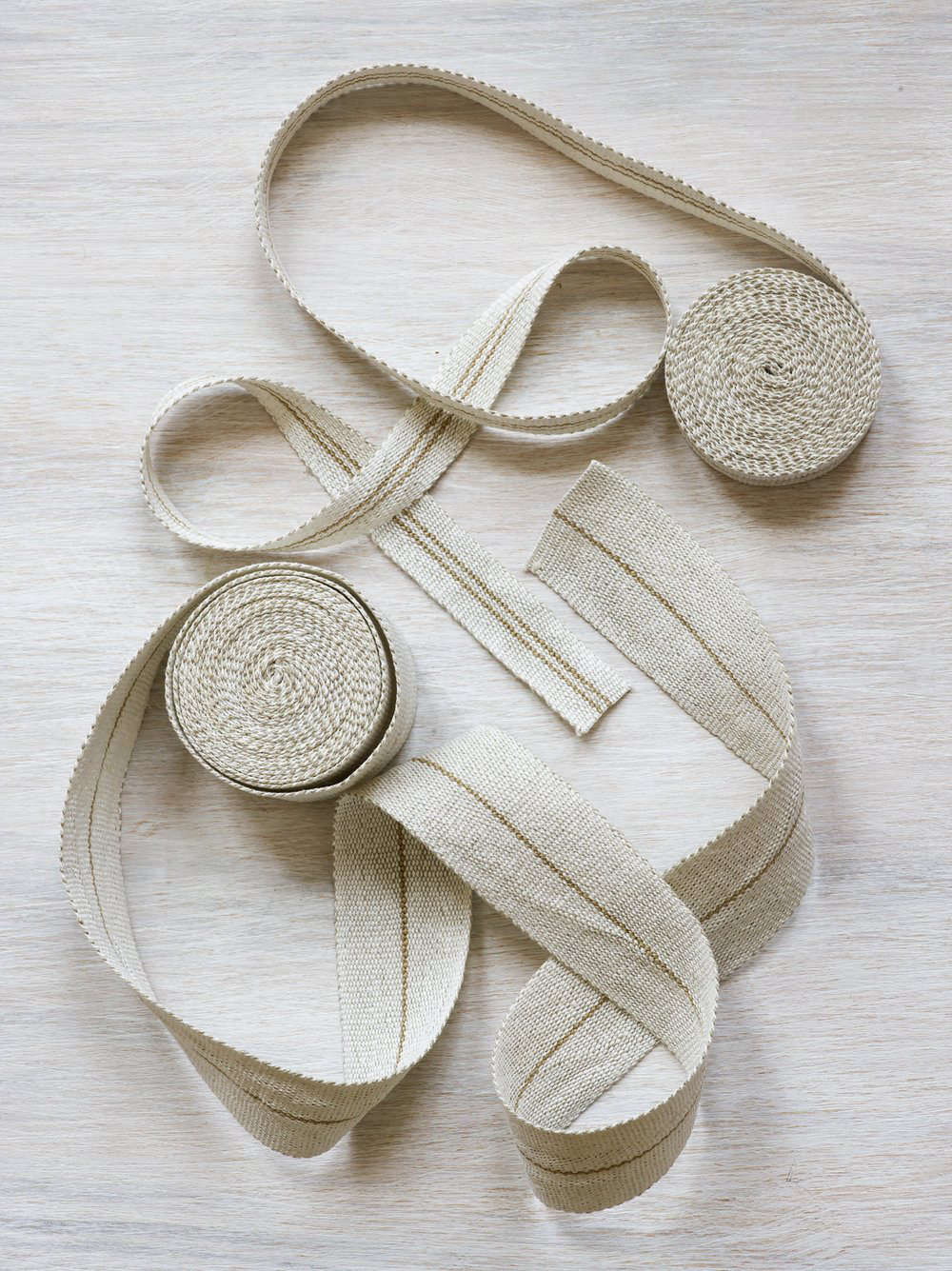
is firmly in the first category. It’s a deceptively simple trimwhite linen with fine metallic-looking linesthat can
turn a plain pillow, curtain edge, or table runner into something that feels custom, intentional, and “yes, I totally
meant to do that.”
If you’ve been hunting for a design detail that reads modern without yelling, elevates without glitter-bombing,
and plays nice with minimal interiors, you’re in the right place. Let’s talk about what this linen tape is, why it works,
and how to use it like you’ve got a stylist on retainer (without actually paying one).
What Exactly Is “Field Lines” Linen Tape?
Think of linen tape trim as the underrated accessory of home decor: it’s not the outfit, but it’s the belt,
the cuff, the clean sneakerwhatever makes the whole look feel finished. “Field Lines” in the Modern Neutral II
family is a handwoven linen tape designed around quiet geometry: slim, linear accents that read like fine drafting marks
on a clean page. It’s restrained, architectural, and surprisingly flexible across styles.
One of the most practical features is that it comes in multiple widths, which matters more than people think.
Narrow tape can behave like piping or edge binding; wider tape becomes a bold banding detail. The “Field Lines” design
is known for a palette that stays close to the earthwhite linen grounded by dark and warm metallic-toned linesso it
plays well with woods, stone, plaster walls, and the whole “modern organic” vibe.
In plain English: it’s trim that looks calm, crisp, and expensive. And it does not require you to repaint your entire living room
(a mercy).
Why Linen Tape Feels Different (Because It Is)
Linen isn’t just “cotton’s slightly moodier cousin.” It’s a different fiber with a different personality. Linen is known for being
strong, breathable, and quick-drying. It also wrinkles because it has low elasticitylinen doesn’t bounce back; it makes a statement
and commits to it. That’s not a flaw. It’s part of the charm, especially in modern interiors where texture is the secret sauce.
That texture is why linen tape trim works so well as an upgrade: even when the color palette is minimal, the surface has visual depth.
The fibers catch light differently throughout the day, so your “simple” trim detail never reads flat. Add fine “field line” accents and you get
subtle contrast without busy patterning.
Bonus: linen tends to soften with use and proper care, which means your trim can become more pliable and comfortable over timeless “stiff
showroom sample,” more “lived-in but still chic.”
The Design DNA: Modern Neutrals, But Make It Interesting
Modern neutral design is not about erasing personality. It’s about building a calm foundation and then adding interest through
tone-on-tone layering, texture, and small moments of contrast. Designers consistently point out that neutrals come alive when you layer
whites and creams and let texture do the heavy liftinglinen, wood grain, plaster finishes, nubby upholstery, and matte metals.
“Field Lines” fits this philosophy perfectly. The linear accents act like quiet structurelike the pinstripes of interior designwhile the linen background
keeps everything soft and natural. It’s especially effective in spaces with clean lines and negative space because it adds detail without clutter.
Why the “Gold-Line” Detail Works
A fine warm metallic line (gold/bronze-adjacent) does something magical in neutral rooms: it introduces warmth and a hint of shimmer without turning
your home into a disco ball. It pairs beautifully with:
- brushed brass hardware and lighting
- natural oak and walnut finishes
- stone surfaces (marble, limestone, soapstone)
- off-white walls that shift with daylight
The result is a detail that reads intentional in both minimalist and cozy-neutral rooms. Basically: it’s the design equivalent of wearing a simple outfit
with an excellent watch.
Where to Use Field Lines Linen Tape: Specific, No-Fluff Ideas
The biggest mistake people make with trim is thinking it’s only for upholstery pros with intimidating tools. Not true. Linen tape trim can be used in
small, reversible ways or in more permanent, “I planned this all along” upgrades.
1) Pillow Edges That Look Custom (Without Custom Prices)
Add Field Lines linen tape along the edge seam of a pillow coverespecially on solid linen, cotton canvas, or wool. Use the narrow width as a clean edge
accent, or the wider width as a bold border. Keep the rest of the pillow simple and let the lines do the talking.
2) Curtain Leading Edges and Hem Bands
Curtains are basically giant vertical billboards in your room. A slim tape on the leading edge adds structure and makes panels look tailored.
If you want a more graphic look, use a wider band near the bottom hemlike a modern “border print” without the botanical drama.
No-sew households can still play: hem tape and pleat tape hacks are popular for upgrading curtains without a sewing machine, and they’re especially useful
if you’re testing placement before committing.
3) Table Runners and Napkin Banding
Linen on linen is a power movequietly luxurious and very forgiving in photos. Stitch Field Lines tape down the center of a runner, or use it as a band near
the edge to create a “framed” effect. On napkins, a narrow strip placed about an inch from the edge reads modern and clean.
4) Lampshade Trim That Looks Designer
A lampshade with linen tape trim is one of those details people notice without realizing they noticed. Apply the tape along the top or bottom edge. If the shade is
white or natural, the line detail becomes a crisp finishing stroke. (Your lamp will suddenly look like it has an agent.)
5) Upholstery Accents (Start Small)
If you’re new to trimming, skip the sofa and start with a bench cushion or dining chair seat. Use tape as a welt alternative on flat edges, or as a band detail
across the back. Keep the palette neutral so the lines feel integrated, not pasted on.
6) Bedding Details: The “Hotel Calm” Upgrade
Neutral bedding gets interesting when you layer textures and add one structured detail. Tape can be used on duvet edges, pillow shams, or even as a decorative
band on a bed scarf. The key is restraint: one or two placements per bed so it reads intentional, not like a craft store explosion.
7) Cabinet and Basket Pulls (Yes, Really)
For a low-commitment upgrade, wrap or stitch linen tape into simple pulls for baskets or fabric storage bins. It adds durability and a tailored lookplus it’s
nicer to grab than scratchy rope.
8) Framing Art and Textiles
Use Field Lines tape to create a clean border on a fabric wall hanging or textile art piece. It functions like a “mat” in fabric form, giving the piece definition
without overpowering it.
9) Gift Wrapping for People Who Judge Ribbon
Linen tape as gift wrap ribbon says: “I’m thoughtful, I’m tasteful, and I probably alphabetize my spices.” Even if none of those are true, the tape will back you up.
10) Repair + Reinforcement in High-Wear Spots
Tape can reinforce edges on linen items that fraythink aprons, tote bags, or the corners of table linens. You get durability and a design detail in one move.
That’s what we call a two-for-one, but in a classy voice.
Picking the Right Width: Small Detail vs. Statement Band
Width changes everything. If you’re styling Modern Neutral II: Field Lines Linen Tape, treat width like scale in art:
it should match the size of the object and the distance you’ll view it from.
- Narrow (around 1″): best for edging, subtle borders, small pillows, napkins, lampshade trim.
- Medium (around 1 7/8″): great for curtain leading edges, pillow bands, bedding accents, runner borders.
- Wide (around 4 5/8″): a statementuse for large curtains, bold pillow framing, bench cushions, or dramatic runner design.
A simple rule: if you want people to notice it from across the room, go wider. If you want them to notice it up close and say “oh, that’s nice,” go narrow.
How to Attach Linen Tape: Sewn, No-Sew, and “I’m Just Testing”
Sewn (Most Durable, Most Polished)
Sewing is the gold standard: it holds up to washing, friction, and real life. Use a matching neutral thread for invisible stitching, or a slightly darker thread
for a subtle outline. For corners, miter them (fold like wrapping a crisp present) so the lines stay clean.
No-Sew Options (Good for Trials and Light Use)
If sewing isn’t happening today (or ever), you can still upgrade. Consider:
- Fusible hem tape for curtain hems or flat bands (best on lighter fabrics).
- Fabric glue for lampshades, wall hangings, or decorative-only applications.
- Pleat tape solutions to add structure at the top of curtains while you test the look.
The honest truth: no-sew methods work best when the item won’t be washed frequently or tugged constantly. If you want “wash, dry, repeat,” sew it.
Pro Tips That Save Your Sanity
- Pre-plan placement with painter’s tape before committing (step back, squint, adjust).
- Press/steam the tape lightly before attaching so it lays flat.
- On pillows and runners, keep tape alignment consistent so lines read crispnot wobbly.
- If you’re pairing with metallic hardware, keep undertones warm so it feels cohesive.
Styling Field Lines in a Modern Neutral Home
Neutral rooms get their depth from contrast in texture rather than contrast in color. That’s why linen plays so well in these spaces: it brings a tactile,
light-catching surface that reads calm instead of flat. Designers often recommend layering multiple neutrals in the same familycreams, whites, off-whitesand using textiles
like linen to add soul.
Three Easy Styling Recipes
- Architectural Minimal: white walls, black accents, natural oak, and Field Lines tape on one “hero” textile (pillows or curtains).
- Soft Modern Organic: warm whites, stone, boucle or wool, and Field Lines tape to add gentle structure (runner + shams).
- New Neutral with Warmth: taupe and linen tones, plus subtle gold/brass touchesField Lines becomes the bridge between fabric and metal.
If your space already has strong lines (grid windows, slab cabinetry, clean trim), Field Lines will echo those shapes. If your space is softer (rounded furniture, lots of textiles),
Field Lines adds a little backbone. Either way, it’s the friend who shows up with a good plan and snacks.
Care and Longevity: Keeping Linen Tape Looking Sharp
Linen is durable, but it appreciates respectful handlinglike a well-made leather bag, or that friend who hates group chats.
Most linen care guidance centers around preserving fibers and preventing harsh chemical damage.
Practical Care Guidelines
- Wash cold or lukewarm with a mild detergent for most linen items.
- Avoid bleach, which can alter color and weaken fibers over time.
- Skip fabric softener; linen can soften naturally and softeners may leave residue.
- Air dry or tumble low to reduce shrink risk and keep the tape crisp.
- Iron while slightly damp if you want a sharper, more tailored finish.
For trim applications on pillows and curtains, spot cleaning is often enough. For washable pieces, consider a gentle cycle and a garment bag if the trim is delicate or if you used no-sew adhesives.
Sustainability and the “Buy Less, Choose Better” Factor
Linen comes from flax, a natural plant fiber with a long history in textiles. As a natural fiber, linen is often discussed as a more sustainable alternative to fossil-fuel-based synthetics,
and it’s valued for its strength and longevity. When you use a well-made linen trim to extend the life of what you already ownupgrading, reinforcing, repairingyou’re participating in the most
underrated sustainability strategy: keeping good things in use longer.
In other words: adding Field Lines linen tape to a set of curtains you already like can be more eco-friendly than replacing them with something trendy that peters out after one season.
Also, it’s cheaper. Sustainability that saves money is everyone’s favorite type.
Hands-On Experiences: What It’s Like to Live With Field Lines Linen Tape (About )
If you’re wondering what real-life use looks like, here’s the pattern many homeowners and DIYers report when they bring a refined trim like
Modern Neutral II: Field Lines Linen Tape into the mix: it starts as a “tiny detail,” and then it quietly becomes the detail people mention first.
Not in a loud waymore like, “I can’t explain it, but your living room feels… finished.”
The first experience tends to be surprise at how much width matters. The narrow tape feels like a whisperperfect for pillow edges and lampshades.
The wider tape feels like a design decision. Put it on a curtain hem and suddenly the whole window looks professionally styled, as if the curtains came from a boutique
that only sells things in calm fonts.
The second experience is learning the difference between “decorative placement” and “high-stress placement.” Linen tape on a lampshade? Low stress. Linen tape on a tote bag handle?
High stress. People who start with low-stress projects tend to love the result because the tape stays crisp and aligned. People who jump straight to high-stress projects often have a
brief but meaningful relationship with phrases like “topstitch,” “fray check,” and “why is this corner doing that.”
Another common experience: the light test. In the morning, the tape can look softly tonalalmost like texture-on-texture. By late afternoon, the fine lines pick up
warmth and feel more dimensional. In rooms with shifting daylight, that subtle linework behaves like a quiet animation. It doesn’t scream for attention, but it refuses to be boring.
This is one reason neutral lovers keep coming back to linen: the surface changes as the day moves, so your “simple” choices keep paying you back.
Then there’s the “pairing game,” which is the part people don’t expect to enjoy. Once you add Field Lines to one item, you start noticing how it coordinates with hardware finishes,
picture frames, and even the thin dark lines in a window grid. Many people end up repeating the tape just once more somewhere elseoften on a second pillow or a table runnerbecause repetition
makes a room feel intentional. The key is stopping at two. Three can work. Four starts to feel like the tape is running for office.
Care-wise, the lived experience is mostly about learning linen’s personality. It wrinkles. It relaxes. It softens. People who embrace a slightly rumpled, textural look are happiest.
Those who want “perfectly pressed showroom” can get it, but they’ll iron more. A common rhythm is: wash gently, dry carefully, then decide whether you want crisp (iron) or casual (steam).
Either way, the tape detail tends to hold up well when it’s attached securely and not subjected to constant tugging.
Finally, there’s the best experience of all: using a small, high-quality detail to avoid a giant, expensive overhaul. Instead of buying new pillows, you upgrade covers.
Instead of replacing curtains, you tailor them. Instead of chasing trends, you deepen your basics. Field Lines linen tape is the kind of design tool that helps you do more with lesswhile still
making your space feel like it belongs in a magazine spread where nobody owns a single charging cable.