My Mom’s Secret to Knowing When Cookies Are Done Guarantees Perfect Snickerdoodles

Some baking wisdom arrives in glossy cookbooks, some comes from professional test kitchens, and some is passed across a warm kitchen while someone’s mother squints into the oven like she is negotiating with cinnamon itself. When it comes to perfect snickerdoodles, my favorite cookie doneness trick belongs firmly in that last category. My mom’s secret is wonderfully simple: listen for the cookie.
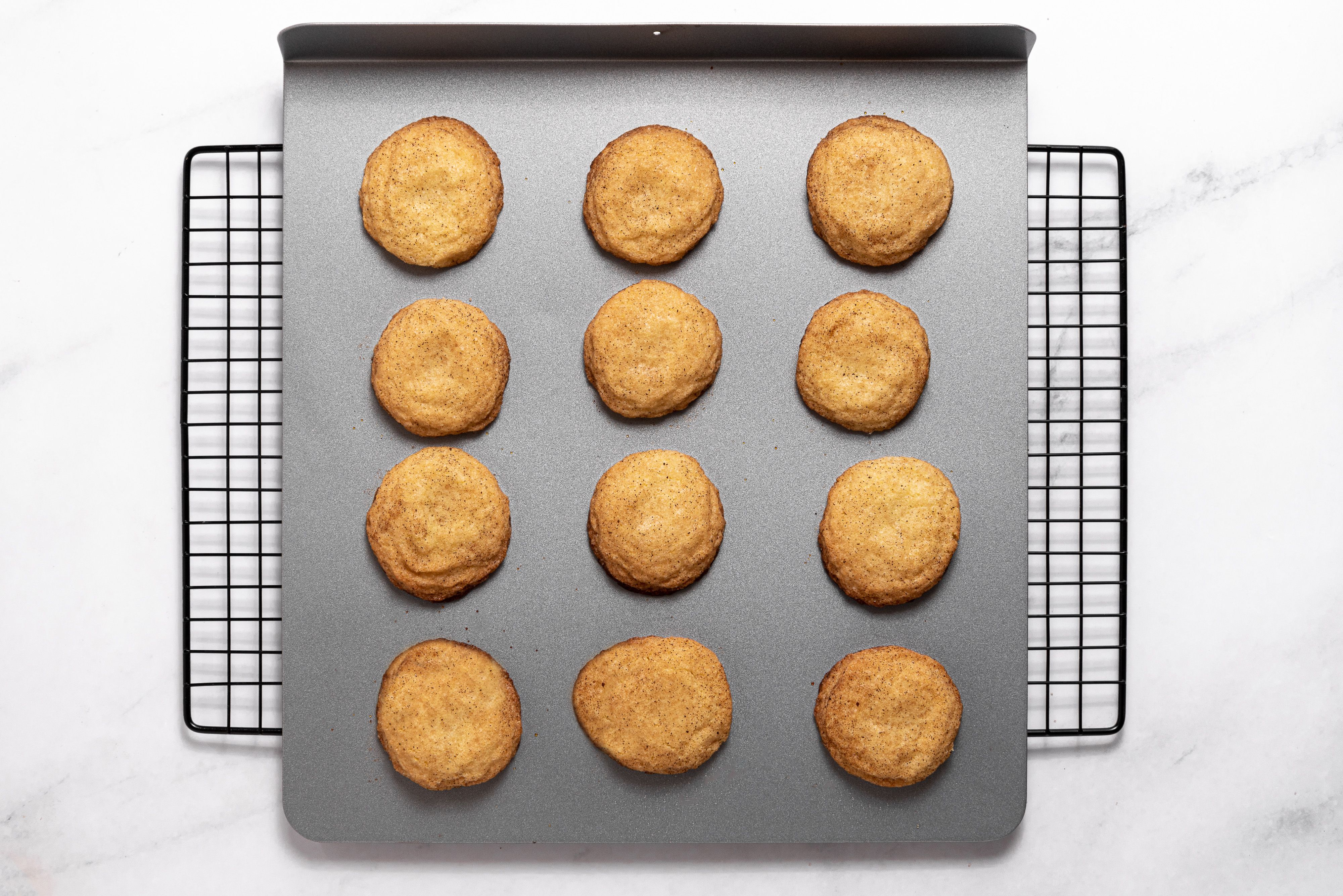
Yes, listen. Not in a mystical “the cookie will speak to your soul” way, although after enough cinnamon sugar, anything is possible. The trick is to watch for the usual signsset edges, puffed centers, pale tops that no longer look wetand then listen for a faint crackling or gentle sizzling sound. That tiny sound means moisture is still escaping as steam, the cookies are finishing their bake, and the centers will continue to set after the pan leaves the oven.
For snickerdoodles, this matters more than you might think. These cookies are supposed to be soft, chewy, slightly tangy, lightly crisp at the edge, and rolled in enough cinnamon sugar to make your kitchen smell like a holiday candle with better priorities. Bake them too long, and they become dry little cinnamon coasters. Pull them too early, and the centers may taste doughy instead of tender. The magic lives in the middle, and Mom’s faint-crackle test helps you catch it.
Why Snickerdoodles Are Sneakier Than They Look
At first glance, a snickerdoodle seems like a sugar cookie that put on a cinnamon jacket and went out feeling fancy. But a real snickerdoodle has its own personality. It is tangier, softer, puffier, and more aromatic than a basic sugar cookie, thanks largely to cream of tartar and baking soda. Cream of tartar adds that classic snickerdoodle tang and helps create the chewy texture people expect from this old-fashioned cookie.
The challenge is that snickerdoodles do not always brown dramatically. Chocolate chip cookies wave little golden flags at you. Oatmeal cookies look sturdy when they are done. Snickerdoodles are more subtle. Their cinnamon-sugar coating can make them appear darker than they actually are, while their soft centers can look underbaked even when they are minutes away from perfection.
That is why relying only on the timer can be risky. An oven that runs hot, a dark baking sheet, dough that is too warm, or cookies shaped slightly larger than usual can all change the bake time. A recipe might say 8 to 10 minutes, but your actual perfect snickerdoodle may be ready at 8 minutes and 30 secondsor may need a whisper more time. Baking is science, but it also has the dramatic timing of a school play.
Mom’s Secret: Listen for the Faint Crackle
The secret is not to wait until the cookies are silent. In fact, silence can be suspicious. When snickerdoodles are baking, the water in the dough turns into steam. Toward the end of baking, that steam escapes through tiny cracks in the surface. If you open the oven carefully and hear a faint crackling, sizzling, or whispery popping sound, the cookies are likely close to done.
The key word is faint. A loud sizzle means there may still be too much moisture rushing out, and the cookies probably need another minute. No sound at all, combined with dark edges and flat tops, may mean they have gone too far. The sweet spot is that gentle crackle paired with visual doneness signs. Think of it as the cookie saying, “I’m not raw, but please do not abandon me in this heat like a forgotten pizza roll.”
This trick works especially well for snickerdoodles because they puff, crack, and settle. When they come out of the oven, they may look slightly underdone in the center. That is normal. As they rest on the hot baking sheet, carryover heat continues to firm them up. The result is a cookie with tender centers and edges that are set but not hard.
The Visual Signs That Confirm Your Snickerdoodles Are Done
Mom’s listening trick is brilliant, but it should work with your eyes, not replace them. For the best snickerdoodle cookies, check these signs before pulling the pan:
1. The Edges Are Set
The outer rim should look dry and slightly firm. It does not need to be dark brown. In fact, deep browning usually means you are drifting toward crunchy territory. Look for edges that have structure and are just beginning to take on a golden color.
2. The Tops Look Dry, Not Shiny
Wet-looking dough reflects light. When the surface loses that shine, the cookie is setting. Snickerdoodles should look matte on top, with small cracks forming across the surface. Those cracks are not flaws; they are cookie dimples, and we support them.
3. The Centers Are Puffy and Soft
The center should still look soft, but not raw or glossy. A puffy center that gently settles as the cookie cools is exactly what you want. If the center collapses into a wet-looking dip, give the next batch a little longer.
4. The Bottoms Are Lightly Golden
If you are unsure, use a thin spatula to lift one cookie gently. The bottom should be lightly golden, not pale and sticky. Dark brown bottoms usually mean the baking sheet is too hot, the oven rack is too low, or the cookies stayed in too long.
Why Cream of Tartar Matters
Cream of tartar is the quiet hero of classic snickerdoodles. It is acidic, which means it reacts with baking soda to help the cookies rise. It also contributes to the signature tangy flavor that separates snickerdoodles from cinnamon-coated sugar cookies. Without it, the cookie can still be tasty, but it loses some of that old-school snickerdoodle charm.
Texture is another reason cream of tartar matters. It helps create a soft, chewy bite instead of a brittle one. That gentle chew is part of the whole experience: the cinnamon sugar hits first, then the tang, then the soft center. A good snickerdoodle should not fight your teeth. It should surrender gracefully.
Can you substitute baking powder? Technically, yes, because baking powder contains acid and leavening. But the flavor will be different. If you want the classic versionthe kind that tastes like it came from a family recipe card with butter smudges on the corneruse cream of tartar.
The Ideal Snickerdoodle Texture
A perfect snickerdoodle has three zones. The edge is lightly crisp, the middle is soft and chewy, and the top has those beautiful crackles dusted with cinnamon sugar. It should bend slightly when warm, firm up as it cools, and stay tender after storage.
If your snickerdoodles are crunchy all the way through, they were probably overbaked or too small. If they spread into thin pancakes, your butter may have been too warm, your dough may not have been chilled, or your flour measurement may have been light. If they are cakey and dry, there may be too much flour or they stayed in the oven too long.
The best approach is to bake one test cookie before committing the whole batch. This is not being fussy. This is being strategic. Also, it gives you a “quality control” cookie, which is a very serious culinary responsibility and not at all an excuse to eat one before everyone else.
How to Bake Snickerdoodles Like You Know What You Are Doing
Measure the Flour Correctly
Too much flour is the villain behind many dry cookies. Spoon flour into the measuring cup and level it off instead of scooping directly from the bag. Scooping packs the flour down and can add more than you need. If you have a kitchen scale, use it. Your cookies will thank you by not becoming cinnamon-scented hockey pucks.
Use Room-Temperature Butter
Butter should be soft enough to press gently, not melted or greasy. Properly softened butter creams with sugar to trap air, which helps the cookies bake up light and tender. Melted butter can make the dough spread too much unless the recipe is designed for it.
Chill the Dough When Needed
Chilling helps control spread and deepens flavor. Even 30 minutes can make a difference. If your kitchen is warm, chilling becomes especially helpful. Dough that feels sticky or loose should rest in the fridge before rolling.
Roll Generously in Cinnamon Sugar
The cinnamon-sugar coating is not decoration; it is part of the cookie’s identity. Roll each dough ball thoroughly so every bite has that warm, spiced sparkle. A common ratio is about one part cinnamon to four parts sugar, but you can adjust it depending on how bold you like the cinnamon flavor.
Give the Cookies Space
Snickerdoodles need room to puff and spread. Place them about two inches apart on the baking sheet. Crowded cookies can bake unevenly, and nobody wants one giant cookie island unless that was the plan all along.
A Practical Doneness Checklist
When your timer hits the low end of the suggested bake time, turn on the oven light and check the cookies. Do not fling the door open like you are entering a dramatic courtroom scene. A quick, careful check is enough.
- The cookies should look puffed and slightly cracked.
- The edges should be set and just beginning to turn golden.
- The tops should look matte, not shiny or wet.
- The centers should be soft but not glossy.
- You may hear a faint crackling or gentle sizzle.
If all five signs are present, pull the pan. Let the cookies rest on the baking sheet for 5 to 10 minutes, depending on size. This cooling time is not optional. It is when the cookies finish setting, the bottoms firm up, and the centers become chewy instead of raw.
Common Snickerdoodle Mistakes and How to Fix Them
My Cookies Are Too Hard
They were likely overbaked. Pull the next batch when the edges are only lightly golden and the centers still look soft. Remember, cookies continue to set after they leave the oven.
My Cookies Spread Too Much
Chill the dough longer, check that your butter was not too soft, and make sure you measured enough flour. A hot baking sheet can also cause spreading, so cool sheets between batches.
My Cookies Did Not Spread Enough
The dough may be too cold, or there may be too much flour. You can gently flatten each dough ball before baking if your recipe produces a thicker cookie.
My Snickerdoodles Taste Flat
Do not skip the salt, use fresh cinnamon, and include cream of tartar for the classic tang. Old spices lose strength, and old leaveners can make cookies dull and dense.
Why the Baking Sheet Matters
Your baking sheet can change everything. Light-colored aluminum sheets bake cookies evenly and reduce the risk of overly dark bottoms. Dark pans absorb more heat, which can brown the bottoms faster. If your cookies are burning underneath before the tops are done, move the rack higher or switch to a lighter pan.
Parchment paper also helps. It prevents sticking, makes cleanup easier, and creates a more consistent baking surface. Silicone mats can work too, though they may encourage slightly more spread in some recipes. The best choice is the one that gives you the texture you like after a test batch.
Serving and Storing Perfect Snickerdoodles
Snickerdoodles are best when they have cooled enough to hold together but are still a little warm. Serve them with coffee, milk, hot cocoa, or, if nobody is watching, directly over the sink while saying, “I’m just checking the texture.”
Store cooled cookies in an airtight container at room temperature. To help keep them soft, add a small piece of bread to the container. The cookies will absorb moisture from the bread, staying tender longer. Replace the bread when it becomes dry.
You can also freeze snickerdoodle dough balls. For best results, freeze the plain dough balls first, then roll them in cinnamon sugar just before baking. Bake from frozen, adding a minute or two as needed, and use the same doneness cues: set edges, matte tops, soft centers, and that faint crackle.
Extra Experience: What Baking Snickerdoodles Taught Me About Patience
The first time I tried to make snickerdoodles without help, I treated the timer like a royal decree. If the recipe said 10 minutes, I baked for exactly 10 minutes. Not 9 minutes and 45 seconds. Not 10 minutes and 20 seconds. Ten minutes. I was very proud of this precision until I tasted the cookies and realized I had manufactured cinnamon roofing shingles.
That was when Mom reminded me that recipes are guides, not handcuffs. Her oven ran a little cool. Mine ran hot. Her baking sheets were old and pale. Mine were thin and dark. Her kitchen was calm. Mine looked like a flour bag had sneezed. Of course the cookies behaved differently.
So I started paying attention. I learned that the first batch is often the teacher. If the cookies spread too much, the dough needs chilling. If the bottoms brown too fast, the rack needs moving. If the centers look wet after the edges are done, the dough balls may be too large. Every batch gives clues, provided you are not too busy panic-staring at the oven.
The listening trick changed the way I baked. It made me slow down and use more than one sense. I watched the tops turn from shiny to matte. I noticed how the edges set before the centers. I smelled the cinnamon shift from raw spice to warm toastiness. Then I listened for that tiny crackle. It was barely there, but once I noticed it, I could not unhear it.
There is something comforting about that. In a world full of exact measurements, digital timers, and recipe videos edited so smoothly that no one ever drops an egg shell into the bowl, a faint cookie crackle feels human. It says baking is not only about control. It is about attention.
Now, when I bake snickerdoodles, I still use a timer. I still measure carefully. I still preheat the oven properly and rotate the pan if one side browns faster than the other. But I also listen. When the cookies puff up and the cinnamon sugar looks dry, I open the oven just enough to hear what is happening. If there is a soft, quick crackle, I know they are close. If the edges are set too, out they come.
The reward is a cookie that tastes like memory but behaves like good technique. The edges have a delicate bite. The centers stay plush and chewy. The cinnamon sugar clings to the surface in sweet little sparkles. And after the cookies cool, they still have that tender middle that makes people reach for a second one before they have officially finished the first.
That is the real secret behind Mom’s method. It is not just the sound. It is the habit of paying attention. Perfect snickerdoodles are not born from one trick alone. They come from reading the dough, knowing your oven, trusting carryover heat, and pulling the cookies before they look completely finished. The faint crackle is simply the final nudge.
Conclusion: The Softest Snickerdoodles Start with Better Timing
Perfect snickerdoodles do not need complicated equipment, rare ingredients, or a dramatic speech delivered to the oven. They need good dough, fresh cinnamon, cream of tartar, careful baking, and a little patience. Most of all, they need to come out of the oven at the right moment.
Mom’s secretlistening for that faint crackling soundworks best when paired with visual cues. Look for set edges, matte tops, soft puffed centers, and lightly golden bottoms. Then trust the cooling time. The cookies will continue to firm up on the pan, giving you that classic soft and chewy texture instead of a dry, overbaked bite.
So the next time you bake snickerdoodles, do not just stare at the timer. Watch, listen, and let the cookies tell you when they are ready. They may not speak loudly, but with enough cinnamon sugar involved, they are absolutely worth hearing.