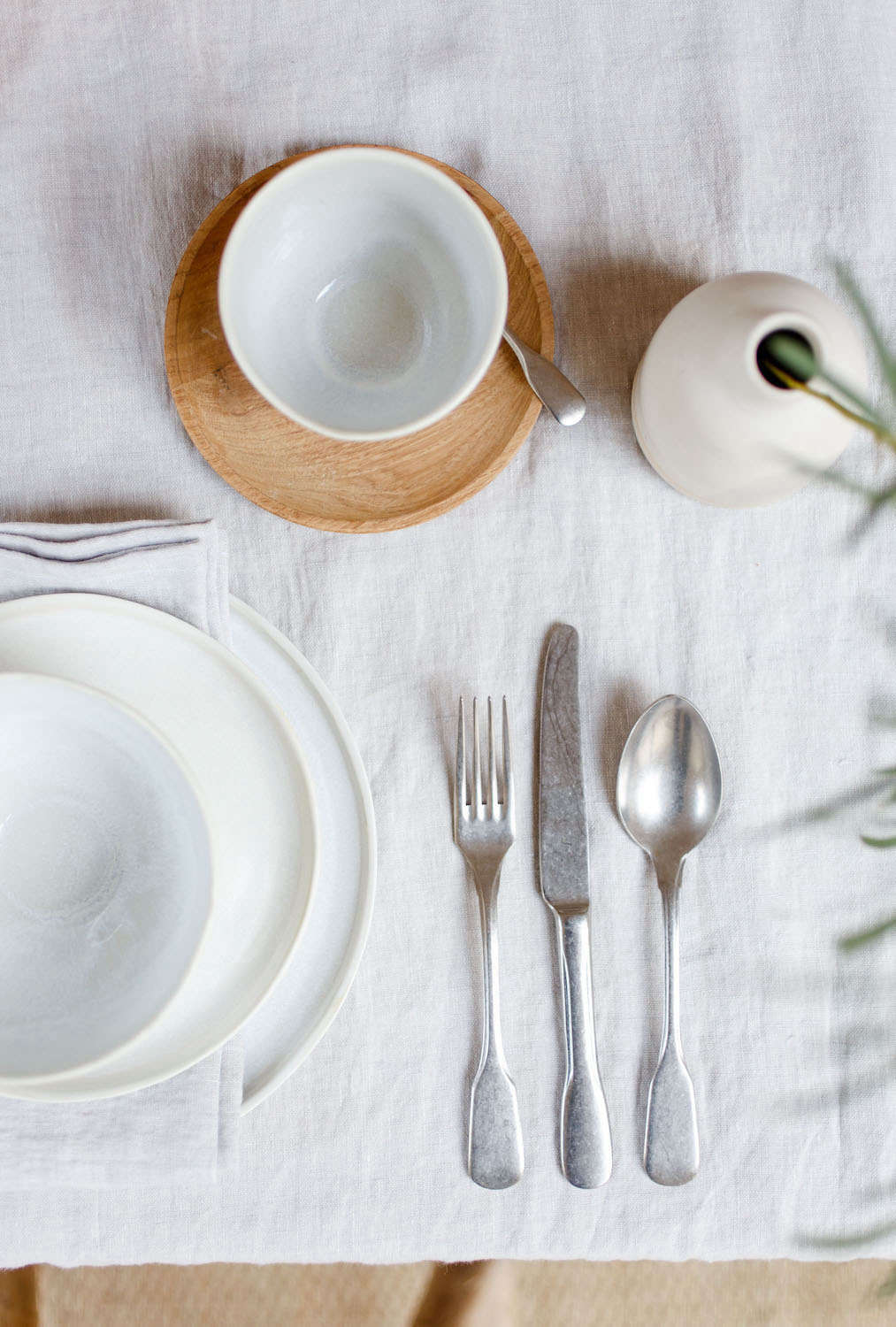

There is something suspiciously charming about flatware that arrives looking as though it has already attended decades of candlelit dinners, inherited a small villa in Tuscany, and developed strong opinions about olive oil. Pre-distressed flatware offers that romantic, collected-over-time appearance without requiring years of flea-market huntingor a mysterious great-aunt with an overfilled silver cabinet.
Also described as antiqued, tumbled, rumbled, weathered, vintage-finish, or pewter-look flatware, these utensils deliberately avoid the flawless shine of traditional polished silverware. Their surfaces may be softly brushed, darkened in the recesses, irregularly hammered, or gently abraded to create depth and character. The result feels relaxed but refined: attractive enough for a dinner party, practical enough for Tuesday-night pasta.
Better still, many of today’s affordable pre-distressed flatware sets are made from durable stainless steel rather than precious metal. That means you can achieve the appearance of a well-traveled European table without financing it like a European vacation.
What Is Pre-Distressed Flatware?
Pre-distressed flatware is new cutlery manufactured with a finish that imitates natural wear, age, handcraftsmanship, or patina. It is not damaged, defective, or previously used. The “distress” is an intentional decorative treatment applied during production.
Manufacturers use several techniques to create this appearance. Pieces may be tumbled with abrasive media to soften their shine, brushed to produce fine directional lines, darkened to emphasize engraved details, or hammered to introduce small variations across the handles. Some are given an antiqued pewter or aged-silver finish that reduces reflectivity and creates a warmer tone.
Lenox, for example, describes a rumbled finish as one intentionally distressed for a vintage or industrial appearance. Retailers including Pottery Barn, Crate & Barrel, and Williams Sonoma also offer tumbled, antiqued, brushed, hammered, and pewter-finish collections made for contemporary everyday use.
Distressed Is Not the Same as Tarnished
Tarnish is a chemical change that develops on metals such as silver after exposure to air, moisture, or certain substances. A distressed finish is created deliberately and should look reasonably consistent across the collection.
Natural tarnish can be polished away. A factory-applied antique finish should usually be preserved. Attacking it with aggressive metal polish may remove the darker detailing that made the flatware interesting in the first place. In other words, do not scrub away the personality you paid extra to acquire.
Why Designers Love the Lived-In Look
It Adds Texture Without Adding Clutter
A table does not need twelve decorative objects to feel layered. Sometimes the smallest functional pieces contribute the most atmosphere. Pre-distressed utensils create subtle texture around every plate, catching light softly rather than bouncing it across the dining room like a tiny mirrored emergency signal.
Vintage and silver-plated flatware have long been used to introduce texture and elegance alongside neutral dishes and simple textiles. The distressed stainless-steel alternative delivers a similar mood with fewer concerns about incomplete sets, polishing rituals, or whether the dessert fork was last seen during the Eisenhower administration.
It Makes a New Table Feel Collected
Perfectly coordinated interiors can occasionally feel more like showrooms than homes. A weathered finish breaks that perfection. It suggests history, even when the utensils arrived in a cardboard box three days ago.
This effect is especially useful in kitchens and dining rooms that combine old and new elements. Pre-distressed flatware can connect modern white plates with a farmhouse table, handmade pottery with contemporary glassware, or minimalist linens with traditional serving pieces. It behaves like a diplomatic translator between design periods.
Minor Wear Blends In More Gracefully
Highly polished flatware looks spectacular when new, but it may reveal fingerprints, water spots, and fine scratches more readily. Satin, rumbled, and tumbled surfaces are visually forgiving because small marks tend to disappear into the existing texture.
This does not make distressed flatware indestructible. It simply means ordinary use is less likely to trigger a household investigation into who scratched the teaspoons.
Popular Finishes Worth Knowing
Tumbled or Rumbled Stainless Steel
Tumbled flatware has a softened, low-gloss surface produced through controlled abrasion. The treatment rounds out the visual sharpness of new metal and creates the impression of pieces that have been handled for years.
This finish works beautifully in rustic, industrial, European farmhouse, coastal, and eclectic interiors. Because it is commonly applied to stainless steel, it can provide vintage character without demanding the maintenance associated with traditional silver.
Antiqued Silver or Pewter
An antiqued finish often combines lighter raised areas with darker grooves, edges, or decorative details. This contrast gives embossed patterns greater dimension. Pewter-look pieces tend to be warmer and grayer than bright stainless steel, creating a subdued Old World mood.
These styles pair naturally with linen napkins, stoneware plates, wooden boards, pressed glass, and muted ceramics. They can also make a simple grocery-store roast chicken look as if it arrived with its own family crest.
Hammered Flatware
Hammered handles feature small indentations that imitate traditional metalworking. Some patterns are deeply textured and rustic, while others use restrained dimpling that feels contemporary. The uneven surface reflects light in multiple directions, bringing sparkle to a table without the formality of an ornate silver pattern.
Hammered flatware is particularly versatile because it can lean rustic or glamorous depending on its shape. A broad, irregular handle looks handmade and earthy. A slender hammered handle with a polished head feels more tailored. Current collections frequently combine modern utensil shapes with traditional hammered surfaces, demonstrating how easily the finish bridges old and new aesthetics.
Brushed and Satin Finishes
Brushed flatware is not always marketed as distressed, but it offers much of the same relaxed appeal. Fine surface lines reduce glare and create a soft, matte appearance. Satin finishes are also useful for disguising fingerprints and everyday scratches, making them an excellent choice for families and frequent entertainers.
Darkened Gold, Bronze, and Gunmetal
Pre-distressed style is no longer limited to silver tones. Brushed gold, aged brass, bronze, and gunmetal finishes create a moodier table. These colored surfaces are often applied to stainless steel through plating or physical vapor deposition, commonly called PVD.
Colored flatware can be durable, but care instructions vary. A set advertised as dishwasher safe should still be loaded carefully to reduce contact between pieces. Hand washing may be recommended for some coated or plated collections, especially when preserving color is more important than winning a race against the dirty dishes.
How to Choose Affordable Distressed Flatware
Start With the Stainless-Steel Grade
The numbers 18/10, 18/8, and 18/0 refer to the approximate percentages of chromium and nickel in stainless-steel flatware. Chromium contributes corrosion resistance, while nickel helps produce a softer silver-colored luster. An 18/10 alloy contains approximately 18 percent chromium and 10 percent nickel; 18/0 contains chromium but essentially no nickel.
For a primary everyday set, 18/10 stainless steel is often a strong choice because it generally combines attractive color, corrosion resistance, and durability. However, well-made 18/0 flatware may offer excellent value for casual use. Material grade matters, but it should not be treated as the only measure of quality.
Judge Weight and Balance in Your Hand
Flatware is tactile. A beautiful fork that feels like a garden stake will not become more enjoyable over time. When possible, hold a sample place setting before purchasing a large collection.
Check whether the handle feels stable rather than tail-heavy, whether the fork tines are comfortable, whether the spoon bowl fits naturally in your mouth, and whether the knife can cut ordinary foods without requiring theatrical effort. Independent flatware testing consistently emphasizes balance, handle thickness, practical proportions, and comfort alongside visual design.
Compare Forged and Stamped Construction
Forged flatware is shaped from a thicker piece of metal and often feels heavier and more substantial. Stamped flatware is cut from sheets of metal and is generally lighter and less expensive. Neither category automatically guarantees comfort or longevity, but the difference can explain why two visually similar sets feel completely different.
A good affordable purchase is not necessarily the heaviest option. It is the set whose proportions, finish, durability, and price make sense for the way you eat. A family that uses flatware three times a day may value sturdy construction. A household furnishing a guest apartment may prefer a lighter, budget-friendly set.
Look Closely at the Finish
A convincing distressed treatment should appear intentional rather than careless. Check product photographs for consistency across forks, spoons, and knives. Read the description carefully: “antiqued,” “tumbled,” “brushed,” “satin,” and “hammered” produce different visual effects.
Also confirm whether the treatment covers the entire utensil or only the handle. Some collections combine matte handles with polished eating surfaces, providing texture without sacrificing a smooth feel where the utensil touches food.
Buy the Right Number of Pieces
A standard five-piece place setting usually includes a dinner fork, salad fork, dinner knife, tablespoon or soup spoon, and teaspoon. A 20-piece set typically serves four people. Larger collections may include service for eight or twelve plus serving utensils.
Do not automatically buy the largest box. Consider how many people you regularly serve, how often you run the dishwasher, and how many teaspoons disappear into offices, lunch bags, and unexplained alternate dimensions.
Check Replacement Availability
Before committing to an unusual pattern, find out whether pieces can be purchased individually. A replaceable teaspoon is more practical than a limited-edition teaspoon whose disappearance turns the remaining nineteen pieces into a permanent memorial.
Long-running patterns may also offer matching steak knives, serving spoons, salad servers, butter knives, or specialty utensils. This allows you to build a collection gradually rather than buying every possible piece at once.
How to Style Pre-Distressed Flatware
With White Dinnerware
White plates create the cleanest background for textured flatware. The contrast highlights hammered marks, darkened edges, and brushed surfaces. Add natural linen napkins and clear glassware for a table that feels simple, warm, and quietly expensive.
With Handmade Pottery
Organic stoneware and pre-distressed utensils share a useful imperfection. Pair gray or antiqued silver flatware with speckled ceramic plates, shallow pasta bowls, and serving dishes with irregular rims. Keep the color palette controlled so the textures remain intentional rather than chaotic.
With Modern Black or Charcoal Plates
Aged silver and pewter finishes look dramatic against dark dinnerware. The combination works particularly well for autumn dinners, holiday tables, and evening entertaining. Introduce candles, smoked glass, or one warm metallic accent to prevent the setting from becoming too severe.
With Floral or Traditional China
Pre-distressed flatware can make inherited or vintage-style china feel less formal. The aged surface supports traditional patterns while softening their ceremonial quality. Instead of looking like a table that requires written permission to sit down, the setting becomes welcoming and usable.
Mixed With Other Flatware
Mixing patterns can create a collected table, but give the combination a rule. Use one finish across different handle shapes, repeat a common metal color, or limit the mix to two compatible patterns. Randomness is charming only when it looks suspiciously well edited.
Care Tips That Protect the Finish
Always follow the manufacturer’s instructions, particularly for plated, colored, or chemically antiqued finishes. Some stainless-steel collections are fully dishwasher safe, while others are labeled for hand washing.
Rinse or wash utensils soon after meals. Salt, acidic foods, oils, and food residue should not remain on the surface for long periods. Avoid overnight soaking, which can contribute to staining or pitting, especially in hard water. Manufacturers also recommend preventing knife blades from rubbing against other utensils and avoiding abrasive pads or gritty cleansers.
If using a dishwasher, avoid overcrowding the utensil basket. Separate stainless steel from silver-plated pieces when recommended, and remove flatware after the cycle so moisture is not trapped against the surface. Drying promptly can help reduce mineral spots.
Do not use silver dip or aggressive polishing compounds unless the manufacturer specifically approves them. Those products are designed to remove tarnish and may alter an intentional antique treatment. Gentle dish soap, warm water, and a soft cloth are the safer default.
Is Pre-Distressed Flatware Right for Every Table?
Not necessarily. People who love extremely crisp minimalism may prefer smooth satin or polished mirror flatware. A highly decorative distressed pattern can also compete with elaborate china, heavily patterned linens, and ornate glassware.
Texture can sometimes affect comfort. Deep hammering, sharp decorative edges, or rough seams may feel unpleasant in the hand. Colored coatings may require more attentive care than unfinished stainless steel. And because “vintage finish” is interpreted differently by every manufacturer, online photographs do not always reveal how dark, matte, or irregular a set will appear in person.
For that reason, inspect return policies and order one place setting before purchasing service for twelve. A trial fork can prevent a surprisingly expensive long-term relationship with utensils you secretly dislike.
Experience Notes: Living With Pre-Distressed Flatware
The first noticeable benefit of pre-distressed flatware is not visual. It is psychological. With a mirror-polished set, the discovery of the first scratch can feel strangely personal. You know the flatware is a household tool, yet some part of your brain behaves as if a new car has been keyed in the driveway.
A tumbled or brushed set removes much of that anxiety. It looks relaxed from day one, so ordinary use does not feel like gradual destruction. The forks can go into the dishwasher. The spoons can stir coffee. A dinner knife can encounter a stubborn grilled cheese sandwich without anyone gasping.
That relaxed quality changes how often the flatware is used. Pieces that initially seem suitable for entertaining quickly become everyday favorites. A bowl of cereal feels slightly more considered. Takeout eaten from real plates looks less like surrender. Even a desk lunch becomes more civilized when the fork has enough weight and texture to feel intentional.
Pre-distressed flatware is also surprisingly adaptable. On a bare wooden table with rumpled linen, it looks rustic. Beside simple white porcelain, it appears restrained and contemporary. Add floral china and candlelight, and the same utensils suddenly seem inherited. Few affordable tabletop upgrades can move between styles so easily.
The most important lesson, however, is that appearance cannot compensate for poor proportions. One inexpensive set may look spectacular in photographs but have shallow spoons, blunt fork tines, or knives that feel too heavy at the handle. Another modestly priced collection may have a less dramatic finish but perform beautifully at every meal.
Testing a single place setting is therefore worth the inconvenience. Use it for soup, salad, pasta, steak, dessert, and whatever breakfast food is available when your standards are lowest. Notice whether the teaspoon fits inside your favorite mug. Check whether the knife rests comfortably against your index finger. Make sure the fork picks up food rather than merely negotiating with it.
Care habits also become clearer through experience. Matte surfaces may hide fingerprints, but they can still show hard-water deposits. Dark finishes can look wonderfully moody until utensils are left wet in a crowded dishwasher basket. Prompt rinsing and drying require little effort and make a visible difference.
Another practical discovery is that extra teaspoons are not excessive. They are an infrastructure investment. Teaspoons migrate toward yogurt containers, coffee cups, lunch boxes, and kitchen counters with remarkable efficiency. When ordering a set that will be used daily, purchasing several spare small spoons can be more valuable than adding a specialized serving utensil destined to appear twice a year.
Finally, pre-distressed flatware gives permission to loosen the rest of the table. Napkins do not need to match perfectly. Plates can come from different collections. Flowers can sit in an old jar rather than an official centerpiece vessel. The utensils establish a visual story in which variation looks natural.
That may be the real object of desire: not simply flatware that looks old, but a table that feels comfortable, personal, and already full of memorieseven before everyone sits down.
Conclusion: Everyday Character Without the Heirloom Price
Artful pre-distressed flatware proves that practical tableware does not need to be anonymous. Tumbled surfaces, antiqued details, hammered handles, brushed finishes, and pewter-inspired tones can add warmth and history to even the simplest meal.
The best affordable set will balance appearance with material quality, comfortable proportions, sensible care requirements, and the ability to replace individual pieces. Focus on how the utensils feel as much as how they photograph. Choose a finish that complements your dinnerware rather than competing with it, and follow the maker’s care instructions to preserve the intended patina.
You may not inherit a chest of antique silver from an eccentric relative. Fortunately, you can still set a table that suggests you didand nobody needs to know the forks arrived with free shipping.