
Editorial note: This hands-on style review is for educational content only. Insulin pump settings, insulin choices, backup plans, and troubleshooting should always be handled with a licensed diabetes care team. Diabetes technology is wonderful, but it is not a “set it and forget it” toaster.
Introduction: A Pump Without the Spaghetti
The Omnipod DASH tubeless insulin pump is designed for people who want continuous insulin delivery without tubing, belt clips, dangling infusion sets, or the awkward experience of catching a pump line on a doorknob and briefly questioning every life decision. Made by Insulet, the Omnipod DASH System uses a small wearable Pod that sticks directly to the skin and delivers rapid-acting U-100 insulin for up to 72 hours. Instead of buttons on the pump itself, users control dosing through a touchscreen Personal Diabetes Manager, commonly called the PDM.
In a diabetes technology world increasingly filled with automated insulin delivery systems, the DASH occupies an interesting middle ground. It is modern, discreet, pharmacy-friendly, and tube-free, but it is not a fully automated closed-loop system. It does not automatically adjust insulin based on continuous glucose monitor readings the way Omnipod 5 or other hybrid closed-loop systems can. For some users, that is a drawback. For others, it is a simpler, more predictable way to move from multiple daily injections or a traditional tubed pump to a wearable patch pump.
This Omnipod DASH hands-on review looks at how the system feels in real life: setup, wearability, bolusing, pod changes, sleeping, showering, adhesive performance, safety considerations, cost realities, and whether it still makes sense in a market full of smarter pumps. The short answer: DASH is not the flashiest kid in the diabetes tech cafeteria, but it remains a practical, low-profile insulin delivery option for many people who want freedom from tubes.
What Is the Omnipod DASH System?
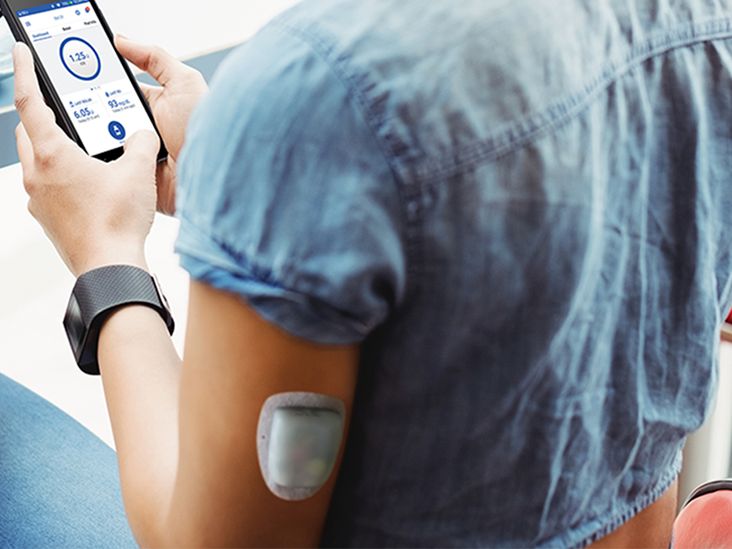
The Omnipod DASH is a tubeless insulin management system made up of two main parts: the disposable Pod and the handheld PDM. The Pod is the small adhesive patch pump worn on the body. It contains the insulin reservoir, insertion mechanism, cannula, battery, and delivery system. Once activated, it delivers basal insulin continuously and allows bolus doses for meals or correction through wireless communication with the PDM.
The Pod can be worn on many common injection areas, such as the abdomen, back of the arm, thigh, lower back, or buttocks, depending on personal comfort and clinician guidance. Each Pod is intended for up to three days of use and can hold up to 200 units of rapid-acting U-100 insulin. After the wear period ends, the user deactivates the old Pod, removes it, fills a new one, and starts again. It is a simple cycle, though “simple” still includes diabetes math, adhesive negotiation, and the occasional beep that sounds like it has urgent gossip.
The Pod
The Pod is the heart of the DASH experience. It is small enough to hide under most clothing, yet large enough that you know it is there. It delivers both basal and bolus insulin and uses automated cannula insertion, meaning the user does not manually insert an infusion set. For many people, that is one of the most underrated benefits. You press a button, the cannula inserts quickly, and the needle disappears from the visible drama department.
The PDM
The DASH PDM looks more like a locked-down smartphone than an old medical gadget. It has a touchscreen interface, stores pump settings, calculates bolus suggestions when programmed correctly, and communicates with the Pod wirelessly. The PDM is required to deliver a bolus, change basal programs, suspend insulin, or activate a new Pod. Basal delivery continues from the Pod once programmed, but if the PDM is lost or dead, the user cannot command new doses until the issue is resolved. Translation: keep it charged, keep it nearby, and do not let it vanish into the couch dimension.
Hands-on Setup: Easier Than a Tubed Pump, Still Not Casual
Setting up the Omnipod DASH feels less intimidating than starting many traditional tubed insulin pumps, but it still requires proper training. The PDM must be programmed with basal rates, insulin-to-carb ratios, correction factors, target glucose ranges, insulin action time, maximum bolus limits, and other safety settings. These are not numbers to invent while drinking coffee and feeling optimistic. They should come from a clinician-approved plan.
Once the settings are ready, starting a Pod is fairly straightforward. You fill the Pod with insulin using the supplied syringe, wait for the system to confirm priming, place the Pod on clean dry skin, and use the PDM to begin insertion. The automated insertion is quick and surprisingly anticlimactic, which is a compliment. Good medical technology should be a little boring when it works.
The first few Pod changes may feel fussy. You may wonder whether the adhesive is smooth enough, whether the site is placed correctly, whether the cannula inserted properly, and whether your shirt will rub against it. After a few rounds, the routine becomes familiar: fill, stick, start, check, move on with your life. The process is not magic, but it is less equipment-heavy than tubing, reservoirs, infusion sets, and pump clips.
Design and Comfort: Small, Discreet, and Occasionally Bumpy
The biggest selling point of the Omnipod DASH insulin pump is obvious the moment you put it on: there is no tubing. No line under your shirt. No pump clipped to your waistband. No bedtime cable management. No accidental tug when changing clothes. For people who hate tubes, play sports, have young children, work active jobs, or simply dislike wearing visible medical hardware, this is a major lifestyle upgrade.
That said, tubeless does not mean invisible. The Pod creates a raised bump under fitted clothing, especially on leaner body areas. Some users barely notice it after a day; others remain aware of it, especially when sleeping on a Pod site or wearing tighter clothing. Placement matters. The arm may be convenient and discreet, but it can bump into doorframes. The abdomen may be easy to access, but waistbands can interfere. The thigh may work well until jeans decide to become the villain.
Comfort is generally good once the Pod is in place. The cannula insertion is fast, and many users report little pain beyond a brief pinch. The adhesive can hold up well through normal daily activity, showers, and workouts, but skin type, sweat, humidity, body hair, and motion all affect performance. Some people use extra adhesive patches, skin prep, or barrier wipes to improve wear time and reduce irritation.
Daily Use: Bolusing, Basal Insulin, and Diabetes Math With a Nicer Interface
In daily use, the DASH feels like a practical manual insulin pump. Basal insulin runs in the background according to programmed rates. For meals, snacks, and corrections, the user enters glucose and carbohydrate information into the PDM, reviews the recommended bolus, and confirms delivery. The system can calculate insulin on board, which helps reduce stacking insulin too aggressively. That feature alone can be a quiet hero for people who tend to correct a high, then correct the correction, then discover that gravity applies to glucose too.
The touchscreen interface is easier to navigate than many older pump menus. Still, it is not quite as seamless as using a modern smartphone app. The PDM is dedicated to the system and does not function like a regular personal phone. That can feel slightly outdated, especially for users who dream of controlling everything from one device. However, a dedicated controller also reduces the risk of random phone distractions interfering with diabetes tasks.
The PDM must be within communication range for bolus delivery and settings changes. In real life, that means you need to remember it when leaving the house. Forgetting the PDM is not like forgetting earbuds; you cannot simply “vibe through it.” Without the controller, basal insulin continues, but meal boluses and corrections become a problem. Users should have a backup plan, including rapid-acting insulin pens or syringes if recommended by their care team.
Water, Workouts, and Real-life Movement
The Pod is rated for water exposure, which is one of the major advantages of Omnipod therapy. Users can typically shower or swim with the Pod attached, while remembering that the PDM itself is not waterproof. This is a very important distinction. The Pod may be ready for pool day; the PDM is more of a “dry towel and emotional support” device.
For workouts, the tubeless design shines. Running, cycling, yoga, strength training, and team sports are easier without a tube and external pump bouncing around. The main challenges are adhesive security and site placement. A Pod on the arm may be great for daily wear but annoying during contact sports. A Pod on the abdomen may be comfortable until core exercises press against it. A Pod on the thigh may work beautifully unless tight compression wear tries to peel it off like a sticker on a laptop.
Active users may need to test different sites and adhesive strategies. Skin prep, overpatches, and rotating sites can make a big difference. As with any insulin pump, exercise planning also includes glucose monitoring, temporary basal strategies if prescribed, carbohydrate timing, and awareness of delayed lows. The DASH gives useful flexibility, but it does not remove the need for diabetes decision-making.
Omnipod DASH vs. Omnipod 5: Know the Difference
One common point of confusion is the difference between Omnipod DASH and Omnipod 5. Both are tubeless systems from Insulet. Both use wearable Pods. Both are designed for insulin delivery without traditional tubing. But they are not the same system.
Omnipod DASH is a manual insulin pump system. It can be used alongside a CGM, but it does not automatically adjust insulin based on CGM readings. The user still makes dosing decisions through the PDM. Omnipod 5, on the other hand, is an automated insulin delivery system that can integrate with compatible CGMs and adjust insulin using an algorithm. For people who want automation and compatible sensor integration, Omnipod 5 may be more appealing. For people who want a simpler tubeless pump, lower technological complexity, or a system covered differently by insurance, DASH may still be worth considering.
Pros of the Omnipod DASH
1. Truly Tubeless Design
No tubing is the headline feature, and it matters. The DASH reduces snagging, disconnecting, visible pump hardware, and the mental load of carrying a separate pump body. For many users, that freedom is the reason to choose Omnipod in the first place.
2. Automated Cannula Insertion
The automated insertion process can make pump starts feel less intimidating, especially for people nervous about needles. You do not see the insertion needle during normal use, and the process is quick.
3. Up to 72 Hours of Insulin Delivery
Each Pod can provide continuous insulin delivery for up to three days, reducing the number of site changes compared with daily injections. It also encourages regular site rotation, which may help reduce overuse of favorite injection spots.
4. Pharmacy Access
Many users access DASH Pods through the pharmacy benefit rather than the traditional durable medical equipment route. Coverage varies widely, but pharmacy availability can simplify refills and reduce the old pump-purchase feeling of being locked into one device for years.
5. Discreet Dosing
Because the Pod delivers insulin wirelessly after commands from the PDM, bolusing can be more discreet than using pens, syringes, or a visible tubed pump. You still need to use the PDM, but you do not need to expose an infusion site or pull a pump from under clothing.
Cons of the Omnipod DASH
1. It Is Not Automated Insulin Delivery
DASH does not automatically increase, decrease, or suspend insulin based on CGM data. Users who want algorithm-driven support may prefer Omnipod 5 or another automated insulin delivery system.
2. PDM Dependency
The PDM is essential. Lose it, forget it, or let the battery die, and you lose the ability to bolus or change settings until the controller is available again. This is manageable, but it requires habits.
3. Pod Size and Adhesive Issues
The Pod is discreet but not invisible. Adhesive can irritate sensitive skin or loosen with sweat, friction, or water. Some users need extra supplies to keep Pods secure.
4. Insulin Capacity Limits
The Pod can hold up to 200 units. People with higher daily insulin needs may use up a Pod before the full wear period ends, which can increase supply use and cost.
5. Waste and Beeping
Each Pod is disposable, which creates more waste than reusable pump hardware. The system also uses alarms and reminders, which are helpful until they happen at a socially dramatic moment. Nothing says “mystery has entered the room” like a medical device beeping during a quiet meeting.
Safety and Reliability: What Users Should Watch
Like all insulin pumps, DASH uses rapid-acting insulin. If delivery is interrupted, blood glucose can rise quickly, and prolonged insulin interruption may increase the risk of diabetic ketoacidosis. Users should know how to respond to unexplained highs, suspected Pod failure, site irritation, occlusion alarms, leaking insulin smell, or wetness around a site. A backup insulin plan is not optional; it is the parachute you hope not to need.
Users should also stay current on product notices and lot-specific medical device corrections. Insulin pump technology is highly regulated, but real-world manufacturing and safety updates can occur. Anyone using Omnipod Pods should periodically check official Omnipod and FDA safety communications, especially if glucose levels rise unexpectedly and do not respond as usual.
Cost and Insurance: The Part Nobody Reviews for Fun
Cost is one of the most variable parts of the Omnipod DASH experience. Because many plans cover Pods through the pharmacy benefit, some users find access easier than with traditional pumps. Others face high copays, deductibles, prior authorizations, or formulary barriers. The PDM may be provided with the first prescription in many cases, but ongoing Pod costs are the main expense.
Before switching, users should ask their insurance plan about monthly Pod costs, quantity limits, pharmacy network rules, prior authorization requirements, and whether insulin is billed separately. It is also worth asking the diabetes care team whether a free trial, savings program, or alternative pump option is available. The best insulin pump is not just the one with great features; it is the one you can actually afford and reliably refill.
Who Is the Omnipod DASH Best For?
The Omnipod DASH is a strong fit for people who want a tubeless insulin pump, prefer a discreet wearable device, dislike traditional infusion-set tubing, and are comfortable managing insulin manually. It may work especially well for active adults, teens, children with caregiver support, swimmers, people transitioning from multiple daily injections, and anyone who wants pump therapy without wearing a separate pump body.
It may be less ideal for users who want automated insulin delivery, need very high insulin volumes, frequently misplace devices, have significant adhesive allergies, or prefer controlling diabetes tech from a smartphone. It also requires consistent glucose monitoring and active diabetes decision-making. DASH gives flexibility, not autopilot.
Hands-on Verdict: A Practical Patch Pump With Real Personality
The Omnipod DASH feels like a well-designed bridge between injection therapy and the newest generation of automated diabetes systems. Its greatest strength is lifestyle freedom. No tubes means fewer clothing compromises, easier movement, simpler sleep positioning, and less visible equipment. The Pod change process is clean once learned, the automated insertion is user-friendly, and the PDM interface is approachable compared with older pump menus.
The biggest limitation is that DASH is not automated. In 2026, that matters. Many users now expect CGM-connected insulin systems that reduce lows, respond to highs, and lighten the mental workload. DASH does not do that. It is a manual pump with modern packaging, not an artificial pancreas. Whether that is a problem depends on the user. Some people want the intelligence of an algorithm. Others want reliable tubeless insulin delivery without adding another layer of automation.
Overall, the Omnipod DASH earns a solid recommendation for the right person: someone who values tubeless wear, wants flexible insulin delivery, can manage manual dosing, and has coverage that makes the monthly Pod supply realistic. It is not perfect, but it solves one very real problem beautifully: it removes the tube from pump therapy. For many people with diabetes, that alone is not a small upgrade. It is the difference between wearing a device and living with one.
Extended Real-world Experience Notes: Living With Omnipod DASH Day to Day
After reviewing the Omnipod DASH from a practical, hands-on perspective, the most important takeaway is that the system changes the texture of daily diabetes management. That may sound dramatic for a device that looks like a small white pod, but wearability matters. Diabetes already demands attention during meals, exercise, sleep, illness, travel, stress, and random Tuesdays. Any device that reduces friction in those moments can feel bigger than its spec sheet.
A typical morning with DASH starts with checking glucose, deciding on breakfast insulin, and using the PDM to calculate and deliver a bolus. Compared with injections, this can feel smoother because the insulin is already loaded in the Pod. There is no pen cap, no needle attachment, no public injection decision, and no tiny internal debate about whether the restaurant table is clean enough. You still count carbs and make judgment calls, but the physical process is more discreet.
At work or school, the tubeless design becomes even more useful. Sitting, standing, walking, carrying a backpack, or moving between meetings feels normal. There is no pump clipped to a pocket and no tubing to tuck into clothing. The trade-off is remembering the PDM. A user who develops a routine, such as keeping it with a phone, glucose meter, or diabetes bag, will have a much better experience than someone who treats it like a TV remote with medical consequences.
Meal dosing feels modern enough, though not futuristic. The bolus calculator is helpful when settings are accurate, and insulin-on-board tracking can prevent overcorrection. However, users still need to think. Pizza, high-fat meals, surprise desserts, delayed digestion, and exercise after lunch remain complicated because human metabolism did not consult the user manual. The DASH gives tools, not clairvoyance.
Sleeping with the Pod is usually comfortable after site experimentation. Some placements are better than others. A back-of-arm site may be excellent during the day but annoying for side sleepers. An abdomen site may be easier to protect at night but more likely to catch on waistbands. The learning curve is personal, and the first week is best treated as a site-mapping adventure. A little patience helps.
Travel is another area where DASH feels convenient. Pods are small, self-contained, and easy to pack. Users still need extra supplies, insulin, backup injection tools, chargers, glucose treatment, and documentation for airport security when needed. But not having a tubed pump can make airport lines, hotel showers, beach days, and long walks less cumbersome. The Pod simply stays on and does its job, which is exactly what good wearable technology should do.
The emotional experience is worth mentioning. For some people, switching to a tubeless patch pump feels liberating. For others, wearing a visible Pod can feel like a new form of body awareness. Both reactions are valid. The best approach is to test sites, wear clothing normally, exercise carefully at first, and give the brain time to stop treating the Pod like a mysterious guest star. Eventually, many users report that it becomes background noise, which is high praise in diabetes care.
The Omnipod DASH is not the newest automated option, and it will not make diabetes effortless. But it can make insulin delivery feel less intrusive. It removes tubes, simplifies movement, and offers flexible pump therapy in a package that fits real life better than many older systems. That is its charm: not perfect, not magical, but genuinely useful. In diabetes technology, “genuinely useful” is a very good review.
Conclusion
The Omnipod DASH Tubeless Insulin Pump remains a compelling choice for people who want reliable pump therapy without tubing. Its wearable Pod, touchscreen PDM, automated cannula insertion, waterproof Pod design, and pharmacy-based access make it practical and approachable. It is especially attractive for active users, children and caregivers, people tired of injections, and anyone who wants a more discreet insulin delivery system.
Its limitations are equally clear. DASH is not an automated insulin delivery system, the PDM must be kept nearby and charged, adhesive performance varies, and ongoing Pod costs depend heavily on insurance coverage. Users also need training, backup insulin, and a plan for unexplained high blood glucose. In other words, it is a strong tool, not a robot pancreas wearing a cape.
For the right user, the DASH delivers what it promises: tube-free insulin delivery with enough flexibility to make everyday diabetes management feel a little less tangled. And sometimes, less tangled is exactly the upgrade people need.