
There are old houses, and then there are old houses that look at you like they know exactly what you did to that “temporary” peel-and-stick backsplash in 2018. A 1915 Craftsman in Altadena, California, belongs to the second group. It is not merely a house; it is a personality with rafters, wainscoting, leaded glass, stubborn plumbing, and enough period charm to make a modern drywall box feel like it forgot to bring a soul.
Refreshing a 1915 Craftsman in Altadena, CA, is not about marching in with a sledgehammer and a trending color palette. It is about listening first. The best renovation of a historic Craftsman home respects what time has already done well: generous woodwork, honest materials, broad eaves, shaded porches, practical floor plans, and a deep relationship with the landscape. Then it adds what modern family life needs: safe wiring, reliable plumbing, insulation, air conditioning, better bathrooms, smarter storage, and a kitchen that does not require Olympic-level choreography to make pancakes.
This Altadena renovation shows how a century-old home can become brighter, more comfortable, and more playful without losing its architectural backbone. The lesson is simple: preserve the character, upgrade the function, and never underestimate how much drama a bad faucet can add to move-in day.
Why a 1915 Craftsman in Altadena Matters
Altadena sits just north of Pasadena, tucked against the San Gabriel Mountains, where sunlight, foothill air, and early 20th-century architecture have long made a persuasive case for staying home. The area is known for its architectural mix, including Craftsman bungalows, Spanish Revival homes, grand estates, and mid-century residences. In this setting, a 1915 Craftsman is more than a pretty old house. It is part of a regional design story shaped by the Arts and Crafts movement and Southern California’s love of indoor-outdoor living.
The Craftsman style grew from a reaction against over-decorated Victorian design and industrial sameness. Instead of pretending a house was a wedding cake with windows, Craftsman architecture celebrated structure, material, handwork, and nature. Wide eaves, exposed rafters, bracketed rooflines, heavy porch supports, built-ins, wood trim, and leaded glass were not random decoration. They were the design language of usefulness, warmth, and craft.
By 1915, Craftsman homes were already a defining feature of Pasadena and nearby communities. The influence of Greene and Greene, whose Gamble House remains one of America’s great Arts and Crafts landmarks, helped make the region a national reference point for the style. Even more modest homes borrowed the movement’s vocabulary: sheltering roofs, honest wood, cozy porches, and a sense that the house should settle into its site rather than shout at the neighborhood.
The Starting Point: Great Bones, Old-House Surprises
The featured Altadena Craftsman had what old-house people lovingly call “good bones,” which usually means two things: the structure is solid, and the house still has enough original detail to make you forgive everything else. This home included broad bracketed eaves, stucco walls, iron balconies, pergolas, oak wainscoting, crown molding, built-ins, and a large leaded-glass stair window that brought light into the interior. In other words, the house had charm in bulk.
But charm does not fix knob-and-tube wiring. Charm does not heat bathwater. Charm does not insulate an attic or cool a downstairs room in a Southern California summer. The renovation began where any responsible historic home refresh should begin: with the unglamorous systems. Electrical upgrades, plumbing repairs, attic insulation, central air conditioning, plaster repair, and floor refinishing may not make the most dramatic social media reveal, but they are the difference between “historic character” and “why does the wall smell nervous?”
This is one of the most important lessons for anyone remodeling a 1915 Craftsman home: the invisible work matters first. A beautiful kitchen is less exciting if the wiring behind it belongs in a museum exhibit titled “Absolutely Not.” Before paint colors, tile samples, or cabinet hardware, a historic home needs a serious review of structure, electrical capacity, plumbing, roofing, drainage, insulation, windows, and safety.
Respecting Craftsman Character Without Living in a Time Capsule
A common mistake in old-house renovation is assuming preservation means freezing the home in place. But a house is not a museum unless it sells tickets and has a docent named Carol. A family home needs to work. The goal is not to erase the past or worship it so intensely that nobody can sit on the sofa. The goal is balance.
In this Altadena Craftsman, the refresh kept the soul of the home while lightening the mood. Dark oak casings remained in key rooms, maintaining warmth and visual depth. At the same time, selected moldings, mantels, built-ins, risers, and balusters were painted white to brighten spaces that might otherwise feel heavy. This approach works because it does not flatten everything into one modern finish. It creates contrast: natural wood where it matters most, fresh paint where lightness improves daily life.
That is a smart Craftsman renovation strategy. Original woodwork should be evaluated carefully before painting or replacing. Some pieces define the architecture; others may be later additions, damaged beyond repair, or visually overwhelming in a modern layout. The best design decisions come from asking: What tells the story of the house? What supports the way people live now? What can be refreshed without pretending the home was built last Tuesday?
The Kitchen Puzzle: Modern Function in a Historic Shell
Kitchens are where historic homes often put up their fiercest resistance. Early 20th-century kitchens were typically service spaces, not open-plan command centers where homework, coffee, dinner prep, package sorting, and emotional snacking all happen at once. In the Altadena Craftsman, the kitchen was too small for the scale of the house, but expanding the footprint would have required major structural work and a more complicated permitting path.
Instead of adding square footage, the design team found space by rethinking the relationship between the kitchen and the butler’s pantry. Shaving a portion from the pantry widened the kitchen by a valuable two feet. That may not sound dramatic, but in kitchen design, two feet can be the difference between graceful movement and accidentally hip-checking the dishwasher every morning.
Floor-to-ceiling cabinetry helped maximize storage. A wider opening to the butler’s pantry made the kitchen feel more connected and expansive. A new rear door improved flow to the deck and yard. The custom walnut island became the anchor of the room, designed to feel like a freestanding piece of furniture rather than a shiny spaceship that landed in a 1915 house by mistake.
This is an excellent model for a Craftsman kitchen remodel. Use natural materials. Keep proportions grounded. Let new cabinetry respect the scale of original millwork. Bring in modern performance, but avoid finishes so sterile that the old house starts coughing politely.
Materials That Age Gracefully
A successful historic home renovation should not fear patina. Walnut, marble, unlacquered brass, plaster, oak, cement tile, and real stone can change over time, and that change is part of their appeal. They collect evidence of life: tiny scratches, softening edges, subtle stains, and the occasional mark that may or may not have involved a child, a juice box, and a suspiciously silent five minutes.
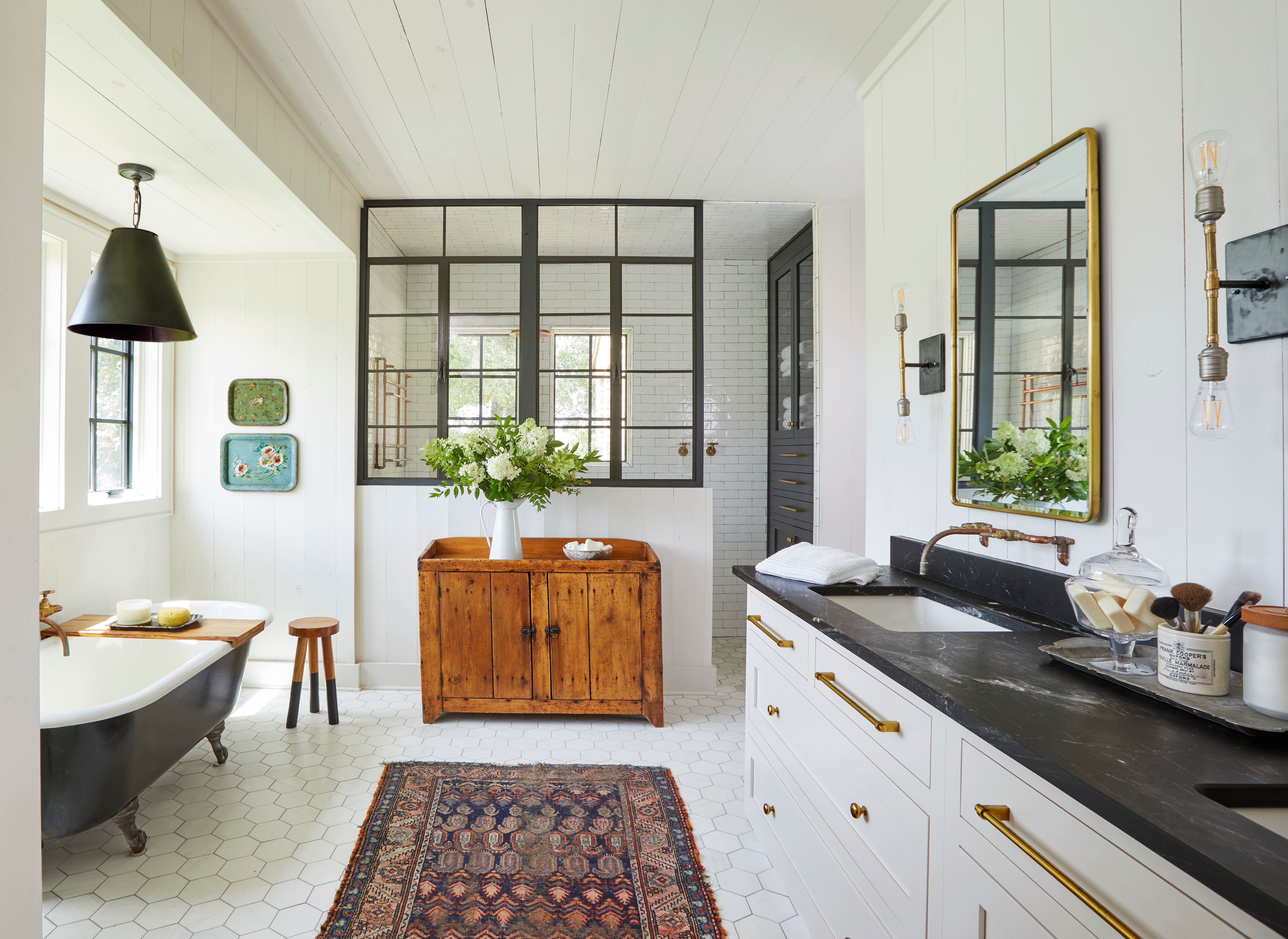
In the Altadena home, real materials helped the new work feel compatible with the old. Patterned cement tile added personality without ignoring the Craftsman spirit of craft and texture. Walnut connected the kitchen to the home’s existing wood details. Brass introduced warmth. Marble brought refinement while still feeling like a material that belongs in an older house.
For homeowners planning a Craftsman refresh, the material rule is simple: choose finishes that can age with dignity. Avoid overly synthetic surfaces when they clash with the home’s character. That does not mean every product must be historically exact, but it should have visual weight, texture, and honesty. A 1915 Craftsman can handle a modern appliance. It may not appreciate glossy gray cabinets that look like they were ordered by a robot with commitment issues.
Color: Softening the Seriousness
Historic Craftsman interiors can sometimes feel formal, especially when dark wood dominates every surface. The Altadena renovation addressed that with a lighter palette in selected rooms. White walls and painted trim reflected more light, while preserved natural wood casings maintained warmth. On the exterior, a soft greige replaced a heavier tan-and-burgundy scheme, giving the stucco walls a calmer, more unified look.
Color is one of the safest ways to refresh a historic home, but it still requires thought. Craftsman homes often look best in earthy, muted, nature-connected colors: warm whites, olive greens, browns, clay tones, soft grays, deep charcoals, and gentle creams. The goal is not to make the house disappear into beige fog. The goal is to support its massing, rooflines, trim, and landscape.
Inside, color can also help define mood. A beadboard mudroom painted in a deep charcoal can feel cozy and practical. A bright living room can make heavy architectural detail feel relaxed. A breakfast nook can carry a playful note without turning the whole house into a theme restaurant called “Ye Olde Trendy Bungalow.”
Preserve, Repair, Then Replace Only When Needed
Historic preservation best practice generally favors repair before replacement, especially for features that define the character of a home. In a 1915 Craftsman, that may include wood windows, built-ins, stair rails, trim, plaster, doors, flooring, porch elements, rafters, brackets, and decorative glass.
This does not mean nothing can ever change. It means changes should be deliberate. If a wood window is drafty, restoration, weatherstripping, and storm panels may be better than replacement. If plaster is cracked, repair may preserve texture and depth that drywall cannot replicate. If original floors are worn, refinishing may reveal another century of beauty. If a feature is too deteriorated to save, a compatible replacement should match the original in design, proportion, texture, and material whenever possible.
The most thoughtful Craftsman renovation asks questions before making cuts. Is this original? Is it character-defining? Can it be repaired? If it must be replaced, what evidence guides the new work? These questions slow the process, yes. But old houses reward patience. They also punish haste, usually at the least convenient possible moment.
Designing for Family Life
Refreshing a historic home becomes especially interesting when small children are involved. Children do not care that the staircase has architectural significance. They care whether socks can slide on it. They do not admire a walnut island’s furniture-like presence. They ask if it can support cereal, crayons, and a dinosaur negotiation summit.
The Altadena renovation succeeded because it did not treat family life as an enemy of beauty. The home gained modern bathrooms, better storage, a more useful kitchen, upstairs laundry, a mudroom, and improved climate control. These upgrades made daily routines easier while leaving the historic shell intact.
That is the real promise of a refreshed Craftsman: it can be elegant without being fragile. Built-ins can store board games. A mudroom can catch backpacks. A breakfast banquette can host pancakes, laptops, and mildly chaotic art projects. A sunroom can be both stylish and relaxed. Historic character should make life richer, not make everyone whisper near the furniture.
Outdoor Connection: A Craftsman Essential
One reason Craftsman homes feel so right in Southern California is their relationship to the outdoors. Broad eaves control sun. Porches create transition. Pergolas soften the line between house and garden. French doors, balconies, and shaded outdoor spaces invite the landscape into daily life.
In Altadena, where mountain views and mature greenery are part of the appeal, refreshing the exterior matters as much as renovating the interior. The updated paint scheme, climbing roses, fabric awnings, pergolas, and rear deck all support the house’s connection to its setting. Nothing feels pasted on. The improvements let the architecture breathe.
For homeowners, the takeaway is to treat the landscape as part of the renovation plan. A Craftsman home should not sit on a blank lot like a furniture display in a parking lot. Use planting, shade, paths, porches, and outdoor rooms to reinforce the home’s original design logic. The garden does not need to be formal. It should feel layered, lived-in, and compatible with the house.
What Homeowners Can Learn From This Altadena Craftsman Refresh
1. Live With the House Before Changing Everything
One of the smartest lessons from the project is to understand the home’s light, circulation, and quirks before finalizing every decision. A room that seems useless in week one may become the best breakfast nook by month three. A doorway that feels awkward may be essential to how the house breathes. Old homes reveal themselves slowly, like cats with mortgages.
2. Upgrade Systems Early
Electrical, plumbing, insulation, HVAC, drainage, and roof conditions should be addressed before cosmetic work. No one wants to open freshly painted walls because a pipe decided to pursue a career in indoor rainfall.
3. Keep Original Details Where They Matter
Preserve built-ins, wood trim, staircases, leaded glass, flooring, and other character-defining features whenever possible. These are the elements that give a Craftsman home its emotional value.
4. Make New Work Feel Compatible, Not Fake
New additions and remodeled rooms do not need to pretend they are original. They should be compatible in scale, material, and mood. A modern kitchen can belong in a 1915 Craftsman when it respects proportion and uses warm, durable materials.
5. Add Playfulness Carefully
A historic home does not have to be somber. Pattern, color, art, and unexpected details can bring joy. The trick is to layer personality over architecture rather than bulldozing the architecture to make room for personality.
Extra Experience: What It Feels Like to Refresh a 1915 Craftsman in Altadena
Refreshing a 1915 Craftsman in Altadena is less like completing a simple remodel and more like joining a long-running conversation. The house has already been speaking for over a century. It speaks through the creak of oak floors, the depth of old trim, the angle of afternoon light through leaded glass, the shadow under broad eaves, and the slightly mysterious logic of rooms designed before everyone owned three charging cords per person.
The first experience most homeowners notice is emotional whiplash. One minute, you are admiring the hand-built staircase and feeling chosen by history. The next, you are discussing plumbing access with a contractor while standing in a bathroom that clearly has opinions. Old houses are romantic, but they are not passive. They ask for commitment. They also ask for contingency funds, which is less poetic but very real.
The second experience is decision fatigue. In a newer home, replacing a door may be simple. In a Craftsman, that door might have original hardware, unusual proportions, old-growth wood, and a relationship to the surrounding trim. Suddenly, “just replace it” becomes a philosophical debate with hinges. The same happens with windows, floors, plaster, tile, and lighting. Every choice affects the story of the house.
Another common experience is learning to love imperfections. A century-old home will not look machine-made, and that is the point. Floors may have slight waves. Trim may not be perfectly straight. Old plaster has a softness that new drywall rarely matches. These imperfections create warmth. They remind you that people built the house by hand, maintained it through different eras, and left behind a record of use. A perfect old house can feel oddly lifeless. A well-cared-for old house with a few wrinkles feels human.
Altadena adds another layer to the experience. The foothill setting encourages a slower, more outdoor-connected way of living. Morning light feels different against old stucco. A porch becomes more than an entry; it becomes a place to notice the neighborhood. A garden is not just landscaping; it is part of the architecture. In a Craftsman home, the boundary between indoors and outdoors should feel relaxed, shaded, and generous.
Homeowners also discover that restoration requires teamwork. A good contractor, architectural designer, electrician, plumber, plaster specialist, woodworker, painter, and preservation-minded consultant can make the difference between a respectful refresh and an expensive identity crisis. The best professionals do not simply ask what you want removed. They ask what should stay.
Perhaps the most rewarding experience is the moment when old and new finally stop arguing. The kitchen works. The lights turn on without drama. The floors glow again. The mudroom catches daily mess. The old staircase still commands the entry. The house feels lighter, but not erased. It becomes clear that the goal was never to make a 1915 Craftsman young again. The goal was to let it age well, with better plumbing and a sense of humor.
Conclusion: A Fresh Chapter for a Historic Altadena Home
Refreshing a 1915 Craftsman in Altadena, CA, is a master class in thoughtful renovation. The best updates do not compete with the home’s history. They support it. By preserving key architectural details, improving essential systems, opening up the kitchen, layering in durable natural materials, and adding playful family-friendly spaces, a century-old Craftsman can become both historically respectful and wonderfully livable.
The charm of this kind of home is not that it is old. The charm is that it still works when treated with intelligence and care. A Craftsman house was built around comfort, craft, and connection to nature. With the right refresh, those values feel surprisingly modern. Add safe wiring, better storage, a beautiful kitchen, fresh color, and a few climbing roses, and suddenly 1915 looks ready for its next hundred years.