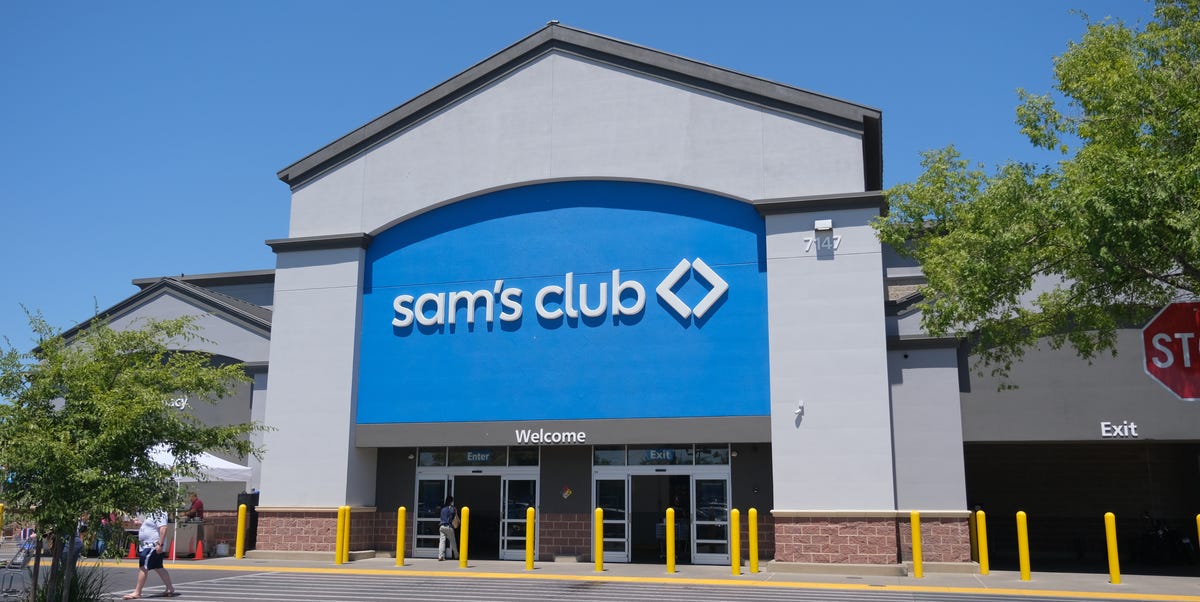

Sam’s Club has always been the kind of place where shoppers walk in for paper towels and somehow leave with a 72-count snack box, a patio set, and a rotisserie chicken that feels like a financial victory. But the warehouse club’s latest wave of announcements is bigger than another tempting bulk deal. Sam’s Club is quietly rewriting what a membership club can look like, and shoppers are paying attention.
The major announcement centers on a broad transformation plan: remodeled clubs, new locations, faster digital checkout, AI-powered exit technology, expanded services, and a stronger push to make Sam’s Club feel less like a traditional warehouse and more like a modern retail playground. In other words, the company does not just want you to buy more cereal. It wants the entire shopping trip to feel faster, smarter, and less like a Saturday obstacle course.
For members, the surprise is not one single change. It is the combination of changes arriving at once. Sam’s Club is investing in store upgrades, opening new clubs, leaning heavily into its Scan & Go technology, improving digital fulfillment, and sharpening its competition with Costco and BJ’s Wholesale Club. If warehouse shopping had a “glow-up era,” this would be it.
What Is Sam’s Club’s Major Announcement?
The headline is simple: Sam’s Club is entering a major growth and modernization phase. The company has shared plans to remodel its existing U.S. clubs, open new locations, and use technology to make shopping faster from entrance to exit. The Grapevine, Texas, club has become a model for what the future Sam’s Club experience could look like, with a stronger focus on mobile checkout, online order fulfillment, and AI-supported operations.
That may sound corporate, but for shoppers it translates into something very practical: fewer checkout headaches, more updated stores, better pickup and delivery options, and a shopping experience designed around speed. Nobody joins a warehouse club because they dream of waiting in line behind someone buying 14 cases of bottled water. Sam’s Club knows this.
The company’s strategy also includes a bigger physical footprint. New clubs are part of the plan, including continued expansion in competitive markets where warehouse retailers are battling for loyal members. For shoppers in growing suburbs and underserved areas, this could mean a Sam’s Club moving closer to home. For competitors, it means the bulk-buying battlefield just got a little louder.
Why Shoppers Are Surprised
Warehouse clubs are usually associated with big carts, big packs, and big savings. They are not always associated with cutting-edge technology. That is why Sam’s Club’s announcement has caught shoppers off guard. The company is not simply adding more registers or polishing the floors. It is testing and expanding a store model where the phone becomes the checkout lane.
Through Scan & Go, members can scan items with the Sam’s Club app as they shop, pay on their phones, and skip the traditional checkout process. AI-powered exit technology then helps verify purchases as shoppers leave, reducing the need for manual receipt checks. For anyone who has ever stood near the exit holding a receipt like it was a passport, this is a meaningful change.
The surprise also comes from the scale. Sam’s Club is not treating digital shopping as a side feature. It is positioning technology as a core part of the club experience. The goal is not just to be a warehouse with an app. The goal is to become a warehouse where the app, the store, the cart, the exit, and the online order system all work together.
Scan & Go Is Becoming the Star of the Show
One of the biggest parts of the Sam’s Club announcement is the continued emphasis on Scan & Go. The feature has become one of the company’s strongest advantages because it solves a very real problem: checkout lines. Traditional checkout can be painfully slow at a warehouse club because baskets are large, items are bulky, and everyone seems to remember they need to renew a membership at the exact worst moment.
Scan & Go changes that rhythm. Members scan products as they place them in the cart, pay in the app, and head toward the exit. The process can make a large shopping trip feel more controlled because shoppers can see their running total along the way. That is especially useful when a “quick trip” starts flirting with the household budget.
Why Scan & Go Matters for Busy Families
For parents, small business owners, and anyone shopping after work, time matters. A faster checkout experience can be the difference between a convenient stock-up trip and a full emotional journey. Scan & Go gives shoppers more control, especially when buying repeat staples such as diapers, snacks, meat, bottled drinks, cleaning supplies, pet food, and frozen meals.
It also supports a more modern customer expectation. Shoppers are used to mobile ordering, tap-to-pay, curbside pickup, and delivery tracking. Sam’s Club is betting that warehouse retail needs to move in the same direction. The days of treating technology as a cute bonus are over. Now it is part of the value proposition.
AI-Powered Exit Technology Could Change the Door Experience
Another major piece of the announcement is Sam’s Club’s AI-powered exit technology. Traditionally, warehouse clubs check receipts at the door. It is familiar, but it can create congestion, especially during peak shopping hours. Sam’s Club’s new exit technology uses computer vision and digital systems to help verify that items in the cart match the completed purchase.
The practical goal is simple: get members out faster. That matters because the exit is the final impression of the trip. A shopper may find great deals, enjoy a smooth checkout, and then lose all patience in a slow exit line. Sam’s Club appears to be tackling that last bottleneck directly.
Of course, shoppers may have questions about privacy, accuracy, and how the technology works when carts are packed like a game of grocery Tetris. Those questions are fair. Any AI-driven retail system must earn trust by being reliable, clear, and easy for members to understand. Still, if the system works well, the exit experience could become one of Sam’s Club’s biggest competitive advantages.
The Grapevine Club Shows the Future
The Grapevine, Texas, club has become a major example of where Sam’s Club is headed. This location has been described as a “club of the future” concept, bringing together Scan & Go, digital displays, expanded fulfillment space, and technology-focused operations. It is not just a store; it is a testing ground for the next version of warehouse shopping.
Inside this future-facing model, the space once reserved for traditional checkout lanes can be reimagined for other uses. That may include product displays, online exclusives, pickup preparation, café innovation, and seasonal showcases. Instead of making checkout the center of the store, Sam’s Club is trying to make discovery, speed, and convenience the center.
More Than a Store Remodel
A remodel usually means brighter lights, better signage, and maybe a layout that no longer hides the granola bars like national secrets. But Sam’s Club’s remodel strategy goes deeper. The company is looking at how members move through the store, how they pay, how online orders are fulfilled, and how associates can support the experience.
That matters because modern retail is no longer divided neatly into “online” and “in-store.” A shopper may browse online, buy in the app, pick up curbside, grab a café item, and still walk inside for fresh produce. Sam’s Club wants its clubs to support all of those behaviors without making the member feel like they need a map, a manager, and a motivational speech.
New Sam’s Club Locations Are Part of the Bigger Plan
Sam’s Club is also expanding its physical presence. The company has outlined plans to open new clubs while building a longer-term pipeline for future locations. This is important because warehouse clubs depend heavily on convenience. Even loyal shoppers are less likely to renew if the nearest club is an hour away and requires the emotional preparation of a road trip.
New clubs can help Sam’s Club reach fast-growing communities, especially in suburban markets where families and small businesses are looking for bulk value. The expansion also puts pressure on Costco and BJ’s Wholesale Club, both of which are also working to grow and retain members.
In competitive retail markets, location still matters. A better app is helpful, but a nearby club with fuel, groceries, household essentials, pharmacy services, optical services, and café favorites can become part of a weekly routine. Sam’s Club is clearly trying to win that routine.
Membership Changes Add Another Layer
Sam’s Club’s announcement also lands in a period when membership value is under the microscope. Membership pricing has changed, with Club and Plus tiers now positioned around access, rewards, shipping, early shopping, and convenience benefits. For shoppers, the key question is not only “What does the membership cost?” but “Will I actually use the benefits enough to make it worth it?”
The Plus membership is especially important to the company’s strategy because it includes enhanced perks such as early shopping access, Sam’s Cash rewards potential, and shipping or delivery benefits on eligible orders. For frequent shoppers, those extras can add up. For occasional shoppers, the basic Club membership may still make more sense.
How to Decide If Plus Is Worth It
The easiest way to evaluate Sam’s Club Plus is to look at your shopping behavior. If you visit often, buy groceries in bulk, use curbside pickup, order online, purchase fuel, or take advantage of pharmacy and optical savings, Plus may be worth considering. If you only shop a few times per year for party supplies and emergency paper towels, the standard Club membership may be enough.
Smart shoppers should also watch for limited-time membership deals. Sam’s Club often uses promotional pricing to attract new members, especially around major shopping seasons. These offers can make trying the club much more affordable, though terms and eligibility matter. As always, read the details before celebrating like you just found a pallet of free chips.
Member’s Mark Is Becoming a Bigger Deal
Another reason Sam’s Club is gaining attention is its private brand, Member’s Mark. The brand has become central to the club’s value strategy, offering groceries, household products, prepared foods, apparel, seasonal items, and more. Private-label products are especially powerful in warehouse retail because shoppers are willing to buy in bulk when they trust the quality.
Sam’s Club has also been using member feedback to shape products. That is a smart move. When a warehouse club asks shoppers what they actually want, it can avoid the classic retail mistake of launching products that look great in a meeting but sit untouched on shelves. Member-informed product development helps Sam’s Club compete not just on price, but on relevance.
For shoppers, this could mean better food items, cleaner ingredient standards, improved packaging, and products that feel more tailored to everyday needs. It also gives Sam’s Club a way to stand apart from Costco’s Kirkland Signature and BJ’s private-label offerings.
How This Announcement Affects the Costco Rivalry
No article about Sam’s Club can avoid the Costco comparison. It is the warehouse retail version of Coke versus Pepsi, except with more rotisserie chickens and people debating parking lot etiquette. Costco has a famously loyal base, but Sam’s Club is using technology as a wedge.
Costco remains powerful because of its curated product selection, strong private label, and high renewal rates. Sam’s Club, however, is leaning into speed and convenience. Scan & Go gives Sam’s Club a digital advantage that many shoppers immediately understand. The value is not abstract. It is the ability to skip a line when your cart is full and your patience is not.
That does not mean every shopper will switch. Some people love Costco’s treasure-hunt atmosphere, while others prefer Sam’s Club’s app, café ordering, pickup options, or local convenience. The bigger point is that Sam’s Club is forcing the warehouse category to modernize. When one major player makes checkout faster, competitors have to respond.
What Shoppers Should Watch Next
As Sam’s Club continues its transformation, shoppers should watch for several practical changes. First, expect more remodeled clubs with cleaner layouts, better digital integration, and improved pickup and fulfillment areas. Second, expect the Sam’s Club app to become even more central to the shopping trip. Third, watch for new clubs in growth markets where warehouse competition is heating up.
Members should also keep an eye on benefit changes. Shipping minimums, delivery eligibility, Sam’s Cash caps, early shopping access, and promotional membership offers can all affect the real value of a membership. The best shoppers will treat the membership like any other subscription: useful if it saves money or time, unnecessary if it sits unused.
Potential Downsides Shoppers Should Consider
Not every shopper will cheer for a more digital Sam’s Club. Some members prefer traditional checkout lanes. Others may not want to rely on a smartphone for every trip. Battery life, app glitches, payment issues, and accessibility concerns all matter. A fully digital experience must still be friendly to real people, including those who are not tech-savvy or who simply do not want grocery shopping to feel like a software update.
There is also the question of trust. AI-powered exit systems need to be accurate and transparent. If the technology incorrectly flags a cart, delays a shopper, or creates confusion, the convenience benefit disappears quickly. Sam’s Club will need to balance innovation with customer service, making sure associates are available to help when the tech gets moody.
Another concern is membership cost. Even if Sam’s Club adds benefits, shoppers are still price-sensitive. A higher annual fee can frustrate members unless the value is obvious. The company must prove that faster shopping, better products, improved clubs, and digital convenience are worth the price of admission.
Why the Announcement Still Looks Like a Smart Move
Despite the challenges, Sam’s Club’s strategy makes sense. Grocery and household budgets remain important to American families, and warehouse clubs are well-positioned when shoppers want value. But value alone is no longer enough. People want low prices, good quality, easy pickup, fast checkout, and fewer small annoyances. That is a lot to ask from a place that sells mayonnaise by the tub, but here we are.
By investing in technology and store upgrades, Sam’s Club is trying to make bulk shopping feel less bulky. The company understands that the future of retail is not purely online or purely physical. It is a blend. Shoppers want the savings of a warehouse, the speed of mobile checkout, the convenience of curbside pickup, and the confidence that products are worth buying in large quantities.
This is why the major announcement matters. It signals that Sam’s Club is not content to be the “other warehouse club.” It wants to be a leader in modern membership retail.
Real Shopper Experience: What This Change Feels Like in Everyday Life
Imagine a typical Sam’s Club trip before these upgrades. You make a list with the confidence of a responsible adult. You need laundry detergent, chicken breasts, fruit, paper towels, and maybe one snack. Then you enter the club and immediately encounter a display of seasonal furniture, a bakery table that smells like happiness, and a television large enough to make your living room feel insecure.
By the time you reach the checkout area, your cart has become a rolling autobiography of your household’s needs, cravings, and questionable impulse control. This is where the new Sam’s Club experience becomes valuable. Instead of unloading everything onto a belt, waiting, reloading everything, and then waiting again at the exit, Scan & Go lets you manage the trip as you shop.
The experience feels especially useful for repeat purchases. If you buy the same coffee, eggs, wipes, protein shakes, or frozen vegetables every month, scanning as you go becomes second nature. You can see the total rise in real time, which helps prevent the classic warehouse-club surprise where the receipt looks like it belongs to a small restaurant.
For families, the time savings can be dramatic. A parent shopping with kids does not want a longer checkout line. They want speed, snacks, and a clean escape route. If the app works smoothly and the exit technology reduces delays, the trip feels less stressful. That matters because convenience is not just about minutes saved. It is about reducing friction at the exact moment shoppers are most ready to leave.
Small business owners may also benefit. Restaurants, offices, childcare providers, cleaning companies, and event planners often shop in bulk because they need predictable supplies. A faster checkout process can make Sam’s Club more attractive for business members who do not have time to linger. When your cart is full of cups, paper plates, bottled drinks, and industrial quantities of coffee, skipping the checkout line is not a luxury. It is a productivity tool.
The remodeled club concept also changes how shoppers discover products. A brighter, more organized layout can make the warehouse feel less overwhelming. Better signage, digital displays, and dedicated pickup areas help the store serve different shopping styles at once. Some members want to browse. Some want to grab and go. Some want to order ahead and never make eye contact with a shopping cart. A modern Sam’s Club has to serve all three.
The café experience is another part of the emotional equation. Sam’s Club shoppers often treat the café as a reward at the end of the trip. A low-priced hot dog combo, pizza slice, sundae, or seasonal treat gives the visit a little fun. When café ordering connects with the app, the whole experience feels more convenient. It is not fine dining, but it is deeply satisfying in the way only warehouse-club pizza can be.
Still, the transition will not be perfect for everyone. Some shoppers will miss traditional registers. Some will need help using Scan & Go. Others may worry about depending too much on a phone. The best version of this future is not one where technology replaces service. It is one where technology removes the boring parts and associates are free to help with the human parts.
That is the real promise behind Sam’s Club’s announcement. The company is not just chasing futuristic retail headlines. It is trying to solve ordinary shopping problems: long lines, crowded exits, confusing layouts, slow pickup, and inconsistent convenience. If Sam’s Club can solve those problems while keeping prices competitive, shoppers may find the membership more valuable than ever.
Conclusion
Sam’s Club’s major announcement is more than a retail update. It is a signal that the warehouse club is changing how it thinks about membership, technology, store design, and shopper loyalty. With remodeled clubs, new locations, Scan & Go, AI-powered exit tools, stronger pickup and delivery options, and a growing focus on Member’s Mark, Sam’s Club is building a more modern version of bulk shopping.
For shoppers, the message is clear: the future Sam’s Club trip may be faster, more digital, and more convenient than the warehouse visits of the past. There will be questions along the way, especially around membership value and technology adoption. But if the company delivers on its promise, the result could be a shopping experience that saves both money and time. And honestly, saving time while buying a heroic amount of toilet paper is the kind of innovation America can understand.
Note: This article is based on current public Sam’s Club and Walmart corporate announcements, membership information, retail industry reporting, and shopper-focused coverage available as of July 2026.