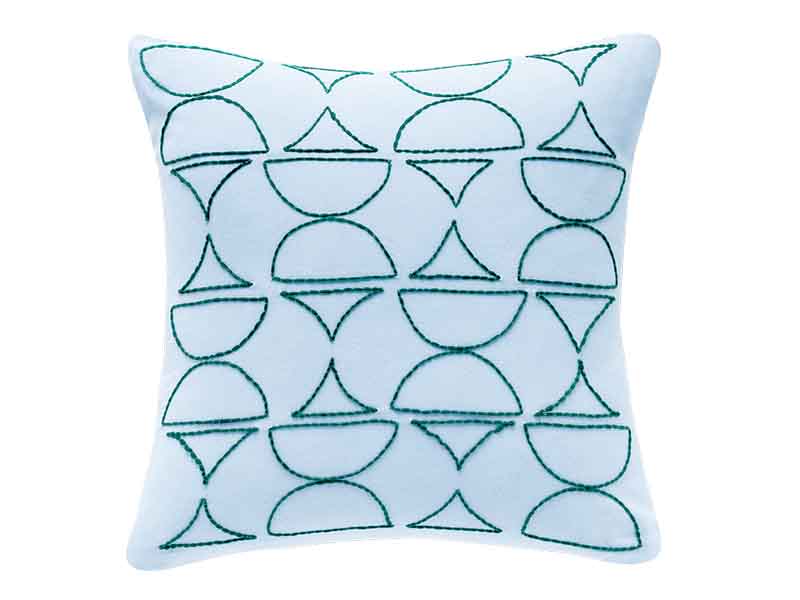

Some home purchases are “big adult” moveslike a couch, a fridge, or an air purifier that looks like a tiny spaceship. And then there are the smaller, sneaky upgrades that somehow make your whole room feel more intentional in five minutes. Enter: the Sanjina Organic Cotton Cushion in Dream Blue, a hand-embroidered, craft-forward accent cushion from The Campbell Collection (a line of textiles made in India and spotlighted for its traditional workmanship and thoughtful color stories).
If the name feels specific, that’s because it is. In coverage of the collection, Sanjina is described as being named for a seamstress who’s a leader on the teaman unusually human detail in a world where many pillows are named “Coastal Breeze #4” and come shrink-wrapped like a snack. So let’s talk about what this cushion is, what “Dream Blue” does in a space, how to style it without creating a pillow pile that needs its own zip code, and how to care for it so it stays dreamy instead of… dimly regretful.
What This Cushion Is (And Why People Notice It)
The Sanjina Organic Cotton Cushion in Dream Blue is a decorative cushion made from organic cotton and finished with hand embroidery. It’s part of a broader textile collection known for artisan techniques (including handwork and considered dyeing) and for designs that feel collected rather than mass-produced. In other words: it reads as “I travel,” even if your biggest trip lately was from your desk to the kitchen.
The quick vibe check
- Craft-first look: visible embroidery gives it texture you can actually see from across the room.
- Color anchor: “Dream Blue” works like a calm exhale in a spaceespecially when you’re pairing it with warm neutrals and natural materials.
- Conversation detail: being named after a real member of the sewing team is the kind of origin story that makes the object feel less disposable.
If you’ve ever looked at a room and thought, “Why does it feel… fine? But not finished?” the answer is usually texture, contrast, and a focal point. A pillow with visible stitchwork checks all three boxes without requiring you to repaint a wall or learn carpentry.
Materials & Craftsmanship: Why Organic Cotton and Hand Embroidery Matter
Organic cotton: not just a buzzword (when it’s legit)
Certified organic cotton is generally grown without synthetic pesticides and fertilizers, and organic standards typically prohibit genetically modified seeds. That matters for two reasons: the environmental footprint of conventional cotton can be chemically intensive, and the “inputs” don’t just vanishthey affect soil and water systems. When a cushion is truly organic cotton (not just “organic-ish vibes”), you’re buying into a cleaner supply chain story, not just a label.
Practical upside: organic cotton often appeals to people who want softer, breathable fibers against skinespecially if you’re the type who lounges with a pillow like it’s a small, fashionable life raft. It’s not medical magic, but it is a sensible material choice for something you touch every day.
Hand embroidery: the detail that makes it look expensive
Embroidery changes the way a cushion catches light. Flat weaves can look beautiful, but they don’t create the same shadow-and-highlight effect you get with stitching. With the Sanjina cushion, that stitched surface is the point: it adds dimension and a subtle “made by hands, not machines” character.
There’s also a durability angle. Good embroidery isn’t just decoration; it can reinforce fabric surfaces and help a piece hold its visual interest over time. The tradeoff is care: anything with stitching deserves a gentler cleaning routine than a plain cotton pillowcase you toss in the washer with your gym socks. (Your socks will survive. The embroidery may not appreciate the ride.)
Dream Blue: A Color That Calms Without Putting Your Room to Sleep
Blue is widely associated with calm and relaxation, which is why it shows up so often in bedrooms, reading nooks, and anywhere you want the room to feel like it’s lowering your blood pressure just a little. “Dream Blue” specifically reads as soothing rather than shoutymore “twilight sky” than “sports team foam finger.”
Where Dream Blue works best
- Neutral sofas: cream, oatmeal, camel, greige, and warm white make blue feel crisp and intentional.
- Natural textures: linen, jute, rattan, oak, walnut, boucle, and wool make the blue feel layered, not icy.
- Small rooms: a blue accent can add depth without visually cluttering the space.
- Busy patterns: if your rug or curtains already have movement, a steady blue can be your “calm center.”
Palettes that look great with Dream Blue
- Blue + warm white + brass: classic, clean, slightly “boutique hotel.”
- Blue + terracotta + natural wood: modern boho without going full “macramé museum.”
- Blue + olive + cream: grounded and earthy, especially with plants.
- Blue + charcoal + linen: moody but still breathable.
How to Style This Cushion Without Starting a Pillow Hoarding Situation
Styling pillows is basically snack plating for furniture: the ingredients matter, but arrangement is what makes it look “done.” Designers often recommend mixing sizes, textures, and patternsand keeping the composition balanced so one side of the sofa doesn’t look like it’s carrying the emotional weight of the entire room.
Three foolproof setups
1) The “Rule of Three” sofa stack
Use three pillows per side (or three total on a smaller sofa). Mix one large solid or subtle texture, one medium pattern or woven, and one smaller/lumbar statement pillow. The Sanjina Dream Blue works best as the statement (because embroidery = instant “look at me,” in a polite way).
- Large: neutral textured pillow (think linen or boucle)
- Medium: simple stripe or small geometric in a coordinating tone
- Accent: Sanjina Dream Blue for color + stitchwork
2) The “Center Lumbar” trick (great for sofas that look flat)
Put matching pillows on the ends, then add one lumbar/feature cushion in the center. This creates a layered, tiered look and makes the sofa feel styled rather than “two pillows that came with it.” If you’re going minimal, the Dream Blue can be your single center “hero” cushion.
3) The bed look that doesn’t require 14 pillows
If you love a styled bed but also love sleeping, try this: keep your sleeping pillows practical, add two shams, then use one feature cushion like Dream Blue at the front. You get the “magazine” vibe without needing a nightly pillow relocation routine.
Texture pairing ideas that make the embroidery pop
- Chunky knit throw: the contrast makes the stitching look even more intentional.
- Linen upholstery: relaxed + refined is the sweet spot.
- Leather chair: blue softens leather’s seriousness (like adding humor to a business meeting).
- Wood bench: one cushion on a bench instantly makes it feel “usable,” not just decorative.
Comfort & Function: It’s Still a Cushion (So Let’s Talk Reality)
Decorative cushions live two lives: the “photo life” (upright, perfect) and the “real life” (you, a snack, a show, and the cushion slowly becoming a supportive companion). What matters most in real life is the inner insert and how you use the cushion:
- Support: great behind the lower back when you’re working from the couch.
- Softness: an insert with down/feather tends to feel plush and “sink-in,” while alternative fills can feel bouncier and more structured.
- Allergies: if you’re sensitive, choose an insert that fits your comfort level and keep the care label handy.
One underappreciated tip: keep the tag (or at least a photo of it). Pillow tags are there to communicate materials and care, and while consumers can remove them after purchase, they’re genuinely useful for cleaning and allergy info. “Do not remove” is mostly aimed at sellersnot youbut it’s still a helpful little instruction manual attached to your cushion.
Care & Cleaning: How to Keep Dream Blue Looking… Dreamy
Rule number one: follow the care label. Decorative pillows can be cotton on the outside and something entirely different inside, and embroidery or dyes can change what’s safe. If you don’t have the label anymore, lean conservative: spot clean first, then gentle hand wash if needed.
Weekly maintenance (the low-effort kind)
- Shake and fluff: keeps the insert from getting lumpy and helps the cushion hold its shape.
- Light vacuum with an upholstery attachment: removes dust before it becomes “mystery gray.”
- Rotate the cushion: spreads wear evenly, especially if one side gets all the sun.
Spot cleaning (for the “how did that happen?” moments)
- Blot, don’t rub: rubbing can rough up fibers and stress embroidery threads.
- Use mild soap + cool water: test on an inconspicuous area first.
- Dab gently: think “patting a cat you’re not sure likes you yet.”
- Air dry flat: avoid heat and direct sun until fully dry.
Deeper cleaning: cover vs. insert
If your cushion has a removable cover, you may be able to wash it gently (again: label rules). If the insert is down/feather, many can be machine-washed on a gentle cycle with mild detergent and thoroughly dried on low heat to prevent odors or mildew. Washing two pillows at a time can help balance the machine, and drying with dryer balls or clean tennis balls can help re-fluff the fill.
If that sounds like work, you’re not wrong. The easiest “grown-up” move is prevention: use a discreet pillow protector on the insert and keep the decorative cover from taking direct hits from spills. (Yes, this is the home decor version of wearing sunscreen.)
Sustainability & Shopping Smarts: How to Read the “Eco” Signals
The phrase “organic cotton” can mean different things depending on how the product is certified and labeled. If you’re shopping in the U.S., textile labeling rules require fiber content and other disclosures for many products, and reputable sellers typically provide a clear materials breakdown. For sustainability claims, look for specifics rather than vibes: not just “eco-friendly,” but what exactly is organic, what certifications back it up, and what the dyes and finishes are.
What “azo-free” suggests (in plain English)
Many textile dyes are azo dyes; “azo-free” typically means a product avoids certain restricted azo compounds that can break down into undesirable substances. It doesn’t automatically mean “perfectly harmless,” but it’s a meaningful signal that the brand is thinking about dye chemistry rather than treating color like a magic trick. If you’re sensitive to strong finishes or just trying to keep your home textiles cleaner, it’s a detail worth appreciating.
Why the maker story matters
When a cushion is tied to named makers and a known workshop ecosystem, it usually indicates the brand is at least attempting transparency. That doesn’t solve every ethical question, but it’s a stronger start than “Made Somewhere, By Someone, Probably.” The Sanjina cushion’s naming detail is small, but it points to a bigger theme: this isn’t meant to be disposable decor.
Who This Cushion Is Perfect For
- The “neutral home” person who needs one confident color note that won’t fight the room.
- The texture collector who thinks flat surfaces are suspicious and wants stitchwork, slub, and tactile interest.
- The intentional gifter who wants something special that doesn’t require knowing someone’s clothing size.
- The calm-seeker building a reading nook, bedroom, or sofa corner that feels quieter the second you sit down.
FAQ
Is the Sanjina Organic Cotton Cushion Dream Blue machine-washable?
It depends on the specific care label and construction. Embroidery and dyes often benefit from gentler care (spot clean or hand wash). If the cover is removable and labeled machine-washable, use a gentle cycle and air dry or low heatnever aggressive heat.
Does it come with an insert?
Boutique cushions vary: some are cover-only, others include inserts. Always check the retailer listing. If you’re buying an insert separately, choose one that fits your comfort preference (plush vs. structured).
Will the blue fade over time?
Any dyed textile can fade with prolonged sun exposure. Rotate the cushion and avoid leaving it in direct, harsh sunlight day after day. Think of it like a great pair of jeans: a little mellowing is normal, but you don’t have to speed-run it.
Experiences With “Sanjina Organic Cotton Cushion Dream Blue” (An Extra )
Here’s what living with a statement cushion like Dream Blue tends to feel like in real homesless “catalog perfection,” more “Tuesday afternoon with laundry in the background.” The first impression is almost always texture. Even before you register the color, your eyes pick up the stitched surface because it throws tiny shadows that change throughout the day. Morning light makes the embroidery look crisp; evening lamplight makes it look softer and a little cozier, like the cushion is actively trying to convince you to sit down and stop checking your phone.
In a neutral living room, the cushion usually becomes the “anchor” people didn’t realize they needed. One common setup is a warm beige or oatmeal sofa with a couple of plain linen pillowsnice, but slightly unfinished. Add Dream Blue, and suddenly the whole arrangement looks styled on purpose. It’s not loud, but it’s confident. Guests often notice it the way people notice a great watch or a pair of shoes: not because it’s flashy, but because it has detail. And detail reads as quality.
Functionally, the cushion tends to earn its keep fast. People prop it behind their lower back during laptop time, pull it into their lap during a movie, or wedge it under an arm while reading. This is where the “pretty but practical” test happens. A good decorative cushion shouldn’t feel like a fragile museum pieceif you’re afraid to touch it, it becomes decor guilt. Dream Blue’s cotton surface generally gives off a friendly, breathable feel (more “lounging allowed,” less “look but don’t sit”).
The care experience is where reality shows up. Most households end up doing a mix of prevention and spot-cleaning. The smartest habit is treating it like a nice jacket: you don’t wash it after every wear; you handle small messes quickly and avoid the big disasters when you can. If there’s a tiny smudge, a gentle blot with mild soap and cool water is usually the move. People who try to “scrub it out” tend to learn the hard way that embroidery prefers patience over panic. Another real-life lesson: rotating the cushion helps. Even if you love the front-facing “perfect” side, flipping it now and then keeps the shape and color more evenespecially in sunny rooms.
The most satisfying part of owning a cushion like this is that it quietly upgrades other things around it. That old throw blanket looks better next to it. The basic coffee table book stack looks more curated. The room feels a little more like a space someone designed, even if you did it in five minutes while thinking, “I should probably drink water.” It’s a small object, but it has that rare quality of making a home feel more personal, not more staged. And honestly, that’s the dream.