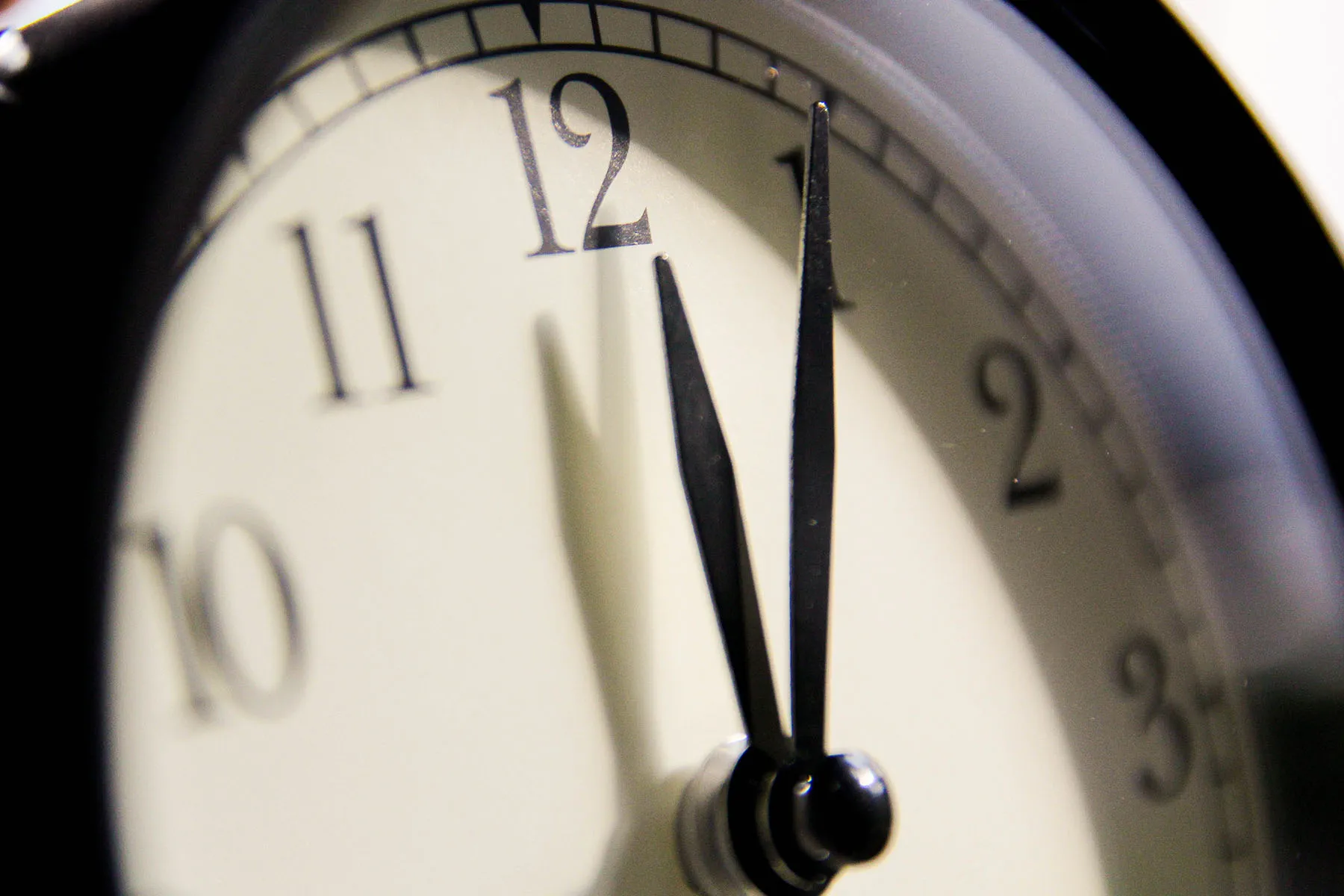

The clock changes by only one hour, which sounds adorablelike a tiny scheduling hiccup wearing a wristwatch. But your brain does not experience daylight saving time as a cute little calendar trick. To your circadian rhythm, that one-hour shift can feel like someone moved the sun, rearranged breakfast, and asked your alarm clock to act suspiciously cheerful on Monday morning.
Whether we are “springing forward” into daylight saving time or “falling back” into standard time, time changes can disturb sleep timing, energy, mood, appetite, concentration, and even safety. Sleep scientists often describe the problem as circadian misalignment: your internal body clock is not perfectly lined up with the new social clock. In plain English, your body thinks it is one time, your phone says it is another, and your coffee maker is just trying not to get involved.
The good news: you can make the transition smoother. You do not need a laboratory, a sleep cave, or a dramatic vow to become “a morning person” by Friday. You need a few evidence-based habits: steady sleep timing, smart light exposure, lower evening stimulation, careful caffeine use, and a little patience. This guide breaks down sleep scientists’ best tips for a healthier time changewithout panic, gimmicks, or pretending that everyone can meditate perfectly while their neighbor’s dog auditions for a drum solo.
Why the Time Change Feels Harder Than It Looks
Your sleep-wake cycle is regulated by circadian rhythms, which are roughly 24-hour biological patterns influenced strongly by light and darkness. Morning light helps tell the brain, “It is daytime; be alert.” Darkness helps encourage melatonin release, a hormone involved in sleepiness. When the clock shifts, the timing of sunlight, meals, work, school, exercise, and bedtime suddenly changes. Your body may need several days to catch up.
The spring transition is usually tougher because you lose an hour of sleep opportunity. If your alarm still rings at 6:30 a.m., your body may feel as if it is actually 5:30 a.m. That can lead to morning grogginess, reduced focus, irritability, and a stronger desire to negotiate with the snooze button like it is a hostage situation. The fall transition may seem easier because you gain an hour, but it can still disrupt people who are sensitive to schedule changes, young children, shift workers, older adults, and anyone already running on sleep debt.
Start Adjusting Before the Clock Changes
The most practical time change sleep tip is also the least dramatic: shift gradually. Two to four days before the time change, move bedtime and wake time by 15 to 20 minutes per day. In spring, go to bed and wake up slightly earlier. In fall, you may shift slightly later if needed, though many people do best by keeping their usual wake time and using the extra hour for rest rather than late-night scrolling.
Small shifts are easier for the brain than one big jump. Think of it as nudging your internal clock instead of dragging it across the room by its pajamas. If bedtime is usually 11:00 p.m., try 10:45 p.m., then 10:30 p.m., then 10:15 p.m. before the spring change. Pair that with waking 15 minutes earlier each morning. This gives your circadian rhythm a head start.
A Simple 4-Day Spring-Forward Plan
Four days before: Go to bed 15 minutes earlier and wake 15 minutes earlier.
Three days before: Shift another 15 minutes earlier. Dim lights after dinner.
Two days before: Keep caffeine earlier in the day and avoid heavy late meals.
The night before: Set clocks ahead early in the evening, then follow your new bedtime like it is already official.
Protect the Seven-Hour Sleep Floor
Most adults need at least seven hours of sleep per night, and many do best with seven to nine. Around the time change, sleep scientists recommend entering the weekend well rested rather than already sleep-deprived. If you start the clock change with a sleep debt, losing one more hour can feel like your brain opened 47 browser tabs and every single one is playing music.
Prioritize sleep the week before the change. That may mean saying no to late-night streaming, moving chores earlier, or avoiding the “I’ll just answer one more email” trap. The body handles schedule disruption better when it is not already exhausted. Sleep is not just downtime; it supports learning, memory, immune function, mood regulation, metabolism, and cardiovascular health.
Use Morning Light Like a Reset Button
Light is one of the strongest signals for your circadian clock. After the time change, get bright light soon after wakingideally outdoor sunlight. Even on a cloudy morning, outdoor light is usually much brighter than indoor light. Open the curtains, step onto the porch, walk the dog, drink coffee near a bright window, or take a short morning walk.
Morning light is especially important after springing forward because many people wake in darker conditions. The brain uses morning light to anchor alertness and help shift sleep timing earlier. If you cannot get outside, turn on bright indoor lights soon after waking. For people with seasonal mood concerns, shift work schedules, eye conditions, or bipolar disorder, it is best to discuss light therapy with a clinician before using a bright light box.
Dim the Evening So Your Brain Gets the Memo
At night, your goal is the opposite: reduce bright light, especially in the hour before bed. Light tells the brain to stay alert, which is rude but biologically understandable. Phones, tablets, laptops, bathroom vanity lights, and dramatic kitchen lighting can all make bedtime harder. Blue light gets most of the blame, but brightness itself matters too.
Create a “landing strip” for sleep. About 60 minutes before bed, dim the lights, stop work tasks, lower the emotional temperature of the evening, and choose quieter activities. Reading a paper book, stretching gently, taking a warm shower, journaling, preparing clothes for the next morning, or listening to calm audio can help. Doomscrolling at 11:30 p.m. may feel like research, but your nervous system files it under “absolutely not.”
Keep Wake Time Consistent
If there is one habit sleep specialists repeat again and again, it is consistency. A steady wake time helps stabilize your body clock. This is especially important after a time change because your internal timing system is searching for reliable cues. Wake up at about the same time each day, even on weekends, or keep weekend differences modest.
Sleeping in for several hours after the time change may feel delicious in the moment, but it can make Sunday night harder and Monday morning worse. If you are exhausted, a short nap is better than a marathon sleep-in. Aim for 10 to 20 minutes, preferably earlier in the afternoon. Long or late naps can steal sleep pressure from bedtime, leaving you wide awake at night and personally offended by the ceiling.
Be Strategic With Caffeine
Caffeine can be useful, but it is not a substitute for sleep. It blocks sleepiness signals and can remain active in the body for many hours. Around the time change, keep caffeine earlier in the day. Many people benefit from avoiding caffeine after lunch or mid-afternoon. If you are sensitive to caffeine, even noon may be too late.
Also watch hidden sources: iced tea, energy drinks, pre-workout powders, chocolate, some sodas, and certain medications. The goal is not to demonize coffee. Coffee has done a lot for civilization, including making morning meetings survivable. The goal is to avoid borrowing alertness from bedtime and paying it back with interest at 2:00 a.m.
Do Not Let Alcohol Pretend to Be a Sleep Aid
Alcohol may make you feel sleepy at first, but it can disrupt sleep later in the night. It may reduce sleep quality, increase awakenings, worsen snoring, and leave you feeling less restored. Around the time change, when sleep is already vulnerable, alcohol close to bedtime can make the adjustment harder.
If you drink, keep it moderate and avoid alcohol in the hours before bed. A healthier wind-down routine might include herbal tea, a warm shower, light stretching, quiet reading, or simply turning off the household’s “emergency brightness mode.”
Eat on the New Schedule
Meals are also time cues for the body. In the days before the time change, begin moving meals slightly toward the new schedule. Eat breakfast soon after waking, have dinner earlier rather than later, and avoid heavy, spicy, or greasy meals close to bedtime. A late, large meal can increase reflux, discomfort, and body temperature, all of which can interfere with sleep.
For families, shifting dinner and bedtime routines by 10 to 15 minutes per day can help children adjust without a full household rebellion. Children often show sleep disruption as hyperactivity, crankiness, or dramatic complaints about socks, so gentle preparation matters.
Exercise, But Time It Well
Regular physical activity supports better sleep, improves mood, and can help regulate circadian rhythms. Morning or afternoon exercise is especially helpful during a time change because it provides another strong daytime signal. A brisk walk in morning light is a two-for-one deal: movement plus circadian reset.
Intense workouts too close to bedtime may make some people feel wired, though responses vary. If evening exercise helps you unwind, keep it moderate and finish early enough to cool down. Gentle stretching or yoga before bed is fine for many people, as long as it feels calming rather than competitive. Bedtime is not the moment to discover your personal best in burpees.
Make the Bedroom Boringin the Best Way
A good sleep environment is cool, dark, quiet, and comfortable. Around daylight saving time, this matters even more because sunrise and sunset patterns shift. Use blackout curtains or an eye mask if light enters the room too early or too late. Consider earplugs, a fan, or white noise if your environment is noisy. Keep the bedroom temperature comfortably cool.
Reserve the bed mainly for sleep and intimacy. Working, watching intense shows, arguing, eating crunchy snacks, or paying bills in bed teaches the brain that the mattress is a command center. That is not the vibe. The bed should send one clear message: this is where we power down.
Handle Insomnia Without Making It Worse
If you cannot fall asleep, do not wrestle with the pillow for hours. After about 20 to 30 minutes of wakefulness, get out of bed and do something quiet in dim light until sleepiness returns. Read something calm, listen to soothing audio, or practice slow breathing. Avoid screens, work, and anything emotionally spicy.
This technique helps your brain maintain the connection between bed and sleep. The more time you spend frustrated in bed, the more your mind may learn to associate bedtime with stress. And nothing says “sleepy” quite like angrily calculating how few hours remain before the alarm. Spoiler: that math never helps.
Special Tips for Parents, Shift Workers, and Night Owls
For Parents
Move bedtime routines gradually. Shift bath, pajamas, books, and lights-out by 10 to 15 minutes over several nights. Keep mornings bright and active. For babies and toddlers, protect naps but avoid letting late naps run too long. Expect a few wobbly days and try not to redesign the entire family sleep system during one difficult weekend.
For Shift Workers
Time changes can be especially disruptive for people who work nights, early mornings, or rotating shifts. Use light deliberately: bright light during the part of your schedule when you need alertness, and darkness when you need sleep. Sunglasses on the commute home after a night shift, blackout curtains, and a consistent sleep block can help. If severe sleepiness or insomnia persists, consult a sleep medicine professional.
For Night Owls
Evening types may struggle more with springing forward because society suddenly asks them to perform even earlier. Start shifting sooner, use morning light consistently, keep evening lights low, and avoid late caffeine. Do not try to become a sunrise influencer overnight. Aim for stability first.
When to Seek Professional Help
Feeling off for a few days after a clock change is common. But if sleep problems continue for weeks, or if you regularly struggle with loud snoring, gasping, restless legs, severe daytime sleepiness, insomnia, or mood changes, it is worth talking with a healthcare provider. Time changes can reveal sleep problems that were already present, such as insomnia disorder, sleep apnea, circadian rhythm disorders, or chronic sleep deprivation.
Sleep is not a luxury item for people with perfect calendars. It is a core health behavior. If your body keeps waving red flags, do not respond by buying a bigger coffee mug and hoping for the best.
A Real-Life Experience: The Time Change Weekend That Finally Taught Me to Prepare
For years, I treated the spring time change like a harmless inconvenience. I would stay up late on Saturday, forget the clock change was happening, wake up on Sunday confused, and then act personally betrayed on Monday morning when my alarm sounded like a tiny courtroom sentence. My strategy was simple: complain, drink too much coffee, and promise that next year I would be smarter. Naturally, next year I was not smarter.
The turning point came after one especially rough spring-forward weekend. I had gone to bed late after watching “just one episode,” a phrase that has ruined more sleep schedules than most people care to admit. My phone changed automatically overnight, but my brain did not receive the software update. On Monday, I woke up heavy-headed, skipped breakfast, drank coffee too late, and spent the afternoon in that strange zone where you are technically awake but emotionally a decorative pillow.
That week, I tried a more scientific approachnot perfect, just practical. The next time change, I started four days early. I moved bedtime 15 minutes earlier each night. I set a reminder to dim the lights after dinner. I put my phone across the room at 10:00 p.m., which felt dramatic, as if I were sending it to boarding school. I also stepped outside each morning for ten minutes, even when the weather was not exactly inspirational. The results were not magical, but they were noticeable. Monday felt like Monday, not like a jet-lagged raccoon had taken control of my calendar.
The biggest surprise was how much the small cues mattered. Morning light helped me feel alert faster. Eating breakfast at the new time made the day feel more normal. Avoiding late caffeine prevented the cruel cycle of tired morning, over-caffeinated afternoon, restless night, repeat. And setting the clocks ahead in the early evening helped me stop thinking of the change as something that happened “to” me at 2:00 a.m. It became part of the day’s plan instead of a sneaky overnight ambush.
I also learned that the goal is not to win the time change. There is no medal for adjusting perfectly, and nobody needs to post a heroic selfie titled “Daylight Saving Champion.” The goal is to reduce friction. A healthier time change means fewer groggy mornings, fewer late-night battles with your own brain, and fewer moments when you stare into the refrigerator wondering why you opened it. It means treating sleep like something worth protecting before life gets chaotic, not after.
Now, my time change routine is simple. I shift sleep gradually, get morning light, keep evenings dim, avoid caffeine after lunch, and prepare Monday morning in advance. Clothes are ready, breakfast is easy, and the alarm is set with realistic expectations. I still notice the clock change. Most people do. But it no longer knocks the whole week sideways. That is the quiet power of sleep science: it does not require perfection. It just gives your body better instructions.
Conclusion: Make the Clock Change Work With Your Body
A healthier time change starts before the clocks move. Gradual schedule shifts, morning light, consistent wake times, evening darkness, smart caffeine timing, regular meals, and a calm bedroom routine can help your circadian rhythm adjust with less drama. The clock may change suddenly, but your body prefers a gentle transition. Give it a few clear signals, and it usually gets the message.
So when the next time change arrives, do not rely on luck, panic, or a heroic triple espresso. Prepare like a sleep scientist with a calendar: shift slowly, protect seven or more hours of sleep, get sunlight early, dim the night, and keep routines steady. Your future Monday-morning self may not write you a thank-you card, but it will probably stop glaring at the alarm clock quite so intensely.