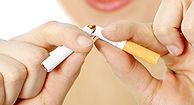

Smoking and diabetes are a terrible team. If diabetes is already asking your body to juggle blood sugar, blood pressure, circulation, kidneys, eyes, nerves, and meal planning, smoking strolls in like an uninvited guest carrying a leaf blower. It makes everything louder, messier, and harder to control.
For people with diabetes, cigarettes do more than irritate the lungs. Nicotine can make blood sugar harder to manage, tobacco smoke can damage blood vessels, and the combined stress of high glucose plus smoking can raise the risk of serious complications. That means more trouble for the heart, kidneys, eyes, nerves, feet, gums, and wound healing. In other words, smoking does not just “add risk.” It presses the fast-forward button on problems diabetes is already known for.
The good news is that quitting smoking helps. Even if you have smoked for years, stopping can improve circulation, support better blood sugar control, lower cardiovascular risk over time, and protect organs that diabetes can strain. No one needs to quit perfectly to begin. You only need a plan, support, and the decision not to let cigarettes keep voting on your health.
Why Smoking Is Especially Risky When You Have Diabetes
Diabetes affects how the body uses glucose, the main sugar in the blood. In type 1 diabetes, the body produces little or no insulin. In type 2 diabetes, the body may still make insulin, but cells do not respond to it well enough. Smoking complicates both situations because nicotine and other chemicals in tobacco can increase inflammation, stress the blood vessels, and make insulin less effective.
Think of insulin as a key that helps glucose enter cells. Smoking can make the lock rusty. The key may still work, but it takes more effort, more medication, more monitoring, and sometimes more frustration. That is one reason people with diabetes who smoke may have more difficulty keeping blood sugar in their target range.
Smoking is also linked with a higher risk of developing type 2 diabetes in the first place. For someone already living with diabetes, the concern shifts from prevention to protection: protecting the heart, blood vessels, kidneys, eyes, nerves, skin, and feet from damage that can build quietly over time.
Problem 1: Smoking Makes Blood Sugar Harder to Control
The first smoking-related problem is blood sugar instability. Nicotine can raise blood sugar and increase insulin resistance, which means the body may need more insulin or medication support to move glucose from the bloodstream into cells. For people carefully counting carbohydrates, checking glucose, adjusting meals, or taking medication, smoking adds another variable to an already crowded math problem.
Blood sugar management is not just about avoiding sweets. Sleep, stress, illness, activity, medications, hydration, hormones, and smoking can all affect glucose. That is why two people can eat the same lunch and get very different readings afterward. Add cigarettes to the picture, and glucose control may become more unpredictable.
How this may show up in daily life
A person with diabetes who smokes may notice higher fasting blood sugar, stubborn after-meal spikes, or more difficulty reaching A1C goals. They may also need medication adjustments more often. This does not mean every high reading is caused by smoking, but smoking can absolutely be one of the troublemakers hiding in the room.
Another challenge is that smoking may mask healthy routines. Someone may be eating well and walking regularly but still feel stuck because cigarettes are working against those efforts. That can be discouraging. The important point is not guilt; it is strategy. Removing smoking from the equation can make the rest of the diabetes plan work better.
Problem 2: Smoking Raises the Risk of Heart Disease and Stroke
Diabetes already increases the risk of cardiovascular disease. Smoking increases that risk further by damaging blood vessels, raising blood pressure, reducing oxygen delivery, and encouraging plaque buildup inside arteries. This is a big deal because heart disease and stroke are among the most serious complications linked to diabetes.
Blood vessels are like highways that deliver oxygen and nutrients throughout the body. Diabetes can damage those highways over time. Smoking throws nails, fog, and traffic cones onto the road. The result can be reduced circulation, higher blood pressure, narrowed arteries, blood clots, heart attack, stroke, and leg circulation problems.
Why circulation matters so much
Good circulation is not a luxury feature. It is essential for healing, nerve health, kidney function, vision, and heart health. When blood vessels become stiff, narrow, or damaged, every organ downstream can suffer. For people with diabetes, this is especially concerning because high blood sugar can also injure blood vessel walls.
Smoking also reduces the amount of oxygen the blood can carry. That means tissues may receive less oxygen even when blood is moving. Imagine ordering a delivery and the truck arrives half-empty. Technically, the delivery happened, but nobody is impressed.
Quitting smoking is one of the most powerful steps a person with diabetes can take to protect the heart. Blood pressure, cholesterol, blood sugar, physical activity, and medication adherence all matter too, but removing tobacco gives the cardiovascular system room to recover.
Problem 3: Smoking Can Worsen Kidney and Eye Complications
Diabetes can damage small blood vessels in the kidneys and eyes. Smoking can make this worse by narrowing blood vessels, reducing blood flow, increasing inflammation, and raising blood pressure. The kidneys and eyes are small-vessel VIPs, and smoking treats them like they forgot to pay rent.
The kidneys filter waste and extra fluid from the blood. When diabetes damages kidney blood vessels, filtration can decline. Smoking adds stress by reducing circulation and increasing pressure inside the vascular system. Over time, this can contribute to chronic kidney disease or speed up existing kidney problems.
Smoking and diabetic eye disease
Diabetic retinopathy happens when high blood sugar damages blood vessels in the retina, the light-sensitive tissue at the back of the eye. Early diabetic retinopathy may not cause obvious symptoms, which is why regular dilated eye exams are so important. Smoking can worsen blood vessel damage and may raise the risk of vision-threatening complications.
Eye health can be easy to ignore until something changes. Blurry vision, dark spots, floaters, or vision loss should never be brushed off as “probably just screen time.” For people with diabetes, eye symptoms deserve prompt medical attention.
The best protection is a combination approach: manage blood sugar, blood pressure, and cholesterol; get routine kidney tests and eye exams; take prescribed medications; and quit smoking. None of these steps is glamorous, but neither is arguing with a retina. Prevention wins.
Problem 4: Smoking Increases Nerve, Foot, Gum, and Wound-Healing Problems
The fourth smoking-related problem is damage to nerves, skin, gums, and wound healing. Diabetes can cause neuropathy, which may lead to numbness, tingling, burning pain, or loss of feeling, especially in the feet. Smoking can make circulation worse, and poor circulation makes it harder for tissues to heal.
This matters because small injuries can become big problems when diabetes and smoking are both involved. A blister from new shoes, a tiny cut, or a sore spot on the foot may heal slowly. If feeling is reduced because of neuropathy, a person may not notice the injury right away. Add reduced blood flow, and the body’s repair crew shows up late, underpaid, and missing half its tools.
Foot care is not optional
People with diabetes should check their feet regularly, wear properly fitting shoes, keep skin moisturized but not wet between the toes, and report wounds, swelling, redness, or pain to a health care professional. Smoking makes this even more important because it can reduce blood flow to the legs and feet.
Smoking is also linked with gum disease, and diabetes can make infections harder to fight. Bleeding gums, loose teeth, chronic bad breath, or mouth pain should be checked by a dentist. Oral health is part of diabetes care, not a bonus chapter hidden after the credits.
What About Vaping, Cigars, and Smokeless Tobacco?
Cigarettes are the classic villain, but they are not the only concern. Many tobacco and nicotine products can affect the body. Vaping products, cigars, hookah, nicotine pouches, and smokeless tobacco may still expose users to nicotine or harmful chemicals. For someone with diabetes, nicotine exposure can be especially relevant because of its effects on blood sugar regulation and blood vessels.
Switching from cigarettes to another nicotine product is not the same as being nicotine-free. Some people use nicotine replacement therapy as part of a quit plan, and that should be discussed with a doctor or pharmacist, especially when diabetes medications are involved. The goal is to quit safely, not to replace one mystery problem with another wearing a different hat.
How Quitting Smoking Helps People With Diabetes
Quitting smoking can help improve circulation, reduce inflammation, support better blood sugar management, and lower the risk of heart disease, stroke, kidney problems, vision loss, foot complications, and cancer over time. The body begins repairing itself surprisingly quickly after quitting, although full risk reduction takes time.
Some people worry about weight gain after quitting. That concern is understandable, especially for people managing diabetes. However, the health benefits of quitting smoking are usually far greater than the risks of modest weight gain. A health care team can help create a quit plan that includes blood sugar monitoring, physical activity, meal planning, and medication adjustments if needed.
A practical quit plan
Start by choosing a quit date. Remove cigarettes, lighters, ashtrays, and emergency “just in case” packs. Tell supportive people what you are doing. Identify your triggers, such as coffee, driving, stress, boredom, or after meals. Then plan replacement behaviors. Take a walk, chew sugar-free gum, drink water, text a friend, use deep breathing, or keep your hands busy.
Ask a doctor, diabetes educator, pharmacist, or counselor about evidence-based quitting tools. Nicotine replacement therapy, prescription medications, coaching, quitlines, and support programs can make quitting more manageable. Many people need more than one attempt. That is not failure; that is data collection with dramatic lighting.
Real-Life Experiences: What Smoking and Diabetes Can Feel Like Day to Day
Living with diabetes already requires attention. There are glucose readings, medication schedules, grocery decisions, doctor visits, foot checks, lab results, and the eternal question: “Why is my blood sugar doing interpretive dance today?” When smoking is added, many people describe feeling as if their health plan has a leak. They may do several things right and still see numbers that refuse to cooperate.
One common experience is the morning cigarette routine. A person wakes up, checks blood sugar, sees a higher-than-expected number, and feels frustrated before breakfast even enters the story. They smoke with coffee, skip a balanced meal because nicotine dulls appetite, and then later feel shaky or ravenous. By lunchtime, blood sugar may be swinging, energy is low, and the person blames themselves. In reality, the routine itself may be working against stable glucose.
Another experience involves stress. Many smokers say cigarettes help them calm down. The problem is that nicotine relief is temporary. The body begins craving again, stress returns, and the cycle repeats. For someone with diabetes, stress hormones can raise blood sugar. So the cigarette may feel like a solution in the moment while quietly contributing to the next problem. It is like hiring a plumber who fixes the sink by flooding the kitchen.
Foot and wound concerns are also real. A person who smokes and has diabetes may notice that small cuts take longer to heal. A blister may linger. Cold feet may feel normal because they have “always been that way.” These small signs matter. They are not reasons to panic, but they are reasons to pay attention and talk with a clinician.
Many people also feel embarrassed to bring up smoking at medical appointments. They may expect a lecture. A better approach is to treat smoking as a health behavior, not a character flaw. A useful conversation might sound like this: “I smoke, I have diabetes, and I want help quitting without sending my blood sugar into chaos.” That gives the care team something specific to work with.
People who successfully quit often describe the first weeks as inconvenient, emotional, and weirdly snack-filled. Cravings may come in waves. Blood sugar may need closer monitoring. Sleep may change. Mood may wobble. But many also report breathing easier, smelling food more clearly, walking with less shortness of breath, and feeling proud that cigarettes no longer control the schedule. That pride matters. Diabetes can make people feel monitored by numbers; quitting smoking can restore a sense of power.
The experience is not always neat. Someone may quit for three days, smoke again, then quit for a week, then slip during a stressful event. The key is to restart quickly. A slip is not a personality review. It is a signal to adjust the plan. Maybe the trigger was alcohol, driving, grief, work stress, or keeping cigarettes in the house. Change the setup, add support, and try again.
For people with diabetes, quitting smoking is not just about living longer in some abstract future. It is about having better circulation, steadier energy, healthier feet, clearer vision, safer surgery recovery, stronger heart protection, and fewer medical surprises. It is about giving every diabetes habit a better chance to work.
When to Call a Doctor
People with diabetes who smoke should talk with a health care professional about quitting, medication safety, and blood sugar monitoring. Medical help is especially important if there are symptoms such as chest pain, shortness of breath, sudden weakness, vision changes, foot wounds, numbness, swelling, severe leg pain, or signs of infection.
Do not stop or change diabetes medication without medical guidance. Quitting smoking can affect appetite, weight, stress, and glucose patterns, so it is smart to monitor blood sugar closely and stay connected with the care team during the process.
Conclusion
Smoking and diabetes are a dangerous combination because both can damage blood vessels, strain organs, and increase the risk of serious complications. The four major smoking-related problems are harder blood sugar control, higher heart disease and stroke risk, worsening kidney and eye complications, and increased nerve, foot, gum, and wound-healing problems.
The message is serious, but it is not hopeless. Quitting smoking is one of the most meaningful health decisions a person with diabetes can make. It does not require perfection, superhero discipline, or a dramatic movie montage. It requires support, planning, persistence, and the willingness to try again when the first attempt is messy.
Note: This article is for educational purposes only and does not replace medical advice. People with diabetes should work with a qualified health care professional before changing medications, starting nicotine replacement therapy, or making major changes to their treatment plan.