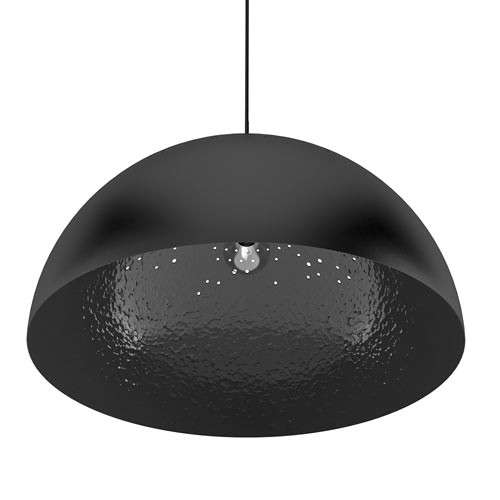

Space shade pendant lights are what happens when practical lighting puts on a tiny astronaut helmet and decides to become the most interesting object in the room. They are pendant lights with shades designed to shape, soften, direct, or dramatize illumination while saving visual space and adding style. Depending on the design, “space shade” can mean a compact pendant for small rooms, a futuristic UFO-inspired shade, a dome that floats like a little moon, or a sculptural fixture that gives a kitchen island, dining nook, hallway, bedroom, or reading corner a polished focal point.
The beauty of these lights is that they do not need to shout. A glass globe pendant can glow quietly above a breakfast table. A metal dome can aim task light exactly where you chop onions and question your life choices. A linen or silk shade can turn a bedroom corner into a calm retreat. And a space-age saucer silhouette can make a modern apartment feel like it has a secret command center, minus the complicated buttons.
This guide explores how space shade pendant lights work, where they look best, how to choose the right size and material, and how to avoid the most common pendant lighting mistakes. The goal is simple: help you pick a pendant that looks intentional, lights beautifully, and does not accidentally bonk tall guests in the forehead.
What Are Space Shade Pendant Lights?
Space shade pendant lights are hanging ceiling fixtures with a shade that controls how the light spreads through a room. Unlike bare-bulb pendants, shaded pendants use a cover, dome, globe, drum, cone, saucer, cylinder, or layered diffuser to influence brightness, glare, direction, and mood. The “space” part can refer to two ideas: saving space in a room and creating a space-age design effect.
In small-space interiors, these pendants are popular because they free up table, counter, and floor area. Instead of using a bulky lamp on a nightstand, for example, a compact pendant can drop from the ceiling and leave the surface clear for a book, phone, water glass, or emergency cookie. In design terms, “space shade” can also point toward mid-century modern and futuristic lighting: UFO shapes, opal globes, acrylic forms, aluminum finishes, mushroom shades, and orbit-like silhouettes.
Think of them as jewelry for the ceiling, but jewelry that also helps you see your dinner. That is a useful upgrade.
Why Space Shade Pendant Lights Are Trending
Lighting has moved far beyond the old “one ceiling fixture and good luck finding your keys” approach. Today, homeowners and designers use lighting as a layered design tool. Pendants are especially loved because they combine task lighting, ambient lighting, and visual personality in one fixture.
They Create a Strong Focal Point
A pendant light naturally draws the eye because it hangs lower than other ceiling fixtures. When the shade has a memorable form, such as a rounded globe, flat saucer, ribbed glass cylinder, wide dome, or layered metal disc, it becomes a design statement. This is especially helpful in minimalist rooms where every object needs to earn its rent.
They Save Useful Surface Space
In small apartments, narrow kitchens, tiny dining areas, and compact bedrooms, every inch matters. Pendant lights can replace table lamps, floor lamps, and oversized ceiling fixtures. They also help define zones in open layouts. A pendant over a kitchen island says, “This is where cooking happens.” A pendant over a reading chair says, “This is where we pretend we will read instead of scrolling.”
They Fit Modern, Retro, and Transitional Homes
Space shade pendant lights are flexible. A brushed metal dome works in an industrial kitchen. A white opal glass globe suits Scandinavian, mid-century, and minimalist interiors. A pleated fabric shade adds softness to traditional or cottage-inspired spaces. A UFO-like saucer pendant brings vintage-futurist charm to modern rooms that need a little personality.
Popular Styles of Space Shade Pendant Lights
1. UFO and Saucer Pendant Lights
UFO-style pendant lights are the poster children of space-age design. They usually feature wide, flattened shades, layered discs, curved metal forms, or acrylic diffusers. These lights work beautifully over dining tables, breakfast nooks, creative studios, and modern living spaces. The silhouette feels playful but still sophisticated when paired with simple furniture and clean finishes.
2. Opal Glass Globe Pendants
Opal glass globes are timeless because they soften light and reduce glare. They can feel retro, modern, or classic depending on the hardware. A single globe pendant can make a small entryway feel polished. A row of globes over a kitchen island adds rhythm without looking too heavy. Choose warm bulbs to avoid the dreaded “dentist office waiting room” effect.
3. Metal Dome Pendants
Metal dome shades are practical and dramatic. They direct light downward, making them excellent for kitchen counters, desks, and dining tables. Matte black, white, brushed nickel, brass, and bronze finishes are common choices. A large dome can feel architectural, while a smaller dome can add task lighting without dominating the room.
4. Drum Shade Pendants
Drum shades offer a softer, more diffused look. Fabric drum pendants are great for bedrooms, dining rooms, and living areas because they create a warm glow rather than a hard spotlight. They are less “spaceship cockpit” and more “stylish hotel lounge,” which may be exactly what your ceiling wants.
5. Ribbed, Fluted, or Smoked Glass Pendants
Textured glass is a smart choice when you want visual interest without heavy color. Ribbed and fluted glass diffuses light and adds movement. Smoked glass feels moody and modern, especially in dining rooms and bar areas. Just remember that darker glass shades may reduce brightness, so bulb selection matters.
6. Acrylic and Polycarbonate Space-Age Shades
Acrylic shades became part of the futuristic lighting story because they can be molded into smooth curves, glowing forms, and bold silhouettes. Contemporary versions often use LED technology and lightweight construction. They are ideal for rooms where you want a sculptural look without the weight of metal or thick glass.
How to Choose the Right Space Shade Pendant Light
Start With the Room’s Job
Before falling in love with a pendant that looks like it was stolen from a 1970s moon base, ask what the room needs. A kitchen island requires clear task lighting. A dining table needs flattering light that does not glare into people’s eyes. A bedroom pendant should feel calm and soft. A hallway pendant needs enough clearance for normal walking, hat-wearing, and dramatic entrances.
When the pendant’s function is clear, style decisions become easier. Downward-facing metal shades are useful for work surfaces. Opal glass and fabric shades are better for gentle ambient glow. Clear glass pendants show off decorative bulbs but may create glare if the bulb is too bright or exposed.
Match the Shade Material to the Mood
Every shade material changes the light. Metal blocks light from passing through the shade and directs it downward. Glass spreads light more openly, especially if it is clear or opal. Fabric diffuses brightness and creates warmth. Rattan or woven shades cast patterns and add texture. Acrylic can feel sleek, modern, and futuristic.
For a cozy dining room, choose opal glass, fabric, or a wide shade with a diffuser. For a kitchen prep zone, consider a metal or glass shade that provides strong downward light. For a bedroom, choose a shade that hides the bulb and softens the glow. Nobody wants to wake up at midnight and stare directly into a tiny artificial sun.
Think About Scale, Not Just Style
One of the biggest pendant lighting mistakes is choosing a fixture that is too small. Tiny pendants can look nervous above a large island or dining table. On the other hand, an oversized pendant in a narrow hallway can feel like an architectural jump scare. A good pendant should feel proportional to the furniture below it and the ceiling height above it.
For kitchen islands, many designers recommend hanging pendants so the bottom of the fixture sits roughly 30 to 36 inches above the countertop. Multiple pendants are often spaced about 24 to 36 inches apart, depending on shade width and island length. Over dining tables, the bottom of the shade often works well around 30 to 36 inches above the tabletop, with adjustments for ceiling height, fixture size, and sightlines.
Use the “Visual Weight” Test
Visual weight is how heavy a fixture feels to the eye. A clear glass globe may be physically large but visually light. A matte black metal dome may be physically smaller but visually bold. A woven shade may feel airy even when oversized. This matters because the shade should balance the room, not bully it.
If your kitchen already has dark cabinets, heavy stone counters, and dramatic hardware, a lighter glass or linen shade may keep the room from feeling crowded. If your dining room is simple and neutral, a dark saucer pendant or sculptural metal shade can bring the drama. The ceiling deserves a character arc too.
Best Places to Use Space Shade Pendant Lights
Kitchen Islands
Kitchen islands are the classic home for pendant lighting. Space shade pendant lights work especially well here because they visually anchor the island and provide useful task light. For a long island, use two or three pendants depending on length and shade size. For a short island, one larger statement pendant may look cleaner than several small fixtures.
Choose durable materials that are easy to clean. Kitchens create steam, grease, and dust, which means delicate fabric shades may require more maintenance. Glass and metal are usually easier to wipe down. Dimmable bulbs are highly recommended so the same island can handle homework, food prep, late-night snacks, and suspiciously competitive board games.
Dining Rooms
A space shade pendant over a dining table can make the entire room feel finished. Round tables pair nicely with globe, drum, saucer, or dome pendants. Rectangular tables can handle linear pendants, multiple small pendants, or a wide oval shade. The key is keeping the fixture centered and low enough to feel intimate without blocking faces across the table.
Bedrooms
Bedroom pendants are underrated. Hanging a pendant on each side of the bed frees up nightstand space and creates a boutique-hotel look. Smaller globes, fabric drums, and soft metal cones are all good choices. Use warm, dimmable bulbs and make sure the switch location is convenient. A gorgeous pendant is less charming if you must perform bedtime gymnastics to turn it off.
Entryways and Hallways
In an entryway, a pendant can create an immediate first impression. A globe, lantern-inspired shade, or futuristic saucer can set the design tone for the rest of the home. In hallways, choose fixtures with enough clearance and avoid overly wide shades in narrow spaces. A slim cylinder or small dome can add style without turning the walkway into an obstacle course.
Reading Corners and Home Offices
A pendant over a reading chair or desk can provide focused light while keeping the floor clear. This is helpful in small rooms where a floor lamp would take up valuable space. Metal shades, cone shades, and adjustable pendants work especially well for these task-focused zones.
Bulb Choice: The Secret Ingredient
The shade may get all the compliments, but the bulb does much of the work. LED bulbs are the standard choice for most modern pendant lights because they use far less energy and last much longer than old incandescent bulbs. For most home spaces, warm white light around 2700K to 3000K feels cozy and flattering. Kitchens, offices, and task areas may benefit from slightly cooler light, around 3000K to 4000K, depending on the finish colors and how crisp you want the space to feel.
Brightness should be measured in lumens, not watts. Watts tell you energy use; lumens tell you brightness. A shaded pendant with dark glass or an opaque shade may need a brighter bulb than a clear glass fixture. If the pendant has an exposed bulb, choose a decorative LED bulb with a comfortable brightness level and avoid harsh glare.
For dining rooms, bedrooms, and living areas, dimmers are worth the upgrade. They let one fixture shift from practical to atmospheric. Full brightness says, “We are cleaning.” Half brightness says, “We are civilized.” Very low brightness says, “Nobody look too closely at the dust.”
Installation and Safety Considerations
Hardwired pendant lights should be installed according to local electrical codes. If you are replacing a simple fixture and already have basic electrical knowledge, the project may appear straightforward, but new wiring, heavy fixtures, old junction boxes, sloped ceilings, and multi-light installations are best handled by a qualified electrician.
Always check whether the fixture is rated for the location. Dry-rated pendants are suitable for typical indoor rooms. Damp-rated fixtures are needed in moisture-prone spaces such as covered porches, bathrooms, or laundry areas where condensation may occur. Wet-rated fixtures are required where direct water exposure is possible. Also confirm ceiling box support, fixture weight, bulb compatibility, dimmer compatibility, and cord or stem adjustability before buying.
Common Mistakes to Avoid
Choosing the Wrong Height
A pendant that hangs too low can block views, glare into eyes, or become an accidental forehead detector. A pendant that hangs too high may feel disconnected from the surface below. Start with standard height guidelines, then adjust based on ceiling height, shade size, sightlines, and the people who use the room.
Using Only One Light Source
Pendants are beautiful, but they should not be forced to do every lighting job alone. A well-lit room usually combines ambient lighting, task lighting, and accent lighting. Pair pendant lights with recessed lights, sconces, under-cabinet lighting, table lamps, or floor lamps when needed. A pendant is a star, not the entire cast.
Ignoring Glare
Clear glass and exposed bulbs can look stylish in product photos but feel harsh in real life. If glare is a concern, choose opal glass, frosted glass, fabric, diffusers, or lower-lumen bulbs. The best pendant light should make the room look good and make the people in it look good. That is called teamwork.
Forgetting Maintenance
Textured glass, ribbed shades, woven materials, and fabric can collect dust. Metal shades show fingerprints depending on the finish. Clear glass can display smudges with theatrical confidence. Choose a material that fits your cleaning personality. If you do not enjoy detailed dusting, avoid fixtures with twelve tiny decorative crevices and a personal vendetta.
Design Ideas for Space Shade Pendant Lights
Modern Kitchen With White Opal Globes
Use three opal globe pendants over a white oak or painted island. Pair them with brushed brass or matte black hardware. The globes add softness and keep the room bright without creating visual clutter.
Retro Dining Room With a UFO Pendant
Choose a wide saucer pendant in white, chrome, or muted color. Place it over a round tulip table or simple wood table. Add curved dining chairs and a large piece of abstract art for a polished mid-century look.
Small Bedroom With Bedside Pendants
Install two small shaded pendants above the nightstands. Use warm dimmable bulbs and simple linen, opal glass, or metal cone shades. This creates symmetry while freeing up surface space.
Moody Bar Area With Smoked Glass
Hang two or three smoked glass pendants over a home bar, coffee station, or console table. Pair them with dark cabinetry, stone counters, and warm LED bulbs. The result feels dramatic without requiring a velvet rope.
Minimal Entryway With a Single Sculptural Shade
Choose one statement pendant in a globe, mushroom, or saucer shape. Keep surrounding decor minimal so the fixture becomes the visual welcome mat.
Buying Checklist for Space Shade Pendant Lights
Before purchasing, confirm the pendant’s diameter, height, cord or stem length, canopy size, bulb base, maximum wattage, LED compatibility, dimmer compatibility, shade material, location rating, and installation requirements. Measure the room and the surface below the light. Consider whether you need one large pendant, a pair, a cluster, or a row of smaller fixtures.
Also ask how the light will look during the day when it is turned off. A pendant is visible all the time, not only when glowing. The shape, finish, and material should complement your furniture, cabinet hardware, wall color, and overall design style. Good lighting should look intentional at breakfast, dinner, and that strange 3:00 p.m. moment when you stare at your kitchen and wonder if you should repaint everything.
Experience-Based Tips: Living With Space Shade Pendant Lights
After using and planning rooms with shaded pendant lighting, one lesson becomes obvious: the best pendant is not always the most dramatic one. It is the one that fits the rhythm of the room. A giant UFO-style pendant may look incredible over a dining table, but in a compact kitchen with upper cabinets, bar stools, and open shelving, it can feel too busy. In that case, a smaller opal globe or a slim metal cone may look more expensive simply because it gives the room breathing space.
Another practical experience is that bulb temperature changes everything. The same pendant can look cozy, cold, romantic, or slightly haunted depending on the bulb. Warm white bulbs usually make brass, wood, linen, rattan, and warm paint colors look richer. Cooler bulbs can work in modern kitchens and work areas, but they need to be chosen carefully. Too cool, and the kitchen begins to feel like a laboratory where the experiment is “How uncomfortable can toast become?”
Height is also more personal than many guides admit. Standard measurements are a helpful starting point, but real homes have real humans. If the people in the home are tall, if the pendant is over a narrow island, or if the room has important sightlines, raise the fixture slightly. If the pendant is over a dining table and the room feels too formal or empty, lowering it a little can create intimacy. The trick is to test the height before final installation. Even taping a paper template or holding the shade in place can prevent expensive regret.
Maintenance matters more than shoppers think. Clear glass pendants look stunning, but they show dust and fingerprints. Ribbed glass hides some smudges but takes more effort to clean. Fabric shades create beautiful softness, but in kitchens they may absorb grease and cooking odors over time. Metal shades are usually easier to clean, but glossy finishes can show every touch. For busy kitchens, powder-coated metal, opal glass, or simple smooth shades are often the easiest to live with.
One of the most satisfying ways to use space shade pendant lights is to create a repeated visual rhythm. Two matching domes over a compact island, three small globes over a long counter, or one large saucer over a round dining table can make a room feel planned rather than randomly assembled. However, matching is not the only option. Mixed pendants can work if they share a finish, shape family, or color temperature. For example, a brass opal globe over the sink can pair beautifully with a brass dome over the island.
The final experience-based tip is to use dimmers whenever possible. Pendant lights often sit close to eye level compared with flush mounts, so controlling brightness is essential. Full brightness is useful for cooking, cleaning, and homework. Lower brightness is better for dinner, conversation, and pretending the kitchen is cleaner than it is. A dimmer turns one pendant into several lighting moods, which is a small upgrade with a big effect.
Conclusion
Space shade pendant lights are stylish, functional, and surprisingly adaptable. They can save surface space, define zones, add task lighting, soften a room, or bring a futuristic space-age twist to everyday interiors. The best choice depends on proportion, shade material, bulb quality, installation height, and the way the room is actually used.
For a kitchen, prioritize durable materials, good task lighting, and practical spacing. For a dining room, focus on warmth, scale, and flattering light. For bedrooms and small spaces, use pendants to free surfaces and create calm atmosphere. For bold interiors, explore saucer, globe, mushroom, and acrylic forms that nod to mid-century space-age design without turning the room into a movie set.
In the end, a great pendant light should do three things: illuminate the space, support the room’s function, and make the ceiling look like it finally joined the design conversation. Choose well, measure carefully, and let your space shade pendant light glow with purpose.
Note: This article is designed for web publication and is based on current lighting design principles, fixture-sizing practices, LED lighting guidance, and real-world interior styling trends. Always verify product specifications, local electrical requirements, and installation conditions before buying or installing a pendant light.