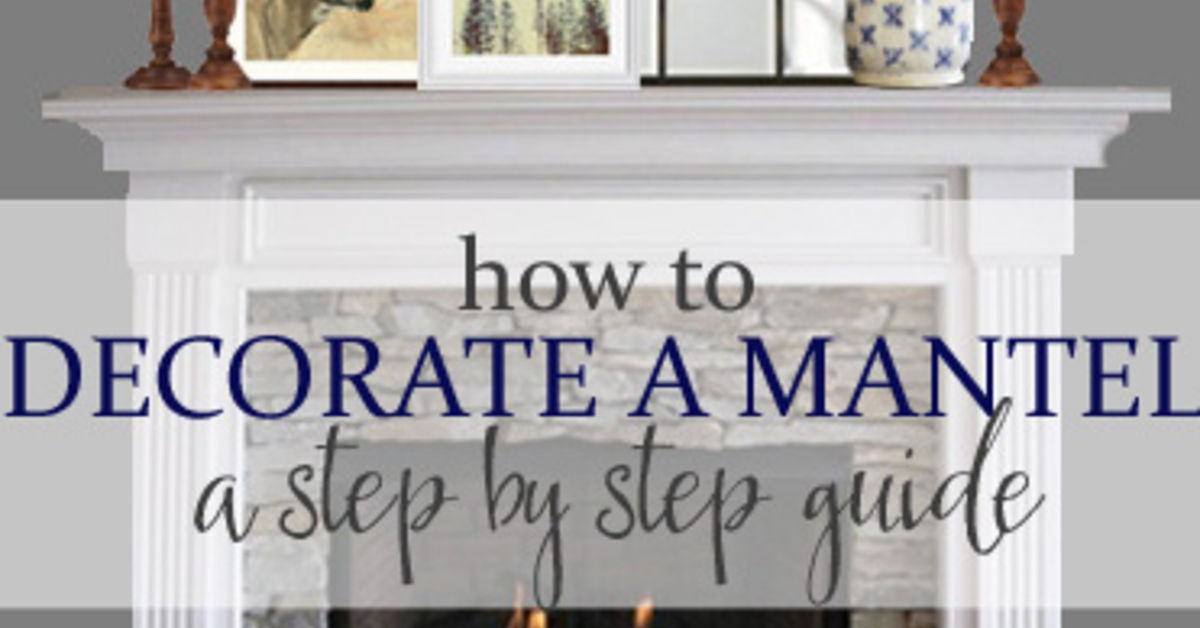

A fireplace mantel is a very small shelf with a suspiciously large amount of responsibility. It must complement the fireplace, connect with the rest of the room, display meaningful objects, survive seasonal decorating experiments, and somehow avoid looking like a clearance aisle after a minor earthquake.
Fortunately, successful mantel decorating is not about owning expensive accessories. It is about choosing an anchor, controlling scale, varying height, layering thoughtfully, and knowing when to stop. Designers frequently use artwork, mirrors, ceramics, plants, books, candlesticks, and personal collections to turn a fireplace into a strong focal point without burying it beneath clutter.
This step-by-step mantel decorating idea works for traditional, modern, farmhouse, transitional, coastal, eclectic, and minimalist homes. It can also be adapted for working fireplaces, electric units, faux fireplaces, and mantels located beneath a television.
Why Mantel Decorating Often Goes Wrong
Most unsuccessful mantel arrangements suffer from one of three problems: everything is the same height, every available inch is filled, or the objects have no relationship to the room. A line of tiny decorations may resemble passengers waiting for a bus. A collection of oversized pieces can make the fireplace look as though it is wearing a hat three sizes too large.
The solution is to treat the mantel as one complete composition rather than a shelf that needs filling. Every piece should contribute to the shape, color palette, texture, or personality of the display.
Start With the Room, Not the Accessories
Before buying anything, stand at the main entrance to the room and look at the fireplace from a distance. Notice the colors, materials, and visual weight already present. Is the fireplace built from dark brick, pale stone, painted wood, marble, or tile? Are the furnishings casual or formal? Does the room contain sharp modern lines or softer traditional curves?
Your mantel decor does not need to match everything perfectly, but it should feel like it belongs to the same conversation. A brass mirror might repeat nearby lamp finishes. A ceramic vase might echo the color of an area rug. A rustic wooden bowl can connect a sleek fireplace with a reclaimed coffee table.
Step 1: Clear and Clean the Entire Mantel
Remove every object, including the pieces you are certain must stay. Starting with an empty surface helps you see the fireplace architecture and prevents you from decorating around an arrangement that stopped working sometime during the previous presidential administration.
Dust the shelf, clean the surround according to its material, and wipe nearby frames or mirrors. Check the stability of the mantel and any wall-mounted hardware. If you plan to lean artwork, confirm that the shelf is deep enough and that the piece cannot slide forward.
Now take a quick photograph of the blank fireplace. This gives you a neutral reference and makes it easier to judge the finished arrangement later.
Step 2: Decide on a Decorating Direction
Choose one clear mood before selecting accessories. You do not need an elaborate design manifesto. A short phrase is enough:
- Warm and collected
- Simple and modern
- Natural and relaxed
- Colorful and artistic
- Traditional with a fresh edge
- Seasonal without becoming a theme park
Next, select a limited color palette. Two or three main colors, supported by neutrals and natural materials, are usually easier to manage than a rainbow of unrelated accents. Draw those colors from the surrounding room so the fireplace feels integrated rather than temporarily borrowed from another house.
Step 3: Choose One Strong Anchor
The anchor is the largest or most visually important element in the arrangement. Common anchors include a framed painting, large photograph, sculptural mirror, decorative panel, wreath, textile, clock, or television.
A strong anchor gives the eye an obvious place to land. Without one, small objects tend to float independently and create visual noise. Mantel styling advice from several design publications follows this same basic sequence: establish a focal piece, then build outward with supporting objects, greenery, and meaningful details.
How Large Should the Anchor Be?
The correct size depends on the fireplace, ceiling height, and surrounding architecture. As a practical starting point, an anchor approximately two-thirds the width of the mantel often feels substantial without overpowering the fireplace. A mirror can be hung several inches above the shelf or carefully leaned when its weight, depth, and mounting conditions permit.
Choose a slightly narrower anchor when you want space for tall objects on both sides. Choose a wider piece when the room is minimal and the anchor will provide most of the decoration.
Step 4: Pick Symmetry or Asymmetry
Symmetrical Mantel Styling
Symmetry uses similar objects on both sides of a centered anchor. Try matching candlesticks, lamps, vases, framed photographs, or small topiaries. This approach feels orderly, traditional, and calm. It is particularly effective in formal rooms or around fireplaces with strong architectural symmetry.
The objects do not have to be identical. Two vases of similar size and color can create balance even when their shapes differ.
Asymmetrical Mantel Styling
Asymmetry creates balance through visual weight rather than duplication. For example, place one tall vase on the left and balance it with two shorter objects on the right. The tall piece occupies more vertical space, while the smaller cluster contributes comparable visual interest.
This style feels relaxed, modern, and collected. It is also more forgiving when your favorite objects did not arrive in perfectly matched pairs.
Step 5: Create Three Levels of Height
A strong mantel arrangement usually contains high, medium, and low elements. The anchor provides the major height. Supporting pieces create a middle level, while small objects or horizontal accessories fill the lowest level.
For example, combine a large round mirror, a medium ceramic vase with branches, and a low stack of books topped with a sculptural object. The result forms a visual triangle that guides the eye around the display.
Avoid placing five objects of nearly identical height in a straight row. Varying height, width, material, and shape creates rhythm and gives the display dimension. Designers also frequently combine larger statement objects with smaller ceramics, candlesticks, photographs, or botanical elements to maintain balance.
Step 6: Layer Instead of Lining Everything Up
Layering is one of the simplest ways to make mantel decor look intentional. Place the largest pieces at the back, medium items slightly forward, and smaller accents in front. Allow some objects to overlap from the viewer’s perspective.
You might lean a small framed sketch against a larger mirror, place a short brass candlestick in front of the frame, and add a shallow bowl beside it. This creates depth without requiring a dozen accessories.
Books are useful styling tools because they elevate small objects and introduce horizontal lines. Remove glossy dust jackets when the underlying covers better suit the palette. Use only books you would be comfortable discussing when a guest picks one up. That decorative copy of an advanced physics textbook may eventually demand answers.
Step 7: Mix Materials and Textures
A mantel becomes more interesting when smooth, rough, reflective, matte, organic, and manufactured surfaces appear together. Consider combining:
- Glazed ceramic with unfinished wood
- Clear glass with aged brass
- Soft greenery with stone or brick
- Woven baskets with polished metal
- Vintage books with contemporary artwork
Do not introduce every material in the home improvement store. Two or three contrasting textures are enough. Repeating at least one finish elsewhere in the room will make the display feel connected.
Step 8: Add Something Organic
Branches, flowers, houseplants, dried grasses, pinecones, seed pods, and seasonal leaves soften hard fireplace materials and introduce movement. A few long branches can create more impact than an overfilled bouquet, especially in a modern or minimalist room.
Fresh greenery is beautiful, but it requires maintenance and may not tolerate heat. Artificial stems can work well when their color, scale, and texture appear realistic. Choose one botanical variety for a restrained arrangement or mix related foliage for a fuller seasonal display.
Natural materials are especially effective when the fireplace is made from stone, brick, concrete, or reclaimed wood. They reinforce the warmth of the architecture without requiring overtly themed decorations.
Step 9: Include One Personal Element
A perfectly coordinated mantel can still feel anonymous. Add one or two objects that reveal something about the household: a small family photograph, inherited clock, framed handwritten recipe, travel souvenir, child’s artwork, vintage camera, handmade pottery piece, or favorite collection.
The goal is not to display the complete family archive. Select objects with enough space around them to be noticed. Personal pieces work best when they are integrated by color, material, or scale rather than dropped randomly into the arrangement.
Step 10: Use Negative Space Deliberately
Negative space is the visible empty area between objects. It gives individual pieces definition and prevents the arrangement from becoming visually exhausting.
After arranging the mantel, remove one item. Then step back. If the display looks clearer, leave that item off. If the arrangement appears unfinished, return it. This tiny editing exercise is surprisingly effective because people commonly add decor long after the composition is complete.
A highly detailed or carved mantel may need very little decoration. A simple stone shelf against a blank wall may support a more layered composition. Let the architecture determine how loudly the accessories need to speak.
Step 11: Check the Mantel From Across the Room
Do not judge the display while standing twelve inches away and holding a vase. Walk to the room’s main seating area and evaluate the whole fireplace.
- Is the anchor centered or intentionally offset?
- Does one side feel much heavier?
- Are the objects visible from normal seating height?
- Does the palette repeat colors already in the room?
- Is there enough empty space?
- Does anything block a television, artwork, or architectural detail?
Take another photograph. Photos flatten the scene and make uneven spacing, awkward tangents, and unnecessary clutter easier to recognize.
A Complete Mantel Decorating Formula
For a reliable arrangement, use this five-part formula:
- One anchor: a mirror, artwork, wreath, or television.
- One tall supporting element: a vase, branch arrangement, sculpture, or candlestick.
- One medium cluster: two or three related objects on the opposite side.
- One low horizontal element: books, a tray, shallow bowl, or decorative box.
- One personal detail: a photograph, heirloom, handmade object, or travel find.
This formula creates height, depth, balance, and personality while remaining flexible enough for nearly every decorating style.
Three Specific Mantel Decorating Examples
Modern Neutral Mantel
Hang a large black-framed abstract print above the mantel. Place a tall ivory vase with two sculptural branches on one side. On the other, stack two neutral books and top them with a low black ceramic bowl. Finish with one small stone object near the center. Keep approximately one-third of the shelf visibly empty.
Warm Traditional Mantel
Center an antique-style mirror above the fireplace. Add matching brass candlesticks near each end, but vary the candle heights. Layer a small framed family photograph against the mirror and place a ceramic vase with seasonal flowers beside it. A wooden box or vintage book stack adds warmth and prevents the arrangement from feeling overly formal.
Relaxed Collected Mantel
Lean a colorful painting slightly off center. Place a tall handmade vase on the shorter side of the painting and create a cluster of three smaller objects on the opposite side. Include a travel souvenir, a framed sketch, and a shallow dish. Repeat one color from the artwork in at least two accessories.
How to Decorate a Mantel With a TV
A television already functions as a large dark anchor, so the mantel below it should remain relatively simple. Use low accessories that do not block the screen or interfere with sensors. A shallow bowl, short candlesticks, compact ceramics, or one vase positioned safely to the side may be enough.
Wall sconces or narrow vertical accents beside the television can add height without crowding the shelf. Designers generally recommend keeping the arrangement restrained and making sure decorations do not obstruct the screen.
Confirm the television manufacturer’s installation and heat-clearance guidance before mounting a TV above an active fireplace. Heat behavior varies by fireplace type, mantel construction, ventilation, and installation.
Fireplace Mantel Safety Comes Before Style
Decorating guidance changes when the fireplace is active. Fabric garlands, paper decorations, dry greenery, dangling ribbons, stockings, and other combustible materials should not be exposed to heat, sparks, or flame. The U.S. Fire Administration advises keeping anything that can burn at least three feet from fireplaces and other heat sources. It also recommends keeping candles at least twelve inches from combustible items and using stable holders or flameless alternatives.
Remove potentially flammable mantel decorations before lighting a fire, even when the display looked safely positioned while the fireplace was cold. Follow the fireplace manufacturer’s instructions, local building requirements, and professional recommendations for your specific installation.
Use battery-operated candles when greenery, fabric, paper, children, pets, or narrow surfaces make open flames risky. A realistic LED candle provides atmosphere without asking your garland to pass an unexpected survival test.
Seasonal Updates Without Rebuilding the Entire Display
Keep the main anchor and one or two permanent objects throughout the year. Change only the botanical element, one accent color, and a few small accessories.
- Spring: flowering branches, pale ceramics, and light woven textures.
- Summer: clear glass, coastal colors, greenery, and collected shells used sparingly.
- Fall: amber glass, dried leaves, warm metals, and small natural gourds.
- Winter: evergreen branches, wood tones, metallic accents, and flameless candlelight.
This approach reduces storage, prevents visual overload, and keeps the fireplace connected to the permanent room design.
Common Mantel Decorating Mistakes
Using Too Many Tiny Objects
Group small pieces on a tray or replace several with one larger object. A collection appears more intentional when it reads as a unit.
Ignoring Scale
A tiny picture above a wide fireplace usually looks stranded. Increase the size of the anchor or create a coordinated gallery arrangement.
Making Both Sides Equally Busy
Balance does not require identical quantities. One tall vase may visually balance three smaller pieces.
Choosing Decor That Competes With the Fireplace
If the stone, tile, or woodwork is already dramatic, simplify the accessories. Let the architectural feature remain the star.
Following a Trend Too Literally
Use current colors or shapes as accents rather than replacing every object with the same fashionable item. Your mantel should look like your home, not an algorithm’s group project.
Conclusion
The most effective step-by-step idea for decorating a mantel is surprisingly straightforward: clear the surface, study the room, choose one anchor, create varied heights, layer a small number of meaningful objects, add natural texture, and preserve empty space. The arrangement should support the fireplace rather than compete with it.
Start with pieces you already own before shopping. Artwork, books, ceramics, photographs, and small heirlooms often create a more interesting display than a coordinated set purchased in one afternoon. Once the mantel feels balanced from across the room, resist the urge to add three more things simply because there is technically room.
Extended Experience Notes: What Mantel Styling Teaches You
One of the most common experiences during mantel decorating is the belief that the first arrangement is nearly finished. It rarely is. The objects may look attractive individually, but once they are placed together, differences in scale become obvious. The vase that appeared elegant on a store shelf suddenly looks tiny beneath a six-foot-wide mantel. The charming framed photograph disappears against dark brick. The large mirror reflects a ceiling fan, a hallway light, and somebody standing in the kitchen eating cereal directly from the box.
This is why decorating a mantel is best treated as an editing process rather than a single setup. Place the anchor first and live with it for a few minutes. View it while sitting down, standing at the doorway, and walking through the room. A mirror should reflect something worth seeing. Artwork should remain visible from the primary seating area. A television should not force every accessory into an awkward crouch beneath it.
Another practical lesson is that height solves more problems than quantity. When an arrangement feels empty, the instinct is often to add several small pieces. A better solution may be one taller branch, a larger frame, or a candlestick raised on a book. Increasing vertical movement makes the composition feel complete without consuming the entire shelf.
Color also behaves differently on a mantel than it does in your hand. Small accents can become powerful because the fireplace naturally attracts attention. A bright red vase may be delightful in a colorful room but dominate a quiet neutral space. Repeating that red in a nearby pillow, painting, or rug helps it feel intentional. Without repetition, the vase may look as though it arrived early for a different decorating project.
Seasonal displays reveal another useful truth: recognizable symbols are strongest in small doses. One group of pumpkins communicates fall. Twelve pumpkins, three wooden signs, six leaf garlands, and a miniature scarecrow committee may communicate that the mantel has seized control of the house. Keeping the permanent anchor in place while changing only a few accents produces a calmer and more sophisticated result.
Personal objects usually improve the display, but only when they can be seen. A meaningful photograph squeezed behind a vase is technically present but emotionally unemployed. Give sentimental pieces a clear position, and remove nearby clutter so guests can notice them. The same rule applies to collections. Three related objects often tell the story more effectively than fifteen.
The final and perhaps most valuable experience is learning when the arrangement is finished. A successful mantel may initially seem slightly emptier than expected. After a day or two, that breathing room begins to feel intentional. The fireplace architecture becomes visible, the anchor gains importance, and each accessory contributes something specific. When removing one object makes the composition feel incomplete, but adding another makes it crowded, the mantel has reached its sweet spot.
At that point, take a photograph and save it. The picture becomes a useful reference after cleaning, holiday decorating, or the mysterious household event in which every object moves several inches and nobody admits responsibility.
Final Takeaway
A mantel does not need more decor; it needs clearer relationships between the decor. Build around one focal point, vary the heights, repeat materials from the room, display something personal, and leave enough empty space for the composition to breathe. When the fireplace is active, treat safety requirements as nonnegotiable and remove combustible decorations before use.
SEO Information