
Inflation is one of those economic words that sounds polite in a news headline and then walks into your grocery bill wearing muddy boots. One month, your favorite cereal costs $4.99. A few months later, it is $6.49, the box is smaller, and somehow the cartoon tiger looks more confident than you do. That, in everyday terms, is inflation: a broad rise in prices that reduces the purchasing power of money.
But inflation is not a single villain with one simple motive. Economists often explain it through three main types: demand-pull inflation, cost-push inflation, and built-in inflation. Each one has a different cause, a different pattern, and a different “personality.” Demand-pull inflation is the excited shopper. Cost-push inflation is the stressed supplier. Built-in inflation is the expectation machine that keeps saying, “Well, prices went up last year, so they will probably go up again.”
Understanding the three kinds of inflation matters because it helps explain why prices rise, why some price increases fade quickly, and why others become stubborn. It also helps consumers, businesses, and policymakers avoid blaming the wrong suspect. Not every inflation problem comes from too much money chasing too few goods. Sometimes oil prices jump. Sometimes rent lags behind the market. Sometimes workers and businesses simply adjust their behavior because they expect prices to keep rising.
What Is Inflation?
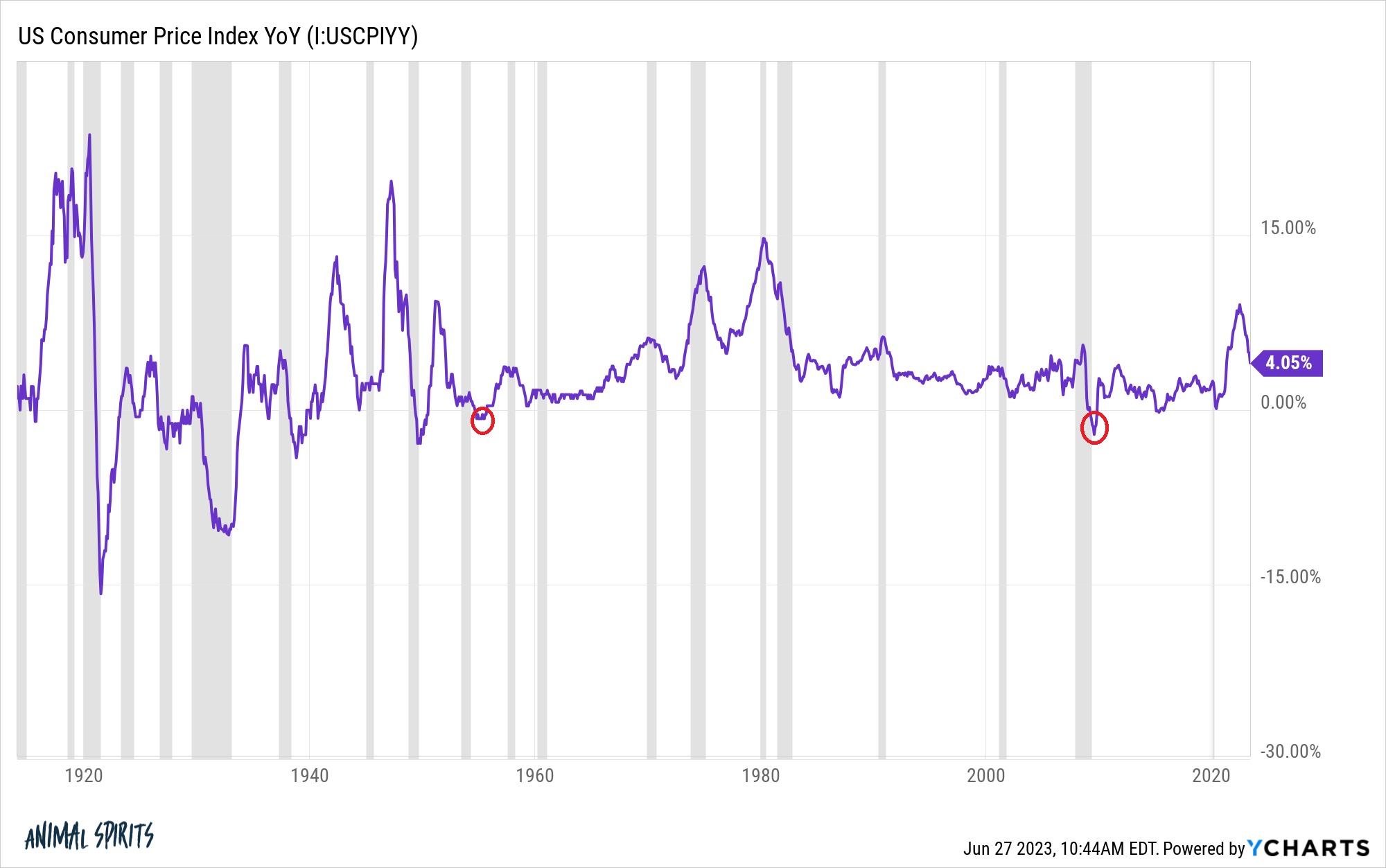
Inflation is the rate at which the overall price level for goods and services increases over time. In the United States, two of the most watched measures are the Consumer Price Index, or CPI, and the Personal Consumption Expenditures Price Index, or PCE. CPI focuses on a basket of goods and services purchased by urban consumers. PCE, produced by the Bureau of Economic Analysis, is closely watched by the Federal Reserve and is the measure tied to the Fed’s long-run 2 percent inflation goal.
Inflation does not mean every price rises at the same speed. Gasoline may jump while electronics fall. Rent may stay elevated even after used-car prices cool down. Food, energy, housing, medical care, transportation, and services all move for different reasons. That is why economists often look beyond the headline number and ask a more useful question: what kind of inflation are we dealing with?
The 3 Kinds of Inflation Explained
The three classic kinds of inflation are demand-pull, cost-push, and built-in inflation. They can appear separately, but in real life they often show up together like an uninvited group chat. A strong economy can raise demand. Supply problems can push up costs. Then expectations can make those increases last longer than expected.
1. Demand-Pull Inflation: When Demand Runs Hot
Demand-pull inflation happens when overall demand for goods and services grows faster than the economy’s ability to supply them. In plain English, too many buyers are chasing too few products. Businesses notice that customers are willing to pay more, so prices rise.
This type of inflation often appears during periods of strong economic growth. People have jobs, wages are rising, credit is available, and confidence is high. Consumers buy more cars, book more trips, upgrade appliances, and go out to eat more often. Businesses invest, hire, and expand. That is good newsuntil demand starts outrunning supply.
Imagine a small beach town before a holiday weekend. Hotels are limited, restaurant tables are limited, and everyone suddenly wants the same ocean-view room. Prices rise not because towels became more expensive or because the hotel owner discovered a rare economic theory, but because demand is stronger than supply. That is demand-pull inflation in flip-flops.
At the national level, demand-pull inflation can be fueled by low interest rates, strong wage growth, government stimulus, rising asset values, or consumer optimism. If households have more income and businesses cannot produce enough to match that spending, prices can climb.
The post-pandemic period offered a vivid example. As the economy reopened, many households had savings, pent-up demand, and a strong desire to spend on goods, travel, restaurants, and housing. At the same time, supply chains were still recovering. This combination made it difficult to separate demand-pull from cost-push inflation because both forces were working at once.
Signs of Demand-Pull Inflation
Demand-pull inflation usually comes with strong consumer spending, tight labor markets, rising wages, and businesses operating near capacity. You may see sold-out flights, long restaurant waits, crowded housing markets, and companies raising prices without losing many customers.
The key clue is that people are still buying even after prices increase. When demand stays strong, businesses have more pricing power. If customers keep saying, “Fine, I’ll pay it,” inflation gets room to breathe.
How Demand-Pull Inflation Can Be Cooled
Central banks usually respond to demand-pull inflation by raising interest rates or keeping policy restrictive. Higher borrowing costs can slow spending on homes, cars, business investment, and credit-card purchases. The goal is not to crush the economy, but to cool demand enough that supply can catch up.
Fiscal policy can also matter. Broad government spending or tax cuts may increase demand, while more targeted policies can avoid overheating the entire economy. In other words, if the economy is already sprinting, handing it an energy drink may not be the best move.
2. Cost-Push Inflation: When Production Gets More Expensive
Cost-push inflation happens when the cost of producing goods and services rises, forcing businesses to raise prices. Instead of demand pulling prices upward, costs push them upward.
Common triggers include higher oil prices, rising food costs, wage pressures, supply-chain disruptions, tariffs, natural disasters, wars, transportation bottlenecks, and shortages of key materials. If it costs more to make, ship, store, or staff something, businesses often pass at least part of that cost to consumers.
Think about a pizza shop. If cheese, flour, rent, electricity, delivery insurance, and wages all rise, the owner has three choices: absorb the costs, shrink the pizza, or raise prices. Usually, the menu eventually changes. Customers may complain, but the mozzarella math is undefeated.
Energy is a classic example of cost-push inflation because fuel touches almost everything. Higher oil and gas prices affect transportation, farming, manufacturing, airline tickets, delivery fees, and heating bills. Even companies that do not directly sell energy may face higher costs because their suppliers do.
Cost-Push Inflation and Supply Shocks
A supply shock is a sudden event that reduces supply or makes production more expensive. A hurricane can damage refineries. A war can disrupt energy markets. A drought can reduce crop yields. A port backup can delay imported goods. These shocks may push prices up even if consumer demand is not especially strong.
This is why cost-push inflation can be frustrating. Consumers may reduce spending, yet prices still rise because the problem starts on the supply side. It is like turning down the thermostat when the roof is leaking. Helpful, perhaps, but not enough.
How Cost-Push Inflation Can Be Addressed
Cost-push inflation is harder for central banks to fix directly. Higher interest rates can reduce demand, but they cannot instantly produce more oil, unload ships faster, grow wheat, or build apartments overnight. That is why supply-side solutions matter.
Governments and businesses may respond by improving logistics, reducing bottlenecks, expanding energy production, investing in infrastructure, increasing competition, or removing unnecessary barriers to supply. In some cases, price pressures fade naturally as supply normalizes. In other cases, they become embedded in contracts, wages, rents, and expectations.
3. Built-In Inflation: When Expectations Keep the Cycle Going
Built-in inflation, sometimes called wage-price inflation or inflation driven by expectations, happens when people and businesses expect prices to keep rising and then act in ways that make those increases more likely.
Workers ask for higher wages because rent, food, insurance, and transportation cost more. Businesses raise prices to cover higher wages and expected future costs. Suppliers adjust contracts upward. Landlords raise rents. Consumers buy earlier because they expect prices to rise later. The result can become a feedback loop.
Built-in inflation is less dramatic than a sudden oil shock, but it can be more persistent. It lives in expectations, annual contracts, salary negotiations, lease renewals, and pricing strategies. It is inflation with a calendar invite.
The Wage-Price Spiral
The wage-price spiral is the most famous form of built-in inflation. When prices rise, workers demand higher pay to maintain their standard of living. When wages rise, businesses may raise prices to protect margins. Then workers need another raise, and the loop continues.
Higher wages are not automatically bad. In a healthy economy, wages should rise with productivity and living standards. The problem appears when wage and price increases chase each other without enough productivity growth to support them. Then the economy gets higher nominal numbers but not necessarily more real purchasing power.
Why Inflation Expectations Matter
Inflation expectations are powerful because they influence behavior before price changes actually happen. If consumers believe prices will rise, they may buy now. If businesses believe costs will rise, they may raise prices early. If workers believe inflation will stay high, they may negotiate higher raises. Expectations can become self-reinforcing.
This is why central banks spend so much time talking about credibility. When people believe inflation will return to a stable target, temporary shocks are less likely to become permanent. When people stop believing that, inflation can become much harder to control.
How the Three Kinds of Inflation Work Together
In textbooks, the three kinds of inflation sit neatly in separate boxes. In real life, they spill coffee on each other.
Consider a simplified example. A strong economy increases demand for air travel. Airlines sell more tickets and raise fares. That is demand-pull inflation. Then fuel prices rise because of a global supply disruption. That is cost-push inflation. Airline workers, seeing higher living costs and strong company revenues, negotiate higher wages. Airlines raise fares again to cover labor costs. That is built-in inflation.
The same pattern can appear in housing. Demand rises because more people want homes, mortgage rates were once low, and remote work changed location preferences. Construction costs rise because lumber, labor, land, and financing become more expensive. Then rent expectations adjust, leases reset, and housing inflation stays elevated even after some market pressures cool. One category, three inflation stories.
Inflation Examples Consumers Recognize
Groceries
Food inflation can include all three types. Demand may rise for certain products. Input costs such as fuel, fertilizer, packaging, labor, and transportation may increase. Then grocery chains and suppliers may build expected cost increases into future pricing. The result is a shopping cart that feels personally offended by your budget.
Gasoline
Gas prices are often cost-push inflation in action. Crude oil prices, refinery capacity, geopolitical events, seasonal fuel blends, and distribution issues can all affect prices. Demand matters too, especially during travel seasons, but supply conditions often play a starring role.
Rent and Housing
Housing inflation can be slow-moving because leases renew gradually and housing supply takes time to build. Demand for housing can rise quickly, but new apartments and homes do not appear by magic. Construction delays, zoning rules, labor shortages, financing costs, and land constraints can keep supply tight.
Restaurants
Restaurant prices combine food costs, wages, rent, utilities, delivery fees, and customer demand. When diners keep coming despite higher menu prices, demand-pull pressure may exist. When ingredients and wages rise, cost-push pressure appears. When owners expect next year’s costs to rise too, built-in inflation joins the table and asks for sparkling water.
Why Inflation Feels Different From the Official Numbers
Many people hear an inflation number and think, “That cannot be right. My life is more expensive than that.” Often, they are not imagining it. Official inflation measures are averages across many categories and households. Your personal inflation rate depends on what you buy, where you live, whether you rent or own, how much you drive, your medical costs, and your family size.
A retiree with high medical expenses may experience inflation differently from a college student with rent and tuition pressures. A commuter is more sensitive to gasoline prices than someone who works from home. A family with young children feels food, childcare, clothing, and school costs differently from a single adult.
That is why inflation is both a macroeconomic statistic and a kitchen-table experience. The national number matters, but your receipts tell their own story.
Practical Experiences Related to the 3 Kinds of Inflation
From a household perspective, the three kinds of inflation show up in different ways. Demand-pull inflation often feels like competition. You notice it when apartments get rented before you can schedule a viewing, when flights get expensive during peak travel, or when a contractor says the next available appointment is six weeks away. The feeling is not just “prices are high.” It is “everyone wants the same thing I want, and I am bidding against them.”
Cost-push inflation feels different. It often arrives as an explanation printed in small type: fuel surcharge, delivery fee, materials adjustment, service charge, supplier increase. You may hear a local bakery explain that butter and eggs cost more, or a mechanic say parts are delayed and more expensive. The frustrating part is that your personal demand may not have changed at all. You did not suddenly become extravagant. The basic cost of providing the product or service changed underneath you.
Built-in inflation is the sneakiest because it changes planning behavior. Families start assuming that next year’s vacation, insurance premium, grocery bill, or rent renewal will be higher. Businesses update price lists more frequently. Workers become more focused on cost-of-living raises. Landlords, suppliers, and service providers may set prices with a cushion because they expect their own costs to rise. Once this mindset spreads, inflation becomes less of a surprise and more of a habit.
For consumers, one useful experience is learning to separate temporary price spikes from permanent budget changes. A sudden jump in gasoline may be painful but temporary. A rent increase, insurance increase, or tuition increase may reset the monthly baseline. That difference matters. Temporary spikes call for short-term adjustments; permanent increases require a new budget structure.
For small businesses, inflation creates a pricing puzzle. Raise prices too quickly, and customers may leave. Wait too long, and margins disappear. Many owners learn to watch input costs carefully, communicate clearly, and avoid surprising loyal customers. A restaurant that quietly raises every menu item overnight may get backlash. A restaurant that explains rising ingredient and labor costs, updates portions honestly, and improves service may keep trust.
For workers, inflation changes the meaning of a raise. A 4 percent raise sounds good until inflation is running higher than that. What matters is real purchasing power, not just the number on a paycheck. This is why many employees pay closer attention to benefits, commuting costs, remote-work options, health premiums, and retirement contributions during inflationary periods.
The biggest practical lesson is that inflation rewards awareness. You do not need to become a full-time economist, wear elbow patches, or whisper “monetary transmission mechanism” at dinner. But knowing whether prices are rising because of demand, costs, or expectations helps you make better decisions. It can guide when to buy, when to wait, when to negotiate, and when to adjust long-term plans.
How to Protect Your Budget During Inflation
No household can control national inflation, but households can respond intelligently. Start by identifying your biggest inflation-sensitive categories: housing, food, transportation, insurance, healthcare, utilities, and debt payments. Small savings are nice, but the big categories usually decide whether a budget survives.
Next, separate wants from needs without turning life into a joyless spreadsheet dungeon. Inflation does not mean you must cancel every pleasure. It means you should become more intentional. If restaurant prices rise, maybe choose fewer meals out but make them better. If grocery prices climb, plan meals around flexible ingredients. If insurance jumps, compare providers before renewing.
Finally, focus on income as well as expenses. Inflation is not only a cutting problem; it is also an earning problem. Updating skills, negotiating pay, seeking better benefits, or building side income can matter more than switching to off-brand paper towels forever.
Conclusion: Inflation Has More Than One Engine
The three kinds of inflationdemand-pull, cost-push, and built-inhelp explain why prices rise and why inflation can be so difficult to manage. Demand-pull inflation happens when spending outruns supply. Cost-push inflation happens when production becomes more expensive. Built-in inflation happens when expectations, wages, and prices reinforce one another over time.
The most important takeaway is that inflation is not just a number on a government report. It is a chain reaction that moves through paychecks, grocery aisles, rent renewals, business invoices, interest rates, and everyday decisions. When you understand the type of inflation you are seeing, the economy becomes less mysteriousand your budget becomes a little less defenseless.
Inflation may never be anyone’s favorite topic. It is unlikely to replace sports, movies, or neighborhood gossip at dinner. But understanding it gives you a practical advantage. Prices may rise, but confusion does not have to rise with them.