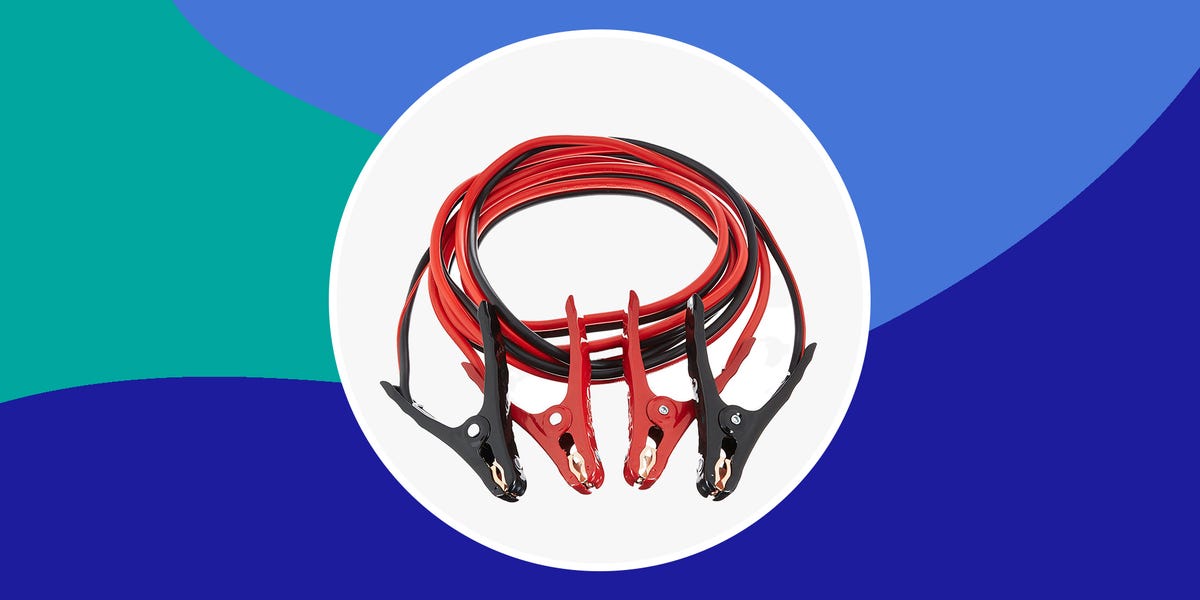

Note: This guide is written for everyday drivers who want a reliable set of jumper cables before the dashboard lights go dark, the starter clicks like a tired cricket, and everyone suddenly remembers they should have bought emergency gear last winter.
Why Good Jumper Cables Still Matter
A dead car battery has spectacular timing. It rarely gives up in your driveway on a sunny Saturday with coffee in hand. No, it prefers a freezing grocery-store parking lot, a gas station at midnight, or that exact morning when you are already late. That is why a dependable set of jumper cables belongs in every trunk, cargo area, or pickup toolbox.
Portable jump starters are popular, and they are useful. But classic jumper cables still have two big advantages: they are affordable and they do not need to be charged. As long as another vehicle or compatible power source is nearby, a quality set of booster cables can bring a weak 12-volt battery back to life long enough to get you moving.
The catch? Not all jumper cables are equal. Thin, short, flimsy cables may look fine in the package, but they can struggle with larger engines, cold weather, or deeply drained batteries. The best jumper cables use the right wire gauge, have enough length to reach awkwardly parked vehicles, include strong insulated clamps, and store neatly so they are not a tangled orange-and-black snake living rent-free in your trunk.
How We Chose the Best Jumper Cables
To build this list, we compared information from reputable U.S. automotive, consumer, retail, and battery-safety sources, including hands-on gear testing, battery buying guides, roadside safety advice, and product specifications. We focused on the features that matter most in real emergencies rather than shiny marketing promises.
Key factors we considered
- Gauge: Lower numbers mean thicker cable. For most passenger vehicles, 4-gauge or 6-gauge cables are a practical sweet spot. Trucks, diesel vehicles, and larger SUVs often benefit from 1-gauge or 2-gauge cables.
- Length: A 16-foot cable can work, but 20 feet is more flexible. Extra-long 25-foot or 30-foot cables help when cars cannot be parked nose-to-nose.
- Clamp quality: Strong jaws, insulated handles, and good terminal contact matter. A cable is only as useful as the clamp connection.
- Material: Pure copper conducts very well, but many affordable cables use copper-clad aluminum. CCA can work well when properly sized, but buyers should understand what they are getting.
- Storage: A carrying bag or case keeps cables clean, untangled, and easy to find when your battery has chosen drama.
- Value: The best jumper cables are not always the most expensive. They are the ones that match your vehicle and driving conditions.
The 5 Best Jumper Cables for Car Battery Emergencies
| Rank | Best Pick | Best For | Typical Specs |
|---|---|---|---|
| 1 | Cartman 4-Gauge Jumper Cables | Most drivers | 20 ft, 4-gauge, carry bag, terminal brush |
| 2 | Energizer 1-Gauge Heavy Duty Jumper Cables | Trucks, SUVs, cold weather | 25–30 ft, 1-gauge, 800A rating on many versions |
| 3 | TOPDC 4-Gauge Jumper Cables | Long reach and roadside flexibility | 20–25 ft, 4-gauge, heavy-duty clamps, storage bag |
| 4 | EPAuto 4-Gauge Booster Jumper Cables | Budget-friendly emergency kits | 20 ft, 4-gauge, often bundled with bag and gloves |
| 5 | EverStart Smart Protector Jumper Cables | Extra safety feedback | About 16 ft, 6-gauge, reverse-polarity alert feature |
1. Cartman 4-Gauge Jumper Cables Best Overall for Most Vehicles
Cartman 4-gauge jumper cables are a strong everyday pick because they balance power, length, price, and storage. A 20-foot cable gives most drivers enough reach for typical parking-lot situations, even when the helpful donor car cannot park perfectly bumper-to-bumper. That extra reach can be the difference between a smooth jump-start and a comedy routine involving three people waving directions.
The 4-gauge size is suitable for many cars, crossovers, minivans, and light trucks. These cables are commonly sold with a carrying bag and, in some kits, a battery terminal cleaning brush. That little brush is more useful than it sounds. Corroded terminals can block a good connection, and a jump-start attempt with poor contact is like trying to drink a milkshake through a coffee stirrer.
The main thing to know is that many Cartman models use copper-clad aluminum rather than pure copper. That is not automatically a dealbreaker, especially because the cables are thick enough for many common uses. But for heavy diesel trucks, frequent professional use, or severe cold starts, a more robust 1-gauge or pure-copper option may be better.
Best for: Sedans, small SUVs, crossovers, and drivers who want a practical, affordable, trunk-friendly set.
2. Energizer 1-Gauge Heavy Duty Jumper Cables Best for Trucks and Cold Weather
If your vehicle is large, your winters are rude, or your battery seems to have a flair for collapsing at the worst possible moment, Energizer 1-gauge heavy-duty jumper cables are worth serious consideration. The lower gauge means thicker cable, which helps carry more current with less resistance. That is especially useful for trucks, full-size SUVs, vans, and vehicles with bigger engines.
Many Energizer heavy-duty versions are rated around 800 amps and come in 25-foot or 30-foot lengths. That reach is excellent when a disabled vehicle is parked against a wall, stuck in a narrow driveway, or buried nose-first in a crowded parking lot. The cables are typically designed to remain flexible in very cold temperatures, which matters because stiff cables in winter are about as fun as folding frozen garden hose.
The trade-off is storage. Thick, long cables take up more space and weigh more. If you drive a compact car and only want an emergency set for rare use, these may be more cable than you need. But for trucks, rural driving, winter commuting, and family road-trip vehicles, the extra capability is comforting.
Best for: Pickup trucks, large SUVs, vans, cold climates, and drivers who prefer overbuilt emergency gear.
3. TOPDC 4-Gauge Jumper Cables Best Extra-Long Everyday Set
TOPDC 4-gauge jumper cables are a smart choice for drivers who want more reach without jumping all the way to bulky 1-gauge cables. Depending on the model, TOPDC sets are commonly available around 20 to 25 feet long, with heavy-duty clamps and an included storage bag. The extra length is the star of the show.
Longer cables are useful because real life does not arrange cars like a product photo. Sometimes the good battery is on the wrong side. Sometimes the dead car is wedged between two vehicles. Sometimes the person helping you parks like they are docking a boat in high wind. A longer cable gives you more options and less stress.
TOPDC models are often made with copper-clad aluminum and heavy insulation. Some versions advertise cold-weather flexibility and strong clamp teeth. For most drivers, a 4-gauge TOPDC set provides a good mix of current capacity and convenience. Just remember that longer cables can be harder to coil neatly, so use the bag instead of tossing them in the trunk like spaghetti.
Best for: Drivers who want a longer cable for awkward parking situations, SUVs, crossovers, and general emergency kits.
4. EPAuto 4-Gauge Booster Jumper Cables Best Budget Emergency Kit
EPAuto 4-gauge jumper cables are popular because they deliver the basics at a reasonable price. Many kits include a 20-foot cable, a travel bag, and sometimes safety gloves. That combination makes them appealing for a first roadside emergency kit, especially for drivers who do not want to overspend but also do not want tiny 10-gauge cables that may disappoint when the battery is truly drained.
The 20-foot length is generous for the price category, and 4-gauge sizing is more reassuring than bargain-bin cables meant only for small cars. EPAuto is a good choice for commuters, students, first-time car owners, and anyone assembling a practical trunk kit with jumper cables, a flashlight, tire inflator, gloves, and a basic first-aid pack.
As with many affordable options, pay close attention to the clamps and storage. Before relying on any budget jumper cable set, inspect the insulation, clamp spring strength, and jaw alignment. You do not need professional-shop equipment for occasional use, but you do need cables that grip cleanly and do not feel like they were assembled during a lunch break.
Best for: Budget-conscious drivers, compact cars, sedans, small SUVs, and emergency kits.
5. EverStart Smart Protector Jumper Cables Best for Safety Feedback
EverStart Smart Protector jumper cables stand out because some versions include a built-in readout or alert device that can warn about reverse polarity. That matters because connecting jumper cables backward can damage electronics, create sparks, or turn a simple dead battery into a much more expensive afternoon.
These cables are often around 6-gauge and roughly 16 feet long, which makes them better suited to passenger cars and routine use than large trucks or diesel engines. The shorter length is easier to store, but it also means vehicle positioning matters more. If the two batteries are far apart, you may have to reposition the donor vehicle.
The safety feature is the big advantage. New drivers, occasional drivers, or anyone who gets nervous under the hood may appreciate the added feedback. It does not replace reading the manual or following the correct jump-start order, but it can provide an extra layer of confidence.
Best for: Newer drivers, small to midsize vehicles, and anyone who values reverse-polarity warning features.
What Gauge Jumper Cables Do You Need?
For most drivers, 4-gauge jumper cables are the best all-around choice. They are thick enough for many real-world dead battery situations but still manageable to store. Six-gauge cables can work for many passenger cars, especially if the battery is weak rather than completely drained. Eight-gauge and 10-gauge cables are usually better reserved for small vehicles or light-duty use.
For larger vehicles, go thicker. A full-size truck, diesel pickup, large SUV, or work van may need 1-gauge or 2-gauge cables, especially in cold weather. Bigger engines require more cranking power, and cold batteries are less cooperative. Think of cable gauge like a highway: the wider the road, the easier it is for traffic to move. Thin cables can create a bottleneck.
How Long Should Jumper Cables Be?
A 12-foot set is the minimum many drivers should consider, but it can be limiting. A 16-foot cable is better. A 20-foot cable is the practical sweet spot for most people. It gives you room to connect vehicles when batteries are on opposite sides or when the donor car cannot get perfectly close.
Extra-long 25-foot or 30-foot cables are excellent for trucks, garages, trailers, and awkward parking spaces. The downside is bulk. Longer cables are heavier and may need thicker wire to maintain strong current flow. If you buy extra-long cables, do not go too thin on gauge.
How to Use Jumper Cables Safely
Always check your vehicle owner’s manual first, especially with hybrids, EVs, luxury vehicles, and cars with remote jump-start posts. Some vehicles have specific procedures that should be followed.
- Park the working vehicle close enough for the cables to reach, but do not let the vehicles touch.
- Turn off both vehicles and switch off lights, radio, climate controls, and accessories.
- Connect one red clamp to the positive terminal of the dead battery.
- Connect the other red clamp to the positive terminal of the good battery.
- Connect one black clamp to the negative terminal of the good battery.
- Connect the final black clamp to an unpainted metal ground point on the disabled vehicle, away from the battery when possible.
- Start the working vehicle and let it idle for several minutes.
- Try starting the dead vehicle.
- Once it starts, remove the cables in reverse order.
- Drive the revived vehicle long enough to help recharge the battery, or have the battery and charging system tested.
Never let the clamps touch each other while connected. Avoid leaning over the battery. Wear eye protection and gloves if available. If the battery is cracked, leaking, frozen, swollen, or smells strongly of sulfur, do not jump-start it. Call roadside assistance or a qualified technician instead.
Jumper Cables vs. Portable Jump Starters
Jumper cables and portable jump starters solve the same basic problem in different ways. Jumper cables need another vehicle or battery source. Portable jump starters are self-contained battery packs, so they are more convenient when you are alone. However, jump starters must be charged periodically, and cheap models may not perform well on larger engines or in extreme cold.
The best setup is simple: keep a quality set of jumper cables in the vehicle and consider adding a portable jump starter if you often drive alone, travel at night, or park in remote areas. Cables are the dependable backup. The jump pack is the independent superhero. Together, they make a strong roadside emergency team.
Common Mistakes When Buying Jumper Cables
Buying cables that are too thin
A bargain 10-gauge set may be tempting, but it can struggle with a fully dead battery or larger engine. Spending a little more for 4-gauge cables is usually smarter.
Choosing cables that are too short
Short cables are easier to store but frustrating when vehicles cannot be positioned perfectly. For most drivers, 20 feet is a safer choice.
Ignoring clamp quality
Weak clamps can slip off terminals, especially in cramped engine bays. Look for strong springs, solid teeth, and insulated handles.
Forgetting storage
A bag or case is not just a bonus. It keeps cables organized and helps protect insulation from abrasion, moisture, and trunk clutter.
Assuming every dead battery should be jumped
If a battery is damaged, leaking, frozen, or repeatedly dying, jumper cables are not the real fix. The battery, alternator, or electrical system may need service.
Real-World Experience: What It Is Actually Like to Use Jumper Cables
The first thing you learn from using jumper cables in real life is that emergencies do not care about perfect conditions. Product photos show two clean cars sitting politely with their hoods open and the batteries practically waving hello. Reality is different. The dead car is usually parked at a weird angle, the battery is under a plastic cover, the terminals are dusty, and someone is asking, “Is red positive?” with the energy of a person who has already lost confidence.
This is where cable length becomes more than a specification. A 20-foot set feels generous in a store aisle, but in a crowded parking lot it can feel just right. You may need to reach from the front of one car to the side of another, or from a truck battery to a compact car tucked beside a curb. Extra length reduces the need to reposition vehicles, which is especially helpful when the disabled car cannot shift out of park or is stuck in a garage.
Clamp design matters just as much. Cheap clamps can be stiff, slippery, or too narrow to grab certain terminals well. Good clamps bite securely and stay put while the working vehicle idles. This sounds small until you are standing in cold wind trying to keep a clamp from popping off like an angry crab. Insulated handles are also important because jump-starting is one of those tasks where everyone suddenly becomes aware that electricity is involved.
Another lesson: corrosion is a sneaky villain. A battery terminal with white or bluish buildup can prevent a good connection. That is why a small terminal brush, included with some jumper cable kits, is genuinely useful. Clean contact helps current move efficiently. Without it, you may think the battery is too dead to jump when the real problem is simply poor connection.
Storage is the final practical detail. After using jumper cables, people often throw them back into the trunk in a tangled heap. Then, months later, they need them again and spend five stressful minutes wrestling cable knots while the hood is open and traffic is watching. A carry bag solves that. Coil the cables loosely, keep the clamps separated, and inspect the insulation before storing them. Treat them like emergency equipment, not leftover holiday lights.
For most drivers, the best experience comes from owning cables before they are needed and practicing the connection order once in daylight. You do not need to actually jump-start a car to learn where your battery terminals or jump posts are. Open the hood, read the labels, check your owner’s manual, and know where your cables are stored. That small preparation turns a dead battery from a crisis into an inconvenience. Still annoying, yes. But much less dramatic.
The biggest takeaway is this: jumper cables are not exciting until the day they are priceless. A good set can save you from a tow, help a stranger, or rescue your own car after a dome light was left on overnight. Buy thicker cables than the cheapest option, choose enough length, and keep them clean and organized. Your future self, standing in a parking lot with a silent engine, will be very grateful.
Final Verdict: Which Jumper Cables Should You Buy?
For most people, the Cartman 4-gauge 20-foot jumper cables are the best overall choice because they are affordable, long enough for common situations, and practical for daily drivers. If you drive a truck, large SUV, van, or live where winter has an attitude problem, choose the Energizer 1-gauge heavy-duty cables instead. For maximum reach without going oversized, TOPDC 4-gauge cables are excellent. EPAuto is a good budget-friendly pick, while EverStart Smart Protector cables are useful for drivers who want extra safety feedback.
The right jumper cables are the ones that match your vehicle, your climate, and your comfort level. Do not buy the thinnest cables just because they are cheap. Do not buy giant professional cables if you drive a tiny commuter car and have no storage space. Aim for the balance: thick enough, long enough, strong clamps, good insulation, and a storage bag that keeps everything ready.
A dead battery is never fun, but with the right jumper cables, it does not have to ruin your day. It can simply become a five-minute roadside ritual, followed by the satisfying sound of your engine starting again. That sound, by the way, is basically applause.