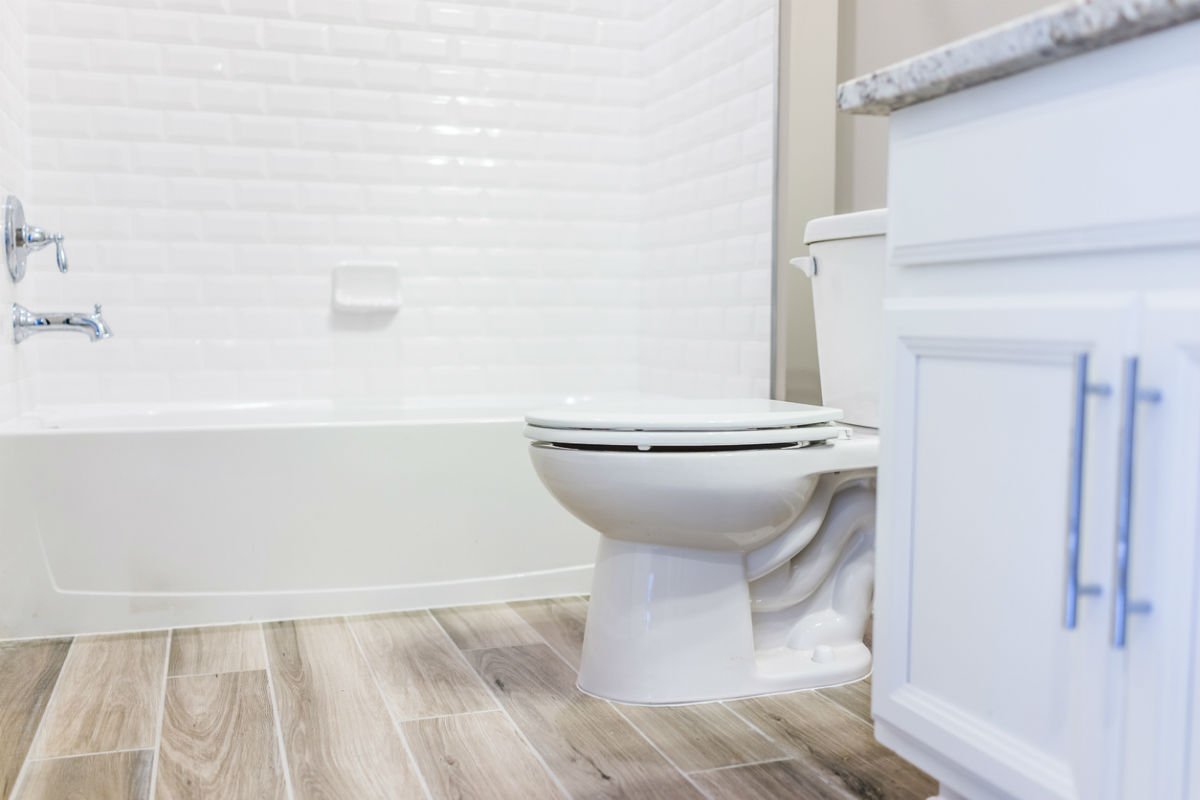

Choosing bathroom floor tile sounds simple until you stand in a showroom surrounded by 400 shades of “warm gray” and suddenly forget what your bathroom even looks like. The bathroom floor has a tough job: it must handle water, steam, bare feet, dropped shampoo bottles, cleaning products, and the occasional dramatic towel toss. It also has to look good while doing all that, because nobody wants a bathroom floor that says, “I gave up in aisle seven.”
The best bathroom floor tile is not always the most expensive or the trendiest. It is the one that balances moisture resistance, slip safety, durability, maintenance, comfort, budget, and style. Some materials are practically waterproof superheroes. Others bring spa-like luxury but ask for sealing, gentle cleaning, and a little more respect. A few are budget-friendly and easy to install, while some demand professional help and a bigger renovation fund.
Inspired by the classic Bob Vila-style approach to practical home improvement, this guide breaks down seven of the best tile options for bathroom floors: vinyl, ceramic and porcelain, glass, natural stone, plastic laminate, linoleum, and cork. Each option has its own personality. Porcelain is the dependable overachiever. Vinyl is the budget-savvy friend who still dresses well. Natural stone is glamorous but slightly high-maintenance. Cork is the cozy eco-minded cousin who shows up with herbal tea.
Before choosing, remember three golden bathroom-floor rules: pick a material approved for floors, look for texture or slip-resistant features, and think about maintenance before falling in love with a sample. A glossy tile may look stunning under showroom lights, but if it becomes a skating rink after one shower, it belongs on a wall, not under your wet toes.
What Makes a Bathroom Floor Tile Truly Good?
A bathroom is one of the most demanding rooms in the house. Even a small powder room sees moisture, splashes, humidity, and frequent cleaning. A full bath or primary bathroom has even more challenges because the floor may be exposed to shower overspray, bathwater, damp towels, and daily foot traffic.
Moisture resistance comes first
Bathroom flooring should resist water on the surface and protect the subfloor underneath. Porcelain, ceramic, vinyl, and properly sealed stone are strong choices because they can manage wet conditions when installed correctly. However, even the best tile can fail if the installation is sloppy. Waterproofing, underlayment, grout, caulk, and edge details matter. In bathroom design, the tile is the star, but the installation is the stage crew keeping the whole show from collapsing.
Slip resistance matters more than shine
Bathroom floors get wet, and wet floors get slippery. That is not a design opinion; that is gravity being rude. For bathroom floors, textured finishes, smaller tiles with more grout lines, matte surfaces, and slip-rated products are usually safer than highly polished tiles. Always check manufacturer recommendations for floor use, wet-area use, and slip performance.
Maintenance should fit your real life
If you love cleaning grout with a tiny brush every weekend, congratulations, you are a rare and powerful creature. Most people want a bathroom floor that cleans easily and does not require constant pampering. Porcelain and vinyl tend to be low-maintenance. Natural stone, cork, and linoleum can be excellent, but they need the right sealers and care routines.
1. Vinyl Tile: The Budget-Friendly Bathroom Hero
Vinyl tile is one of the most practical bathroom flooring options, especially for homeowners who want a good-looking floor without emptying the renovation piggy bank. Modern vinyl tile has come a long way from the shiny, thin squares many people remember from older kitchens. Today’s vinyl tile and luxury vinyl tile can mimic wood, slate, marble, concrete, and ceramic patterns with surprising style.
Why vinyl works in bathrooms
Vinyl handles moisture well, feels warmer and softer underfoot than ceramic or stone, and is often easier for DIYers to install. It is also forgiving in small bathrooms where cutting and fitting around toilets, vanities, and doorways can test a homeowner’s patience. If you want a quick refresh for a guest bath, rental property, or budget remodel, vinyl tile deserves serious consideration.
Where vinyl tile shines
Vinyl is ideal for family bathrooms, kids’ bathrooms, laundry-bath combinations, and small spaces where comfort matters. It is also a smart pick when you want the look of wood without inviting real wood into a wet room, which is basically like inviting a cat to guard a fishbowl.
What to watch out for
Vinyl is water-resistant, but seams can be vulnerable if installation is poor. Peel-and-stick products are affordable, but they need a clean, smooth, dry surface to perform well. Luxury vinyl tile generally offers better durability and appearance than basic vinyl squares. Look for a strong wear layer, waterproof core, and products specifically approved for bathrooms.
2. Ceramic and Porcelain Tile: The Classic All-Stars
Ceramic and porcelain tiles are the traditional champions of bathroom floors. They are durable, attractive, widely available, and offered in nearly endless styles. Want a marble look without marble maintenance? Porcelain can do that. Want a playful penny tile floor? Ceramic and porcelain mosaics have you covered. Want wood-look planks that will not panic every time someone splashes water? Porcelain is ready.
Ceramic tile basics
Ceramic tile is made from clay and fired in a kiln. It is usually less expensive than porcelain, easier to cut, and available in many colors, shapes, and finishes. Glazed ceramic tile can be a reliable bathroom floor material when rated for floor use. It works especially well in powder rooms and lower-traffic bathrooms.
Porcelain tile basics
Porcelain is a type of ceramic tile made from more refined clay and fired at higher temperatures. It is dense, hard, and highly resistant to water absorption. That makes it one of the best bathroom floor tile options for busy homes, primary bathrooms, and high-moisture spaces.
Best design uses
Porcelain and ceramic tiles are design chameleons. Large-format tiles can make a small bathroom feel calmer because there are fewer grout lines. Hexagons, penny rounds, basketweave, and checkerboard patterns add character. Wood-look porcelain brings warmth without the worries of real wood. Stone-look porcelain offers elegance without the sealing schedule of natural stone.
What to watch out for
Tile can feel cold and hard underfoot. Radiant floor heating can solve the cold part, though not the “dropped phone disaster” part. Grout also needs attention. Choose a quality grout, seal it if required, and clean it regularly so it does not become the bathroom’s unwanted science project.
3. Glass Tile: Bright, Reflective, and Best Used Carefully
Glass tile can make a bathroom feel bright, clean, and jewel-like. It reflects light beautifully, which is useful in small bathrooms, windowless powder rooms, or spaces that need a little sparkle. However, glass tile is not always the easiest choice for bathroom floors, and not every glass tile is suitable for walking surfaces.
Why glass tile can work
Small glass mosaics may be appropriate for some bathroom floors if they are rated for floor use. The many grout joints between small tiles can add traction, and the reflective surface can visually open up a compact room. Glass can also resist stains and water on the surface, making it appealing in wet environments.
Best design uses
Glass tile is best used as an accent, border, mosaic insert, or small-area feature. A glass mosaic “rug” in front of a vanity can look luxurious without overwhelming the room. It can also pair nicely with porcelain field tile for a balanced floor that is practical and pretty.
What to watch out for
Large glossy glass tiles can be slippery and may scratch more visibly than other materials. Installation also requires care because adhesive lines or imperfections may show through translucent tile. If you love glass, choose products clearly rated for floors and wet areas. Otherwise, let glass shine on walls, niches, and backsplashes while a more durable tile handles the foot traffic.
4. Natural Stone Tile: Luxury With a Maintenance Contract
Natural stone tile brings timeless beauty to a bathroom floor. Marble, slate, limestone, travertine, and granite each have unique colors, veining, and texture. No two pieces are exactly alike, which gives the floor character that manufactured materials often try to imitate.
Why stone feels special
Stone creates a high-end look that can make a bathroom feel like a boutique hotel or private spa. Slate offers texture and earthy depth. Marble brings classic elegance. Granite is strong and dramatic. Travertine has a warm, old-world feel. If your design goal is “quiet luxury,” natural stone knows the assignment.
Best design uses
Stone works beautifully in primary bathrooms, powder rooms, and spa-inspired spaces. Honed, tumbled, or textured finishes are generally better for bathroom floors than polished finishes because they offer more grip. Stone mosaics can also work well because additional grout lines improve traction.
What to watch out for
Natural stone is porous, which means it can absorb moisture or stains if not properly sealed. Some stones are sensitive to acidic cleaners, including vinegar and certain bathroom sprays. Marble, for example, can etch if treated harshly. Stone also tends to cost more in materials and labor. In short: natural stone is gorgeous, but it does not enjoy being ignored.
5. Plastic Laminate Tile: Easy on Height, Risky Around Water
Plastic laminate tile or laminate-style flooring can appeal to remodelers because it is relatively affordable, available in many designs, and often does not raise the floor height much. That can help when transitioning from a bathroom to a hallway or bedroom.
Why laminate attracts homeowners
Laminate can mimic wood or stone and may be easier to install than traditional tile. Floating laminate products can go over some existing floors, reducing demolition mess. If you are updating a half bath with limited water exposure, laminate may seem tempting.
Best design uses
Laminate-style tile is most appropriate for powder rooms or bathrooms with careful users, excellent ventilation, and minimal standing water. It can be useful when budget and installation speed are top priorities.
What to watch out for
Bathrooms are not gentle places. Water can seep into laminate seams and cause swelling, warping, or peeling. Even products marketed as water-resistant are not always ideal for full baths unless they are specifically rated for wet rooms. If you choose laminate, follow the manufacturer’s installation instructions exactly, seal edges carefully, and do not let puddles sit. Laminate in a bathroom is a bit like wearing suede shoes in the rain: possible, but you had better know what you are doing.
6. Linoleum Floor Tile: The Comeback Kid
Linoleum is often confused with vinyl, but it is a different material. Traditional linoleum is made from natural ingredients such as linseed oil, wood flour, cork dust, and mineral fillers. It has been around for generations, and thanks to renewed interest in sustainable materials, it has earned a second look.
Why linoleum works
Linoleum tile is durable, resilient, and comfortable underfoot. It comes in cheerful colors and patterns, from retro checkerboard to modern solids. It is also a good fit for homeowners who want a flooring material with more natural content than standard vinyl.
Best design uses
Linoleum can be charming in vintage-style bathrooms, colorful family baths, and small spaces that need personality. It pairs well with classic white fixtures, painted vanities, and playful wall colors. A linoleum floor can say “thoughtful design” without shouting, “I spent the vacation budget on tile.”
What to watch out for
Linoleum is water-resistant, not automatically waterproof. It needs proper sealing and careful installation to prevent water from reaching seams and edges. For full bathrooms, professional installation is often the safer route. With the right finish and maintenance, linoleum can last well, but it does not forgive careless installation.
7. Cork Tile: Warm, Soft, and Surprisingly Stylish
Cork is one of the most comfortable bathroom floor tile options. It feels warm, slightly cushioned, and quiet underfoot. If ceramic tile feels too hard and vinyl feels too ordinary, cork might be the unexpected answer.
Why cork is appealing
Cork is naturally resilient and has a soft texture that makes standing at the vanity more comfortable. It also brings visual warmth, especially in bathrooms that might otherwise feel cold or sterile. For eco-conscious homeowners, cork has appeal because it is harvested from cork oak bark without cutting down the tree.
Best design uses
Cork works well in powder rooms, guest bathrooms, and low-to-moderate moisture bathrooms where comfort is a priority. It is especially pleasant in homes where people prefer a softer surface than stone or ceramic.
What to watch out for
Cork must be sealed properly for bathroom use. Water can damage it if it penetrates seams or edges. Direct sunlight may also affect color over time. If you choose cork, select a bathroom-approved product, use a high-quality sealant, and maintain it as recommended. Cork is cozy, but it is not magical; it still needs protection from puddles.
How to Choose the Best Bathroom Floor Tile for Your Home
The best tile depends on how the bathroom is used. A powder room can handle more delicate or decorative materials because it does not face daily shower humidity. A kids’ bathroom needs durability, slip resistance, and easy cleanup. A primary bathroom may deserve upgraded porcelain, stone, or radiant heat because it is used every day and should feel comfortable.
For the lowest maintenance
Choose porcelain tile or luxury vinyl tile. Both offer strong moisture resistance and easy cleaning. Porcelain wins for long-term durability and resale appeal, while vinyl wins for comfort and budget.
For the most luxurious look
Choose natural stone or high-quality stone-look porcelain. Natural stone delivers authentic variation, while porcelain gives you the style with less maintenance.
For small bathrooms
Consider large-format porcelain for fewer grout lines, or small mosaics if slip resistance and visual texture are priorities. Light colors can make the room feel larger, but medium tones are more forgiving when it comes to dust, hair, and daily use.
For DIY-friendly projects
Vinyl tile, luxury vinyl tile, and some floating floors are more beginner-friendly than porcelain or stone. Traditional tile installation requires a flat substrate, proper layout, cutting tools, mortar, grout, and patience. If your patience has already been used up assembling furniture, hire a pro.
Bathroom Floor Tile Installation Tips
Even premium tile can fail if the installation is weak. Bathrooms need careful prep because water always looks for the easiest escape route. Start with a clean, level, stable subfloor. Repair damage before laying tile. Use appropriate underlayment or waterproofing membranes where needed. Follow manufacturer instructions for mortar, adhesive, grout, and sealers.
Plan the layout before setting tile. Dry-lay pieces to avoid awkward slivers along visible walls. In small bathrooms, center the pattern where the eye naturally falls, such as the doorway or vanity. Buy extra material for cuts, mistakes, and future repairs. A common rule is to add about 10 percent overage, and more for diagonal layouts or complex patterns.
Do not forget transitions. The bathroom floor should meet neighboring rooms cleanly and safely. Floor height matters, especially with thick tile, backer board, or radiant heating systems. A beautiful bathroom floor that creates a toe-stubbing mountain at the doorway is not a victory.
Cleaning and Maintenance: Keep the Floor Looking New
For porcelain and ceramic tile, sweep or vacuum regularly and damp-mop with a mild cleaner. Avoid harsh products that can damage grout or leave residue. For natural stone, use pH-neutral cleaners and reseal as recommended. For vinyl, avoid abrasive scrubbers and check whether steam mops are allowed by the manufacturer. For cork and linoleum, keep standing water away and maintain protective coatings.
Grout deserves special attention. Dark grout hides stains better than white grout, but it can still collect soap film and mineral deposits. Epoxy grout costs more but offers strong stain and moisture resistance. Sanded, unsanded, and premixed grouts all have different uses, so match the grout to the tile and joint size.
Extra Experience: Real-World Lessons From Bathroom Floor Projects
After seeing many bathroom floors succeed, fail, and occasionally make homeowners question every life decision that led them to remodeling, one lesson stands out: samples are not optional. A tile that looks creamy white in the store may look yellow under warm bathroom lighting. A dramatic dark tile may show every water spot. A heavily patterned floor may look exciting online but chaotic in a tiny room with a busy shower curtain, textured towels, and five bottles of shampoo fighting for attention.
Bring samples home and place them on the actual bathroom floor. Look at them in the morning, afternoon, and evening. Check them beside the vanity, wall color, tub, toilet, and trim. Stand on them barefoot if possible. Bathroom tile is not just a visual decision; it is a daily physical experience. Cold, slick, sharp-edged, or uncomfortable tile gets old quickly.
Another practical lesson: texture is your friend, but only to a point. A lightly textured porcelain tile can add grip and hide water spots. A deeply textured tile may trap dirt and make mopping annoying. The goal is “safe and easy to clean,” not “tiny mountain range underfoot.” For shower-adjacent floors, mosaics can be excellent because grout lines create traction. But more grout also means more cleaning, so choose grout color wisely.
Homeowners often underestimate how much grout color affects the final look. Matching grout makes the floor feel calm and seamless. Contrasting grout highlights the pattern. White grout with dark tile can look crisp on day one and suspicious by day thirty if the bathroom gets heavy use. Medium gray, warm beige, taupe, or charcoal grout often hides real-life mess better while still looking intentional.
Budget planning is another area where experience helps. The tile price per square foot is only one part of the cost. Add underlayment, waterproofing, mortar, grout, sealers, trim pieces, transitions, tools, delivery, waste, and labor. Natural stone may also need sealing and specialty cleaners. Porcelain may require stronger cutting tools. Vinyl may require floor leveling because thin products can telegraph bumps underneath. The cheapest tile is not always the cheapest finished floor.
For small bathrooms, do not assume small tile is always best. Large-format tile can make a room feel more open because there are fewer grout lines breaking up the surface. However, if the floor slopes or has many cuts, large tile can be harder to install well. In older homes, where floors are rarely perfectly flat, smaller formats may be more forgiving.
Finally, think about the bathroom’s future. Trendy tile can be fun, but floors are harder to change than towels, mirrors, and paint. If you love bold design, consider using statement tile in a powder room or as a smaller feature. For a main bathroom, a timeless floor with personality in accessories is often the safer long-term move. Your future self may thank you, possibly while standing barefoot on a floor that is not slippery, stained, or wildly out of style.
Conclusion
The best bathroom floor tile is the one that fits your lifestyle, budget, and tolerance for maintenance. Vinyl tile is affordable, comfortable, and practical. Ceramic and porcelain tile remain the classic choices for durability and design flexibility. Glass tile can brighten a space when used carefully. Natural stone delivers luxury but requires sealing and gentle care. Plastic laminate tile may work in low-moisture areas but is risky in full baths. Linoleum offers color, resilience, and natural appeal. Cork provides warmth and comfort when properly sealed.
If you want the safest all-around recommendation, choose textured porcelain tile rated for bathroom floors. It handles moisture beautifully, comes in endless styles, and can mimic stone, wood, concrete, or handmade tile without demanding constant attention. If your budget is tighter, luxury vinyl tile is a strong alternative. If your heart belongs to marble, slate, cork, or linoleum, choose quality products, install them correctly, and follow the maintenance rules.
A bathroom floor does not have to be boring to be practical. With the right tile, your bathroom can be stylish, durable, easy to clean, and safe underfoot. That is the dream: a floor that looks beautiful, survives real life, and does not turn your morning routine into an accidental ice-skating audition.
SEO Tags
Note: This article is written as an original, publication-ready SEO guide based on reputable bathroom flooring knowledge and practical renovation experience. It is not copied from Bob Vila or any other source.