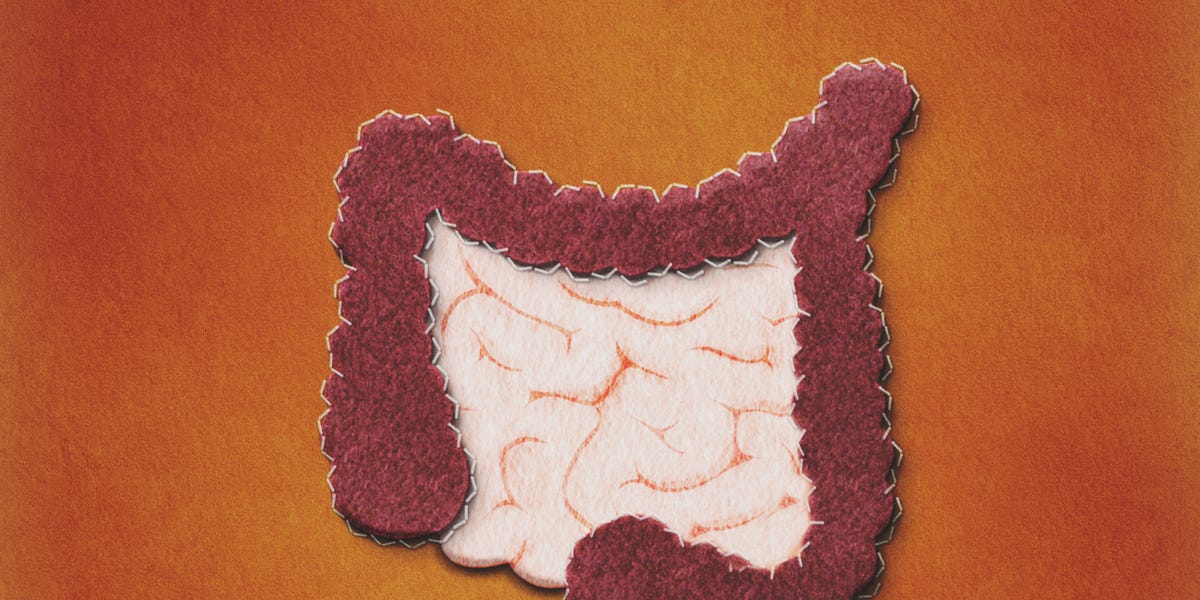

For decades, the anti-aging aisle has promised smoother skin, brighter eyes, stronger joints, and possibly the confidence of someone who owns matching luggage. But modern science is pointing to a less glamorous, more powerful place to begin the conversation: your intestines. Yes, the same place responsible for digesting lunch may also influence inflammation, immunity, metabolism, brain function, and the way your body repairs itself with age.
The idea that the reversal of aging may start in your intestines does not mean a bowl of yogurt will turn back the clock overnight. Aging is complex, stubborn, and extremely unimpressed by marketing claims. But research on the gut microbiomethe trillions of bacteria, fungi, viruses, and other microorganisms living in the digestive tractsuggests that intestinal health may be one of the most important levers for healthy aging.
Scientists are now studying how gut microbes change as people get older, why certain microbial patterns are linked with longer healthspan, and whether improving the gut environment can help the body function in a more youthful way. The big takeaway? Your intestines are not just a food-processing tunnel. They are more like a bustling biological control center with a surprisingly dramatic influence on how you age.
Why the Gut Microbiome Matters for Aging
The gut microbiome helps break down food, produce useful compounds, train immune cells, support the intestinal barrier, and communicate with organs throughout the body. When the microbiome is diverse and balanced, it can help maintain a calmer immune system and better metabolic health. When it becomes disrupted, the body may experience more inflammation, weaker barrier function, and increased vulnerability to age-related problems.
One major reason researchers care about the gut microbiome is “inflammaging,” a term used to describe the low-grade chronic inflammation that often rises with age. Unlike the short burst of inflammation that helps heal a cut, chronic inflammation is more like a smoke alarm that never stops chirping. It can wear down tissues, affect blood vessels, stress the brain, and contribute to diseases associated with aging.
Your intestines sit right at the center of this process. The gut lining acts as a selective barrier, allowing nutrients to pass into the bloodstream while keeping unwanted substances out. As people age, this barrier can become less resilient. If the microbial community also shifts in an unhealthy direction, inflammatory molecules may increase, and the immune system may become more reactive.
The Gut-Aging Connection: What Researchers Are Finding
Older Adults May Have Distinct Microbiome Patterns
Research supported by the National Institute on Aging has found that certain unique gut microbiome patterns are associated with healthier aging and increased survival in older adults. In simple terms, people who age well often appear to have gut microbial communities that are not merely “younger,” but more individualized, adaptive, and metabolically active.
This is important because the goal is not to copy someone else’s gut like downloading a celebrity skincare routine. A healthy microbiome is personal. It is shaped by diet, medications, sleep, stress, physical activity, environment, and even social habits. The common theme among healthier patterns is resilience: a gut ecosystem that can adjust, recover, and keep producing beneficial compounds.
Young Microbes May Help Old Intestines Behave Better
Some of the most fascinating studies involve fecal microbiota transfer, or FMT, in animal models. Researchers have tested whether transferring microbes from young animals to older animals can improve age-related decline. In recent mouse research, microbiota from young mice appeared to enhance the regeneration of aged intestinal crypts by improving the function of intestinal stem cells.
That sounds technical, but the basic idea is simple: your gut lining constantly renews itself. Intestinal stem cells help produce fresh cells that repair and maintain the lining. With age, this renewal process may slow down. If youthful microbes can send signals that wake up older intestinal stem cells, the gut may heal faster and act more like younger tissue.
Before anyone gets carried away, this does not mean people should attempt do-it-yourself microbiome transplants. Please do not turn your bathroom into a biotech startup. FMT is a medical procedure with real risks, including the potential transmission of serious infections, and it is currently used mainly for specific medical conditions such as recurrent C. difficile infection under medical supervision.
How Your Intestines Influence the Rest of Your Body
1. The Immune System Starts Listening Early
A large portion of immune activity is connected to the gut. Gut microbes help teach immune cells what is dangerous and what is harmless. A balanced microbiome may help the immune system respond strongly when needed, but not overreact to every little thing like a group chat after midnight.
When gut balance is disrupted, immune signaling can become noisier. This may contribute to chronic inflammation, slower recovery, and greater susceptibility to infections or inflammatory conditions. Supporting the microbiome is therefore not just about digestion; it is about helping the immune system age with better manners.
2. The Gut Barrier Protects Against “Leakiness”
The intestinal barrier is a thin but powerful layer. It allows digested nutrients into circulation while blocking pathogens and inflammatory compounds. With age, poor diet, excessive alcohol, chronic stress, lack of sleep, and some medications can challenge this barrier.
When the barrier becomes more permeable, the immune system may encounter more microbial fragments than it should. This can increase inflammatory signaling. A healthy microbiome helps support mucus production, strengthens barrier integrity, and encourages the production of short-chain fatty acids such as butyrate, which nourish colon cells.
3. Gut Microbes Help Control Metabolism
Gut bacteria influence how food is broken down, how calories are extracted, how bile acids are processed, and how blood sugar regulation works. This matters because metabolic changes are common with aging. People may notice weight gain around the middle, lower insulin sensitivity, or changes in cholesterol levels.
A fiber-rich diet can help feed beneficial bacteria that produce compounds linked with better metabolic health. In contrast, a diet heavy in added sugars, refined carbohydrates, saturated fats, and ultra-processed foods may encourage microbial patterns associated with inflammation and metabolic dysfunction.
4. The Gut-Brain Axis May Affect Cognitive Aging
The gut and brain communicate through nerves, immune signals, hormones, and microbial metabolites. This gut-brain axis is one reason researchers are studying the microbiome in relation to mood, memory, and neurodegenerative disease. While the science is still developing, animal studies suggest that gut microbes may influence brain inflammation and cognitive function.
This does not mean kimchi is a guaranteed memory supplement. But it does suggest that caring for the gut may be one practical part of a larger brain-health strategy that includes exercise, sleep, social connection, blood pressure control, and lifelong learning.
Can You Actually Reverse Aging Through the Gut?
The honest answer is: not in the sci-fi sense. No proven diet, supplement, probiotic, or microbiome procedure can make a 70-year-old body biologically identical to a 25-year-old body. Aging is driven by many processes, including DNA damage, cellular senescence, mitochondrial changes, hormonal shifts, immune remodeling, and environmental exposure.
However, some age-related changes may be modifiable. Researchers are especially interested in whether improving the gut microbiome can reduce inflammation, restore intestinal repair, improve metabolic function, and extend healthspanthe years of life spent feeling functional and well. That is a more realistic and more useful goal than chasing immortality in a smoothie.
Think of the gut as one of the body’s maintenance departments. You may not be able to stop the building from getting older, but you can improve the plumbing, reduce electrical fires, and stop feeding raccoons in the basement. That alone can make the whole place run better.
How to Support a More Youthful Gut Microbiome
Eat More Fiber, Slowly and Consistently
Fiber is the favorite food of many beneficial gut microbes. When bacteria ferment certain fibers, they produce short-chain fatty acids that help maintain the gut lining and regulate inflammation. Excellent sources include beans, lentils, oats, barley, berries, apples, leafy greens, chia seeds, flaxseeds, and vegetables.
The trick is to increase fiber gradually. Jumping from a low-fiber diet to a mountain of beans overnight may create a digestive concert nobody asked to attend. Add fiber over several weeks and drink enough water to help your digestive system adapt.
Include Fermented Foods
Fermented foods such as yogurt with live cultures, kefir, sauerkraut, kimchi, miso, tempeh, and some fermented vegetables can add microbial variety and beneficial compounds to the diet. Stanford research found that a diet high in fermented foods increased microbiome diversity and reduced markers of inflammation in healthy adults.
Not every fermented food is automatically rich in live microbes. Shelf-stable sauerkraut, for example, may be heat-treated. Look for refrigerated options that mention live cultures when your goal is probiotic benefit.
Choose Polyphenol-Rich Plants
Polyphenols are natural compounds found in colorful plant foods. Gut bacteria can transform them into metabolites that may support antioxidant and anti-inflammatory pathways. Good sources include blueberries, blackberries, cherries, cocoa, green tea, herbs, spices, olives, nuts, and deeply colored vegetables.
A simple rule: if your plate looks like beige was the creative director, invite more colors. The gut microbiome tends to enjoy variety, and your eyes probably will too.
Move Your Body Most Days
Physical activity is associated with healthier microbial diversity and better metabolic function. Exercise may help regulate gut motility, reduce inflammation, and support the growth of beneficial bacteria. You do not need to train like an Olympic athlete. Brisk walking, cycling, swimming, dancing, resistance training, and gardening can all contribute.
The best exercise for gut health is the one you will actually do. A heroic plan that lasts three days is less useful than a modest routine that survives real life.
Respect Sleep and Stress
Sleep and stress affect the gut through hormones, immune signaling, appetite patterns, and nervous system activity. Poor sleep can alter food cravings and metabolic regulation. Chronic stress can change gut motility, increase discomfort, and influence microbial balance.
Simple practices such as consistent sleep timing, morning sunlight, breathing exercises, walking after meals, and reducing late-night screen use can help create a calmer environment for both you and your microbes. Yes, even your bacteria would like you to stop doomscrolling at 1:00 a.m.
Be Careful With Unnecessary Antibiotics
Antibiotics can be lifesaving when needed, but they can also disrupt the microbiome. This does not mean avoiding prescribed antibiotics. It means using them appropriately, following medical advice, and asking your healthcare provider whether an antibiotic is truly necessary for your situation.
After antibiotic treatment, many people focus on rebuilding gut health with fiber-rich foods, fermented foods, hydration, and time. In some cases, clinicians may recommend specific probiotics, but the right choice depends on the person and the condition.
What About Probiotic Supplements?
Probiotic supplements can be helpful in specific situations, but they are not magic capsules. Different strains have different effects, and a product that helps one condition may not help another. For general healthy aging, food-based strategies usually offer broader benefits because they provide fiber, vitamins, minerals, polyphenols, and other compounds that support the whole gut ecosystem.
If you are immunocompromised, seriously ill, pregnant, elderly with complex medical conditions, or taking multiple medications, talk with a healthcare professional before using probiotics or microbiome therapies. “Natural” does not always mean risk-free, especially when living organisms are involved.
The Future: Personalized Microbiome Medicine
The future of gut-based aging science may be personalized. Instead of one-size-fits-all probiotic blends, researchers are exploring targeted microbial therapies, postbiotics, diet-microbe matching, and carefully screened microbiota products. The goal is to understand which microbial signals improve repair, reduce inflammation, and support organ function.
One exciting area is intestinal stem cell rejuvenation. If scientists can identify which microbes or microbial metabolites help aged intestinal stem cells regenerate, future treatments could focus on restoring those signals safely. Another area is “autologous” microbiome preservation, where a person’s own healthier younger microbiome might someday be stored and reintroduced later. That idea is still experimental, but it shows how seriously researchers are taking the gut-aging connection.
For now, the safest and most evidence-aligned approach is refreshingly practical: eat diverse plants, include fermented foods, move regularly, sleep well, manage stress, avoid unnecessary antibiotics, and do not treat your gut like a garbage disposal with Wi-Fi.
Practical Daily Plan for a Younger-Acting Gut
Morning
Start with a breakfast that gives your microbes something useful to do. Oatmeal with berries, chia seeds, and yogurt is a strong option. So is whole-grain toast with avocado and eggs, or a smoothie with kefir, spinach, ground flaxseed, and frozen berries. The goal is to combine fiber, protein, and fermented or polyphenol-rich foods.
Midday
Build lunch around plants and protein. A lentil soup, bean salad, salmon bowl, tofu stir-fry, or turkey wrap with vegetables can work well. Add olive oil, herbs, and spices when possible. These small choices help feed beneficial bacteria without making the meal feel like punishment from a wellness committee.
Evening
Dinner can be simple: roasted vegetables, a whole grain, lean protein, and a fermented side such as kimchi or sauerkraut. A short walk after dinner can support blood sugar control and digestion. Your gut does not require perfection. It likes consistency, variety, and fewer dramatic plot twists.
Experiences Related to “The Reversal of Aging May Start in Your Intestines”
Many people first notice the gut-aging connection not in a laboratory, but in daily life. They realize that the meals they handled easily at 25 suddenly feel like a digestive board meeting at 45. A greasy late dinner may disturb sleep. A week of processed snacks may leave them sluggish. Too little fiber may make digestion slower than a government form. These experiences are not proof of “aging reversal,” but they are clues that the gut becomes more influential as the body changes.
Consider the experience of someone who decides to improve gut health after feeling tired, bloated, and older than their calendar age. At first, they may buy a probiotic and expect fireworks. Usually, nothing dramatic happens. Then they begin changing the daily pattern: oats in the morning, beans a few times per week, berries instead of candy, yogurt with live cultures, more water, and a walk after dinner. After several weeks, digestion may become more regular, energy may feel steadier, and cravings may calm down.
The interesting part is that these improvements often feel less like “treatment” and more like removing friction. The body seems to run with fewer complaints. Meals become less chaotic. Afternoon crashes become less intense. Sleep may improve because late-night reflux or discomfort decreases. Joints and skin may not transform overnight, but the person may feel lighter, clearer, and more capable.
Another common experience is the fiber lesson. Many people hear that fiber is good and immediately eat a heroic salad loaded with beans, cabbage, onions, seeds, and confidence. Their gut responds with bloating and gas, and they conclude fiber is the enemy. In reality, the microbiome often needs time to adjust. Starting smallone extra serving of vegetables, a tablespoon of ground flaxseed, half a cup of lentilscan make the transition much easier. The goal is not to shock the gut into submission. It is to train it.
Fermented foods can also be an acquired habit. Some people love kefir and kimchi right away. Others look at sauerkraut like it has personally insulted them. The good news is that fermented foods come in many forms. Yogurt, kefir, miso soup, tempeh, and refrigerated pickled vegetables can all fit different tastes. The best option is the one that becomes part of normal life rather than a short-lived health challenge.
People who focus on gut health often discover that aging well is less about one miracle ingredient and more about rhythm. Regular meals, plant variety, movement, sleep, hydration, and stress management create a steady internal environment. The gut seems to reward boring consistency more than dramatic detoxes. That may not make a flashy headline, but it is good news. It means the path to a younger-acting body may be built from ordinary choices repeated often.
There is also a psychological benefit. Caring for the gut gives people a practical sense of control. Aging can feel abstract and intimidating, but breakfast is concrete. A grocery list is concrete. A 20-minute walk is concrete. When people improve these basics, they may begin to feel that healthy aging is not just something that happens to them; it is something they can participate in.
Still, expectations matter. Gut health is not a substitute for medical care, and symptoms such as unexplained weight loss, persistent pain, blood in stool, severe diarrhea, chronic constipation, or sudden changes in bowel habits should be evaluated by a healthcare professional. The intestines may be powerful, but they are not a place for guesswork when warning signs appear.
The most useful experience may be this: when people treat their intestines as a central part of whole-body health, they often make better choices everywhere else. They eat more real food. They move more. They sleep with more intention. They pay attention to stress. In that sense, the reversal of aging may start in your intestines because the gut is where many lifestyle choices meet biology. It is not the whole story of aging, but it may be one of the best chapters to edit first.
Conclusion
The reversal of aging may start in your intestines because the gut microbiome influences inflammation, immunity, metabolism, tissue repair, and communication with the brain. While no gut strategy can literally stop time, improving intestinal health may help the body age with more resilience and fewer inflammatory roadblocks.
The science is still evolving, especially around fecal microbiota transfer, intestinal stem cells, and personalized microbiome therapies. But the everyday message is already clear: feed your microbes well, and they may return the favor. A diverse, fiber-rich, plant-forward diet with fermented foods, regular movement, good sleep, and smart medical guidance is not glamorous. It is better than glamorous. It is realistic.
Your intestines may not come with a fountain of youth, but they do come with a daily opportunity. Every meal is a message to your microbiome. Make the message worth reading.
SEO Tags