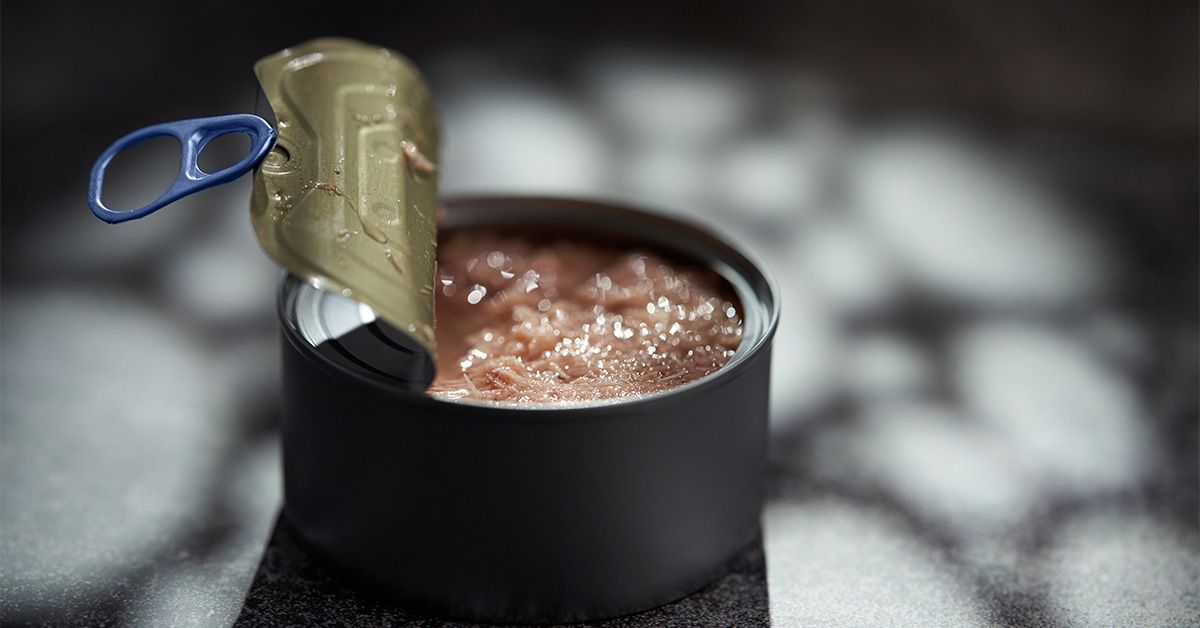

Tuna is the pantry superhero of American kitchens: affordable, protein-packed, shelf-stable, and ready to rescue lunch in under five minutes. It can become a tuna salad sandwich, a spicy rice bowl, a quick pasta topper, or the “I forgot to grocery shop” dinner that somehow still feels respectable. But tuna also comes with a question that makes many people pause with a fork halfway to their mouth: How often is it actually safe to eat tuna?
The answer is not “never,” and it is definitely not “every day until your cabinet looks like a bunker.” Tuna can be part of a healthy diet, but the safest amount depends on the type of tuna, your age, whether you are pregnant or breastfeeding, and how much other seafood you eat. The main concern is mercury in tuna, especially methylmercury, a form of mercury that builds up in larger predatory fish. Tuna is nutritious, but it is also a fish that needs a little strategy.
This guide breaks down the benefits, risks, serving recommendations, and smart shopping tips so you can enjoy tuna without turning lunch into a chemistry experiment.
Why Tuna Is So Popular
Tuna has earned its place in American kitchens for several practical reasons. It is convenient, usually budget-friendly, mild enough for picky eaters, and rich in nutrients that support everyday health. Canned tuna is especially useful because it stores well, requires no cooking, and can be added to meals quickly.
A typical serving of tuna provides high-quality protein, selenium, vitamin B12, and varying amounts of omega-3 fatty acids. Protein helps maintain muscle and supports fullness. Vitamin B12 supports nerve function and red blood cell formation. Selenium plays a role in thyroid and immune function. Omega-3 fats, especially EPA and DHA, are associated with heart, brain, and eye health.
In other words, tuna is not junk food in a can. It is a nutrient-dense seafood option. The trick is choosing the right kind and eating it often enough to enjoy the benefits, but not so often that mercury exposure becomes a concern.
The Main Risk: Mercury in Tuna
The biggest health concern linked with tuna is mercury. Mercury occurs naturally in the environment, but pollution can increase the amount that enters waterways. Once in water, mercury can be converted into methylmercury. Small fish absorb it, bigger fish eat the smaller fish, and large predatory fish accumulate more mercury over time. Tuna sits higher on the food chain than many smaller seafood choices, which is why some types contain more mercury than fish like salmon, sardines, trout, or anchovies.
Methylmercury matters because it can affect the nervous system. Developing brains are especially sensitive, which is why pregnant people, people who may become pregnant, breastfeeding parents, babies, and young children receive more cautious seafood recommendations. High exposure may affect memory, attention, language, fine motor skills, and visual-spatial development in children exposed before birth.
For most healthy adults, eating lower-mercury tuna in reasonable amounts is not usually a problem. Trouble is more likely when someone eats high-mercury tuna frequently or eats tuna every day without variety. The goal is not fear. The goal is portion control with a side of common sense.
Not All Tuna Is the Same
One of the most important things to understand is that “tuna” is not one single food. Different species have different mercury levels, textures, prices, and uses. This is where many shoppers get confused, because the can or menu may say “tuna,” but the safety profile can vary.
Canned Light Tuna
Canned light tuna is usually made from skipjack tuna, though it may sometimes include other smaller tuna species. It is generally lower in mercury than albacore, yellowfin, bigeye, or bluefin. This is the tuna most people can eat more often. It is commonly recommended as a better everyday option for tuna sandwiches, casseroles, salads, and quick protein bowls.
Albacore Tuna
Albacore tuna, often labeled “white tuna,” has a firmer texture and milder flavor. It also tends to contain more mercury than canned light tuna. That does not mean it is forbidden, but it should usually be eaten less often. If canned light tuna is the sensible compact car of the tuna world, albacore is the bigger vehicle that needs a bit more parking space in your weekly meal plan.
Yellowfin Tuna
Yellowfin tuna, sometimes sold as ahi, is common in steaks, poke bowls, sushi, and restaurant dishes. It can contain more mercury than canned light tuna, so it belongs in the “eat less often” category, especially for children and anyone who is pregnant or breastfeeding.
Bigeye Tuna
Bigeye tuna is one of the higher-mercury tuna species. It is often used in sushi and sashimi. People who are pregnant, may become pregnant, breastfeeding, or feeding young children are generally advised to avoid bigeye tuna. For other adults, it is still smart to treat bigeye as an occasional food rather than a weekly habit.
Bluefin Tuna
Bluefin tuna is prized in sushi restaurants and can be very high in fat, flavor, and price. It may also carry mercury concerns because it is a large predatory fish. It is best enjoyed sparingly, not as your go-to seafood choice.
How Often Should You Eat Tuna?
For most adults, a practical tuna routine looks like this: choose canned light tuna most often, limit albacore or yellowfin tuna to about once a week, and avoid making high-mercury tuna a daily habit.
General U.S. seafood guidance encourages adults to eat about 8 ounces of seafood per week as part of a healthy eating pattern. For pregnant and breastfeeding people, the recommendation is typically 8 to 12 ounces per week of seafood from lower-mercury choices. Tuna can count toward that total, but variety is important.
Simple Weekly Tuna Guide for Adults
- Canned light tuna: up to 2 to 3 servings per week for many adults.
- Albacore or yellowfin tuna: about 1 serving per week.
- Bigeye tuna: best avoided by mercury-sensitive groups and limited by others.
- Tuna every day: not recommended, especially if you are eating albacore, yellowfin, bigeye, or tuna steaks.
A standard adult serving is about 4 ounces of cooked fish. A typical 5-ounce can of tuna usually contains about 4 ounces of drained tuna, which makes the math easier. The can may look small, but nutritionally speaking, it counts.
How Often Can Pregnant People Eat Tuna?
Pregnancy is where tuna advice becomes especially important. Fish provides nutrients that support fetal brain and eye development, including DHA, iodine, iron, vitamin D, and protein. So the recommendation is not to avoid seafood entirely. In fact, many people eat too little seafood during pregnancy.
The safer approach is to choose lower-mercury seafood. Canned light tuna can fit into a pregnancy diet, usually up to 2 to 3 servings per week if it is the main seafood choice. Albacore and yellowfin should generally be limited to 1 serving per week. Bigeye tuna should be avoided.
Pregnant people should also avoid raw tuna because raw or undercooked seafood can carry bacteria or parasites. Sushi made with cooked seafood, vegetables, or low-mercury cooked fish is a safer option. The baby does not care how trendy the poke bowl is; food safety still wins.
How Often Can Children Eat Tuna?
Children can eat fish, including lower-mercury tuna, but portion sizes are smaller. Children are more sensitive to mercury because their brains and nervous systems are still developing. For kids, canned light tuna is a better choice than albacore or tuna steaks.
Approximate child serving sizes are often based on age: about 1 ounce for ages 1 to 3, 2 ounces for ages 4 to 7, 3 ounces for ages 8 to 10, and 4 ounces for children 11 and older. Children should eat a variety of low-mercury fish rather than relying on tuna alone.
If your child loves tuna melts, that is fine. Just rotate in other seafood such as salmon, cod, shrimp, tilapia, sardines, or trout. Variety helps reduce mercury exposure while still offering the benefits of seafood.
Can You Eat Tuna Every Day?
Eating tuna every day is not the best idea. Even if you choose canned light tuna, daily tuna can crowd out other foods and gradually increase mercury exposure. If you eat albacore, yellowfin, bigeye, or tuna steaks daily, the concern becomes stronger.
A better plan is to build a seafood rotation. For example, you might eat canned light tuna once or twice, salmon once, and shrimp or cod once in the same week. This gives you protein and omega-3 fats without relying on the same fish repeatedly. Think of tuna as a useful player on the team, not the entire roster.
Other Tuna Risks Besides Mercury
Mercury gets most of the attention, but it is not the only risk to consider. Tuna can also raise concerns related to sodium, food poisoning, allergies, and sustainability.
Sodium in Canned Tuna
Canned tuna can be high in sodium, especially flavored pouches, seasoned cans, and tuna packed in broth or sauces. If you have high blood pressure, kidney disease, heart disease, or are watching sodium for any reason, check labels carefully. Choose “low sodium” or “no salt added” versions when available. You can also rinse canned tuna briefly, though this may slightly affect flavor and texture.
Scombroid Fish Poisoning
Tuna is one of the fish associated with scombroid poisoning, also called histamine poisoning. This can happen when fish is not properly chilled after being caught. Bacteria can produce histamine in the fish, and cooking does not reliably destroy it once it forms. Symptoms may include facial flushing, rash, headache, diarrhea, stomach cramps, sweating, and a burning or peppery taste in the mouth.
Most cases are short-lived, but severe symptoms such as breathing trouble, tongue or throat swelling, or blurred vision need medical attention. To lower risk, buy tuna from reputable sources, keep it cold, refrigerate leftovers quickly, and avoid fish that smells spoiled, sour, overly “fishy,” or unusual.
Raw Tuna Risks
Raw tuna in sushi, sashimi, ceviche, or poke can be delicious, but it carries more food-safety risk than fully cooked or canned tuna. Raw fish may contain bacteria or parasites. Freezing can reduce parasite risk, but it does not solve every food-safety concern. People who are pregnant, older adults, young children, and those with weakened immune systems should avoid raw tuna.
Tuna Allergy
Fish allergy can cause serious reactions. Anyone with a known fish allergy should avoid tuna unless a medical professional gives different advice. Symptoms may include hives, swelling, vomiting, wheezing, dizziness, or anaphylaxis. In this case, the safe serving size is not “just a bite.” It is zero.
Fresh Tuna vs. Canned Tuna
Fresh tuna and canned tuna both provide protein, but they are not identical. Fresh tuna steaks are often made from larger species such as yellowfin, bigeye, or bluefin, which may contain more mercury. Canned light tuna is often made from smaller skipjack tuna and is usually lower in mercury. Canned albacore has more mercury than canned light tuna.
Fresh tuna also depends heavily on preparation. A grilled tuna steak can be a healthy meal when served with vegetables and whole grains. A restaurant tuna dish covered in salty sauce or fried toppings may be less ideal. Canned tuna packed in water is usually lower in calories than tuna packed in oil, but oil-packed tuna may taste richer and can still fit into a balanced diet if portions are reasonable.
Water-Packed vs. Oil-Packed Tuna
Water-packed tuna is lean, mild, and usually lower in calories. Oil-packed tuna has a richer flavor and softer texture. It may contain more calories, but it can also make salads and pasta dishes more satisfying. The best choice depends on your nutrition goals.
If you want a lean, high-protein option, choose water-packed tuna. If you want flavor and do not mind extra calories, oil-packed tuna can be a good choice. If sodium is your main concern, read the label rather than assuming water-packed automatically means healthier.
Smart Ways to Eat Tuna Safely
You do not need a spreadsheet to eat tuna safely, although tuna fans who love spreadsheets are certainly welcome to make one. Most people only need a few practical rules.
- Choose canned light tuna more often than albacore.
- Limit albacore and yellowfin to about once per week.
- Avoid bigeye tuna if you are pregnant, breastfeeding, planning pregnancy, or feeding young children.
- Rotate tuna with lower-mercury seafood like salmon, sardines, trout, anchovies, shrimp, cod, tilapia, catfish, and pollock.
- Check sodium on canned tuna labels.
- Refrigerate opened tuna promptly and eat leftovers within a safe window.
- Be cautious with raw tuna, especially for high-risk groups.
Best Low-Mercury Alternatives to Tuna
If you like tuna but want to lower mercury exposure, rotate in other seafood. Salmon is rich in omega-3 fats and usually low in mercury. Sardines and anchovies are small fish with strong omega-3 content and lower mercury levels. Trout, pollock, cod, tilapia, shrimp, scallops, and catfish are also commonly recommended lower-mercury options.
This does not mean tuna has to disappear from your kitchen. It means tuna should share the spotlight. Your meal plan will be more interesting, your nutrient intake will be broader, and your tuna sandwiches will feel less like a personality trait.
Who Should Be Most Careful With Tuna?
Some people need to be more careful with tuna because mercury risk is not the same for everyone. The most cautious groups include pregnant people, people who may become pregnant, breastfeeding parents, babies, young children, and people who eat fish very frequently. People with medical conditions that require sodium restriction should also pay attention to canned tuna labels.
Athletes, bodybuilders, and busy professionals sometimes eat tuna daily because it is convenient and high in protein. That pattern can become risky if tuna is the main protein source. If you use tuna for meal prep, try alternating it with chicken, eggs, beans, tofu, Greek yogurt, salmon, sardines, or turkey. Convenience should not come with a mercury punch card.
Signs You May Be Eating Too Much High-Mercury Fish
Mercury poisoning from food is uncommon, but it can happen with frequent intake of high-mercury seafood. Symptoms can vary, but possible warning signs include numbness or tingling, muscle weakness, coordination problems, vision or hearing changes, memory issues, mood changes, or tremors. These symptoms can have many causes, so they should be evaluated by a healthcare professional.
If you eat tuna daily or several times a week and are worried about mercury, talk with a clinician. They may ask about your seafood habits and, in some cases, order a blood mercury test. Do not panic, but do not ignore symptoms either. The solution may be as simple as changing the type and frequency of fish you eat.
Practical Tuna Meal Ideas
Tuna can be part of balanced meals when paired with fiber-rich carbohydrates, healthy fats, and colorful produce. Try tuna salad with Greek yogurt, celery, lemon, and herbs. Add canned light tuna to a whole-grain wrap with avocado and spinach. Mix tuna into brown rice with cucumber, edamame, carrots, and a light sesame dressing. Toss tuna with whole-grain pasta, olive oil, tomatoes, olives, and parsley. Or make tuna melts on whole-grain bread with sliced tomato and a modest amount of cheese.
The key is balance. Tuna plus crackers can work as a snack, but tuna plus vegetables, whole grains, and healthy fats becomes a meal that actually carries you through the afternoon without sending you hunting for office cookies.
Experience-Based Tips: What Eating Tuna Wisely Looks Like in Real Life
In real life, tuna safety is less about memorizing mercury charts and more about building habits you can repeat. Most people do not get into trouble because they ate one tuna sandwich. The problem usually comes from routine: the same albacore tuna lunch every day, the same tuna steak dinner every week, or the same sushi order without realizing that “ahi” may be yellowfin or bigeye. Tuna becomes risky when convenience turns into autopilot.
A practical experience-based approach is to decide what role tuna plays in your week. For example, canned light tuna can be your emergency lunch once or twice a week. Keep it for the days when the refrigerator looks emotionally unavailable. Pair it with whole-grain bread, lettuce, tomato, and fruit, and you have a fast meal that is still balanced. Then, on other days, switch to eggs, hummus, grilled chicken, beans, tofu, salmon, or sardines. You still get convenience, but you are not asking tuna to carry your entire protein strategy.
Another helpful habit is reading the label before buying. Many shoppers grab “white tuna” because it sounds cleaner or more premium. In most cases, “white tuna” means albacore, which usually has more mercury than canned light tuna. If you eat tuna often, choose canned light or skipjack more frequently. Save albacore for the weeks when you really want that firmer texture and milder taste. This one label-reading habit can make your tuna routine much safer without changing your life dramatically.
For families, it helps to create a seafood rhythm. Maybe Monday is salmon, Wednesday is tuna sandwiches, and Friday is shrimp tacos. Children benefit from seafood nutrients, but they also need smaller portions and lower-mercury choices. Instead of serving kids adult-sized tuna melts, make smaller portions and add fruit, vegetables, soup, or yogurt on the side. If a child only likes tuna and refuses every other fish with the dramatic flair of a tiny food critic, try mild options like cod, tilapia, or salmon cakes with familiar seasonings.
For fitness-focused eaters, tuna can be useful, but it should not become the only lean protein in the rotation. Many people discover canned tuna during a high-protein diet and suddenly start eating it like it is a subscription service. A better plan is to prep several protein options at once: tuna for one or two meals, chicken or turkey for another, beans or lentils for fiber, and Greek yogurt or cottage cheese for snacks. This keeps protein high while reducing mercury exposure.
Food safety is another real-world lesson. Once a can is opened, transfer leftovers to a covered container and refrigerate them promptly. Do not leave tuna salad sitting on the counter during a long party, picnic, or “I’ll come back for seconds later” situation. If fresh tuna smells sour, unusually strong, or peppery, do not try to rescue it with lemon juice and optimism. When in doubt, throw it out. Your stomach is not a laboratory.
Restaurant tuna deserves a little awareness too. If you order tuna sushi, poke, or seared tuna, ask what type of tuna is used. Many menus say “ahi,” which often refers to yellowfin but can sometimes include bigeye. If you are pregnant, immunocompromised, or feeding young children, choose cooked seafood instead. If you are a healthy adult, raw tuna can be an occasional treat from reputable restaurants, but it should not be the foundation of your seafood intake.
The easiest long-term strategy is variety. Keep canned light tuna in the pantry, but also keep canned salmon or sardines nearby. Try trout when it is on sale. Use shrimp for quick dinners. Add cod to tacos. Rotate, rotate, rotate. That one habit gives you the best of both worlds: the convenience and nutrition of tuna, plus a lower-risk seafood pattern that does not depend on one fish doing all the work.
Conclusion: Tuna Is Healthy, But Frequency Matters
Tuna can absolutely be part of a healthy diet. It is rich in protein, convenient, versatile, and packed with valuable nutrients. But because mercury levels vary by tuna type, how often you eat it matters. Canned light tuna is generally the best choice for regular meals, while albacore and yellowfin should be eaten less often. Bigeye tuna is best avoided by pregnant people, breastfeeding parents, young children, and anyone trying to minimize mercury exposure.
The smartest tuna strategy is simple: choose lower-mercury tuna, watch portions, rotate seafood choices, and avoid eating tuna every day. Tuna does not need to be feared, but it does need boundaries. Think of it as the friend who is great at lunch but should not move into your house.
SEO Tags