
Note: This original article synthesizes practical home decorating, floral care, upcycling, and candle-safety guidance into a fresh, publication-ready blog post.
Somewhere in your kitchen, probably behind the pasta and next to the “I might need this someday” drawer, there is a small army of empty jars. Pickle jars. Jam jars. Pasta sauce jars. Mason jars from that one ambitious canning phase. They sit there patiently, waiting for either recycling day or their big design debut. Good news: today, they are getting the red-carpet treatment.
Learning how to turn extra jars into an elegant centerpiece is one of the easiest ways to decorate a table without spending much money. Glass jars already have the bones of good design: clean lines, reflective surfaces, useful height, and a charming mix of shapes. With flowers, candles, greenery, ribbon, paint, pebbles, fruit, or fairy lights, those forgotten containers can become a DIY table centerpiece that looks intentional, polished, and surprisingly expensive.
The secret is not simply putting one lonely jar in the middle of the table and hoping it develops confidence. The magic comes from grouping, layering, balancing height, and choosing materials that match the mood of your space. Whether you want a rustic farmhouse look, a romantic wedding-style arrangement, a coastal summer table, or a cozy holiday glow, extra jars can do the job beautifully.
Why Extra Jars Make Brilliant Centerpieces
Glass jars are the multitaskers of home decor. They can hold flowers, candles, branches, herbs, utensils, shells, ornaments, candy, or even nothing at all if the glass has enough character. Their transparency makes them visually light, so they do not overwhelm a dining table the way bulky decor can. This matters because a centerpiece should be admired, not wrestled around while someone tries to pass the mashed potatoes.
Another advantage is flexibility. One jar can work as a bud vase. Three jars can become a small dining table arrangement. Seven jars in different heights can create a dramatic runner. A row of matching jars can look clean and modern, while mismatched jars can feel relaxed, collected, and personal. That is the beauty of upcycled home decor: it does not have to look like it came from a catalog. It just needs to look like it had a plan.
Reusing jars is also a smart sustainability habit. Instead of tossing useful glass immediately, you give it a second life as decorative homeware. It saves money, reduces waste, and gives you permission to say, “Oh, this old thing?” when someone compliments your centerpiece. That sentence alone is worth the craft glue.
Start with the Right Jars
Not every jar has to be perfect, but it should be clean, stable, and safe to use. Wide-mouth jars are great for fuller flower arrangements because they allow stems to spread naturally. Tall sauce jars work well for branches, taper-like faux candles, or long-stemmed flowers. Small jam jars make sweet votives or mini vases. Short jars are perfect for low centerpieces that allow conversation across the table.
How to Prepare Jars for Decorating
Before styling, remove labels by soaking jars in warm, soapy water. A little baking soda paste or cooking oil can help loosen stubborn adhesive. Wash the glass thoroughly and dry it until it is streak-free. If you plan to paint the outside, wipe the surface with rubbing alcohol first so paint or glue can grip better. If the jar will hold fresh flowers, clean the inside well to reduce bacteria that can shorten the life of the blooms.
Keep lids, too. A lid can become a base for a small seasonal scene, a holder for floral foam, or a rustic accent when wrapped with twine. Even metal rings from canning jars can be reused as decorative collars around napkins, candles, or mini bouquets.
The Easiest Elegant Jar Centerpiece Formula
For a foolproof arrangement, use the “three-layer rule”: a base layer, a focal layer, and a finishing layer. This keeps your centerpiece from looking like you panicked ten minutes before guests arrived.
Layer 1: The Base
The base grounds the arrangement. Place your jars on a tray, wooden board, mirror, linen runner, cake stand, or shallow basket. A base instantly makes multiple jars look like one designed centerpiece instead of several containers attending a meeting. For a formal dinner, a mirrored tray adds shine. For a farmhouse table, use a wood slice or narrow cutting board. For a casual brunch, a folded linen runner works beautifully.
Layer 2: The Main Attraction
This is where flowers, candles, greenery, or seasonal elements take over. Fresh flowers create softness and color. Candles create glow. Greenery adds texture. Branches add height. Fruit adds freshness. Choose one main idea and let the jars support it. Too many themes can make the centerpiece look like a craft store had a small, glittery explosion.
Layer 3: The Finishing Details
The finishing layer includes twine, ribbon, lace, raffia, small tags, pebbles, beads, moss, pinecones, shells, or metallic accents. Use these details sparingly. A simple ribbon around each jar can look elegant. Twelve kinds of ribbon, two bells, a feather, and a tiny chalkboard sign may need a gentle intervention.
DIY Jar Centerpiece Ideas for Every Style
The best part about a glass jar decor project is that you can match it to almost any decorating style. Here are several centerpiece ideas that are easy to customize.
1. The Classic Flower Jar Trio
Choose three jars in slightly different heights. Fill each with water and add small bouquets using one focal flower, one textural flower, and one filler. For example, combine roses, wax flowers, and eucalyptus. Or use sunflowers, chamomile, and greenery for a cheerful kitchen table. Place the jars on a narrow tray and keep the tallest arrangement in the center.
For a more refined look, limit the color palette. White flowers with green stems always look elegant. Soft pinks and creams feel romantic. Yellow and blue feel fresh and casual. Deep burgundy, orange, and gold make a beautiful fall centerpiece.
2. Candlelit Mason Jar Centerpiece
A mason jar centerpiece with candles is simple but powerful. Add a little sand, salt, small stones, or dried beans to the bottom of each jar, then place a votive or battery-operated tea light inside. Arrange the jars in a cluster and tuck greenery around the base.
For safety, battery-operated candles are the easiest choice, especially if you are using dried leaves, paper, ribbon, or fabric nearby. If you use real candles, never leave them unattended, keep flammable materials away from the flame, and place jars on a heat-safe surface. Elegant is good. Accidentally dramatic is not.
3. Rustic Farmhouse Jars
For farmhouse charm, wrap jars with burlap, cotton lace, or jute twine. Fill them with baby’s breath, lavender, wheat stems, daisies, or small white flowers. Set them on a wood slice or galvanized tray. This style works beautifully for casual dinners, outdoor parties, bridal showers, and cozy Sunday suppers.
The key to keeping rustic decor elegant is restraint. Use natural textures, but avoid overloading the jars. One band of burlap and a thin lace overlay is enough. Let the glass still show through so the arrangement feels light.
4. Modern Minimalist Jar Centerpiece
If your style is clean and modern, skip the twine and keep the jars bare. Use identical jars or bottles in a straight line down the center of the table. Add one stem per jar: a tulip, calla lily, ranunculus, orchid stem, or leafy branch. The repetition creates a gallery-like effect that feels calm and sophisticated.
For a dinner party, use odd numbers such as five or seven jars. Keep arrangements low enough for conversation. Minimalist design is not about doing nothing; it is about doing just enough and then bravely walking away before adding glitter.
5. Coastal Jar Centerpiece
For a breezy coastal table, fill the bottom of clear jars with sand, tiny shells, sea glass, or smooth stones. Add white flowers, beach grass, or battery tea lights. Tie a thin piece of rope around the rim. Set the jars on a pale linen runner and pair them with white plates or woven placemats.
This look is ideal for summer dinners, seafood nights, patio tables, or beach-themed parties. Keep the colors soft: white, beige, blue, soft green, and clear glass. The result feels relaxed but still polished.
6. Garden Herb Candle Jars
Fresh herbs make gorgeous jar accents. Wrap rosemary, thyme, sage, or lavender sprigs around the outside of a jar and secure them with twine. Place a small candle or LED light inside. As the herbs dry, they add natural texture and a subtle fragrance.
This idea is especially lovely for kitchen tables, garden parties, and holiday meals. It also makes guests think you are the kind of person who casually decorates with herbs, which is a very specific and admirable personality trait.
7. Seasonal Jar Runner
For holidays or special occasions, create a long centerpiece using several jars down the center of the table. In fall, fill jars with mini pumpkins, acorns, dried leaves, wheat, or orange flowers. In winter, use pine sprigs, cranberries, ornaments, white candles, or faux snow. In spring, try tulips, daffodils, moss, and pastel ribbon. In summer, use lemons, wildflowers, herbs, or shells.
A runner-style arrangement works especially well on rectangular tables. Vary the height slightly, but keep the overall centerpiece narrow so place settings still have room. No centerpiece should require guests to hold their forks like fencing swords.
How to Arrange Flowers in Jars Like You Know What You’re Doing
Jars can be wider than traditional vases, so flowers sometimes flop outward. To solve this, create structure. Use floral tape across the jar opening in a grid pattern, or place a small flower frog inside. You can also add pebbles to the bottom to help stems stay in position.
Start with greenery first. Greenery creates the shape and supports the flowers. Next, add focal blooms, spacing them unevenly but visually balanced. Then tuck in smaller flowers and filler stems. Cut stems at an angle so they can drink water more easily, and remove leaves that would sit below the waterline. Change the water regularly to keep the arrangement fresh.
For dining tables, keep most arrangements under eye level. Low jar centerpieces are friendly; towering arrangements may be beautiful, but they also make guests lean sideways to ask for the salad.
Paint, Frost, or Leave the Glass Clear?
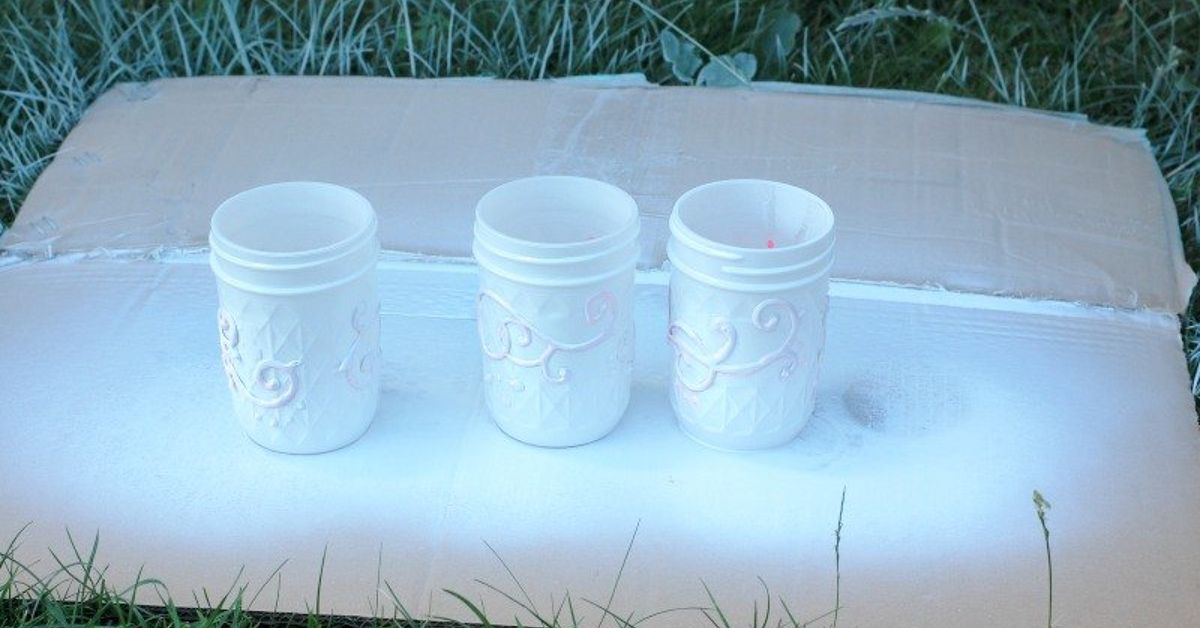
Clear glass is timeless and works with almost any style. It lets candles glow, water sparkle, and stems show. However, paint can transform mismatched jars into a cohesive set. Chalk paint gives a soft matte finish. Metallic spray paint adds glamour. Frosted glass spray creates a romantic, diffused effect for candlelight.
If you paint jars for flowers, paint the outside only. Leave the inside clean and safe for water. For a distressed farmhouse look, paint the jar, let it dry, then lightly sand the raised lettering or edges. For modern decor, use one solid color and avoid distressing. White, black, gold, sage green, navy, and soft terracotta all work well depending on the season.
Common Mistakes to Avoid
The first mistake is using too many competing colors. A centerpiece looks more elegant when it has a controlled palette. Choose two or three main colors and repeat them. The second mistake is forgetting scale. Tiny jars can disappear on a large table, while huge jars can crowd a small one. Match the arrangement to the table size.
The third mistake is ignoring safety. Real candles should sit securely inside heat-safe jars, away from greenery, paper, fabric, and overhanging flowers. Battery candles are better for events, outdoor tables, homes with pets, or anywhere guests may be distracted.
The fourth mistake is overdecorating the jar. If the glass is covered from top to bottom, it may lose the clean charm that made it useful in the first place. A little ribbon, twine, or paint goes a long way.
Budget-Friendly Supplies That Make Jars Look Expensive
You do not need luxury materials to make an elegant jar centerpiece. A few affordable supplies can make recycled glass look designer-approved. Try linen ribbon, velvet ribbon, jute twine, faux eucalyptus, floral tape, battery tea lights, wood trays, mirror trays, river stones, moss, dried orange slices, small ornaments, or fresh grocery-store flowers.
Grocery bouquets can stretch much further when divided among several jars. Instead of placing one bouquet in one vase, separate the stems by type and spread them across a collection of jars. Add backyard greenery or herbs to fill gaps. Suddenly, one modest bouquet becomes a full table arrangement. It is not cheating. It is floral strategy.
Experience-Based Tips: What Actually Works When Styling Jar Centerpieces
After making jar centerpieces for family dinners, casual parties, holiday tables, and “company is coming in forty minutes” emergencies, one lesson stands out: the jars matter less than the grouping. A single jar can look unfinished, but a cluster of three instantly looks intentional. When I use mismatched jars, I usually connect them with one repeated detail, such as the same ribbon, the same flower color, or the same candle style. That one repeated element tells the eye, “Yes, this is a design choice,” not “Yes, I forgot to buy a vase.”
The most reliable arrangement I have used is three jars on a tray: one tall jar with greenery, one medium jar with flowers, and one short jar with a candle. It works on dining tables, coffee tables, kitchen islands, and entry consoles. The tray is important because it creates boundaries. Without it, jars can look scattered. With it, they become a centerpiece. A wood tray gives warmth, a mirror tray adds elegance, and a woven tray makes the whole thing feel relaxed.
Fresh flowers are beautiful, but they are not always necessary. Some of the best jar centerpieces come from mixing ordinary items: rosemary sprigs from the kitchen, lemons from the fridge, leftover ribbon from a gift bag, and a few battery candles. Clear jars filled with sliced citrus and water look bright and cheerful. A few stems of greenery can look more expensive than a crowded bouquet. In winter, pine clippings and cranberries are almost embarrassingly easy, yet people always comment on them.
One practical tip: test the centerpiece from sitting height. Many people decorate while standing, then sit down and realize the flowers are blocking everyone’s faces. A centerpiece should decorate the conversation, not defeat it. For dinner tables, low jars are usually best. Save tall branches for buffets, mantels, or sideboards.
Another lesson is that lighting changes everything. During the day, clear jars with flowers look fresh. At night, candlelit jars become the star. Battery-operated fairy lights tucked inside glass jars are especially forgiving. They hide imperfect stems, add warmth, and make even a plain pasta sauce jar look like it has a trust fund.
Finally, do not chase perfection. The charm of upcycled jar decor is that it feels personal. A slightly mismatched collection can look more inviting than a perfectly identical set. The goal is elegance with a human touch: polished enough for guests, easy enough for a Tuesday, and clever enough to make you feel very smug about not throwing those jars away.
Conclusion
Extra jars are more than leftovers from pasta night. With a little cleaning, thoughtful grouping, and a few decorative layers, they can become elegant centerpieces for everyday meals, holidays, weddings, parties, and cozy evenings at home. The best designs use simple principles: vary height, repeat colors, control the palette, add texture, and keep safety in mind when using candles.
Whether you fill jars with flowers, herbs, fairy lights, shells, seasonal greenery, or glowing candles, the result can feel stylish without feeling expensive. That is the real beauty of this project. It proves that good decorating does not always begin at a store. Sometimes it begins in the recycling bin, right next to the marinara jar.