
Painting is one of those home projects that sounds charming for about seven minutes. Then the roller starts dripping, your wrist stages a protest, and you begin calculating whether “rustic texture” can be rebranded as a design choice. That is exactly why paint sprayers are so tempting. They promise speed, smooth coverage, and a finish that looks less “weekend panic” and more “competent adult with a garage.”
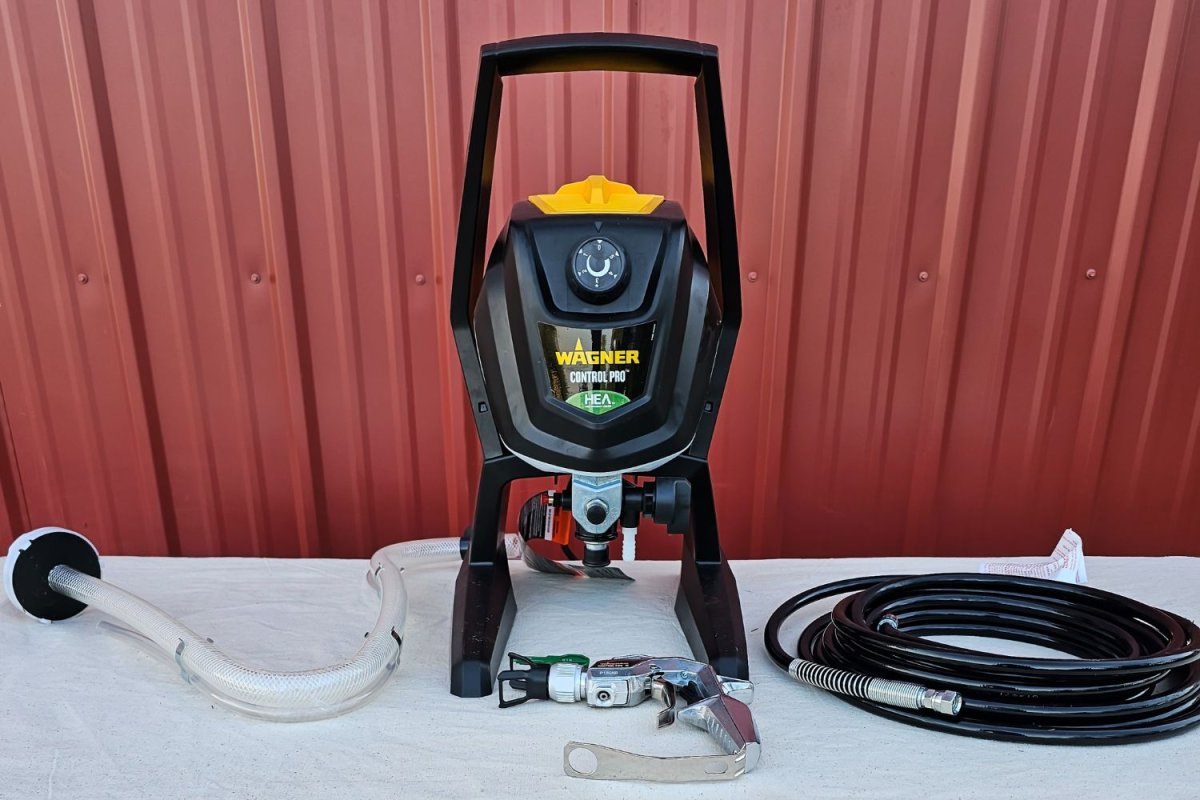
This Wagner paint sprayer review focuses on the Wagner Control Pro 170, the airless paint sprayer tested by Bob Vila and widely discussed among DIY homeowners looking for a serious upgrade from brushes and rollers. The big question is simple: does it actually work, or is it another tool that looks heroic in the box and confusing in real life?
The short answer: yes, the Wagner Control Pro 170 works very well for the right projects. It is not a magic wand, and it will not forgive lazy prep work. However, for large surfaces such as garage doors, fences, decks, sheds, siding, walls, and ceilings, this sprayer can deliver fast, even coverage with a finish that looks impressively professional once the user learns the rhythm.
What Is the Wagner Control Pro 170 Paint Sprayer?
The Wagner Control Pro 170 is a high-efficiency airless paint and stain sprayer designed for homeowners, serious DIYers, and light semi-pro use. Unlike small cup-style HVLP sprayers that hold paint in a container attached to the gun, this Wagner airless paint sprayer draws coating directly from a 1-gallon or 5-gallon bucket. That matters because large jobs become far less annoying when you are not refilling a tiny cup every few minutes.
The sprayer uses Wagner’s High Efficiency Airless, or HEA, technology. The idea is to produce a softer spray pattern with less overspray than traditional airless sprayers while still moving paint quickly. Wagner lists the Control Pro 170 with a .60 horsepower pump, a maximum operating pressure of 1,500 PSI, a 0.33 gallon-per-minute flow rate, a 30-foot hose, an all-metal spray gun, and a 515 HEA spray tip.
In plain English, that means this machine is built for real home improvement projects, not just painting a birdhouse while pretending to be on a renovation show. It has enough muscle for latex paint, primers, stains, sealers, and other common coatings, but it remains approachable for homeowners who do not want a contractor-grade machine that costs more than the furniture being painted.
Bob Vila’s Tested Verdict: What Stood Out?
In Bob Vila’s hands-on test, the Wagner Control Pro 170 earned strong marks for coverage, finish quality, versatility, and value. The tester used it on a garage door panel and found that it produced a uniform spray pattern with results comparable to more expensive spray rigs. That is the heart of the appeal: this sprayer sits in the middle ground between hobby-level sprayers and high-end professional machines.
The review also highlighted a few practical advantages. The 30-foot hose provides generous reach, so the base unit does not need to be dragged around constantly. The included 515 tip creates a wide spray pattern suitable for medium-to-large surfaces. The adjustable pressure control lets users dial the flow up or down depending on the coating, the surface, and the desired finish.
There was one notable complaint: priming the pump can be tricky at first. In testing, the initial priming process required extra effort before the sprayer was ready to perform. That is not unusual with airless sprayers, but it does mean beginners should read the manual, practice patience, and resist the urge to blame the machine after thirty seconds. Paint sprayers are powerful tools, not countertop toasters.
Key Specifications at a Glance
- Sprayer type: High-efficiency airless
- Motor: .60 horsepower HEA pump
- Maximum pressure: 1,500 PSI
- Flow rate: 0.33 gallons per minute
- Included hose: 30 feet
- Included tip: 515 HEA spray tip
- Annual capacity: Designed for up to 300 gallons per year
- Best uses: Walls, ceilings, fences, decks, sheds, siding, garage doors, and large paint or stain projects
Performance: Does the Wagner Paint Sprayer Actually Work?
Yes, the Wagner Control Pro 170 works, especially when used on projects that match its strengths. It is built for broad coverage. If you need to paint a fence, refresh a garage door, stain a deck, coat a shed, or cover large interior walls before trim and flooring are installed, this sprayer can save serious time.
The finish quality is one of its best features. With proper pressure adjustment, clean paint, and a steady hand, the spray pattern lays down evenly without the heavy roller texture that some homeowners dislike. It is also faster than brushing or rolling complex surfaces. Fences, lattice, textured siding, and paneled garage doors are all places where rollers suddenly feel like medieval technology.
However, the sprayer is not a shortcut around preparation. In fact, spraying usually demands more prep than rolling. You must mask windows, cover floors, protect nearby surfaces, strain paint when needed, test the pattern, and clean the machine thoroughly after use. The reward is speed and finish quality. The price is that you must behave like a responsible adult before pulling the trigger.
What Kind of Paint or Stain Can You Use?
The Wagner Control Pro 170 is compatible with many common coatings, including interior and exterior latex paint, primers, transparent and semitransparent stains, solid stains, sealers, urethane, and water-based lacquers. This versatility makes it useful for both indoor and outdoor projects.
That said, compatibility does not mean every material sprays perfectly straight from the can in every condition. Paint thickness, temperature, age, and brand can all affect flow. If the spray pattern shows “tails,” spitting, uneven coverage, or heavy buildup, the pressure setting, tip choice, filtering, or coating viscosity may need adjustment.
A simple test board is your best friend. Spray cardboard or scrap plywood before touching the actual project. Check the fan shape, coverage, distance, and speed. This tiny step can save you from turning a beautiful garage door into a crime scene called “Latex Fog at Noon.”
Understanding the 515 Spray Tip
The included 515 tip is a common airless spray tip size for paint. The first digit, 5, generally indicates a fan width of about 10 inches when sprayed from the proper distance. The last two digits, 15, refer to a 0.015-inch orifice. In practical terms, it is a medium paint tip suitable for many wall, fence, deck, and exterior projects.
For stains or finer finishes, a smaller tip may be more appropriate. For thicker coatings or faster coverage, users may need to consult Wagner’s tip chart and the coating manufacturer’s recommendations. Tip size matters because it controls both the amount of material released and the width of the spray fan. The wrong tip can make a good sprayer look bad, which is unfair to the tool and emotionally damaging to the fence.
Ease of Setup and Learning Curve
The Wagner Control Pro 170 is reasonably easy to assemble, but beginners should expect a learning curve. The main challenge is not attaching parts; it is understanding the full workflow: setup, priming, pressure adjustment, spraying technique, and cleanup.
Priming is the step most likely to frustrate first-time users. The pump must draw material properly before spraying begins. If air remains in the system, the spray pattern may sputter or fail. Once primed correctly, though, the sprayer becomes much easier to operate.
The actual spraying motion is straightforward but must be practiced. Keep the gun moving before pulling the trigger, maintain a consistent distance, hold the gun perpendicular to the surface, and overlap each pass by about half. Do not swing your wrist in an arc. That creates uneven distance from the surface and can leave light edges, heavy centers, or drips. Your arm should move like a calm robot, not like someone swatting a mosquito.
Finish Quality: Smooth, Even, and Surprisingly Professional
When dialed in correctly, the Wagner Control Pro 170 can produce a smooth and even finish. The softer HEA spray pattern helps reduce the wild misty chaos associated with some traditional airless sprayers. That does not mean overspray disappears. It means the machine gives homeowners better control than many high-pressure sprayers in this class.
For large, flat surfaces, the finish is especially impressive. Garage doors, primed walls, fence panels, and shed siding are strong matches. The broad fan covers quickly and consistently, reducing lap marks when the user overlaps passes correctly. Compared with a brush, the sprayer is faster and leaves fewer visible marks. Compared with a roller, it can reach grooves, edges, and textured areas with less effort.
For fine cabinetry, furniture, and trim, the verdict is more cautious. The Control Pro 170 can handle some detail work, but an HVLP sprayer or a smaller fine-finish setup may be better for projects where a furniture-grade finish is the top priority. This Wagner is happiest when it has room to run.
Best Projects for the Wagner Control Pro 170
Exterior Fences
Fences are practically made for sprayers. Boards, gaps, posts, and texture can make brushing painfully slow. The Wagner Control Pro 170 can cover fence panels quickly, especially when using stain or exterior paint. Just watch wind direction unless you want your neighbor’s patio chair to receive an unsolicited makeover.
Garage Doors
A paneled garage door is a great test surface because rollers often miss recesses or leave texture. A sprayer can coat panels, grooves, and edges evenly. Bob Vila’s test on a garage door panel showed why this tool makes sense for broad but detailed surfaces.
Decks and Sheds
Deck railings, shed siding, and outdoor structures are strong candidates. The 30-foot hose makes movement easier, and drawing directly from a bucket keeps the project moving without constant refills.
Interior Walls and Ceilings
For empty rooms, new construction, remodels, or spaces where masking is manageable, this sprayer can coat walls and ceilings quickly. It is less convenient in furnished rooms because the prep work becomes more intense.
Pros and Cons
What We Like
- Produces fast, even coverage on large surfaces
- HEA technology helps reduce overspray compared with traditional airless sprayers
- Draws directly from 1-gallon or 5-gallon containers
- Includes a 30-foot hose for better reach
- Adjustable pressure improves control
- Works with many paints, stains, primers, and sealers
- Strong value for homeowners who paint more than once in a decade
What Could Be Better
- Priming can be frustrating for beginners
- Cleanup takes time and must be done carefully
- Overspray still requires serious masking and protection
- Not ideal for tiny touch-ups or one-chair projects
- Fine-finish work may require different tips or a different sprayer type
Wagner Control Pro 170 vs. HVLP Sprayers
Choosing between an airless sprayer and an HVLP sprayer depends on the project. HVLP sprayers use high volume and low pressure to create a controlled, fine finish. They are often excellent for furniture, cabinets, shutters, doors, and trim. They are slower on large surfaces but easier to control in detail work.
The Wagner Control Pro 170 is airless, which makes it better for large surfaces and faster coverage. It can spray heavier materials and draw directly from a bucket. If your project is a fence, deck, shed, garage door, or multiple rooms, the Control Pro 170 makes more sense. If your project is a small nightstand, HVLP may be the calmer choice.
Is It Worth the Money?
For homeowners with multiple painting projects, the Wagner Control Pro 170 is worth considering. It is not the cheapest sprayer, but it is far less expensive than many professional rigs and offers performance that feels substantial. The value becomes clear when you compare the time saved on large jobs and the quality of the finish.
If you only need to paint one small accent wall, renting or using a roller is probably smarter. If you plan to stain a fence, paint a shed, refresh a garage door, coat a basement ceiling, or handle multiple exterior surfaces, ownership starts to make sense. The more square footage you spray, the more persuasive this Wagner becomes.
Practical Tips for Better Results
- Mask more than you think: Overspray travels, and it has no respect for your optimism.
- Strain paint before spraying: Small debris can clog tips and ruin the spray pattern.
- Practice first: Test on cardboard or scrap material before spraying the real surface.
- Start with lower pressure: Increase pressure only until the pattern becomes even.
- Keep moving: Start your arm motion before pulling the trigger and release before stopping.
- Overlap passes: A 50 percent overlap usually helps create uniform coverage.
- Clean immediately: Do not let paint dry inside the system unless you enjoy expensive sadness.
500-Word Experience Section: What Using a Wagner Paint Sprayer Feels Like in Real Life
Using the Wagner Control Pro 170 for the first time feels a little like learning to drive a stick shift. Nothing about it is impossible, but the first few minutes require humility. You unpack the hose, connect the gun, place the intake tube in the paint, set up the return tube, read the priming instructions twice, and suddenly realize that painting with a roller had fewer moving parts. Then the sprayer primes, the pattern evens out, and the whole mood changes.
The first satisfying moment comes when the paint fan hits the test board in a clean, wide stripe. That is when the tool begins to make sense. A roller covers a wall in sections; the Wagner covers it in smooth passes. A brush fights grooves and corners; the spray reaches them naturally. On a garage door, fence, or shed, the difference is obvious. Instead of dabbing into every recess, you move steadily across the surface and watch the coating settle into a consistent finish.
The second realization is that prep work is not optional. A paint sprayer saves time during application, but it demands discipline before spraying. Tape edges carefully. Cover hardware. Protect nearby plants, floors, cars, windows, light fixtures, and anything else that should not become “agreeable gray.” If you are outdoors, check the wind. Even a gentle breeze can carry mist farther than expected. The sprayer is efficient, but it is not polite.
Once spraying begins, the technique becomes almost relaxing. Keep the gun a consistent distance from the surface. Move at a steady pace. Overlap each pass. Resist the urge to flick your wrist at the end of a stroke. The best results come from boring, repeatable movement. In painting, boring is beautiful. Exciting usually means drips.
The Control Pro 170 feels especially useful when a project has both size and texture. A flat bedroom wall can be rolled fairly quickly, but a fence with dozens of boards is a different story. A deck railing with spindles can make a brush feel like a punishment. That is where this Wagner paint sprayer earns its storage space. It turns tedious surfaces into manageable ones.
Cleanup is the part nobody cheers for, but it matters. The machine must be flushed thoroughly according to the coating used. Water-based paint is easier than oil-based products, but either way, cleaning should happen immediately. Waiting “just a little while” is how paint becomes glue inside parts that were not emotionally prepared to be glued.
Overall, the experience is rewarding when expectations are realistic. The Wagner Control Pro 170 is not for tiny crafts, rushed touch-ups, or people who refuse to mask. It is for homeowners who want faster coverage, smoother results, and a tool that can handle real projects without jumping into contractor-level pricing. Once you learn the setup and technique, it feels less intimidating and more like a secret weapon hiding in the garage.
Final Verdict: Should You Buy the Wagner Paint Sprayer?
The Wagner Control Pro 170 paint sprayer is a strong buy for DIYers who regularly tackle medium-to-large painting and staining projects. It delivers impressive coverage, a smooth finish, useful pressure control, and the convenience of spraying directly from a paint bucket. Its HEA technology helps make airless spraying more manageable, and its price point keeps it within reach for homeowners who want better results without hiring a professional.
It is not perfect. Priming can be fussy, cleanup takes effort, and overspray requires careful preparation. But those are normal trade-offs in the world of paint sprayers. The important question is whether the results justify the extra setup. For fences, garage doors, decks, sheds, walls, ceilings, and exterior surfaces, the answer is yes.
If your projects are small, detailed, or rare, a brush, roller, or HVLP sprayer may be the better fit. But if you want a capable airless sprayer that bridges the gap between beginner tools and professional rigs, the Wagner Control Pro 170 absolutely works. It may even make painting feel less like a chore and more like a power move. Just remember: mask first, spray second, brag third.
Note: This publication-ready article is written in original wording and synthesized from real product specifications, hands-on testing information, retailer data, and reputable paint-sprayer guidance.