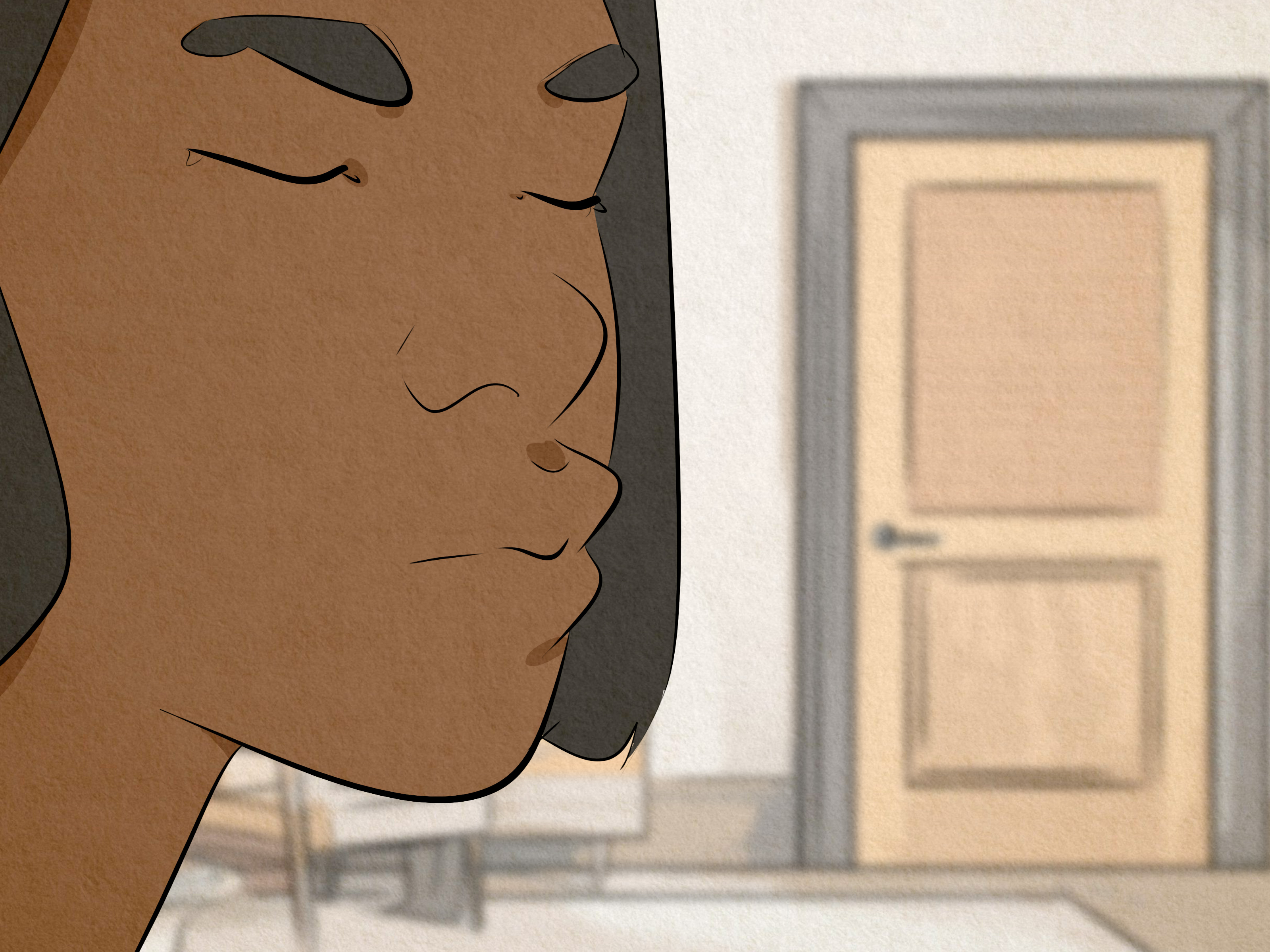

Someone across the table presses their lips together, nudges them forward, and suddenly looks as though they are preparing to whistle at an unusually disappointing spreadsheet. Their lips are pursedbut what rounded shape. People may purse their lips intentionally when whistling, kissing, posing for a photograph, pronouncing certain sounds, or practicing a breathing exercise. The movement can also happen automatically when someone is thinking, disagreeing, worrying, or trying not to say the first thing that comes to mind.
Because the same lip position can serve several purposes, pursed lips are not a secret emotional barcode. Context matters. The rest of the face, the conversation, the person’s usual mannerisms, and what happens immediately afterward all help clarify the meaning.
What Does "Lips Pursed" Mean?
To purse your lips means to contract or tighten them into a rounded, puckered shape. Imagine the opening of an old-fashioned drawstring pouch being pulled closed. That gathered appearance is the basic visual idea behind the verb purse.
A person with pursed lips may have:
- The upper and lower lips pressed together
- The mouth pushed slightly forward
- A small circular or oval opening between the lips
- Tension around the corners of the mouth
- Cheeks that appear slightly tightened or drawn inward
The exact shape varies. Some people form a noticeable “O,” while others merely tighten their lips into a narrow line. This is why writers sometimes use pursed lips, pressed lips, and puckered lips in similar situations, even though the expressions are not perfectly identical.
What Does "She Pursed Her Lips" Mean in Writing?
In a novel, article, or conversation, the sentence “she pursed her lips” often suggests that the person is reacting without speaking. The gesture may communicate skepticism, irritation, disapproval, concentration, or restrained amusement.
For example:
Maria pursed her lips when she saw the repair estimate.
Maria may be unhappy with the price, suspicious of the charges, or calculating whether she can afford them. The sentence does not tell us precisely which interpretation is correct, but it signals that her reaction is probably not carefree enthusiasm.
Now consider a different context:
Maria pursed her lips and blew gently across the hot coffee.
Here, the movement is practical rather than emotional. She is simply directing a narrow stream of air. No hidden drama is required; the coffee is the villain.
What Can Pursed Lips Communicate?
Pursed lips commonly appear during negative or thoughtful moments, but no single meaning applies every time. A reliable interpretation comes from combining the gesture with surrounding clues.
1. Disapproval or Disagreement
Pursed lips frequently accompany a negative evaluation. Someone may make the expression after hearing an idea they dislike, noticing behavior they consider inappropriate, or receiving an answer they do not accept.
You might see pursed lips along with a furrowed brow, a raised chin, narrowed eyes, or a slight backward movement of the head. Together, these cues may suggest a silent “no,” “I disagree,” or “I am not impressed.”
Even so, the expression is not proof that the person dislikes you. They may be reacting to a specific statement, thinking about a complication, or experiencing unrelated discomfort.
2. Concentration and Careful Thinking
People sometimes purse their lips while solving a problem, reviewing information, or deciding what to do next. The mouth tightens while attention turns inward.
A student may purse their lips while working through a difficult equation. A mechanic may do it while listening to an unfamiliar engine noise. A manager may make the expression while studying a proposal that contains seventeen charts and somehow no clear conclusion.
In these cases, pursed lips may indicate mental effort rather than annoyance.
3. Holding Back Words or Emotion
Tightening the lips can look like physically closing the mouth to prevent something from escaping. A person may purse or compress their lips when trying not to laugh, interrupt, criticize, cry, or reveal an immediate reaction.
Look for additional signs. Tight shoulders, a rigid jaw, limited eye contact, or a sudden pause may suggest tension. Sparkling eyes and raised cheeks may indicate suppressed laughter. The mouth alone cannot settle the case.
4. Uncertainty or Skepticism
Pursed lips can appear when a person is unconvinced or undecided. They may be weighing competing possibilities, searching for missing information, or questioning whether a claim makes sense.
Imagine telling a friend that your car is making a “tiny harmless noise” while smoke rises from the hood. Their pursed lips may indicate that they do not share your relaxed mechanical diagnosis.
5. Frustration or Impatience
Some people tighten their lips when they are irritated but trying to remain polite. The expression can serve as a momentary pause between feeling frustration and responding to it.
In a meeting, for instance, a colleague may purse their lips after being interrupted for the fourth time. The gesture may suggest that their patience is approaching its final loading screen.
6. A Kiss, Whistle, or Playful Pose
Not every pursed-lip expression is serious. People round their lips when blowing a kiss, whistling, making a playful “kissy face,” or posing for a photograph.
The surrounding expression usually distinguishes these actions from disapproval. Relaxed eyes, lifted cheeks, a tilted head, and a playful setting point toward affection or humor rather than criticism.
Pursed Lips vs. Puckered, Pouting, and Pressed Lips
These terms overlap, but each emphasizes a slightly different mouth position.
Pursed Lips
The lips are tightened and gathered, often with a small rounded opening. The expression may be intentional or unconscious and can serve emotional, practical, or medical purposes.
Puckered Lips
Puckered usually emphasizes wrinkling or drawing the lips forward, especially for a kiss. A pucker is often more pronounced and rounded than a subtle lip purse.
Pouting Lips
A pout generally involves pushing the lips outward to display sadness, displeasure, sulkiness, or a deliberately glamorous pose. The lower lip may project farther than the upper lip.
Pressed or Compressed Lips
Pressed lips are held firmly together, often in a flat line. Unlike pursed lips, they may not project forward or form an “O.” Lip compression commonly appears when a person is tense or withholding a response.
In everyday speech, people may use these descriptions loosely. Human faces have not signed a contract requiring perfect vocabulary compliance.
How to Purse Your Lips
Pursing your lips is a simple movement, although doing it naturally is easier when you avoid excessive tension.
- Relax your face. Let your jaw, cheeks, and forehead soften. Your teeth can remain slightly apart.
- Bring your lips together. Close them gently without biting or pulling them inward over your teeth.
- Tighten the center slightly. Contract the muscles around your mouth as though you are preparing to whistle.
- Move the lips forward. Push them outward a small distance while keeping the corners of your mouth controlled.
- Create a small opening if needed. For blowing, whistling, or breathing, leave a narrow circular opening in the center.
- Check for unnecessary strain. Your lips should feel controlled, not painful. Release the expression if your jaw or cheeks begin to ache.
A useful practice cue is to imagine cooling a spoonful of hot soup. Another is to shape your mouth as though you are saying “oo.” The second option is especially convenient when no soup is available for dramatic coaching purposes.
How to Make the Expression Look Natural
For acting, photography, or drawing references, the most believable expression depends on the intended emotion.
- For concentration: Keep the eyes focused and the eyebrows mostly neutral.
- For disapproval: Add a slight brow furrow or raised chin without turning the face into a cartoon scowl.
- For uncertainty: Tilt the head slightly and allow one eyebrow to rise.
- For a playful pose: Relax the forehead, lift the cheeks, and keep the eyes warm.
- For restrained laughter: Press the lips together while allowing the cheeks and eyes to show amusement.
Small changes around the eyes and brows can transform the same mouth position from thoughtful to annoyed, affectionate, or comic.
Why People Purse Their Lips When Speaking
The lips are active speech structures. Along with the tongue, jaw, palate, airflow, and voice box, they help shape recognizable sounds. Lip rounding is particularly noticeable in sounds similar to the vowel in “food” and in the beginning of words such as “we” or “wow.”
Someone may therefore appear to purse their lips simply because of the word being pronounced. Singers, language learners, actors, and speech-therapy clients may deliberately exaggerate lip rounding to practice articulation or resonance.
This is another reason not to interpret every lip movement as an emotional revelation. Sometimes a person is not silently judging the room; they are just saying “blue balloon.”
What Is Pursed-Lip Breathing?
Pursed-lip breathing is a controlled breathing technique in which a person inhales through the nose and exhales slowly through gently puckered lips. It is commonly taught to people who experience breathlessness, including some individuals with chronic obstructive pulmonary disease or asthma.
The narrowed opening slows the outward flow of air. This can help reduce a rapid breathing pace, keep smaller airways open longer during exhalation, and make breathing feel more controlled. It may also help a person use less effort while breathing during activities such as walking, climbing stairs, or completing household tasks.
How to Do Pursed-Lip Breathing
- Sit comfortably or stand in a stable position.
- Relax your neck and shoulders.
- Close your mouth and inhale slowly through your nose for about two counts.
- Purse your lips as though you are going to whistle or gently blow out a candle.
- Exhale slowly through the small opening for about four counts or longer.
- Let the air leave gently rather than forcing it out.
- Repeat until your breathing becomes slower and more comfortable.
The exhalation should generally last longer than the inhalation. Avoid holding your breath, puffing your cheeks, or blowing with enough force to launch an imaginary birthday candle across the room.
Pursed-lip breathing is a supportive technique, not a substitute for prescribed medication, oxygen, or professional medical care. Sudden or severe breathing difficultyparticularly when accompanied by chest pain, fainting, confusion, nausea, or blue lips or nailsrequires emergency medical attention.
How to Interpret Pursed Lips More Accurately
Body language can provide useful clues, but it should not be treated as mind reading. Facial expressions vary among individuals and cultures, and the same person may use one expression for different emotions.
Consider the Immediate Context
Ask what happened just before the lips were pursed. Did someone propose an unpopular plan? Did the person taste something sour? Are they preparing to whistle, speak, or breathe slowly? The event often explains more than the gesture itself.
Look at the Whole Face and Body
Combine the mouth movement with the eyes, eyebrows, posture, hands, voice, and physical distance. Pursed lips with crossed arms and a tense jaw may suggest resistance. Pursed lips with soft eyes and raised cheeks may signal playfulness.
Notice the Person’s Baseline
Some people habitually tighten their lips while listening or thinking. A gesture becomes more informative when it differs from the person’s normal behavior or appears immediately after a particular subject is introduced.
Avoid Turning One Cue Into a Verdict
Pursed lips do not prove that someone is lying, angry, attracted, offended, or hiding information. Strong conclusions based on one facial action are likely to produce misunderstandings.
When the relationship permits it, asking a calm question is usually more accurate than conducting an amateur interrogation from across the lunch table. “What do you think?” works better than “Your upper lip moved three millimeters, so confess.”
Real-Life Experiences With Pursed Lips
Recognizing pursed lips becomes easier when the expression is viewed in complete situations rather than as an isolated pose. The following experience-based scenarios show how dramatically context can change its meaning.
The Restaurant Reaction
Imagine a family trying a new restaurant. One person tastes the soup, places the spoon down, and purses their lips. At first, everyone assumes the soup is terrible. Then the person explains that it is simply much hotter than expected and begins blowing across the next spoonful.
The same mouth shape initially looked like criticism, but its real purpose was practical. The experience demonstrates why timing matters. Pursed lips immediately after tasting food might indicate dislike, heat, sourness, concentration, or an attempt to avoid speaking with a full mouth. Watching the next action usually provides the missing information.
The Difficult Meeting
During a project meeting, a team member presents a new schedule that removes several days from the testing phase. Another employee purses her lips, lowers her gaze to the document, and pauses before responding.
Her expression may suggest concern or disagreement, but the pause also shows that she is organizing her thoughts. Instead of accusing the presenter of making a terrible decision, she asks whether the deadline allows enough time to test the product safely.
Here, pursed lips function as a bridge between an immediate negative reaction and a measured verbal response. The gesture may help someone delay speaking until they can express disagreement professionally.
The Family Photograph
At a birthday party, several relatives gather for a group picture. One teenager purses his lips dramatically while everyone else smiles. An older relative assumes he is annoyed about being photographed, but he is actually copying a playful pose used by his friends.
The misunderstanding comes from interpreting the expression according to one generation’s expectations. In social photographs, rounded or puckered lips can be humorous, fashionable, affectionate, or deliberately exaggerated. The person’s posture, eyes, and behavior before and after the photograph reveal that no protest was intended.
The Quiet Decision
A shopper compares two laptops while reading specification cards. She purses her lips, shifts her weight, and looks back and forth between the prices. A salesperson might mistake the expression for dislike, but it could simply represent calculation: one model has more storage, while the other leaves enough money for groceries and perhaps one emotionally supportive pastry.
When the salesperson asks which feature matters most, the shopper explains her priorities. The experience highlights a valuable communication principle: a curious question can clarify what an expression cannot.
The Breathless Walk
A person with a chronic lung condition becomes short of breath while walking uphill. Rather than breathing faster through an open mouth, he slows down, inhales through his nose, and exhales gently through pursed lips. The rounded mouth is not an emotional reaction at all; it is part of a practiced breathing technique.
Because the exhalation lasts longer, he regains a steadier rhythm and continues according to the activity plan recommended by his healthcare team. This experience shows why observers should consider health and physical activity before labeling pursed lips as anger or disapproval.
The Almost-Laugh
In a serious classroom discussion, a student notices an accidental but harmless typo on a presentation slide. She purses her lips and looks down. Someone watching only her mouth might think she dislikes the presentation. Her lifted cheeks and crinkled eyes, however, show that she is trying not to laugh.
This is an excellent example of why the whole face matters. Mouth tension can indicate emotional restraint, but the emotion being restrained could be irritation, sadness, amusement, surprise, or something else entirely.
Across these situations, pursed lips act less like a fixed word and more like punctuation. They mark a reaction, effort, or transition, while the surrounding “sentence”the setting, facial expression, behavior, and spoken wordsprovides the meaning.
Conclusion
“Lips pursed” means that the lips are tightened, gathered, and often pushed forward into a small rounded shape. The expression may signal disagreement, concentration, uncertainty, frustration, emotional restraint, affection, or playfulness. It can also be a purely functional movement used for speaking, whistling, blowing, or controlled breathing.
To purse your lips, relax your face, bring the lips together, tighten them gently, and move them slightly forward. Leave a small opening when you need to direct airflow. Most importantly, do not assume the shape has one universal emotional meaning. A facial gesture is a clue, not a signed confession.
Note: Facial expressions should always be interpreted in context. The breathing information in this article is educational and does not replace individualized medical advice or emergency care.