
Money is one of those things everyone uses, everyone worries about, and almost no one feels they fully understands. It buys groceries, pays rent, keeps the lights on, funds dreams, causes arguments, builds empires, and occasionally disappears from your wallet with the speed of a magician who also sells iced coffee. But underneath the bills, bank balances, credit cards, retirement accounts, and awkward “who’s paying for dinner?” moments, there is a deeper question: What is the point of money?
The simple answer is that money helps people exchange value. The better answer is that money is a tool for security, freedom, choice, coordination, and meaning. It is not the destination. It is the vehicle. And like any vehicle, it can take you somewhere useful, sit in the driveway looking impressive, or crash directly into a hedge if you treat it carelessly.
This article explores the real purpose of money from economic, personal, emotional, and practical angles. We will look at why money exists, how it works, why people chase it, when it helps, when it fails, and how to use it without letting it become the boss of your entire personality.
What Is Money, Really?
At its core, money is a shared agreement. A dollar bill is not valuable because cotton paper has magical powers. Your debit card is not a tiny treasure chest. A number in your bank app is not food, shelter, or happiness by itself. Money works because people, businesses, banks, and governments agree that it represents value and can be exchanged for goods and services.
Economists usually describe money as having three main functions:
1. Money Is a Medium of Exchange
Money makes buying and selling easier. Without money, we would have to barter. Imagine trying to pay your dentist with three chickens, a used toaster, and a heartfelt promise to mow their lawn. Barter only works when both sides want exactly what the other person has. Money solves that problem by giving everyone a common tool for exchange.
2. Money Is a Unit of Account
Money gives us a standard way to measure value. A car, a haircut, a college class, and a burrito can all be priced in dollars. That does not mean they are equally important, of course. A burrito may become extremely important at 11:47 p.m., but money still gives us a way to compare costs and make decisions.
3. Money Is a Store of Value
Money lets you save today’s effort for tomorrow’s needs. If you earn money this week, you can use it next month for rent, next year for a vacation, or decades later for retirement. This is one reason inflation matters: when prices rise, the same amount of money buys less than it used to. In other words, money is a store of value, but it is not a freezer bag for purchasing power. It needs wise management.
The Economic Point of Money: Making Life Less Complicated
Money helps large societies function. It coordinates millions of people who do not know each other. A farmer grows wheat, a truck driver moves flour, a baker makes bread, a cashier sells it, and you buy a loaf without having to personally negotiate with every person in the chain. Money quietly says, “Relax, everyone. We have a system.”
This system allows people to specialize. Doctors can focus on medicine, teachers can focus on education, plumbers can focus on saving bathrooms from disaster, and software developers can focus on writing code that mysteriously breaks only during important meetings. Money connects all this work into one economy.
Money also helps governments collect taxes, build roads, fund schools, support defense, provide public services, and manage national finances. Whether someone loves taxes or treats April like a horror movie franchise, public money plays a major role in how modern societies operate.
The Personal Point of Money: Security First
Before money becomes about luxury, investing, status, or “financial freedom,” it is about survival. Food, housing, healthcare, transportation, utilities, clothing, and basic safety all require money in modern life. The first point of money is not to make you rich. It is to make you stable.
Financial security means being able to handle ordinary life and unexpected problems without constant panic. A surprise car repair, medical bill, job loss, rent increase, or broken refrigerator can become a crisis when there is no cushion. This is why personal finance experts often recommend building an emergency fund. It is not glamorous. Nobody claps when you move $50 into savings. But future-you may whisper, “You beautiful responsible legend.”
Security gives people breathing room. It reduces the feeling that every decision is a cliff edge. When basic needs are covered and emergencies are less terrifying, money starts doing something more powerful: it buys options.
Money Buys Choices, Not Just Things
One of the most underrated purposes of money is choice. Money can allow you to leave a bad job, move to a safer neighborhood, take time off after a stressful season, care for a family member, start a business, return to school, or say no to situations that do not fit your values.
This is why “money can’t buy happiness” is both true and incomplete. Money cannot buy a loving family, inner peace, purpose, or the ability to enjoy a quiet Saturday without checking email 37 times. But money can remove many problems that crush happiness. It can pay for medicine, childcare, transportation, healthy food, therapy, education, and rest. Those things matter.
The point is not that money guarantees a good life. The point is that a lack of money often makes a good life harder to build.
Money and Happiness: The Complicated Friendship
Research on money and happiness generally points to a practical truth: money helps most when it reduces stress, increases control, and supports meaningful experiences. More income can improve well-being, especially when it helps people meet basic needs and avoid financial chaos. But after a certain level, the emotional return on every extra dollar often depends on how the money is used.
For example, spending on experiences can create stronger memories than buying another object that will eventually become clutter with a receipt. A weekend trip with close friends may bring more long-term satisfaction than a fancy gadget you stop noticing after two weeks. Buying time can also improve life. Paying for help with a task you hate, choosing a shorter commute, or using money to reduce daily friction can be more valuable than buying something designed mainly to impress strangers.
Generosity also matters. Spending money on others, giving to causes, supporting family, or helping a friend can create meaning. Humans are social creatures. We are not calculators wearing shoes. Money becomes more satisfying when it strengthens connection rather than just stacking possessions.
The Problem With Treating Money as the Point
Money is a useful servant but a terrible life purpose. When money becomes the point of everything, it can distort priorities. People may sacrifice health, relationships, ethics, and joy just to increase a number. That number may grow while the person behind it becomes exhausted, lonely, or permanently one email away from combustion.
This does not mean ambition is bad. Earning more can be honorable. Building a business, advancing in a career, investing wisely, and creating wealth can help families and communities. The danger begins when money stops being a tool and becomes a scoreboard for human worth.
A person is not more valuable because they drive a luxury car. A person is not less valuable because they rent, use coupons, or know the exact price of eggs. Financial success can reflect discipline and talent, but it can also reflect timing, opportunity, inheritance, health, location, and luck. Money tells part of a story, not the whole biography.
Money as Freedom: The Real Meaning of Financial Independence
Financial independence does not always mean retiring at 35 to drink smoothies on a beach while posting motivational quotes beside a suspiciously clean laptop. For many people, financial independence simply means having enough control over money that life is not ruled by fear.
It may mean having no high-interest debt. It may mean owning a modest home. It may mean being able to help parents, raise children, travel once a year, support a charity, or work part-time. It may mean having enough savings to change careers without eating instant noodles in a dramatic candlelit scene.
The point of financial freedom is not laziness. It is alignment. Money should help your daily life match your values. If you value family, money can buy time with family. If you value learning, money can fund education. If you value creativity, money can create space to make things. If you value health, money can support prevention, care, and rest.
How Money Becomes Wealth
Money and wealth are related, but they are not the same. Money is what you use. Wealth is what you build. A high income can disappear quickly if spending rises just as fast. A modest income can become powerful when paired with saving, investing, patience, and low debt.
Compound interest is one reason time matters so much. When savings or investments earn returns, and those returns begin earning returns of their own, growth can accelerate over long periods. This is why starting early is often more important than starting perfectly. The best financial plan is not always the fanciest one. Sometimes it is the plan you can actually follow without needing a spreadsheet, a monk’s discipline, and three emotional support beverages.
Wealth also includes non-financial assets: skills, relationships, health, reputation, and knowledge. A person with marketable skills, strong community ties, and good habits may be wealthier in practical terms than their bank balance suggests. Money is part of wealth, but not the entire castle.
The Point of Budgeting Is Not Punishment
Many people hear the word “budget” and immediately feel as if someone has turned off the music at a party. But a budget is not supposed to be a financial diet where joy goes to perish. A good budget is a plan for directing money toward what matters most.
Budgeting answers three questions:
- What money is coming in?
- Where is it going?
- Does that match what I actually want?
If your money is leaking into subscriptions you forgot, impulse purchases you barely remember, or convenience spending caused by exhaustion, a budget helps you notice. Awareness is powerful. You cannot improve what you refuse to look at, and money has a talent for sneaking away when ignored.
The goal is not to eliminate every pleasure. The goal is to spend intentionally. Coffee with a friend may be worth it. A random online purchase at midnight because you were bored and emotionally vulnerable to free shipping may not be.
Debt: When Money From the Future Visits Too Early
Debt is not automatically evil. Student loans, mortgages, and business loans can sometimes help people access opportunities. But high-interest consumer debt can quietly become a trap. Credit cards are convenient, but unpaid balances can turn yesterday’s pizza, sneakers, or weekend trip into a long-term financial mosquito bite.
The point of money is partly to give future-you more freedom. Bad debt does the opposite. It spends future income before it arrives. That is why paying down expensive debt can be one of the most powerful uses of money. It is not flashy, but it gives your next paycheck fewer enemies.
Money and Values: Your Spending Tells the Truth
One revealing question is: “If someone looked at my spending for the last three months, what would they think I value?” The answer may be comforting, hilarious, or mildly alarming.
Money has a way of exposing priorities. We may say we value health, but spend mostly on convenience and stress relief. We may say we value family, but work so much that we never see them. We may say we value freedom, but buy things that require more debt and more work. No shame is required here. Life is expensive, advertising is clever, and humans are beautifully inconsistent. Still, the question is useful.
The best use of money is not the same for everyone. One person may find meaning in travel. Another may find it in building a peaceful home. Someone else may value education, charity, entrepreneurship, or caring for relatives. Personal finance is personal because people are not identical robots with bank accounts.
So, What Is the Point of Money?
The point of money is to support life, not replace it. Money exists to help people trade, measure value, save effort, reduce uncertainty, make choices, build security, and pursue meaningful goals. It is a tool for converting work into options.
At its best, money protects your needs, expresses your values, strengthens relationships, buys time, and opens doors. At its worst, it becomes a source of anxiety, comparison, greed, or identity confusion. The difference is not only how much money you have, but how clearly you understand what it is for.
Money should answer to a larger purpose. That purpose may be peace, family, creativity, generosity, independence, adventure, service, or simply the dignity of not panicking when the car makes a noise that sounds expensive. When money serves those goals, it becomes useful. When it becomes the goal itself, it can become strangely empty.
Experiences Related to “What Is the Point of Money?”
One of the clearest ways to understand the point of money is to watch how people feel when they either have enough or do not. Consider a young professional earning their first steady paycheck. At first, money feels like permission. They can buy dinner without calculating every dollar, replace worn-out shoes, and pay bills on time. The emotional shift is not really about luxury. It is about relief. Their shoulders drop. Their sleep improves. They stop treating every grocery trip like a math exam with fluorescent lighting.
Then lifestyle creep appears, wearing a nice jacket and speaking in a very persuasive voice. A better apartment, upgraded phone, restaurant meals, subscriptions, rideshares, and weekend plans all feel reasonable on their own. But together, they can turn a good income into a vanishing act. This experience teaches an important lesson: the point of money is not merely to earn more, but to direct more. Without intention, money becomes busy but not meaningful.
Another common experience happens during emergencies. A person with even a small emergency fund may face a car repair with annoyance rather than panic. They still dislike the bill, because nobody has ever said, “Fantastic, my transmission needs attention.” But the money set aside turns a potential disaster into a manageable problem. In that moment, savings are not boring. They are emotional armor.
Money also reveals its purpose through generosity. Buying lunch for a friend who is struggling, helping a parent with a bill, donating to a local shelter, or tipping well when you can afford it often creates a sense of usefulness that another random purchase may not. The money leaves your account, yes, but it becomes part of a human connection. That is a very different feeling from owning one more thing you have to dust.
Travel offers another lesson. Many people remember trips, concerts, weddings, reunions, and family visits far longer than they remember objects they bought in the same year. Experiences can turn money into stories. A delayed flight, a shared meal, a rainy hike, or a ridiculous roadside attraction can become part of personal history. Money did not create the meaning by itself; it simply opened the door.
Work experiences also clarify money’s role. Someone may stay in a draining job because they need the paycheck. That is reality, not failure. But saving consistently, reducing debt, and building skills can eventually create room to choose better work. In this way, money becomes a bridge from survival to agency. It cannot make every job wonderful, but it can reduce the feeling of being trapped.
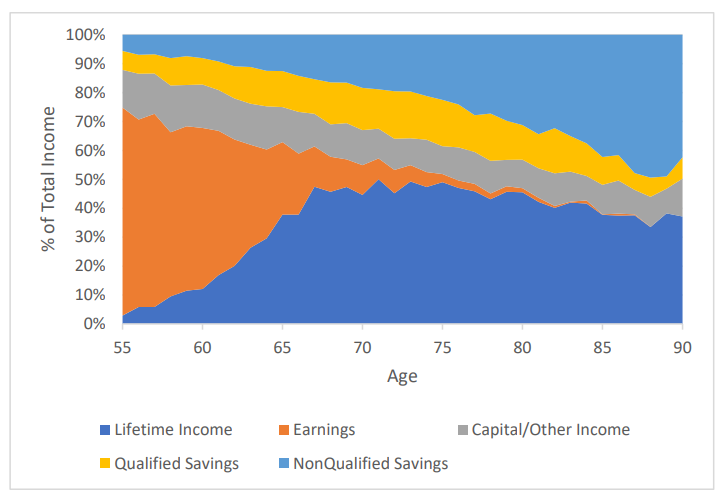
Finally, many people discover that the point of money changes with age. In youth, it may mean independence. In midlife, it may mean stability, family support, or home ownership. Later, it may mean healthcare, dignity, time, and legacy. The dollar is the same, but the purpose evolves. That is why the best financial question is not “How much can I get?” but “What life am I trying to build, and how can money help me build it?”
Conclusion
Money matters because life in a modern economy requires it. It pays for needs, protects against emergencies, supports goals, and creates choices. But money is not the final point of life. It is a powerful tool that works best when connected to values, relationships, health, time, and purpose.
The wisest approach is not to worship money or dismiss it. Respect it. Learn how it works. Earn it ethically. Save some. Spend some with joy. Give some when possible. Invest for the future. Use it to buy breathing room, not just bigger closets. In the end, the point of money is not to prove your worth. It is to help you live a life that feels worth living.
Note: This article is for general educational purposes only and should not be treated as personal financial, investment, tax, or legal advice.