
You open a book intending to read one chapter. Ten minutes later, the sentences begin swimming, your eyelids feel unusually ambitious about closing, and the paperback lands on your chest. Apparently, the plot has been replaced by an unscheduled nap.
If reading makes you sleepy, the good news is that this reaction is usually normal. Reading combines sustained concentration with physical stillness, reduced stimulation, anddepending on when and where you reada setting already associated with sleep. It often does not create drowsiness from scratch. Instead, it gives existing sleep pressure a quiet opportunity to announce itself.
However, there is a difference between becoming pleasantly sleepy while reading in bed at night and struggling to stay awake whenever you look at a page. Understanding that distinction can help you improve your reading habits, protect your eyes, and recognize when persistent daytime sleepiness deserves medical attention.
Why Does Reading Make You Sleepy?
Reading is mentally active, but it is physically quiet. Your eyes move across the page while your brain recognizes words, retrieves meanings, follows ideas, and constructs a mental picture. Meanwhile, the rest of your body may be motionless in a comfortable chair or tucked beneath a suspiciously persuasive blanket.
This combination creates several conditions that can bring existing tiredness to the surface.
1. Reading Removes the Stimulation Keeping You Awake
A busy day supplies a steady stream of wake-promoting stimulation: conversations, traffic, notifications, deadlines, movement, noise, and the occasional email marked “urgent” for reasons known only to its sender. Readingespecially a printed bookremoves many of those signals.
With fewer sights, sounds, decisions, and physical demands competing for attention, you may finally notice how tired you already are. In other words, reading may not be the cause of your sleepiness. It may simply expose the sleepiness that activity had been disguising.
2. Sleep Pressure Builds Throughout the Day
The longer you remain awake, the stronger your biological drive to sleep becomes. This process is commonly called homeostatic sleep pressure. Adenosine, a chemical involved in sleep-wake regulation, accumulates in the brain during waking hours and contributes to increasing drowsiness.
If you start reading after a long day, your body may already be close to its natural sleep threshold. Sitting still gives that accumulated pressure an opening. This explains why the same mystery novel can feel electrifying at 10 a.m. and strangely sedative at 10 p.m. The culprit is not necessarily chapter seven; it is your biological clock checking its watch.
3. Your Circadian Rhythm May Be Entering a Sleepy Phase
Your circadian rhythm is an internal timing system that helps regulate alertness and sleep over approximately 24 hours. Most people experience their strongest drive for sleep at night, but a smaller dip in alertness commonly appears during the midafternoon.
Consequently, reading at bedtime or around the afternoon slump may make you sleepy more quickly than reading during your peak alertness period. A heavy lunch can make that afternoon effect feel stronger, but the dip is not caused entirely by food. It is also part of the body’s daily rhythm.
4. Reading Can Become a Learned Bedtime Signal
If you regularly read before sleeping, your brain can begin treating the activity as part of a familiar wind-down routine. The sequence becomes predictable: pajamas, pillow, book, three paragraphs, unconsciousness.
This is a form of behavioral conditioning. The book, reading lamp, bedroom, and reclining position become cues associated with rest. Over time, merely opening a novel in that environment may help your body shift out of high-alert mode.
This learned response is not a problem if you want to sleep. In fact, a calm bedtime routine can support healthier sleep habits. It becomes inconvenient only when the same association follows you into daytime study sessions.
5. Repetitive Eye Movements and Sustained Focus Can Feel Fatiguing
Reading requires continuous near focus and repeated eye movements from word to word and line to line. The brain must decode language while keeping your place, processing meaning, and remembering what happened several paragraphs earlier.
That work can produce mental and visual fatigue, especially during long sessions. Difficult academic material may be particularly draining because it requires more effort than familiar or entertaining writing. If you have ever reread the same sentence five times and absorbed only the word “therefore,” you have met cognitive fatigue in its natural habitat.
Mental fatigue and sleepiness are not identical, but they can overlap. Concentration becomes harder, attention wanders, and closing your eyes starts to feel appealing.
6. Dim Lighting Encourages Drowsiness
Low evening light supports the body’s transition toward sleep, while brighter daytime light generally promotes alertness. Reading in a dim bedroom therefore creates an environment that is friendly to drowsiness.
Poor lighting can also make printed text harder to see. Squinting or straining to read does not normally damage healthy eyes permanently, but it can contribute to temporary eyestrain, headaches, blurred vision, and difficulty keeping the eyes open.
A bedside lamp should illuminate the page without shining directly into your eyes or creating harsh glare. Moody lighting may look excellent in photographs, but your eyeballs are less interested in atmosphere than legibility.
7. Your Reading Position May Be Almost Too Comfortable
Reading while lying down reduces physical activity and may place you in the same posture you use for sleep. A warm room, soft pillow, quiet surroundings, and supported muscles can make relaxation deepen quickly.
By contrast, sitting upright at a desk requires more postural engagement. Standing periodically, taking notes, or changing position adds stimulation that can help maintain alertness. This is why studying beneath a comforter often turns into sleeping beneath a textbook.
8. The Material May Not Be Holding Your Attention
Boredom and low engagement can contribute to drowsiness. When a text is repetitive, predictable, or difficult to understand, attention may drift. The brain receives fewer novel rewards, making it easier for underlying fatigue to take control.
This does not mean every sleepy reader dislikes books. Even a fascinating story may lose its battle against significant sleep debt. Nevertheless, if only one subject makes you drowsysay, tax regulations written in microscopic printthe content may be part of the explanation.
Is It Normal to Get Sleepy While Reading?
Yes, occasional sleepiness while reading is usually normal, particularly when you read:
- Near your usual bedtime
- After a physically or mentally demanding day
- In bed or in a deeply reclined position
- In a warm, quiet, or dimly lit room
- After sleeping less than your body needs
- During the natural midafternoon dip in alertness
- For a long period without moving or taking a break
Healthy adults generally need at least seven hours of sleep per night, although individual needs vary. If you consistently obtain enough high-quality sleep, wake feeling refreshed, and remain alert during normal daytime activities, becoming sleepy during a bedtime reading session is rarely alarming.
It may even be useful. Reading a printed book can provide a predictable transition between a stimulating day and sleep. Research on bedtime reading suggests that many adults perceive an improvement in sleep when they add book reading to their nighttime routine.
Does Reading Help You Fall Asleep?
Reading may help when the material and environment are calming. It occupies the mind enough to interrupt repetitive worries without delivering the rapid stimulation of social media, work messages, or breaking news.
For bedtime reading, choose something enjoyable but not emotionally explosive. A suspense novel that ends every chapter with an international kidnapping may not be the most efficient lullaby. Likewise, using bedtime to investigate symptoms, answer work email, or debate strangers online can keep the brain activated.
If you use reading as a sleep aid, keep the routine simple:
- Read at roughly the same time each night.
- Use comfortable, focused lighting.
- Choose a printed book or a non-light-emitting e-reader when possible.
- Stop when you become genuinely sleepy instead of fighting through another chapter.
- Keep your sleep and wake times reasonably consistent.
Do Printed Books and E-Readers Affect Sleep Differently?
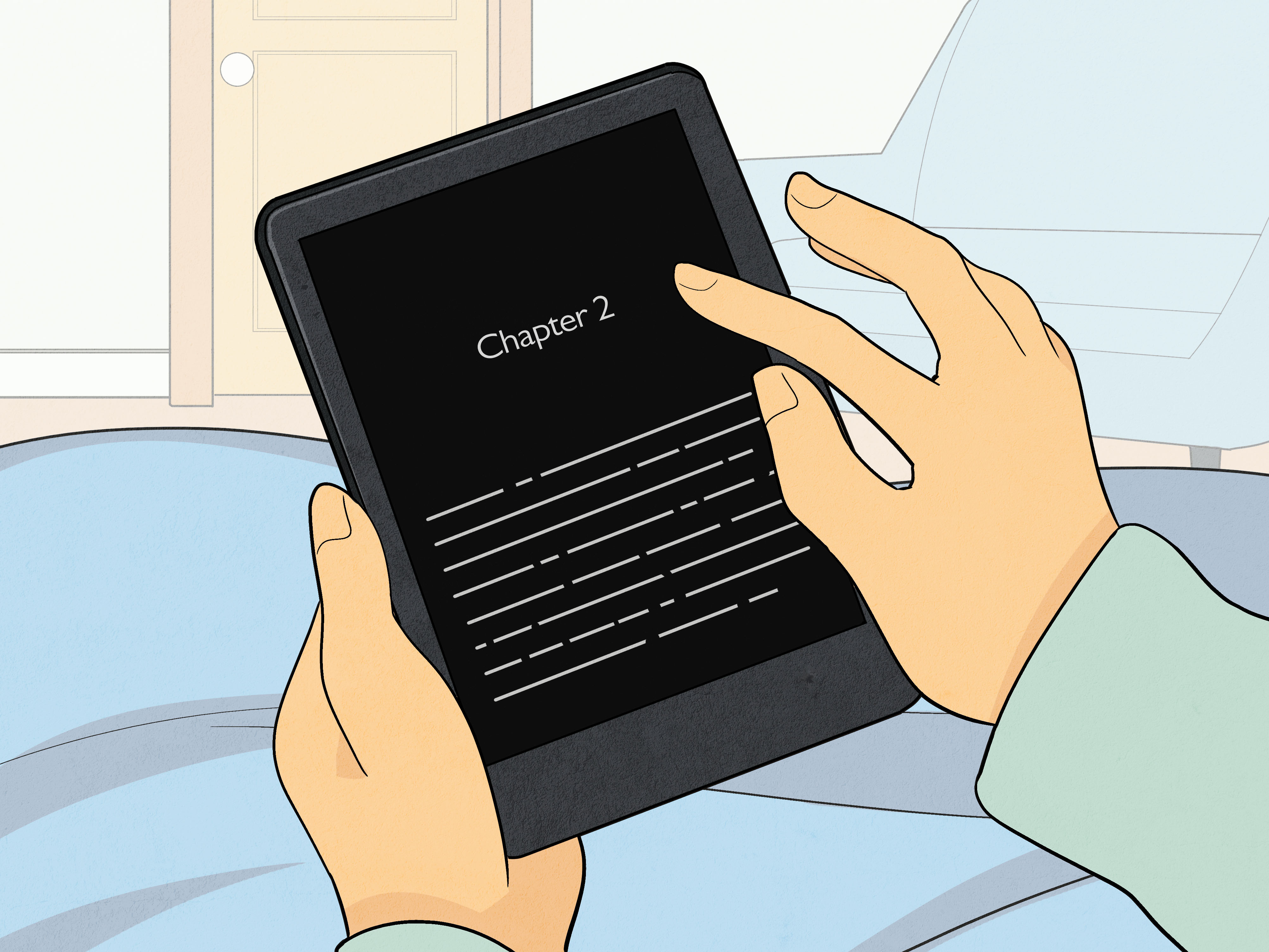
The format matters, particularly at night. Printed books do not emit light, while phones, tablets, and many e-readers do. Bright light from a screen can promote alertness and influence circadian timing. Research comparing printed books with light-emitting e-readers has found that evening screen reading can delay sleep, suppress melatonin, and reduce next-morning alertness.
Screen content also matters. Reading a static chapter is usually less stimulating than switching among messages, videos, headlines, and notifications. Night settings and reduced brightness may make a device more comfortable, but they do not turn an interactive phone into a paperback.
If digital reading is your only practical option, lower the brightness, use a warmer color setting, silence notifications, and hold the screen at a comfortable distance. The goal is to reduce both bright light and mental stimulation.
Could Sleepiness Actually Be Eyestrain?
Sometimes what feels like sleepiness is partly visual fatigue. Eyestrain can cause tired or burning eyes, dryness, watering, headaches, blurred vision, trouble concentrating, and the sensation that you cannot keep your eyes open. Long periods of reading without breaks, glare, dim light, dry air, and an uncorrected vision problem can make these symptoms worse.
If your eyes feel uncomfortable but the rest of your body remains alert, eyestrain may be playing a larger role than true drowsiness. Helpful adjustments include:
- Taking regular breaks and looking at something farther away
- Blinking deliberately, especially when reading on a screen
- Increasing text size and contrast
- Using even lighting without glare
- Keeping screens at a comfortable distance and angle
- Scheduling an eye examination if headaches or blurred vision persist
Adults over 40 may also develop presbyopia, an age-related reduction in near-focusing ability. Holding material farther away, needing brighter light, or experiencing headaches after close work can be signs that reading glasses or an updated prescription may help.
How to Stay Awake While Reading
If reading is supposed to prepare you for an exam rather than a nap, change the signals surrounding the activity.
Read During Your Most Alert Hours
Schedule demanding material for the morning or another period when you naturally feel focused. Save lighter reading, review, or fiction for the evening. Trying to learn complex material after midnight often produces impressive page counts and surprisingly little memory.
Sit Upright and Use Adequate Light
Use a chair that supports a comfortable upright posture. Position the book where you do not need to bend your neck sharply, and use enough ambient and task lighting to see clearly without glare.
Make Reading Active
Take notes, summarize each section, ask questions, highlight selectively, or explain the idea aloud. Active reading increases engagement and reveals whether you understand the material. Highlighting every sentence, incidentally, is less a study strategy than giving the page a new background color.
Move and Take Purposeful Breaks
Stand, stretch, or walk briefly between sections. If your eyes feel tired, focus on a distant object and blink several times. A short break can restore attention more effectively than staring at a paragraph while negotiating with your eyelids.
Address the Real Sleep Deficit
Light, movement, and water may temporarily improve alertness, but they cannot replace sufficient sleep. If you are repeatedly nodding off, the most effective solution may be to stop reading and rest. Do not attempt to overpower severe drowsiness with excessive caffeine, especially late in the day, because it may interfere with the following night’s sleep and continue the cycle.
When Sleepiness While Reading May Not Be Normal
Talk with a healthcare professional if sleepiness is frequent, severe, unexplained, or disruptive despite allowing enough time for sleep. Warning signs include:
- Falling asleep unintentionally during work, class, conversations, or meals
- Feeling unrefreshed after a full night in bed
- Loud snoring, gasping, choking, or witnessed pauses in breathing
- Morning headaches or persistent difficulty concentrating
- Sudden, difficult-to-resist sleep episodes
- Needing multiple naps or large amounts of caffeine to function
- Drowsiness that began after starting or changing a medication
- Sleepiness that creates a driving or workplace safety risk
Excessive daytime sleepiness can be associated with insufficient sleep, sleep apnea, narcolepsy, idiopathic hypersomnia, irregular work schedules, depression, certain medical conditions, or sedating medicines. Antihistamines, sleep aids, some pain medicines, anti-seizure drugs, and other prescriptions may contribute.
Do not stop a prescribed medication without professional guidance. A clinician can review your symptoms, schedule, medications, and sleep quality and decide whether an eye examination, laboratory testing, or a sleep study is appropriate.
Never drive or operate machinery while struggling to stay awake. If a book can defeat your alertness in a brightly lit room at noon, a monotonous highway may do so even faster.
Reading Sleepiness in Real Life: Familiar Experiences
The Bedtime Reader Who Never Finishes a Chapter
Imagine Maya, who reads only after getting into bed. She sleeps about seven and a half hours, feels alert during the day, and can read for an hour on weekend mornings without yawning. At night, however, five pages are enough to make her eyes close.
Maya’s pattern is reassuring. Timing, sleep pressure, a reclining posture, and a well-established bedtime association all point toward ordinary drowsiness. Reading is doing exactly what she wants it to do: providing a quiet bridge into sleep. Her only real challenge is remembering where the book landed when she wakes up.
She solves that problem by choosing shorter chapters, using a bookmark, and stopping as soon as she notices herself rereading sentences. She also avoids using her phone after putting the book down. The result is not more nighttime reading, but a smoother and more consistent bedtime routine.
The Student Who Falls Asleep Over Every Textbook
Now consider Daniel, a college student who studies late because his afternoons are crowded with classes and work. He sits on his bed, uses a small lamp, and begins reading after midnight. Within 20 minutes, his attention collapses. He assumes textbooks are somehow chemically engineered to cause sleep.
When Daniel moves his hardest reading to the morning, sits at a desk, turns on brighter room lighting, and writes a short summary after each section, he stays alert much longer. He also begins sleeping on a more consistent schedule. The experience shows that the problem was not reading alone. Sleep debt, timing, posture, low light, and passive study habits were working together like an extremely efficient nap committee.
Active reading improves his comprehension as well. Instead of measuring success by hours spent staring at pages, he measures it by whether he can explain the key ideas without looking at the book.
The Well-Rested Reader Who Cannot Stay Awake
Finally, picture Elena, who believes she sleeps eight hours but wakes with headaches and never feels refreshed. She becomes drowsy while reading during the day and has nearly fallen asleep in meetings. Her partner mentions loud snoring and occasional gasping at night.
Elena’s experience is different from ordinary bedtime sleepiness. Reading is merely one quiet situation in which a broader alertness problem becomes obvious. She discusses the symptoms with a healthcare professional rather than buying a stronger lamp or adding another cup of coffee.
These examples illustrate a useful test: look beyond the book. Ask when the sleepiness occurs, how much sleep you obtain, whether it happens during other activities, and whether eye discomfort, medications, snoring, or unrefreshing sleep are present. Context determines whether reading-related drowsiness is a harmless bedtime response, a correctable habit, or a clue worth investigating.
Conclusion
Reading commonly makes people sleepy because it reduces stimulation, keeps the body still, requires sustained focus, and often occurs when biological sleep pressure is already high. Dim lighting, a reclining posture, visual fatigue, boring material, and a learned bedtime association can strengthen the effect.
If drowsiness appears mainly during nighttime reading and you remain energetic during the day, it is generally normal. Use it as part of a calming sleep routine if it works for you. If you need to remain alert, improve the lighting, sit upright, read actively, take breaks, and choose a time when your attention is naturally stronger.
Persistent or uncontrollable daytime sleepiness should not be dismissed as a quirky relationship with books. When it affects everyday activities or appears with snoring, gasping, unrefreshing sleep, or sudden sleep episodes, professional evaluation is the sensible next chapter.
Note: This article provides general educational information and is not a substitute for medical diagnosis or treatment.