
Note: This article is for educational and editorial purposes only. It discusses personal finance behavior, social comparison, budgeting, debt, and financial wellness based on current U.S. consumer finance research and real-world financial trends.
At first glance, the question sounds almost rude: Why should you care what anyone else does with their finances? After all, your neighbor’s new truck, your cousin’s designer handbag, your coworker’s crypto adventure, and your friend’s “I retired at 37” Instagram reel do not pay your mortgage. Unless someone is secretly Venmoing you their bad decisions, their money life is technically not your business.
But money is never just math. It is behavior, culture, pressure, opportunity, stress, family, policy, and sometimes a group project nobody remembers signing up for. What other people do with their finances can affect you directly, indirectly, emotionally, economically, and socially. The key is learning the difference between healthy awareness and nosy comparison. One makes you wiser. The other makes you refresh Zillow at midnight while wondering if everyone else got a secret raise.
This article explores why other people’s financial choices matter, when you should pay attention, when you should mind your own wallet, and how to use financial comparison without turning your life into a spreadsheet-flavored panic attack.
Personal Finance Is Personal, But It Is Not Isolated
The phrase “personal finance” makes money sound like a private island. In reality, most people’s finances are connected to families, partners, employers, communities, lenders, landlords, government systems, and markets. When millions of households spend, save, borrow, invest, or default, those individual choices create patterns that shape the economy.
Recent U.S. consumer finance data shows that households are still navigating high living costs, rising debt balances, and uneven financial resilience. The Federal Reserve has reported that many adults say they are doing at least okay financially, but a meaningful share still struggles with emergency expenses. The New York Federal Reserve has also tracked household debt at historically high levels, including mortgages, auto loans, student loans, and credit card balances. Meanwhile, the Bureau of Labor Statistics shows that housing and transportation remain two of the biggest household spending categories in America.
That matters because your financial world does not exist inside a vacuum-sealed jar. If many people in your city stretch to afford rent, housing demand and rental prices can shift. If large numbers of consumers rely on credit cards, lenders may adjust rates, standards, and rewards programs. If scams spread through social media, your family members may become targets. If your friends normalize luxury spending, you may feel pressure to keep up even when your budget is quietly waving a white flag.
The Real Reason You Notice Other People’s Money Choices
Humans compare. We compare houses, vacations, careers, schools, cars, phones, lawns, retirement accounts, and occasionally whose dog has better dental insurance. Social comparison is not new, but modern life has made it louder. Instead of comparing ourselves with a few neighbors, we now compare ourselves with thousands of curated highlight reels.
That friend posting from a resort may be celebrating a once-in-five-years vacation, not a normal Tuesday. The coworker driving a luxury SUV may have a high income, a giant payment, family support, or a lease that expires soon. The influencer explaining “how I built wealth by 25” may have skipped the part where their parents paid for college, rent, and the first business failure. Context matters. Without it, comparison becomes financial fiction.
You should care what others do with their finances only when it gives you useful information, protects you from avoidable mistakes, or helps you make better decisions. You should not care when it pushes you into envy, judgment, or performative spending.
When Other People’s Finances Directly Affect You
1. When You Share Money With Them
If you are married, living with a partner, supporting parents, raising children, running a business with someone, or splitting rent with roommates, their financial habits absolutely matter. A partner’s hidden debt, missed payments, gambling, overspending, or lack of savings can affect shared goals and household stability. A roommate who “forgot” rent three months in a row is not quirky. That is a financial weather alert.
Healthy financial relationships require transparency. That does not mean every coffee purchase needs a committee meeting. It means people who share responsibilities should understand income, debts, bills, savings goals, credit obligations, and expectations. Money secrecy is often more damaging than money disagreement because secrecy removes the chance to solve problems early.
2. When Their Choices Create Risk for You
Someone else’s financial behavior can become your problem when you co-sign a loan, lend money, share a lease, guarantee a business debt, or allow someone to use your credit. Co-signing is not a symbolic gesture. It is a legal promise to pay if the other person does not. In plain English: the bank is not impressed by your good intentions.
Before linking your finances to another person, ask practical questions. Can they afford the payment? Do they have a history of paying on time? What happens if they lose income? Are you financially able and emotionally willing to pay the debt yourself? If the answer is no, love them with boundaries instead of a signature.
3. When Their Financial Stress Spills Into Relationships
Money problems rarely stay in the money drawer. They show up as stress, conflict, avoidance, resentment, and anxiety. Surveys from financial institutions and consumer research groups repeatedly show that money is one of the most common sources of stress for American adults. When people are financially stretched, they may become less patient, less generous, more defensive, or more likely to make desperate decisions.
Caring about someone else’s finances does not mean controlling them. It can mean asking thoughtful questions, offering support, sharing resources, or encouraging them to talk with a qualified financial counselor. Sometimes the best help is not a lecture about budgeting. Sometimes it is saying, “I’m not judging you. Let’s look at the numbers together.”
When Other People’s Finances Indirectly Affect You
Consumer Behavior Shapes Prices and Markets
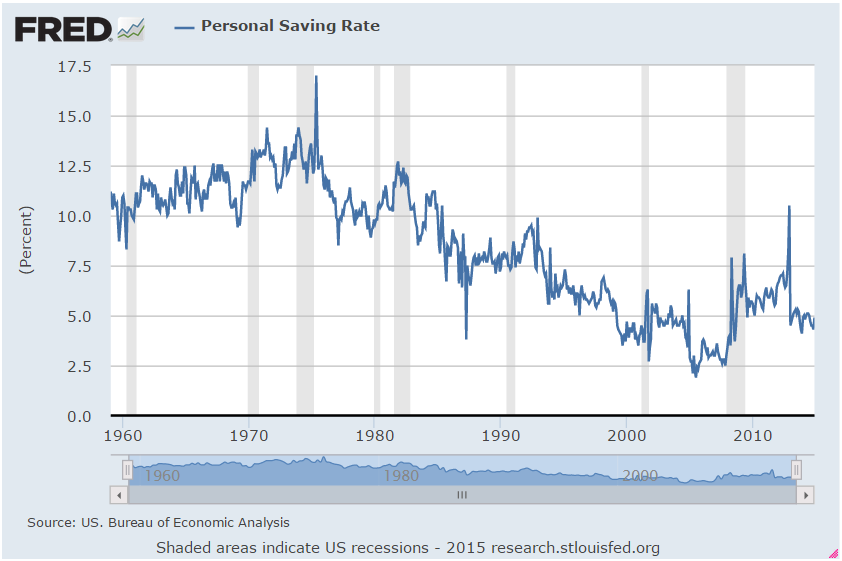
Every household budget is tiny by itself, but collectively, consumer behavior is powerful. When millions of people spend more on housing, transportation, food, or healthcare, those patterns influence business decisions, local economies, and public debate. When consumer debt rises, it can signal pressure on household budgets. When savings rates fall, families become more vulnerable to emergencies. When fraud losses climb, regulators, banks, and platforms are forced to respond.
This is why economists, policymakers, banks, and businesses study household finances so closely. They are not being nosy for sport. Consumer behavior helps explain inflation pressure, credit risk, demand for housing, retirement readiness, and economic confidence. Your personal money choices are private, but in aggregate, they help tell the story of the economy.
Financial Norms Influence Your Choices
People tend to copy what feels normal. If everyone around you finances new cars, upgrades phones every year, eats out constantly, and treats credit card balances like emotional support animals, that lifestyle can start to feel standard. On the other hand, if your social circle talks openly about saving, investing, buying used, negotiating bills, and avoiding lifestyle creep, those habits can become normal too.
This is one reason financial education works best when it is practical and social. Seeing real examples of people making smart, boring, repeatable decisions can be more powerful than reading another motivational quote about abundance. “Live below your means” sounds obvious until everyone around you is living above theirs with excellent lighting.
The Danger of Caring Too Much
There is a fine line between learning from others and letting others run your financial emotions. Caring too much about other people’s money choices can lead to lifestyle inflation, debt, resentment, shame, and poor investment decisions.
For example, comparing your investment returns with someone who got lucky on a risky stock can push you toward bad timing and excessive risk. Comparing your starter home with someone’s dream home can make you ignore your real priorities. Comparing your budget with a high-income friend can make you feel behind when you are actually making responsible progress.
Financial comparison without context is like judging a movie after seeing only the trailer. You do not know the income, debt, inheritance, family help, job instability, medical bills, tax situation, retirement savings, or anxiety behind someone’s lifestyle. You see the vacation photo, not the credit card statement. You see the kitchen remodel, not the home equity loan. You see the new business launch, not the five years of unpaid weekends.
How to Care in a Healthy Way
Use Other People’s Choices as Data, Not Drama
When you notice someone’s financial behavior, ask: “Is there anything useful I can learn here?” Maybe a friend found a cheaper insurance provider. Maybe a coworker negotiated a higher salary. Maybe your sibling paid off debt with a method that could work for you. Maybe your neighbor’s expensive renovation reminds you that you do not actually want to spend your weekends arguing with tile samples.
Healthy financial awareness turns observation into insight. Unhealthy comparison turns observation into self-criticism. The difference is whether you come away with a practical idea or a bad mood.
Compare Systems, Not Status
Instead of comparing outcomes, compare systems. Do not ask, “Why do they have more money than I do?” Ask, “What habits, tools, or decisions helped them improve?”
Useful comparisons include savings rate, emergency fund strategy, debt payoff plan, insurance coverage, retirement contribution habits, career development, grocery budgeting, and how often they review finances. Useless comparisons include car brands, vacation photos, restaurant frequency, jewelry, furniture, and anything described online as “quiet luxury” but priced like loud thunder.
Protect Your Values
The goal of personal finance is not to win a neighborhood scoreboard. It is to build a life that matches your values. Some people care deeply about travel. Others want a paid-off house. Some prioritize early retirement. Others value flexible work, helping family, education, entrepreneurship, or living in a walkable city. There is no universal perfect budget because there is no universal perfect life.
Before reacting to someone else’s spending, ask whether you even want what they bought. You may discover that your envy is not desire; it is simply surprise. Their dream may not be your dream. Their boat may be your maintenance nightmare.
Why Financial Privacy Still Matters
Caring about financial behavior does not give anyone permission to invade privacy, shame people, or act like the budget police. Money is tied to dignity. People may be dealing with job loss, caregiving, disability, medical expenses, divorce, student loans, or family obligations you know nothing about.
A good rule: be curious about patterns, compassionate toward people, and strict with your own decisions. You can discuss money without being rude. You can learn from someone’s mistake without mocking them. You can set boundaries without becoming cold. You can say no to lending money without delivering a TED Talk in someone’s kitchen.
What Other People’s Financial Mistakes Can Teach You
Financial mistakes are expensive teachers, so it is convenient when you can learn from someone else’s tuition bill. Common lessons include the danger of high-interest debt, the importance of emergency savings, the risk of investing in things you do not understand, and the need for insurance before life gets creative.
Fraud is one major example. The Federal Trade Commission has reported billions of dollars in consumer fraud losses, including investment scams, online shopping scams, romance scams, job scams, and social media scams. When someone talks openly about being scammed, it can protect others. Silence helps fraudsters. Shared experience helps communities.
The same is true with debt and budgeting. If a friend admits that buy-now-pay-later purchases got out of control, that story may help someone else pause before splitting a $700 impulse purchase into four “tiny” payments. Tiny payments can still add up to one large financial raccoon digging through your budget.
How to Talk About Money Without Making It Weird
Money conversations are useful when they are specific, respectful, and voluntary. Instead of asking, “How much do you make?” try “How did you approach negotiating your salary?” Instead of saying, “You spend too much,” try “Are you feeling okay about your budget lately?” Instead of judging a purchase, ask “Was that worth it for you?”
With close family or partners, be more direct. Discuss bills, debt, savings, goals, insurance, retirement, and emergency plans. With friends, keep it lighter unless they invite deeper conversation. With coworkers, focus on salary transparency, benefits, career growth, and workplace rights where appropriate. With strangers on the internet, remember that arguing in comment sections has never once funded a Roth IRA.
Practical Examples: When You Should Care and When You Should Not
You Should Care If:
- A partner hides debt that affects shared goals.
- A parent or older relative is vulnerable to scams.
- A friend asks for repeated loans but avoids repayment.
- Your roommate cannot cover rent or utilities.
- Your social circle pressures you into spending beyond your means.
- Your community faces rising housing costs or predatory lending.
- You can learn a useful budgeting, saving, investing, or career strategy.
You Probably Should Not Care If:
- Someone buys a car you would not buy.
- A friend spends more on travel because that is their priority.
- A coworker lives more frugally than you prefer.
- A relative chooses a different investment style after doing their research.
- Someone’s lifestyle makes you insecure but has no effect on your responsibilities.
In short, care when there is risk, responsibility, learning, or compassion involved. Do not care when it is just ego wearing a calculator costume.
The Best Financial Benchmark Is Your Own Progress
Other people can provide examples, warnings, and motivation, but your most important comparison is with your past self. Are you building more stability than last year? Are you reducing high-interest debt? Are you saving more consistently? Are you learning how taxes, insurance, credit, and investing work? Are you making choices that match your values instead of your insecurities?
Progress may look boring from the outside. Paying off a credit card is not as photogenic as a beach vacation. Increasing your retirement contribution by 1% will not make anyone gasp at brunch. Building an emergency fund does not sparkle. But boring money moves often create the most freedom. Financial peace rarely arrives wearing designer sunglasses. It usually shows up as automatic transfers, paid bills, fewer emergencies, and better sleep.
Experience Section: Real-Life Lessons About Caring What Others Do With Their Finances
One of the clearest experiences related to this topic happens when people begin earning more money but do not feel any richer. A young professional gets a raise, watches friends upgrade apartments and cars, and assumes that must be the next step. Suddenly, the raise disappears into a nicer lease, a bigger car payment, more restaurant spending, and subscriptions that reproduce like rabbits. Nobody forced the spending. It simply became normal by observation. That is why caring about other people’s finances can be useful: it helps you notice how social norms quietly shape your own budget.
Another common experience appears inside families. One sibling may save carefully, while another constantly needs help with emergencies. At first, lending money feels kind. Over time, it can become stressful if the same patterns repeat. The saver may begin to feel punished for being responsible, while the borrower may feel judged or embarrassed. In this situation, caring about someone else’s finances is not nosiness; it is necessary for setting boundaries. A better approach might be helping the person build a budget, find nonprofit credit counseling, or create a repayment plan instead of offering endless rescue money.
Friend groups also create powerful financial pressure. Imagine five friends planning a weekend trip. Four want a luxury hotel, expensive dinners, and activities that cost more than a monthly utility bill. One friend cannot afford it but feels awkward saying so. This is where financial honesty matters. A simple sentence like, “That sounds fun, but it is outside my budget,” can protect both money and mental health. Often, others are relieved because they were also silently panicking. One honest budget comment can save the whole group from pretending to be wealthier than they are.
Workplaces offer another lesson. Employees who never discuss pay may remain underpaid for years. Respectful salary transparency can help people negotiate better, understand market rates, and recognize unfair compensation patterns. In this case, caring what others do with their finances is not about envy. It is about information. Knowing what similar roles pay can improve your career decisions and long-term financial wellness.
Scams provide perhaps the most urgent example. Many people feel ashamed after losing money to fraud, so they stay quiet. But when someone shares what happened, others learn the warning signs. A fake investment opportunity, a romance scam, a text pretending to be a bank, or a job offer requiring upfront payment can spread quickly. Talking about these experiences protects families and communities. Financial privacy is important, but silence should not protect scammers.
The biggest personal lesson is balance. You should care enough to learn, protect, communicate, and support. You should not care so much that you measure your worth against someone else’s spending. Other people’s financial choices are like road signs. Some warn you about danger. Some point toward useful shortcuts. Some advertise attractions you have no interest in visiting. Read the signs, keep your hands on your own steering wheel, and drive toward the life you actually want.
Conclusion
So, why should you care what anyone else does with their finances? Because money behavior is contagious, informative, and sometimes connected to your own financial safety. You should care when another person’s choices affect your household, your relationships, your community, or your ability to make informed decisions. You should care when their experience teaches you something useful about debt, saving, investing, scams, budgeting, or lifestyle pressure.
But you should not care in a way that turns into jealousy, judgment, or financial performance art. The goal is not to copy other people’s lives. The goal is to understand the world clearly enough to make better choices for your own. Use comparison carefully. Use boundaries kindly. Use data wisely. And when in doubt, remember this: someone else’s shiny purchase is not a commandment. Your budget does not have to salute.