
Hyacinths are the show-offs of spring. They strut into the garden with candy-colored blooms, perfume the whole yard, and thenjust when you are emotionally attachedthey start looking tired, floppy, and a little dramatic. At that point, plenty of gardeners make the same mistake: they toss the bulbs, cut the leaves too early, or treat the plant like its career is over.
Not so fast.
Saving hyacinth bulbs after blooming is one of those gardening moves that feels small but pays off in a big way. It can save money, reduce waste, improve next year’s display, and help you build a healthier, more self-sufficient spring garden over time. Even better, it turns one season’s flowers into next season’s encore. And who does not love a flower with a comeback story?
If your hyacinths bloomed in the garden this year, saving the bulbs is usually well worth the effort. If they bloomed indoors as forced bulbs, the answer is a little more complicatedbut still not hopeless. Here is why these bulbs deserve a second chance, and exactly how to help them earn it.
Why Saving Hyacinth Bulbs Makes Sense
They already did the hard work of storing energy
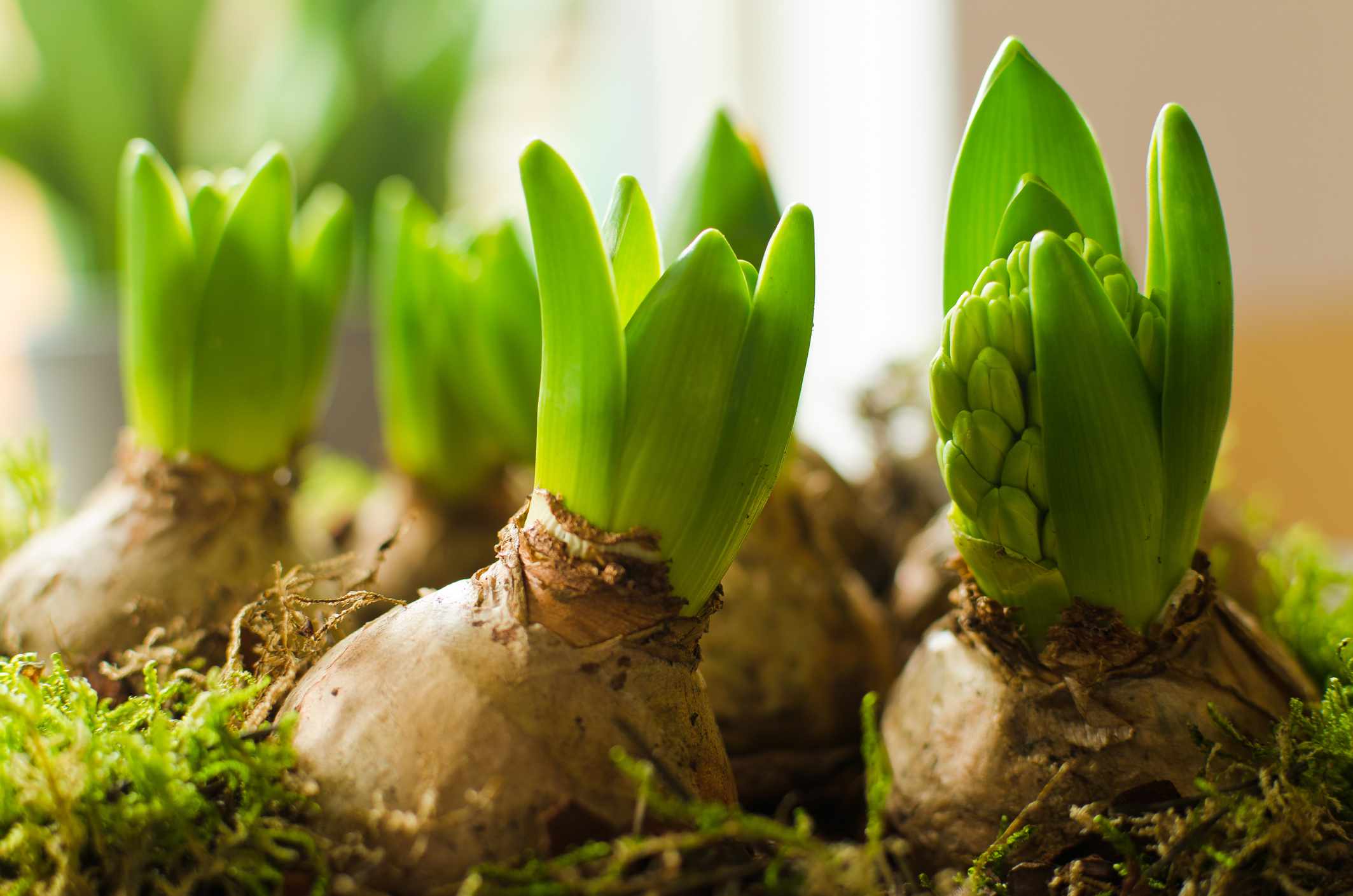
A hyacinth bulb is basically a living storage battery. Long before you admired those fragrant flower spikes, the bulb was quietly storing food reserves underground. After blooming, the leaves continue to photosynthesize and recharge that bulb for the future. In other words, the plant is not “done” when the flowers fade. It is entering the most underrated phase of its year: recovery.
When gardeners save hyacinth bulbs after flowering, they are preserving that built-in energy system rather than starting from scratch next fall. A healthy bulb can often rebloom, especially if it is grown outdoors in a sunny, well-drained spot and allowed to go dormant naturally.
It saves money without making your garden look cheap
Bulbs are not outrageously expensive, but replacing them every single year adds up fastespecially if you plant in clusters, drifts, or borders. Saving bulbs that already belong to your garden is simply smart. A little patience in late spring can spare you another round of fall shopping and another conversation with yourself that starts with, “I only went to the garden center for potting soil.”
Even if rebloom is smaller the second year, you are still getting more value from each bulb you bought. That is good budgeting and good gardening.
It is a more sustainable way to garden
Tossing viable bulbs after one season creates unnecessary waste. Saving and replanting them fits beautifully with a lower-waste, more sustainable gardening style. You are keeping living plant material in use, reducing replacement purchases, and making the most of what your garden already produced.
That does not mean every saved bulb will return looking like a florist photo shoot. Gardening is not a movie set. But preserving healthy bulbs instead of discarding them is still a more thoughtful, resourceful approach.
You may get more plants over time
Hyacinths can multiply by producing offsets, or small daughter bulbs, around the parent bulb. Over time, this can give you more planting material to divide and move elsewhere in the garden. That means one spring display can eventually help create another. It is not instant gratification, but it is satisfying in the deeply gardener-ish way that makes you weirdly proud of a root system.
What Happens If You Do Not Save Them Properly?
If you cut the leaves off too soon, the bulb cannot replenish its food reserves. If you keep watering heavily after the foliage has started dying back, the bulb may rot. If you dig and store bulbs in a damp, poorly ventilated place, disease can move in. And if you expect an indoor forced hyacinth to bloom next year with the same oversized drama it had on your kitchen table, you may be setting yourself up for disappointment.
In other words, the bulb’s future depends less on luck and more on what happens in the few weeks right after bloom.
How to Save Hyacinth Bulbs After Blooming
Step 1: Remove the spent flowers, not the leaves
Once the flower spike fades, snip off the spent bloom stalk. This keeps the plant from putting energy into seed production. But leave the foliage alone. Those strap-like leaves may not be glamorous, but they are doing critical work.
Think of them as the solar panels of the operation. Ugly? Debatable. Necessary? Absolutely.
Step 2: Keep the foliage growing as long as possible
Let the leaves remain until they turn yellow or brown naturally. This can take several weeks. During that time, keep the plant in decent light and continue moderate watering so the foliage stays functional. The longer the leaves stay green, the better your chances of a stronger bulb for next year.
One common mistake is tying or braiding bulb foliage to make the bed look tidier. It may look neater for a minute, but it reduces the leaf surface exposed to sunlight. Translation: less energy goes back into the bulb. Neatness is lovely, but flowers next spring are lovelier.
Step 3: Feed lightly if needed
If your soil is not especially fertile, a light feeding after bloom can help support bulb recovery. A balanced bulb fertilizer or a low-nitrogen fertilizer can be useful, especially in established beds where bulbs have been in place for a while. The goal is not to create lush leaf growth forever. The goal is to help the bulb rebuild reserves before dormancy.
Step 4: Let the bulb go dormant
When the foliage finally yellows and withers, the bulb is entering dormancy. At that point, you can either leave it in the ground or lift it for storage, depending on your garden conditions and goals.
Should You Leave Hyacinth Bulbs in the Ground or Dig Them Up?
Leave them in the ground if conditions are good
If your soil drains well, your summers are not excessively wet, and the bulbs are not crowded, you can often leave hyacinths in place. This is the easiest option and often the best one for gardeners who want a naturalized, low-fuss spring display.
The trade-off is that hyacinth blooms may become smaller over time. That is normal. Many hyacinths put on their boldest show in the first season or two, then settle into a more relaxed version of themselves. Still attractive. Slightly less theatrical.
Lift and store them if you want more control
Digging up hyacinth bulbs after the foliage dies back can make sense in several situations: the bed needs renovation, the soil stays too wet in summer, the bulbs are crowded, or you want a better chance at larger future blooms. Lifting bulbs also lets you inspect them, separate offsets, and replant only the healthiest ones in fall.
To do this, wait until the foliage has fully yellowed. Then gently lift the bulbs with a hand fork or spade, shake off loose soil, and let them dry in a shaded, airy place for a week or two.
Store them like they are sleeping, not like they are dead
Once cured, store hyacinth bulbs in a cool, dry, well-ventilated place out of direct sunlight. Paper bags, mesh bags, onion sacks, or shallow trays work well. Avoid sealed plastic containers, which trap moisture. Check the bulbs occasionally and discard any that become soft, moldy, or damaged.
Also keep them away from ripening fruit such as apples. Fruit releases ethylene gas, which can damage developing flower structures in stored bulbs. Yes, your bulbs can be sabotaged by produce. Gardening remains delightfully rude sometimes.
The Special Case of Forced Indoor Hyacinths
If your hyacinth bloomed indoors in a pot or forcing glass, you can try to save itbut expectations matter. Forced bulbs have used a lot of their stored energy to bloom out of season. Many will not perform well the following year, and some may take a year or more to recover enough to flower again outdoors.
That said, saving them is still reasonable if you enjoy the experiment. After the flowers fade, place the plant in bright light, water it while the foliage remains green, and let the leaves die back naturally. Then either plant the bulb outdoors after danger of frost has passed or dry and store it for fall planting, depending on your climate and schedule.
Will it bloom like it did on your windowsill? Maybe not. Could it eventually return and surprise you? Also yes. Gardeners live for that kind of plot twist.
Common Mistakes That Ruin Saved Hyacinth Bulbs
Cutting leaves off too early
This is the biggest one. The bulb needs time to recharge. Remove the flower stalk, not the foliage.
Keeping the soil soggy
Hyacinths dislike sitting in wet soil, especially as dormancy begins. Overwatering increases the risk of basal rot and other bulb problems.
Storing damaged bulbs
Do not save every bulb out of sentiment. Soft, moldy, bruised, or undersized bulbs are not worth the trouble. Keep the firm, healthy ones.
Expecting identical blooms every year
Saved hyacinths may rebloom, but flower spikes are often looser or smaller over time. That is not failure. That is just how many hyacinths behave. If you want oversized formal blooms every single spring, you may eventually choose to supplement with fresh bulbs.
Handling bulbs carelessly
Some gardeners find hyacinth bulbs irritating to the skin, so gloves are a smart idea when digging, cleaning, or replanting them. It is a small precaution that can save you a lot of scratching and regret.
So, Is Saving Hyacinth Bulbs Worth It?
Yesespecially for outdoor garden bulbs.
Saving hyacinth bulbs after blooming gives you another chance at flowers next spring, stretches your gardening budget, reduces waste, and helps you work with the plant’s natural life cycle instead of against it. It also teaches one of the best lessons in gardening: the messy-looking in-between stage is often where next season begins.
Will every saved bulb become a perfect spring superstar? No. Some will return smaller. Some will take time to recover. Some forced bulbs will never amount to much. But plenty of garden-grown hyacinths will reward patience, and even the less glamorous return blooms carry a certain charm. They are proof that you paid attention when the plant needed it most.
So when the blooms fade this year, resist the urge to toss the bulbs and call it a season. Save them. Let the leaves do their work. Tuck the bulbs away properly if needed. Then wait for spring to roll back around and remind you that good gardeners do not just admire flowersthey invest in their sequels.
Real-World Gardening Experiences With Saved Hyacinth Bulbs
One of the most common experiences gardeners share is surprise at how different a saved hyacinth looks the second year. The first spring after planting, the bloom is often dense, upright, and almost suspiciously perfect, like it got dressed by a professional stylist. The following year, the same bulb may come back with a looser flower spike and fewer florets. At first, that can feel disappointing. But many gardeners eventually realize the bulb is not failingit is simply settling into a more natural rhythm. The plant is still healthy, still fragrant, and still worth keeping.
Another familiar lesson comes from people who cut the leaves too early because they wanted the border to look tidy. Almost everyone who gardens long enough has one story that begins with, “I cleaned things up too soon,” and ends with weak bloom or no bloom the next year. Hyacinths are excellent teachers in that respect. They reward patience and punish fussiness. Gardeners who learn to tolerate yellowing foliage for a few weeks usually see better results later on.
There is also the experience of rediscovering bulbs that were forgotten. Many gardeners leave hyacinths in the ground, assume they are gone, and then find them reappearing the next spring beside a walkway or under a deciduous shrub. The display may be smaller, but it feels oddly triumphantlike the garden remembered something you did not. Those volunteer returns often inspire gardeners to save more bulbs intentionally rather than treating them as disposable.
Forced indoor hyacinths create a different kind of experience. Gardeners often save them as an experiment, fully aware that the odds are mixed. Sometimes the bulb produces healthy leaves the first year outdoors and no flowers at all. That can feel like a letdown until the second or third season, when a bloom finally appears again. It may not be florist-quality, but it carries a special satisfaction because it came back through care rather than convenience. That sort of delayed reward is catnip for gardeners.
Many people also find that dividing crowded clumps changes their opinion of saved bulbs entirely. A planting that once looked tired and congested can improve after bulbs are lifted, sorted, and replanted with more space. That experience teaches a valuable truth: saving bulbs is not just about storing them, but about managing them. A bulb that looks mediocre in a crowded bed may perform much better after a little attention and a better spot.
Perhaps the biggest experience tied to saving hyacinth bulbs is the gradual shift in mindset. New gardeners often see spring bulbs as one-season decoration. More experienced gardeners begin to see them as long-term residents with cycles, preferences, and recovery periods. Once that shift happens, post-bloom care stops feeling like cleanup and starts feeling like part of the reward. You are no longer just buying a flower. You are learning how to keep a living thing going from one season to the next. And honestly, that is where gardening gets really good.