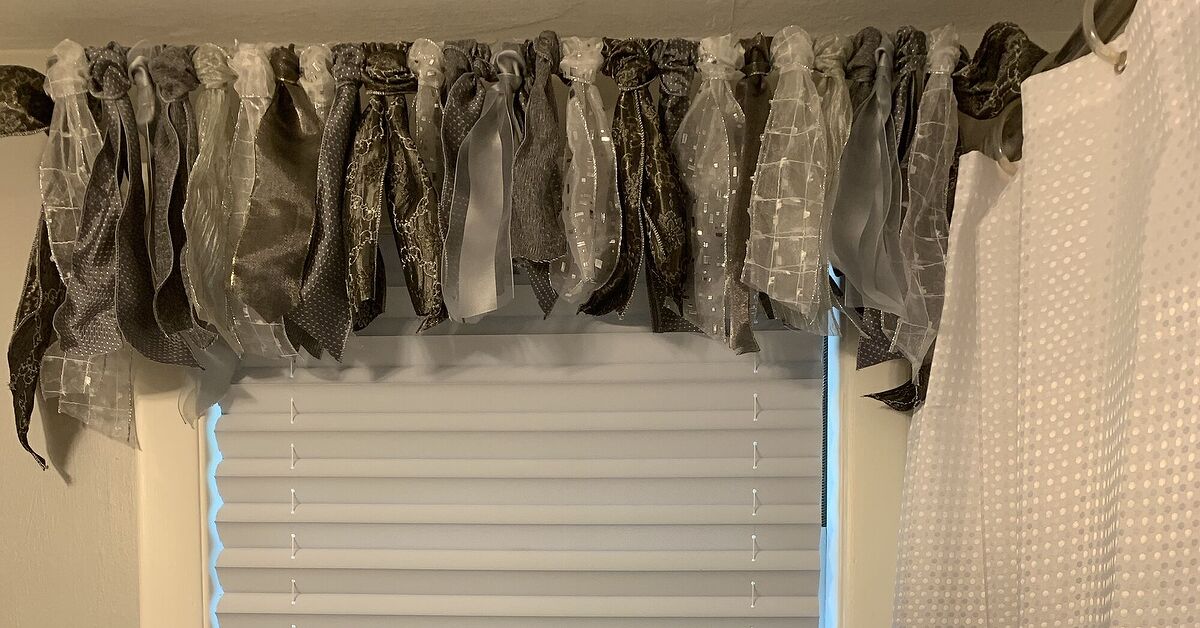

Windows are wonderfully dramatic roommates. They bring in sunshine, frame outdoor views, and make a room feel larger. They also invite glare onto television screens, display your evening routine to the neighbors, and allow afternoon heat to arrive without knocking. The right window treatment solves these problems while improving the room’s design, which is exactly what makes it a win-win.
A successful window treatment should do more than look attractive in a catalog photo. It should manage natural light, protect privacy, support comfortable indoor temperatures, operate safely, and fit the way the room is actually used. A delicate sheer curtain may be lovely in a sunny living room, for example, but it is unlikely to satisfy someone trying to sleep after a night shift.
The good news is that homeowners do not have to choose between beauty and performance. By combining the right materials, mounting style, opacity, and hardware, almost any window can become both practical and polished.
What Makes a Window Treatment a Win-Win?
A window treatment becomes a genuine win-win when it solves at least two problems without creating a new one. It might soften harsh daylight while preserving the outdoor view. It could provide nighttime privacy while making the ceiling appear taller. It may even reduce unwanted solar heat while adding color and texture to an otherwise plain room.
Window attachments such as blinds, shutters, curtains, and shades can influence comfort and building energy use by controlling sunlight and heat transfer around the glass. Products certified through an energy-performance rating program can also help shoppers compare options instead of relying entirely on marketing language such as “thermal,” “insulating,” or the highly scientific phrase “super cozy.”
Before shopping, identify the room’s priorities:
- Light control: Do you want soft daylight, adjustable light, or near-total darkness?
- Privacy: Is privacy needed all day, only at night, or only across the lower half of the window?
- Temperature: Does the room become hot, cold, or drafty near the glass?
- Maintenance: Will the treatment encounter dust, cooking grease, moisture, pets, or enthusiastic toddlers?
- Style: Should it disappear quietly or become a decorative focal point?
Answering these questions first prevents a common decorating mistake: buying a beautiful treatment and later discovering that it behaves like an attractive but completely unqualified employee.
Understanding the Main Types of Window Treatments
Blinds: Precise and Adjustable
Blinds use adjustable slats or vanes to regulate light and visibility. Horizontal blinds work well on many standard windows, while vertical blinds are often practical for wide openings and sliding glass doors.
The major advantage is control. Slats can be tilted to redirect sunlight toward the ceiling, reduce glare, or limit direct views from outside. However, blinds may require frequent dusting, and inexpensive versions can bend or become difficult to operate over time.
Wood blinds add warmth and architectural character. Faux wood generally handles moisture more successfully, making it a sensible choice for kitchens, bathrooms, and laundry rooms. Aluminum or vinyl blinds are economical and compact, although they usually create a more casual appearance.
Roller and Solar Shades: Clean and Uncomplicated
Roller shades have a simple profile and work particularly well in modern or minimalist interiors. They are available in light-filtering, room-darkening, and blackout fabrics.
Solar shades are designed to reduce glare and solar exposure while preserving some view through the window. Their openness level affects how much light and visibility remain. A more open weave generally preserves a clearer view, while a tighter weave provides stronger glare and sun control.
One important limitation is nighttime privacy. When interior lights are switched on, some solar and sheer materials allow people outside to see into the room. Pairing the shade with opaque drapery solves this problem elegantly.
Cellular Shades: Comfort Without Bulk
Cellular shades contain honeycomb-shaped pockets that trap air near the window. This construction can improve comfort around the glass without requiring heavy fabric or oversized hardware. They are especially useful in bedrooms, nurseries, home offices, and rooms with noticeable temperature swings.
Options include single-cell and double-cell construction, light-filtering fabric, blackout fabric, cordless operation, and top-down bottom-up designs. The last option is particularly useful on street-facing windows because the upper portion can remain open for daylight while the lower portion blocks direct views.
Roman Shades: Tailored Fabric With Personality
Roman shades raise into soft or structured folds, combining the appearance of fabric curtains with the compact function of a shade. A relaxed Roman shade suits casual rooms, while a flat or tailored style creates cleaner lines.
Roman shades can be made from solids, patterns, linen blends, performance fabrics, or woven natural materials. Because folds can collect dust, they may not be the easiest option above a busy stove or beside a bathtub. In living rooms, dining rooms, and bedrooms, however, they provide an excellent balance of texture and control.
Curtains and Drapes: Softness, Scale, and Drama
Curtains and drapes soften hard architectural lines and can visually change the proportions of a room. Mounting the rod above the window and extending it beyond both sides makes the opening appear taller and wider. It also allows panels to rest beside the glass rather than blocking precious daylight when open.
Sheer curtains diffuse sunlight and create an airy atmosphere. Lined drapes provide stronger privacy, insulation, and light control. Blackout-lined panels are especially useful in bedrooms, media rooms, and nurseries.
Layered drapery is effective because each layer performs a different task. Sheers can remain closed during the day to soften the light, while opaque panels can be drawn at night for privacy. A shade-and-drapery combination offers similar flexibility while adding visual depth.
Interior Shutters: Architectural and Durable
Interior shutters feel more permanent than fabric treatments and can add substantial architectural definition. Adjustable louvers provide flexible control over light and visibility, while solid panels offer a more traditional appearance.
Shutters are durable and easy to wipe clean, but they require clearance to swing open. They can also reduce the amount of exposed glass even when their louvers are open. For a small or naturally dark room, that trade-off deserves careful consideration.
The Ultimate Win-Win Strategy: Layering
Layering is one of the most reliable ways to balance appearance and performance. Rather than asking one product to handle every responsibility, give each layer a specific job.
A practical layered arrangement usually includes an inside-mounted shade for daily operation and outside-mounted curtain panels for softness and decorative impact. The shade can manage privacy and sunlight, while the curtains frame the opening, improve room acoustics, and introduce pattern or texture.
Effective combinations include:
- Woven wood shades with neutral linen curtains
- Blackout roller shades with decorative side panels
- Cellular shades with lightweight cotton drapes
- Sheer curtains with lined velvet panels
- Café curtains with a simple Roman shade
Layering does not require every component to be visually loud. One element can be decorative while the other quietly handles the practical work. A patterned Roman shade, for instance, may need only plain off-white panels. Conversely, bold curtains often look best over a simple shade that nearly matches the wall color.
Choosing Treatments Room by Room
Living Room
Living rooms usually benefit from flexible daylight rather than complete darkness. Solar shades, woven shades, or light-filtering Roman shades can control glare without creating a cave. Full-length curtains then add softness and make the room feel complete.
Place curtain rods high and wide when space allows. Panels should generally reach the floor rather than stopping awkwardly several inches above it. Too-short curtains can make a room look as though its pants shrank in the dryer.
Bedroom
Bedrooms require stronger privacy and light control. An outside-mounted blackout shade can cover gaps around the window opening more effectively than a narrowly fitted inside mount. Blackout curtains can provide another layer of protection from early morning light.
True darkness also depends on installation. Even excellent blackout fabric will allow bright lines around its edges if the treatment is too small. Extending the treatment beyond the frame, adding side channels, or layering shades and curtains can reduce these light leaks. Outside-mounted shades commonly provide better light blockage because they overlap the opening.
Kitchen
Kitchen treatments should be easy to clean and positioned safely away from flames, hot surfaces, and sinks. Faux wood blinds, washable café curtains, roller shades, and simple Roman shades made from durable fabric are practical choices.
Café curtains are especially effective when the lower portion of a window faces neighbors or a sidewalk. They protect privacy at eye level while leaving the upper glass open to daylight. This is a genuine win-win: nobody sees you taste-testing dinner directly from the pot, yet the kitchen remains bright.
Bathroom
Moisture resistance and privacy are the priorities in a bathroom. Faux wood blinds, vinyl shutters, washable shades, and privacy film tend to perform better than untreated natural wood or delicate fabrics.
Top-down bottom-up shades work well where the window offers useful daylight but an inconvenient view toward the street. Frosted film can also cover the most exposed portion of the glass while preserving light.
Home Office
A home office needs glare control without sacrificing all natural light. Adjustable blinds, solar shades, and top-down bottom-up cellular shades make it easier to manage sunlight as it changes throughout the day.
Position the treatment to prevent bright reflections on the computer screen. A motorized shade can be helpful for tall windows, hard-to-reach openings, or rooms where the same glare problem occurs at predictable times.
Energy Efficiency and Seasonal Comfort
Window treatments cannot repair failed seals or replace high-performance glazing, but they can improve comfort near existing windows. In hot weather, closing treatments before strong sunlight reaches the glass can reduce unwanted heat gain. South- and west-facing windows often require the most attention during sunny afternoons.
During cold weather, well-fitted shades and lined drapes can reduce the sensation of cold near the glass. Treatments should generally be opened when beneficial sunlight can warm the room and closed after sunset to retain more comfort. The most effective routine changes with the season, window orientation, climate, and household schedule. Federal energy guidance similarly recommends using shades or curtains to block direct summer sun and help retain warmth during colder periods.
For shoppers focused on thermal performance, cellular shades, lined drapes, shutters, and properly fitted exterior-mounted treatments are common candidates. Look for independently rated products when possible, and remember that fit is just as important as fabric. An insulating shade with large gaps around the edges is wearing a winter coat with the zipper open.
Measure Carefully Before Ordering
Many window-treatment disappointments begin with a tape measure and unwarranted confidence. Windows that appear identical may differ slightly, especially in older homes. Measure every opening individually rather than assuming one number applies throughout the room.
Inside Mount
An inside mount places the treatment within the window frame for a clean, built-in appearance. Confirm that the frame has sufficient depth for the brackets and operating mechanism. Measure the width at the top, middle, and bottom, then follow the manufacturer’s instructions regarding which measurement to submit. Measure the height in several places as well.
Outside Mount
An outside mount attaches to the wall or trim beyond the opening. It can make a window appear larger, conceal unattractive trim, and provide better privacy or light blockage. Include enough overlap on the sides and bottom to prevent obvious gaps.
Measurements, deductions, and mounting requirements vary among manufacturers. Retail guides consistently recommend measuring each window separately and following the product-specific instructions rather than making your own deductions.
Safety Should Never Be Decorative
Homes where young children live or visit should use cordless window coverings whenever possible. Accessible loops and cords can create a strangulation hazard, and the U.S. Consumer Product Safety Commission identifies cordless products as the safest choice around children. Older corded coverings should be replaced rather than assumed safe because they have “always been fine.”
Cordless lift systems are now available for many roller, cellular, Roman, and pleated shades. Motorized products can also eliminate manual operating cords while improving accessibility for older adults and people with limited mobility.
Long curtain panels should be kept away from heaters, stoves, and other heat sources. Secure hardware into appropriate framing or anchors, particularly when installing heavy rods, layered drapery, or treatments that will be pulled frequently.
Smart Window Treatments: Useful or Unnecessary?
Motorized and smart shades can open or close with a remote control, wall switch, mobile application, timer, or compatible home-automation system. Their greatest advantage is consistency. A schedule can lower west-facing shades before afternoon heat and reopen them when direct sunlight has passed.
Automation is particularly useful for large windows, skylights, tall stairwells, media rooms, bedrooms, and homes occupied by people who may struggle with manual controls. Battery-powered models can simplify installation, while hardwired systems may be preferable during a major renovation.
Smart operation is not essential for every window. A manually operated cordless shade is often perfectly adequate for an accessible opening. Spend on automation where it solves a real inconvenience rather than motorizing a tiny laundry-room window merely because the future has arrived.
How to Save Money Without Making the Room Look Cheap
A polished window treatment does not always require custom products on every opening. Ready-made curtains can look tailored when they are properly sized, steamed, and installed with substantial hardware. Standard shades can also perform well on common window dimensions.
Use custom treatments selectively for unusually shaped windows, extra-wide openings, matching groups of windows, or rooms where exact light control is essential. Elsewhere, combine affordable shades with better-quality curtain panels or decorative rods.
Additional budget strategies include:
- Using decorative stationary panels instead of fully functional curtains
- Selecting neutral shades that can survive future decorating changes
- Repeating the same hardware finish throughout connected rooms
- Adding blackout or thermal liners to existing curtains
- Testing one window before ordering treatments for the entire house
The cheapest product is not always the most economical. Weak brackets, uneven rolling mechanisms, or fabric that fades quickly may lead to an early replacement. Purchase according to frequency of use: treatments opened twice a day deserve better hardware than panels that remain stationary.
Common Window Treatment Mistakes
Choosing Style Before Function
A beautiful sheer curtain will not provide reliable nighttime privacy. A heavy blackout panel may be excessive in a naturally dark hallway. Decide what the window needs to accomplish before falling in love with fabric.
Mounting Curtains Too Low or Too Narrow
Hardware positioned immediately above the trim can visually shorten the room. Narrow rods also force open panels to cover part of the glass. Raising and widening the rod often makes the window appear larger and admits more daylight.
Ignoring Doors and Handles
Casement handles, French-door levers, sliding-door tracks, and deep window cranks can interfere with treatments. Check the full operating path before ordering.
Forgetting Nighttime Conditions
Evaluate privacy after sunset with the interior lights on. A material that appears opaque during the day may become surprisingly revealing at night.
Using the Same Solution Everywhere
Consistency is attractive, but identical treatments are not always practical. The bathroom, bedroom, kitchen, and office have different moisture, privacy, cleaning, and light-control requirements. Coordinate color and hardware while varying the product type when needed.
Real-World Experiences With Window Treatment Win-Wins
One of the most useful lessons from planning window treatments is that the first idea is rarely the complete answer. A living room may initially seem to need curtains because the walls look bare. After observing the room for a full day, however, the real problem may be glare from a west-facing window. Curtains still help, but a solar or light-filtering shade becomes the practical foundation of the design.
In one common living-room scenario, homeowners select beautiful floor-length panels and mount them close to the window frame. The panels look attractive when closed, but when opened, they cover several inches of glass on each side. Moving the brackets outward allows the fabric to stack mostly against the wall. The room immediately feels brighter, and the window appears wider without any structural work. The only construction equipment required is a drill and the courage to patch two small holes.
Bedrooms offer another valuable lesson: blackout fabric and blackout performance are not the same thing. A blackout roller shade can still produce bright halos along the sides when installed inside an uneven frame. Adding curtain panels over the opening or changing to a wider outside mount often produces a far darker result. This experience shows why installation should be treated as part of the product rather than an afterthought.
Street-facing bathrooms and dining rooms often reveal the value of top-down bottom-up shades. A standard shade forces the user to choose between daylight and privacy. Lowering the top portion preserves sky views and natural light while shielding the lower part of the room. It is a small operational feature that can change how often a treatment is actually used.
Kitchens demonstrate why maintenance matters. Natural woven shades may look wonderful beside wood cabinets, but they can collect dust and cooking residue when positioned close to a range. A washable roller shade, faux wood blind, or café curtain may prove more successful over time. The best treatment is not merely the one that looks good on installation day; it is the one that still looks respectable after a year of steam, splatters, and ambitious pasta sauce.
Layering also tends to work better when the two treatments do not compete. A woven shade already contributes color variation and texture, so simple curtains usually complement it better than another busy pattern. When the curtains are bold, the shade can retreat visually by matching the wall or trim. This hierarchy makes the finished window feel intentional rather than over-accessorized.
Another practical experience is that samples matter. Fabric colors change under different daylight conditions, and woven materials can appear much more transparent when held against bright glass. Testing samples during the morning, afternoon, and evening provides a more accurate impression than viewing them under store lighting. It also reveals whether the material clashes with flooring, wall paint, or upholstery.
Motorization delivers the greatest satisfaction when it removes a recurring inconvenience. Automating a high stairwell shade or a bank of west-facing windows can be genuinely useful. Automating an easily reached shade that is opened once a month may be an expensive way to avoid moving one arm. Starting with the windows that are difficult, frequently adjusted, or exposed to predictable sunlight produces a better return on the investment.
Finally, treating one room at a time usually leads to better decisions than ordering everything at once. Living with the first installation reveals preferences that are difficult to predict from product photographs. Homeowners may discover that they prefer outside mounts, dislike visible rollers, need more opacity, or want quieter motorized hardware. Applying those lessons to later rooms reduces costly repetition.
The ultimate window treatment win-win is therefore not a specific product. It is a process: observe the room, define the functional problem, select the simplest treatment that solves it, and then add decorative layers where they contribute real value. When privacy, daylight, comfort, safety, and style work together, the window stops being an awkward opening in the wall and becomes one of the room’s strongest features.