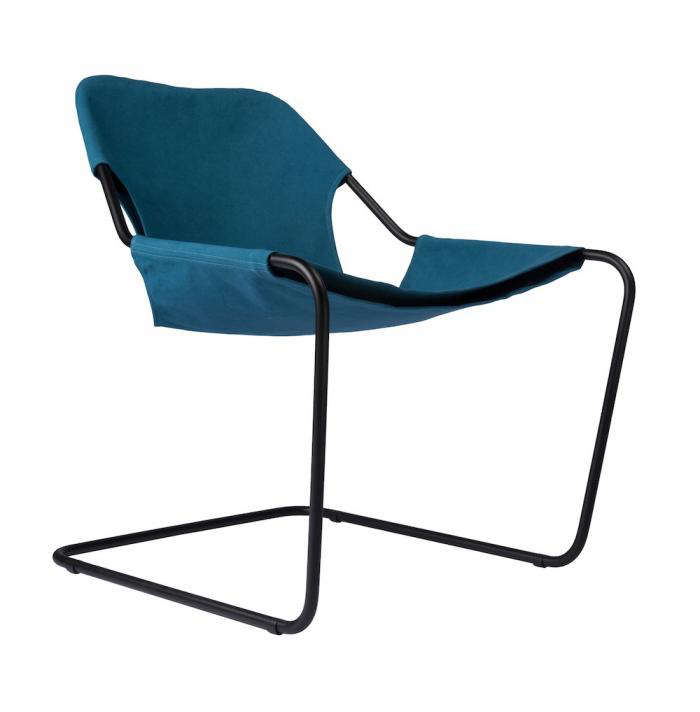

Some chairs are furniture. Some chairs are sculptures that politely allow you to sit on them. And then there is the Paulistano Chair: a Brazilian modernist icon that looks as though it was sketched in one confident, caffeinated stroke. Originally designed for an athletic club in São Paulo, this legendary sling chair has spent decades making ordinary living rooms look smarter. Now, its outdoor-ready evolution proves that great design does not have to stay indoors, hiding from sunshine like a vampire with excellent taste.
The Paulistano outdoor chair brings together architectural drama, hammock-like comfort, and materials built to handle real life beyond the glass door. Whether it sits beside a pool, under a pergola, on a breezy balcony, or in a backyard that is still mostly a lawn and a dream, it turns outdoor seating into a design statement. This is not the kind of chair that whispers, “I came in a box with 42 mystery screws.” It announces itself with a graceful steel frame and an invitation to sit down for a while.
The Story Behind the Paulistano Chair
The Paulistano Chair was designed in 1957 by Brazilian architect Paulo Mendes da Rocha for the Club Athletico Paulistano in São Paulo. Mendes da Rocha was known for creating architecture with strong structural logic, generous public spaces, and a certain fearless confidence around concrete and steel. The chair follows that same philosophy on a smaller, more lounge-friendly scale.
Its design is remarkably simple: a continuous bent steel frame supports a relaxed sling seat. There are no fussy flourishes, no unnecessary padding, and no tiny decorative buttons pretending to be important. The frame creates the silhouette, while the suspended seat does the comfort work. It is a structural idea turned into a place to read, nap, debate architecture, or stare at a tree while avoiding your inbox.
The original indoor Paulistano Armchair is often made with a leather cover stretched across a stainless-steel frame. That version has long been admired for its softness, low-slung comfort, and sculptural profile. The outdoor adaptation keeps the essential shape but replaces indoor-sensitive materials with weather-ready components. In other words, the chair did not become less stylish when it went outside. It simply packed a raincoat.
Why the Design Still Feels Fresh
Plenty of furniture becomes “classic” because people are too polite to admit it looks dated. The Paulistano is different. Its clean, suspended form still feels contemporary because it does not depend on a trend. It does not need fake rustic distressing, oversized tufting, or a color named something suspiciously emotional like “Moonlit Mushroom.”
The chair’s elegance comes from proportion and tension. The steel frame looks light, but it is engineered to support a person comfortably. The fabric sling appears casual, yet it creates a supportive cradle. The visual contrast between rigid metal and relaxed upholstery gives the chair its personality: disciplined enough for a museum, comfortable enough for a Sunday afternoon.
How the World’s Coolest Chair Went Outdoors
Moving an iconic lounge chair outdoors is not as simple as dragging it onto a patio and hoping the weather develops manners. Sun, rain, humidity, pool chemicals, wind, pollen, salt air, and the occasional squirrel with personal boundaries can all challenge outdoor furniture. A chair that thrives in a climate-controlled living room needs a tougher wardrobe for life outside.
Outdoor versions of the Paulistano chair are typically built with a coated steel frame and a performance fabric sling. The steel receives a durable protective finish designed to help resist moisture and corrosion, while the seat uses outdoor-rated textile materials that are better equipped for sun exposure, stains, mildew, and changing temperatures.
Modern outdoor upholstery often uses solution-dyed acrylic fabric, including Sunbrella-style performance textiles. These fabrics are designed to resist fading, repel water more effectively than ordinary indoor canvas, and remain easier to clean after everyday outdoor messes. That matters because beautiful outdoor furniture should survive more than carefully staged photographs. It should survive lemonade, sunscreen, muddy paws, falling leaves, and someone who insists that barbecue sauce is “basically dry.”
Outdoor Materials That Actually Matter
The outdoor Paulistano chair succeeds because its materials support the original design rather than fighting it. The frame remains slender and visually light, but the protective coating helps it stand up to moisture and UV exposure. The sling seat preserves the chair’s famous relaxed posture while using fabric that is more suitable for patios, terraces, gardens, and covered porches.
This approach reflects a broader truth in outdoor furniture design: material choice matters as much as style. Teak, powder-coated aluminum, high-density polyethylene, all-weather wicker, treated steel, and performance fabrics each have strengths. A teak chair can develop a handsome silvery patina. Aluminum stays relatively lightweight and resists corrosion. HDPE furniture can tolerate wet climates with minimal fuss. Steel offers strength and a sharper architectural presence, but it needs a protective finish and regular inspection.
The Paulistano outdoor chair is not trying to become a chunky Adirondack chair, a stackable café chair, or a plastic pool lounger. It remains what it has always been: a sophisticated lounge chair with a confident silhouette. The outdoor version simply gives that silhouette permission to enjoy fresh air.
What Makes the Paulistano Outdoor Chair Comfortable?
The secret is not foam. It is suspension. Instead of forcing the body into a flat, rigid seat, the fabric sling gives slightly under weight. This creates a cradling effect that feels closer to a hammock than a conventional armchair. The chair supports a relaxed, reclined posture without becoming so deep that you need a rescue team to stand up.
The continuous steel frame also helps create a gentle sense of movement. It is not a rocking chair, but it has visual and physical flexibility that makes it feel less stiff than many outdoor lounge chairs. The result is a seat that encourages lingering. You sit down “for five minutes,” then suddenly it is sunset and your phone has been ignored in a way that feels medically beneficial.
That said, comfort is personal. The Paulistano is a low lounge chair, not a formal upright dining chair. It is ideal for reading, conversation, drinks, and slow outdoor mornings. It may not be the best fit for someone who prefers a firm, high seat with pronounced arm support. A chair can be iconic without being universal. Even design legends are allowed to have a type.
Best Uses for This Outdoor Lounge Chair
- Creating a statement seating area beside a pool or garden.
- Anchoring a modern patio lounge arrangement.
- Adding sculptural seating to a covered porch or rooftop terrace.
- Pairing with a compact side table for coffee, books, or evening cocktails.
- Turning a quiet balcony into a small but serious design destination.
How to Style a Paulistano Chair Outside
The fastest way to make a great chair look accidental is to place it in the middle of an empty patio like it missed a bus. Give the Paulistano chair a setting. Think of it as the lead actor; it deserves a supporting cast.
Start with a grounded surface. Stone, concrete, a well-built wood deck, tile, or a durable outdoor rug can help define the seating zone. A large rug is especially useful on a sprawling patio because it creates visual boundaries and makes the chair feel intentional rather than stranded.
Add a small side table with enough space for a drink, a book, and perhaps a tiny bowl of snacks you claim are for guests. A low ceramic stool, weather-resistant metal table, or teak cube works well. The chair’s open frame pairs beautifully with natural materials such as wood, stone, woven planters, and leafy greenery.
Color choices can change the mood completely. A black frame with dark charcoal or deep green fabric looks dramatic against pale concrete. A white frame with sand, olive, turquoise, or paprika fabric feels lighter and more playful. In a lush garden, earthy tones help the chair blend into the planting. On a minimalist terrace, a bold color lets it act like functional art.
Do Not Forget Shade
Outdoor comfort depends on more than the chair itself. A beautiful lounge chair placed in relentless afternoon sun becomes an expensive lesson in surface temperature. Position the chair near a tree canopy, umbrella, pergola, awning, or shade sail whenever possible. Shade protects both the person sitting down and the furniture materials working hard beneath them.
The best outdoor spaces provide choices: sun for those who want it, shade for those who do not, and enough flexibility that nobody has to pretend they enjoy overheating. A Paulistano chair under dappled light can feel like a private retreat. The same chair in direct noon sun may feel like a stylish skillet.
Care Tips for an Outdoor Paulistano Chair
A well-made outdoor chair can handle weather, but “weather-resistant” does not mean “immune to the laws of physics.” Regular care protects the finish, fabric, and overall lifespan of the piece.
Keep the Frame in Good Shape
Inspect the steel frame a few times each season, especially around bends, joints, and areas where the coating may have been scratched. Small chips should be addressed quickly before moisture has a chance to settle in. Wipe the frame with mild soap and water, then dry it thoroughly. Avoid abrasive cleaners or rough scouring pads that can damage the protective finish.
Clean the Sling Fabric Gently
For everyday dirt, rinse or brush away loose debris and use mild soap with lukewarm water. A soft brush or sponge is usually enough. Allow the fabric to air-dry completely before covering or storing the chair. Trapping moisture under a cover is a little like putting a wet towel into a gym bag and expecting good decisions.
Use Covers Wisely
A breathable furniture cover is helpful during long periods of rain, heavy pollen, winter weather, or extended travel. However, do not cover the chair while it is wet. The goal is protection, not a tiny humidity experiment. In severe weather or freezing conditions, moving the chair into a protected storage area can extend its life considerably.
Is the Paulistano Outdoor Chair Worth It?
The Paulistano outdoor chair is a design investment rather than a casual “I need something for the barbecue this Saturday” purchase. Its value comes from history, authorship, craftsmanship, comfort, and a form that has survived decades without becoming boring. That is rare. Most furniture struggles to survive one season of changing trends and one enthusiastic Labrador.
It is worth considering if you want outdoor furniture with real design pedigree, a strong architectural presence, and long-term visual appeal. It is particularly effective for homeowners, architects, designers, and hospitality spaces that want to make an outdoor area feel curated rather than merely furnished.
Before buying, confirm that you are looking at an authorized version with proper outdoor materials. Check the frame finish, fabric specification, dimensions, weight, warranty, and care guidance. The chair may look simple, but its shape depends on careful engineering. A poorly made imitation can lose the comfort, durability, and elegance that make the original design special.
Conclusion: A Modern Classic That Belongs Under the Sky
The Paulistano Chair proves that outdoor furniture does not have to choose between beauty and durability. Its graceful steel frame, relaxed sling seat, and weather-ready materials make it one of the most compelling examples of modern outdoor seating. It brings Brazilian modernism into gardens, patios, decks, and terraces without losing the quiet confidence that made the original chair famous.
The world’s coolest chair heads outdoors not because it needs a trendier backdrop, but because great design should be experienced where life actually happens. Sometimes that means a polished living room. Sometimes it means a backyard at golden hour, a cold drink nearby, and absolutely nowhere else you need to be.
Extended Outdoor Experience: What It Feels Like to Live With a Paulistano Chair
The first thing you notice about a Paulistano chair outdoors is that it changes the mood of the space before anyone sits in it. A plain patio can feel practical but unfinished, like a sentence that ends with “and then.” Add this chair, and suddenly the area has a point of view. It looks less like an outdoor storage zone for grills and more like a place where a person might read a novel, drink iced coffee, and briefly consider becoming the kind of person who grows rosemary.
In the morning, the chair has a quiet, almost cinematic quality. The steel frame catches soft daylight, while the sling seat looks inviting without trying too hard. It is the kind of chair that rewards slow routines. You sit down with coffee, tell yourself you will check your calendar, and instead spend ten minutes watching leaves move in the breeze. That is not procrastination. That is outdoor design doing its job.
By afternoon, the chair becomes more social. Guests tend to notice it immediately because its silhouette is unlike the usual patio furniture lineup. People ask what it is. They touch the frame. They test the seat. They sit down cautiously, then lean back with the expression of someone who has just discovered that an object can be both beautiful and comfortable. The chair becomes a conversation starter without becoming the kind of conversation starter that demands an art-history lecture before dessert.
In a garden setting, the Paulistano chair creates a particularly satisfying contrast. The chair is all clean line and engineered tension; the garden is loose, irregular, and mildly chaotic in the way nature prefers. Put the chair beside tall grasses, broad-leaf plants, flowering shrubs, or a textured stone wall, and both elements look better. The chair feels warmer because of the plants. The plants look more intentional because of the chair. It is a mutually beneficial relationship, unlike most group chats.
The experience changes with the seasons. In spring, it becomes a perch for enjoying the first warm days without committing to a full outdoor event. In summer, it works best under shade, beside a pool, or near a breezy open window. In fall, it becomes a favorite place for a blanket, a book, and the dramatic act of claiming you can “definitely feel the crispness in the air.” In mild winter climates, it can remain part of the outdoor setting with a proper cover and periodic cleaning.
It also encourages better use of outdoor space. Many patios are built for entertaining but mostly used for storing chairs until company arrives. A standout lounge chair changes that habit. It gives you a reason to go outside alone. You do not need a dinner party, a holiday, or a perfectly trimmed lawn. You need ten minutes, a reasonably clean chair, and a willingness to sit still long enough to notice that the sky is doing quite a lot.
The Paulistano outdoor chair is not just about owning a famous piece of furniture. It is about creating a small ritual around comfort, air, light, and pause. It gives a deck, garden, or terrace a destination. And in a world where every room seems to compete for attention, that may be the coolest thing about it.