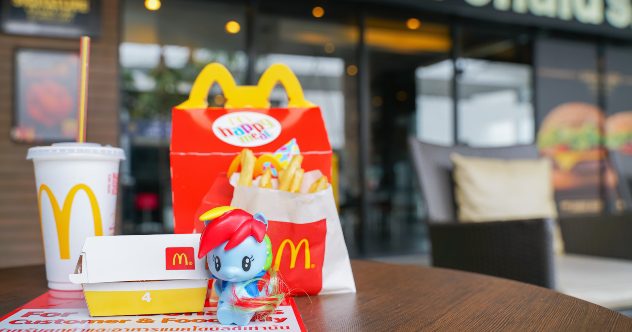

Some childhood memories arrive with a soundtrack. Others arrive with the crinkle of a paper bag, a brightly colored box, and one tiny object you were certain would improve your entire life by lunchtime. McDonald’s Happy Meal toys were never merely freebies. They were trophies, bathtub cast members, dashboard decorations, and the reason kids perfected the sentence, “Can we come back tomorrow?”
This ranking celebrates the most nostalgic McDonald’s Happy Meal toys by cultural impact, play value, collect-them-all energy, and their mysterious ability to send adults searching through attic shoeboxes. It is not a resale-price guide. Think of it as a reunion for the plastic legends that made fries feel like an appetizer to destiny.
Why Happy Meal Toys Became Childhood Time Capsules
The Happy Meal debuted nationally in the United States in 1979 in a circus-wagon box. Early prizes were modest, but the formula was unforgettable: pair a kid-sized meal with a surprise, refresh the toy lineup often, and let the package double as entertainment. Later promotions mixed McDonaldland characters with movie tie-ins and the toy crazes already dominating schoolyards. Every box became a small snapshot of its era.
The best Happy Meal collectibles also created a ritual. You opened the box, checked which toy you received, traded duplicates, and made a persuasive case for returning before the promotion disappeared. That little cycle is why these toys still have such big emotional power.
The 10 Most Nostalgic McDonald’s Happy Meal Toys
10. Original McDonaldland Erasers and Spinning Tops (1979)
The Happy Meal toy story began with simple prizes, including spinning tops and McDonaldland character erasers. No batteries. No complicated instructions. No adult silently Googling how to reset one. Yet these tiny items established the essential promise that made the Happy Meal special: lunch could come with a surprise worth taking home.
The McDonaldland characters gave the early toys personality. A Grimace or Hamburglar eraser was a miniature piece of a colorful imaginary world. Today, their charm is wonderfully low-tech: a school-supply tool that could vanish under a couch and still be considered a treasured collectible decades later.
9. Halloween Boo Buckets (1986)
The Boo Buckets proved that packaging could become the toy. Instead of the familiar box, kids received plastic pails decorated as a ghost, witch, or jack-o’-lantern. They carried dinner home, then moved on to trick-or-treating, crayon storage, beach toys, and whatever else a child decided a plastic bucket should manage.
That second life makes them unforgettable. A regular figure might live on a shelf; a Boo Bucket reappeared every October, usually with an ancient candy wrapper rattling around inside. It became part of the family Halloween routine, which is stronger nostalgia than any toy that only got one afternoon of play.
8. McNugget Buddies (1988)
Turning Chicken McNuggets into cowboys, firefighters, and mail carriers sounds like a concept born during an unusually creative lunch break. It was also perfect. McNugget Buddies were nugget-shaped figures with interchangeable hats, hair, outfits, and accessories.
They made a familiar menu item into a cast of characters. Kids could swap parts and invent stories involving a firefighter nugget, a cowboy nugget, and a cereal bowl in desperate need of rescue. Their appeal was gloriously simple: a few plastic pieces, absurd faces, and enough outfits to make a nugget look sharper than most people on laundry day.
7. Changeables (Late 1980s to Early 1990s)
McDonald’s Changeables turned burgers, fries, drinks, and Happy Meal boxes into transforming robots and dinosaur-like characters. For children living through the great transforming-toy boom, they were a wonderfully odd fast-food cousin to the action figures already taking over toy aisles.
The fun was in the reveal. A toy that began as a burger could click and fold into a mechanical creature. One toy was entertaining; a full set felt necessary. Changeables nailed the Happy Meal formula because they combined recognizable food, satisfying toy mechanics, and a powerful reason to hunt for the next character.
6. Hot Wheels Vehicles (Early 1990s)
McDonald’s Hot Wheels promotions gave kids miniature vehicles with genuine replay value, including a memorable Hot Wheels Thunderbird release in 1993. The partnership made immediate sense: Hot Wheels was already a classic collectible, and a small car could race across a table, a hallway, or the arm of a sofa before an adult asked it to stop.
These toys traveled well, survived rough play, and looked excellent lined up in a row. For many kids, that row began as a display and ended as a traffic jam under the couch. Their nostalgia comes from being both collectible and actually playable after the fries were gone.
5. Space Jam Bugs Bunny (1996)
Space Jam combined Looney Tunes chaos with basketball-star excitement and created a very specific kind of 1990s magic. The Happy Meal tie-in brought Bugs Bunny into the box at exactly the moment kids wanted anything connected to the movie.
This is what a great film promotion preserves: the feeling of release-day excitement. A tiny Bugs figure can bring back the soundtrack, the jerseys, the commercials, and playground arguments about impossible dunks. It was a compact toy with arena-sized nostalgia.
4. Teenie Beanie Babies, Including Patti the Platypus (1997)
The Teenie Beanie Babies promotion transformed a routine meal stop into a full-scale collecting event. McDonald’s offered miniature versions of Ty’s wildly popular plush characters, including Patti the Platypus. Suddenly, everyone wanted the missing animal, adults were calling restaurants, and duplicates became valuable trade currency.
The toys were soft and cute, but their real power was collective excitement. Families remember searching for a particular character, comparing collections, and realizing that a small plush platypus could somehow create concert-ticket-level urgency. That shared frenzy makes Teenie Beanie Babies a permanent part of Happy Meal history.
3. 101 Dalmatians Puppies (1997)
Most toy lines ask kids to collect a handful of favorites. The 101 Dalmatians promotion asked a bigger question: what about one hundred and one? The movie tie-in featured a huge collection of spotted puppy figures, each with a different pose and number.
The scale made the set unforgettable. Completing all 101 was an ambitious dream, but every new puppy felt like a victory. It turned a movie promotion into a long-term scavenger hunt and captured childhood optimism perfectly: surely the next Happy Meal would contain the exact Dalmatian needed to complete the world.
2. Tamagotchi Keychains (1998)
By 1998, digital pets were everywhere. Tamagotchi had taught children that an egg-shaped keychain could require snack schedules, mood checks, and astonishing amounts of emotional responsibility. McDonald’s tapped into the craze with Tamagotchi Happy Meal toys.
The nostalgia is bigger than the plastic shell. Tamagotchi represents a moment when handheld technology felt magical because it was tiny, personal, and always nearby. A backpack accessory could seem like a living creature with strong opinions about bedtime. The Happy Meal version captured that late-1990s feeling without requiring another trip to buy batteries.
1. Furby and McFurby Toys (1999)
Nothing summons late-1990s toy fever quite like Furby. The full-size version had wide eyes, odd ears, and a language that sounded as though a friendly alien learned English near a washing machine. McDonald’s released miniature Furby-inspired toys at the height of the craze.
McFurbys did not need the larger toy’s electronic theatrics. Their collectible colors and expressive faces were enough. They were recognizable, cute, easy to display, and different enough to make children want more than one. For many people, a tiny McFurby is a direct portal to 1999, when one fuzzy little creature could dominate playground conversation.
What Makes a Happy Meal Toy Truly Nostalgic?
The most memorable Happy Meal toys usually do four things. They connect to a bigger childhood world, whether that is a movie, a holiday, a TV character, or a toy-store trend. They are tactile, so kids can click, roll, swap, carry, or transform them. They create a collecting story, even when that collection remains hilariously incomplete. And they attach themselves to a real moment: a road trip stop, a birthday lunch, a rainy Saturday, or a successful campaign for a second Happy Meal.
That is why nostalgia is not the same as money. A toy with little resale value can be priceless to someone who remembers it riding home in a cup holder. The sentimental return is excellent, even when the physical return is a purple plastic figure with one missing shoe.
The Happy Meal Time Machine: Experiences That Make These Toys Last
There is a particular kind of anticipation attached to a Happy Meal toy, and it starts before the food arrives. A child studies the counter display or the picture on the box and begins calculating the odds. Will today bring the blue car, the rare-looking puppy, orabsolute catastrophethe duplicate? The adult ordering may see a quick lunch stop. The child sees a lottery, a mission, and perhaps the decisive step toward completing a collection that has colonized an entire bedroom shelf.
Then comes the opening ceremony. The fries can wait. The burger can wait. The toy gets inspected first, preferably with both hands and the gravity of an archaeologist opening a tomb. There is pure celebration if it is the hoped-for character, followed by determined diplomacy if it is not. Here, siblings learn negotiation, bartering, patience, and the tactical use of the phrase, “I’ll give you two of mine.” A Happy Meal toy was, in this sense, a tiny business school with ketchup stains.
Many of the happiest memories happened after the restaurant. Hot Wheels raced down hallways built from books. McNugget Buddies joined action figures in storylines that made no biological sense. Boo Buckets returned every Halloween, long after the meal had been forgotten. A small toy could end up in the bathtub, the car, a backpack, or a grandparent’s toy drawer. Its size made it easy to carry, but also easy to lose in places never fully explained by modern science.
The toys turned ordinary errands into family stories. A road-trip stop became memorable because someone found the last Beanie Baby they needed. A rainy afternoon improved because a new Changeable could be transformed fifty times. A parent may remember the drive-thru line; a child remembers the toy, the warm bag, the smell of fries, and the feeling that the day had delivered a secret prize. Nostalgia preserves the delight and politely deletes the spilled drink in the back seat.
These toys also created little social worlds. At school, someone always had the character you needed. At home, duplicates became trade bait. A friend with the rarer color or missing accessory suddenly had negotiating power that would make a tiny stock exchange proud. The collection itself mattered, but the conversations around it mattered more. The toys gave kids a script for sharing enthusiasm: “Look what I got,” followed by “Want to trade?”
Years later, people often rediscover a Happy Meal toy in a box of old belongings. It may be scuffed, faded, or missing an accessory last seen during the Clinton administration. None of that matters. Holding it brings back the larger scene: family voices, favorite cartoons, the layout of a childhood kitchen, and the thrilling belief that a meal could contain a surprise. That is the lasting magic. Happy Meal toys were never just plastic; they were miniature memory triggers, handed over beside fries and a napkin.
Note: This ranking celebrates cultural memory and play value rather than resale prices. Release years and toy availability could vary by restaurant, region, and promotion.
Conclusion: Small Toys, Big Memory Power
The most nostalgic McDonald’s Happy Meal toys did not need premium packaging or complicated technology to become unforgettable. They connected kids to the pop culture of their moment, gave friends something to trade, and turned an ordinary meal into an occasion. From original McDonaldland prizes to Boo Buckets, Changeables, Teenie Beanie Babies, Tamagotchi, and Furby, these collectibles explain why the Happy Meal still lives so vividly in childhood memory.
Some are collector items. Some are probably hiding beneath old furniture. All of them prove the same thing: childhood joy is often small enough to fit in one hand.